Agastheeswarar Temple
About Agastheeswarar Temple
The temple's most striking architectural feature is its five-tiered Rajagopuram, the ornamental gateway tower that rises above the entrance. This structure displays intricate stone carvings depicting various deities and scenes from Hindu mythology, evidence of the skilled craftsmanship that shaped the temple over centuries. The overall design reflects the architectural conventions established in ancient Tamil Nadu temples, with careful attention to sacred proportions and the symbolic placement of shrines. The temple complex has preserved its original character while adapting to the needs of contemporary worship. The courtyards and inner sanctums follow traditional Hindu temple design principles, with the sanctum sanctorum positioned at the spiritual center of the structure, housing the primary deity.
Daily Darshan and Worship
The temple maintains two distinct periods of access each day, aligned with Hindu practice that considers dawn and dusk hours especially auspicious for worship. Morning darshan runs from 05:00 to 13:00, while evening access begins at 16:00 and continues until 20:00. The temple closes during the afternoon hours, so visitors should plan their visit around these two windows. Temples of this tradition typically perform regular rituals and aartis—ritual offerings of light—at prescribed times throughout the day. Visitors are expected to observe modest dress: men should wear simple, respectful clothing, and women should wear traditional dress or modest contemporary attire. Shoes must be removed before entering the inner sanctum. Photography policies vary across different areas of the temple, so it is advisable to ask temple staff before photographing the sanctum or spaces where active worship is taking place.
Festivals and Ritual Observances
The temple observes several major festivals that draw both regular devotees and visiting pilgrims. The most prominent is a ten-day Brahmmotsavam festival occurring in May-June, which follows Vaikasi Visakam and features heightened ritual activity and increased devotional gatherings throughout the temple complex. In November-December, the temple celebrates Karthikai with a distinctive ritual practice: a 1008 Conch Abhishek, in which the deity is ritually bathed using water from one thousand and eight conch shells. This elaborate ceremony reflects the temple's commitment to maintaining ancient ritual traditions and offers visitors a rare opportunity to witness a specialized form of worship.
When to Visit
The most pleasant season for visiting is November to February, when the climate in Tamil Nadu is cooler and more comfortable for temple exploration. However, those interested in witnessing major festivals should plan visits around May-June for Brahmmotsavam or November-December for Karthikai celebrations, when the temple's ritual life is most visibly active and the atmosphere is charged with devotional energy.
Visitor Information and Etiquette
The temple is located in a village setting, which means that facilities may be more limited than in urban temple complexes. Visitors should come prepared with water and any personal necessities they may require. Respectful behavior is essential, as this is an active place of worship where rituals continue throughout the day. Maintain quiet reverence in the courtyards and show particular respect during times of active ritual. Allow sufficient time for darshan, particularly during festival periods when crowds may be larger.
How to Reach
Agastheeswarar Temple is situated in Agasthiyampalli, Nagapattinam district, Tamil Nadu, at coordinates 10.35777778, 79.84666667. Visitors should arrive during the designated morning or evening hours to ensure access to the temple during darshan periods.
How to reach

You may also visit
Agatheeswarar Temple, Karur
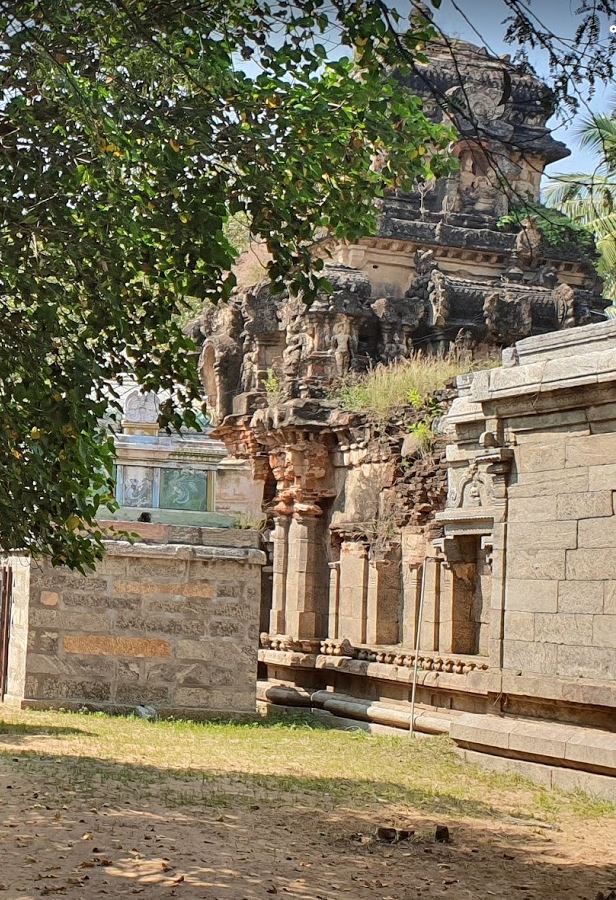
Agatheeswarar Temple in Thirumukkudalur, Karur district, is an ancient Hindu shrine dedicated to Shiva, situated at the sacred confluence of three rivers and believed to be over 1000 years old.
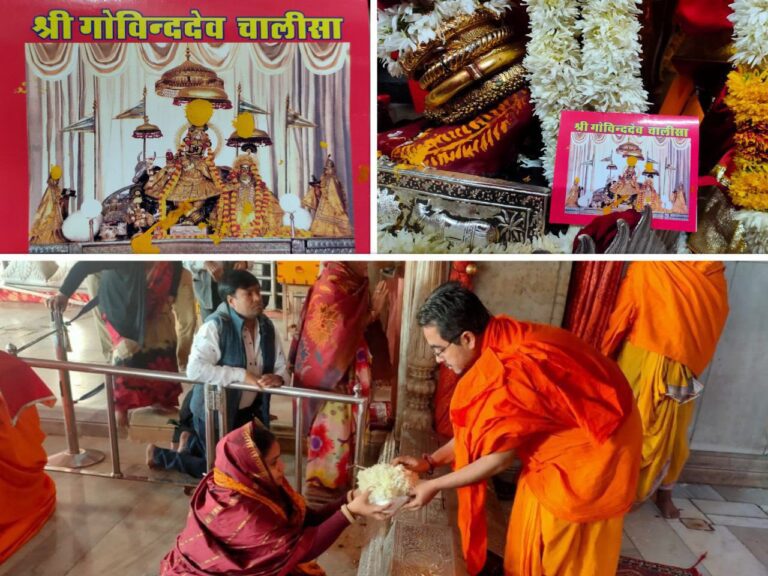
Kalyanji Temple
Kalyanji Temple in Jaipur's Chandpol Bazaar is an ancient Krishna shrine established in the 1820s, renowned for its seven daily aartis and special avatar darshan ceremonies during Akha Teej and Patottsav festivals.
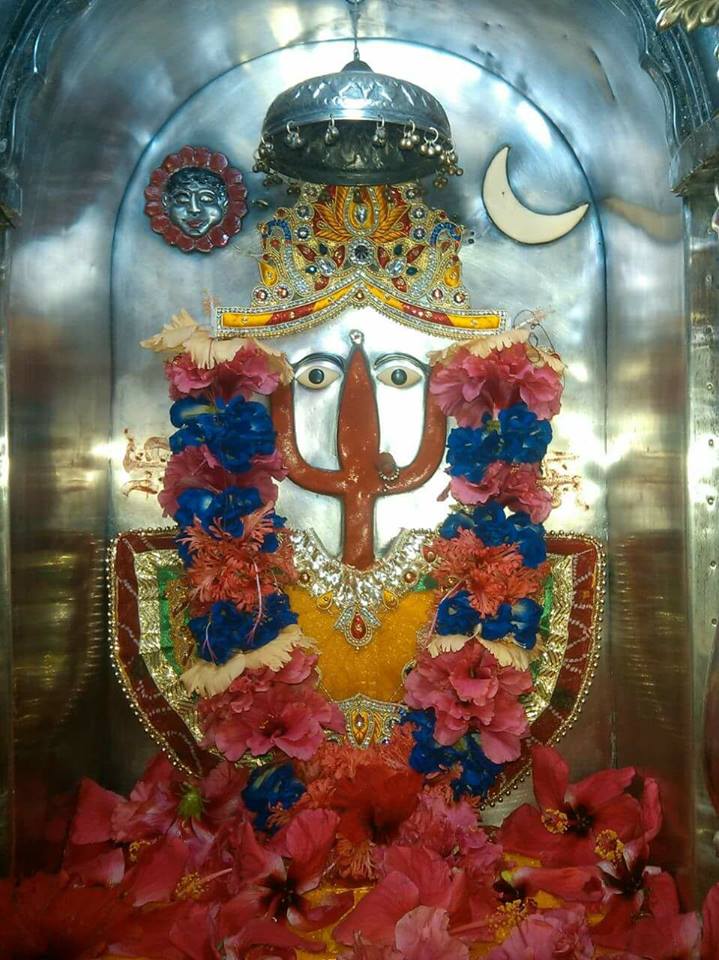
Rani Sati Mandir Mahuda
Rani Sati Mandir in Mahuda, Dhanbad District, is a Hindu temple established in 1992 that serves as a spiritual center for the local community and attracts devotees seeking blessings.