
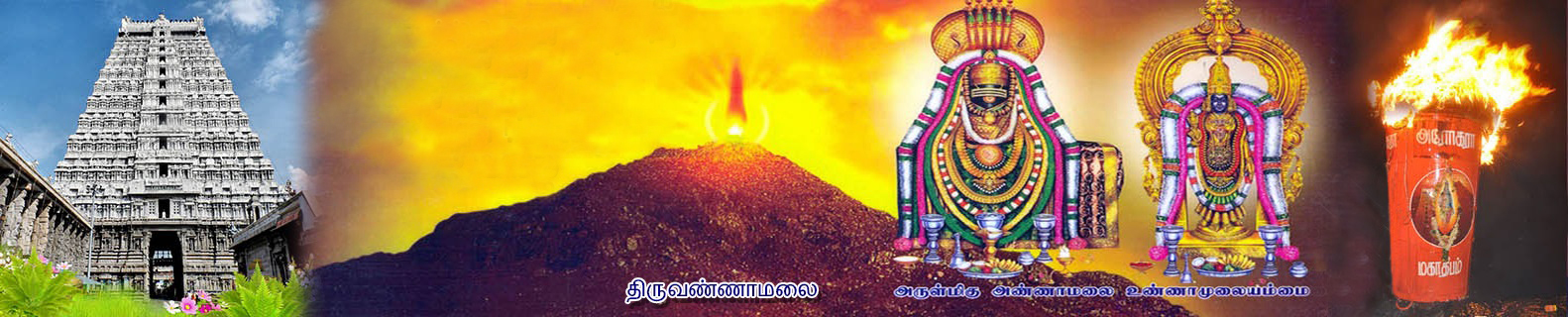
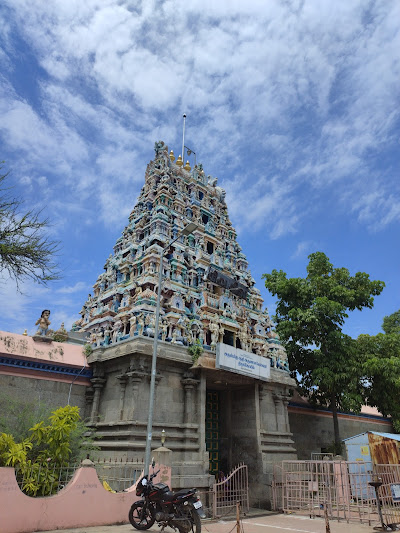
Adi Annamalaiyar Temple, Adi Annamalai
About Adi Annamalaiyar Temple, Adi Annamalai
According to temple inscriptions, Adi Annamalai Temple was established during the early Chola period in the 9th century AD, though some sources suggest its origins may extend further back. The structure was subsequently expanded and refined during the reigns of the later Cholas, the Hoysala dynasty, and the Vijayanagara Nayaks, each period leaving its architectural imprint. This layered history means the temple reflects multiple phases of South Indian temple design and construction practice.
The temple exemplifies Dravidian architectural principles, featuring stone pillars, multiple shrines dedicated to various deities including an Amman (goddess) shrine, nine towers, five encircling walls (praharas), and several mandapas or pillared halls. The temple is maintained by the Hindu Religious Charities Department of Tamil Nadu, ensuring its preservation and regular functioning.
Daily Worship and Darshan
The temple opens at 6:00 AM and closes at 8:00 PM, with a midday break from 12:00 to 2:00 PM. Three main ritual periods structure the day: morning pooja from 5:00 to 6:00 AM, afternoon pooja from 12:00 to 1:00 PM, and evening pooja from 6:00 to 7:00 PM. Devotees may perform darshan (viewing of the deity) throughout these open hours, though the ritual periods offer opportunities to witness the formal worship of the lingam.
Darshan wait times typically range from 30 minutes to one hour, depending on the day and number of visitors. The temple remains accessible for personal prayer and meditation outside these formal pooja times, allowing visitors flexibility in structuring their visit according to their own spiritual practice.
Best Times to Visit
The full moon day (Poornima) is identified as the most auspicious time to visit, when the temple draws increased numbers of devotees and the atmosphere becomes particularly vibrant. The lunar calendar holds significance in Hindu worship, with full moon days traditionally considered especially favorable for spiritual practice and darshan.
Conversely, the peak summer months bring intense heat to the region and should be avoided if possible for a more comfortable experience. Visiting during cooler seasons—roughly October through February—allows for a more pleasant journey, particularly given the temple's location on a hillside where exposure to sun can be considerable.
Visiting Practicalities
Parking is available at the temple. Visitors should dress modestly, following the conventions of Hindu temple etiquette: remove footwear before entering the sanctum, cover shoulders and knees, and approach the deity with respectful demeanor. Photography policies vary; it is advisable to check with temple staff before photographing the sanctum or ritual activities.
The temple's location in a village setting means facilities may be more limited than at larger urban temples. Visitors should plan accordingly, bringing water and any personal necessities. The narrow paths leading to the shrine reflect its age and village context; comfortable walking shoes are recommended.
Reaching Adi Annamalai Temple
The temple is located on the north side of Arunachala Hill in Tiruvannamalai, Tamil Nadu, at coordinates 9.6647°N, 77.3036°E. Tiruvannamalai is well connected by road to major towns in Tamil Nadu. Local buses serve the area, and auto-rickshaws are available from the town center. The temple's position on the hillside means the final approach involves walking; the exact distance and path difficulty should be confirmed locally before visiting, particularly for those with mobility concerns.
How to reach
Temples near Adi Annamalaiyar Temple, Adi Annamalai
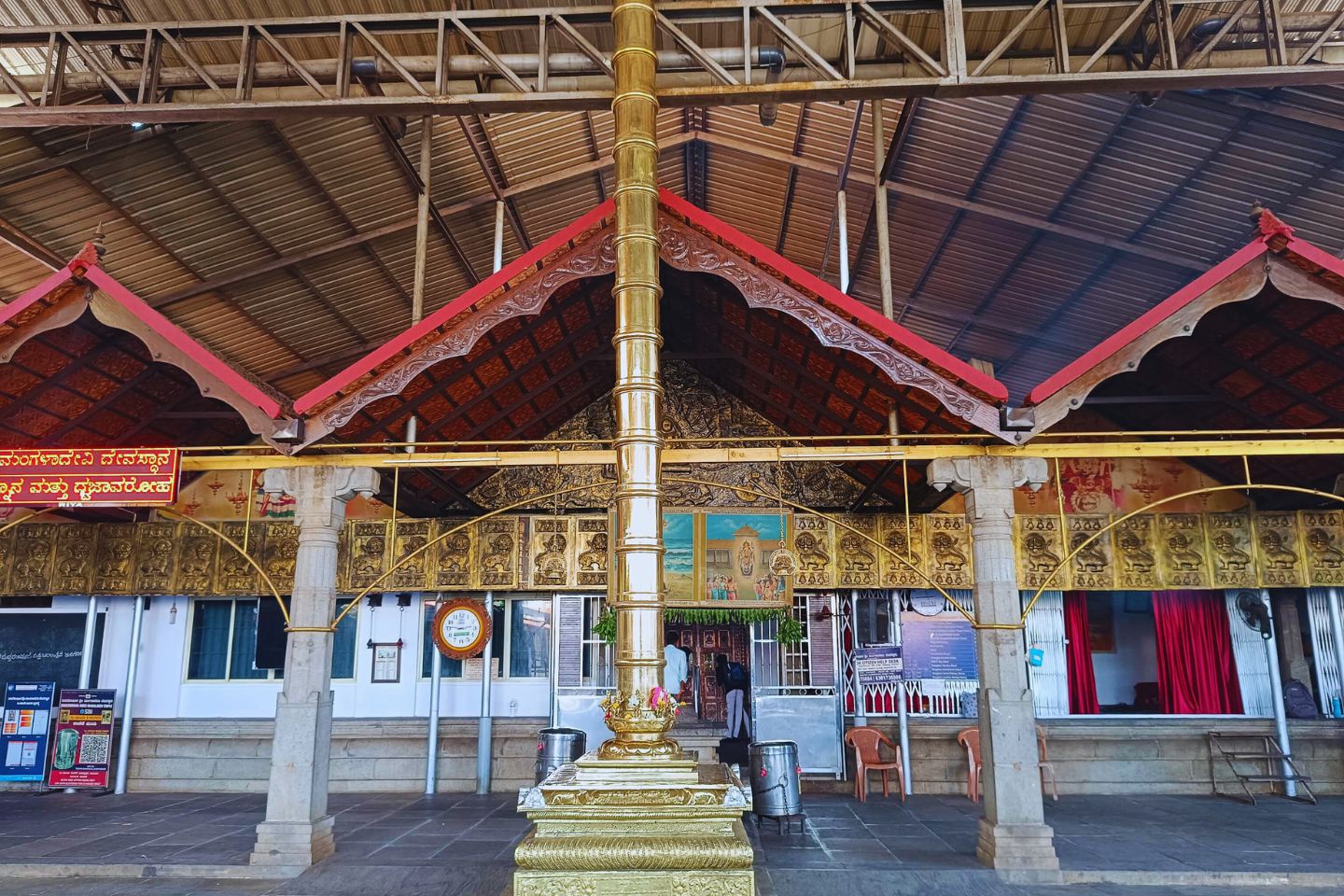
Mangala Devi Temple
The Mangaladevi Temple in Mangalore, Karnataka is an ancient Hindu shrine dedicated to the goddess Shakti in her form as Mangaladevi, the deity after whom the city itself is nam…
Kalatheeswarar Temple, Uthamapalayam
Arulmigu Thirukkalatheeswarar Temple in Uthamapalayam, Theni district, is a traditional Shiva shrine known as the Southern Kalahasti, featuring rare separate shrines for Rahu an…
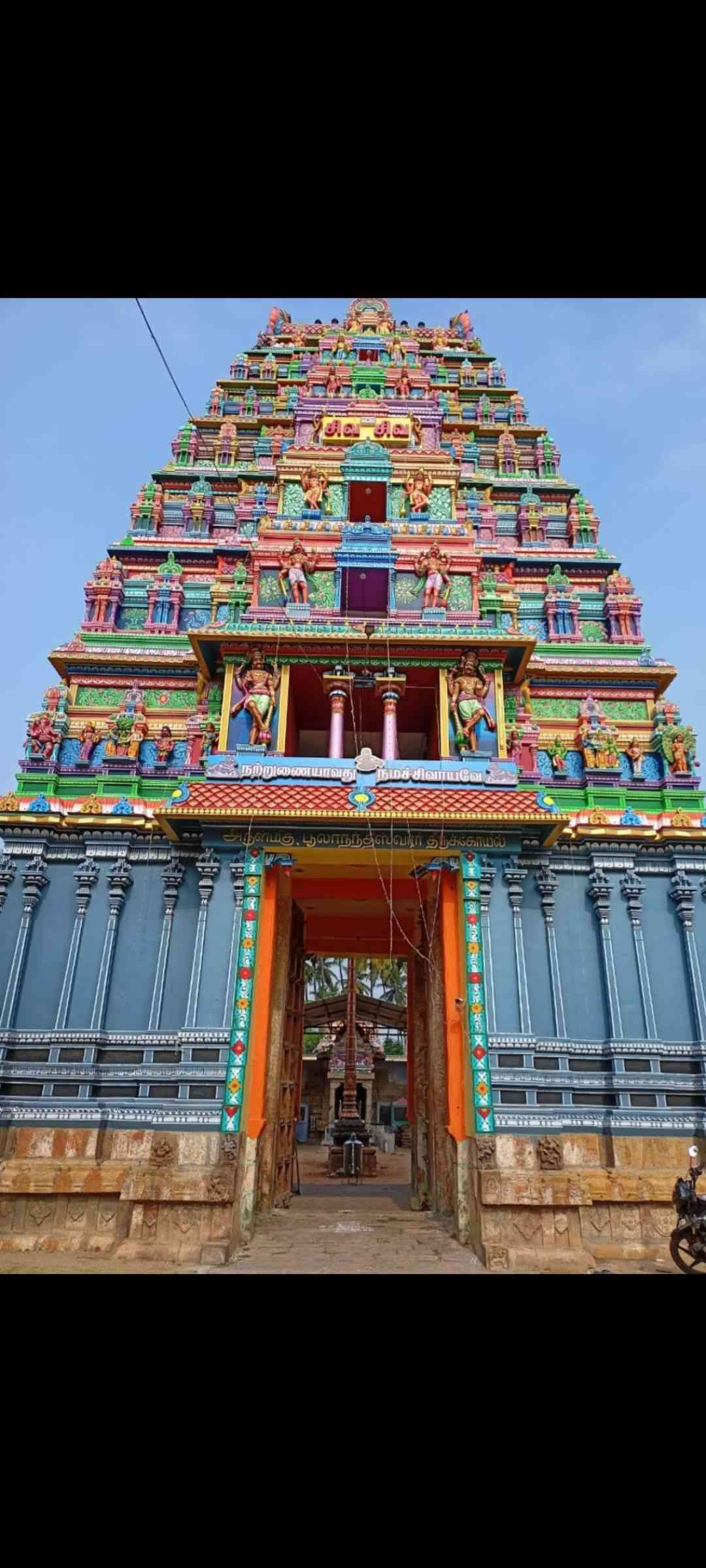
Chinnamanur Phulanantheeswarar Temple
Arulmigu Poolanantheesvarar Temple in Chinnamanur is a historic shrine dedicated to Lord Shiva, believed to date from the 10th century and recognized as a traditional heritage t…
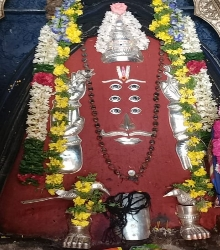
Kuchanur Saneeswaran Temple
Arulmigu Suyambu Saniswara Bhagavan Temple in Kuchanur is dedicated to Saniswara (Saturn), one of the nine celestial bodies in Hindu tradition. The temple serves devotees seekin…

Ayyappancoil Sastha Temple
Ayyappancoil Sastha Temple in Sasthamkotta, Kerala, is a Hindu shrine dedicated to Lord Ayyappa Dharma Sastha. The temple welcomes devotees throughout the day and observes a sig…
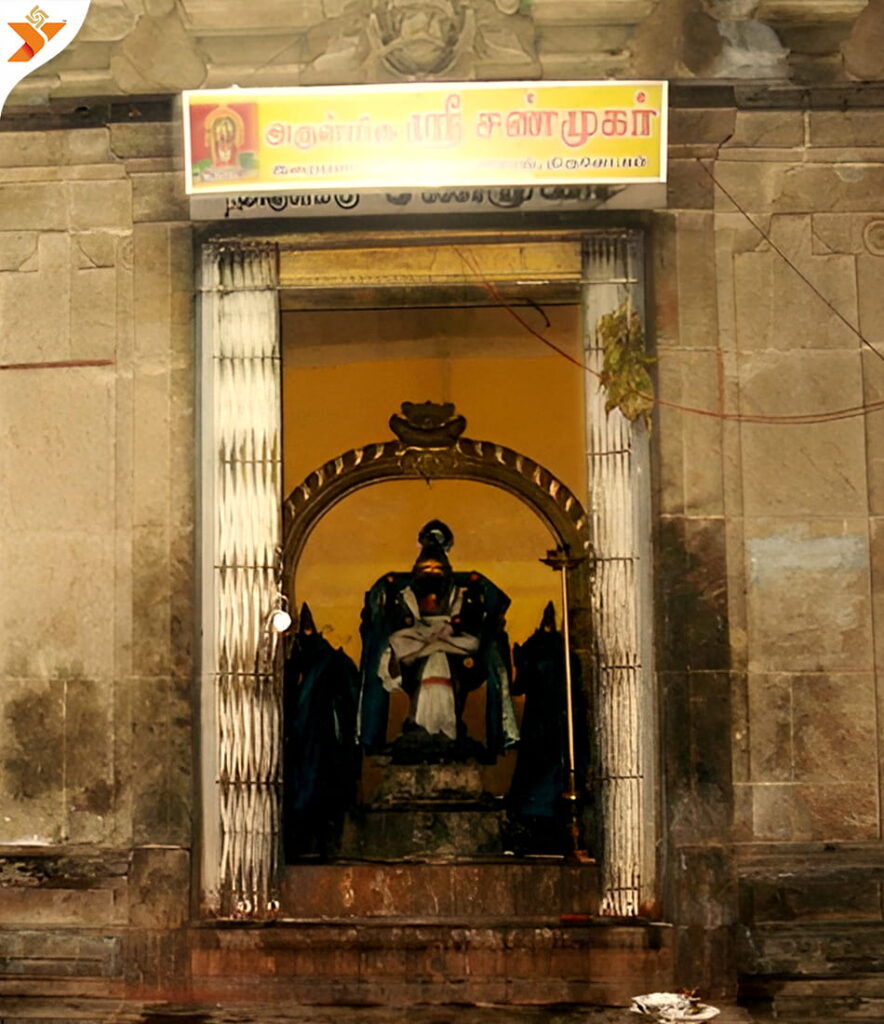
Edaganathar temple
Edaganathar Temple in Thiruvedagam is a 7th-century Shiva temple situated on the banks of the Vaigai River in Madurai district, Tamil Nadu, revered in the ancient Tevaram texts.