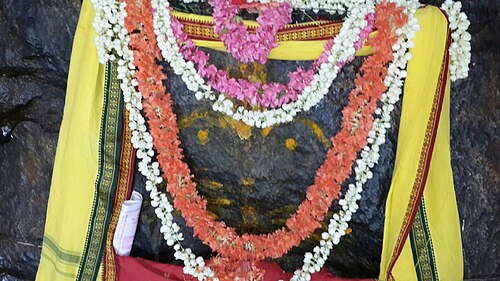
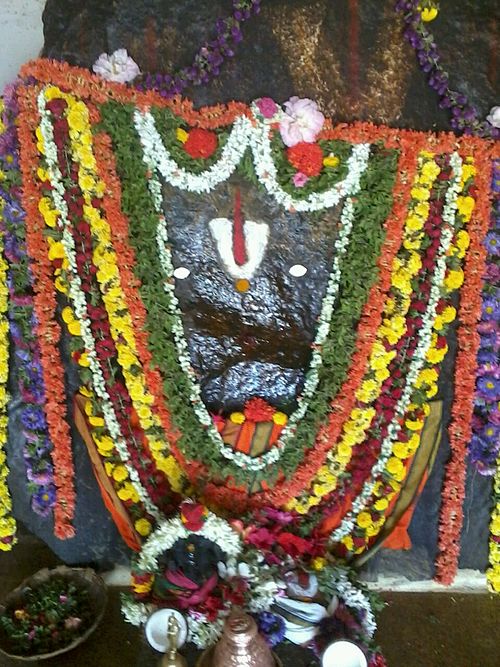
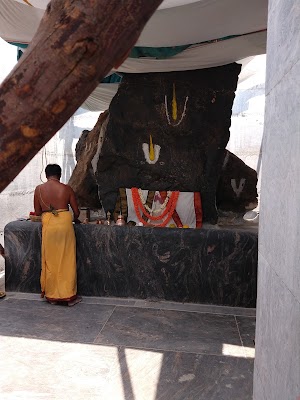
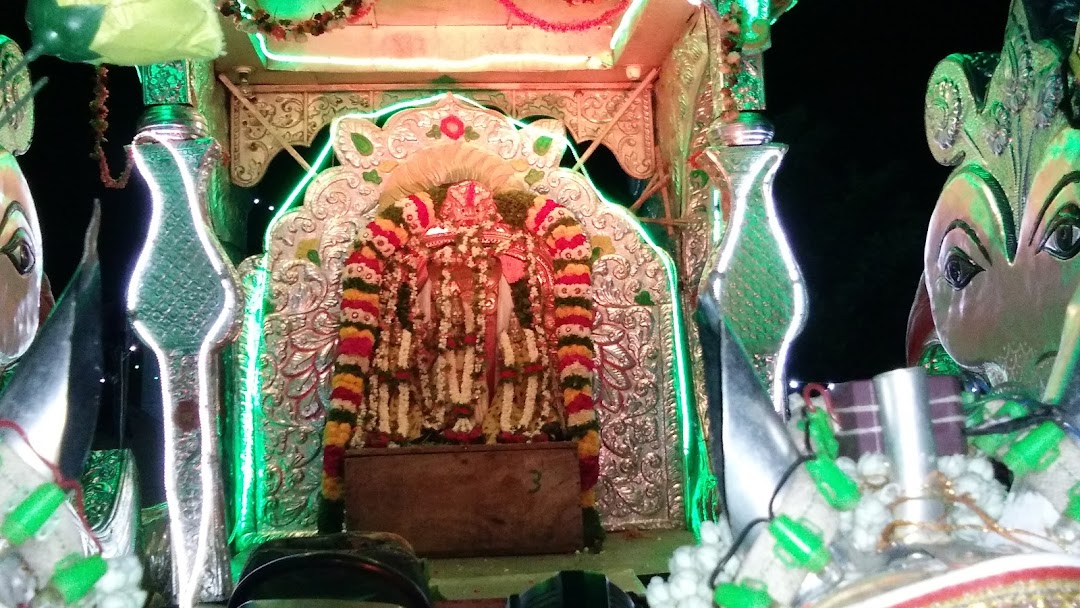
Abaya Hastha Swayambu Sri Lakshmi Narasimha Swamy Temple, Agaram Village, Hosur
About Abaya Hastha Swayambu Sri Lakshmi Narasimha Swamy Temple, Agaram Village, Hosur
The temple is situated 15 kilometres from Hosur town, accessible via Rayakotta Road. For those travelling from Bangalore, the temple lies approximately 65 kilometres away, making it reachable as a day visit or as part of a broader pilgrimage through the Krishnagiri district. The specific coordinates (12.6°N, 77.94°E) can assist those using GPS navigation to locate the temple precisely.
Visitors should plan their journey with attention to road conditions and travel time, particularly if coming from Bangalore. The location in a village setting means that facilities may be more limited than in larger temple towns, so advance planning regarding meals and supplies is advisable.
Visiting Hours and Darshan
The temple maintains consistent opening hours throughout the week. Darshan is available from 7:30 in the morning until 1:00 in the afternoon, Monday through Sunday. This schedule allows for morning visits, which are traditionally favoured in Hindu practice as times of heightened spiritual receptivity and when the temple atmosphere is typically quieter.
Visitors should arrive with sufficient time before the 1:00 p.m. closing to complete their worship without rushing. The morning hours offer the best opportunity for an unhurried darshan experience.
Narasimha Jayanthi and Religious Observances
The temple observes Narasimha Jayanthi, the festival celebrating the birth of Narasimha, the man-lion incarnation of Vishnu. This festival holds particular significance at temples dedicated to this deity. Narasimha Jayanthi typically falls in the Hindu month of Vaishakha (April-May), though the exact date varies according to the lunar calendar. Devotees traditionally gather on this occasion to commemorate the divine descent that destroyed evil and protected the righteous.
The festival represents a major religious observance at this temple, drawing additional worshippers and likely involving special rituals and prayers. Those planning a visit specifically to participate in these celebrations should confirm the exact dates in advance, as they follow the Hindu lunar calendar rather than the Gregorian calendar.
Etiquette and Practical Considerations
Visitors to Hindu temples are expected to observe certain conventions. Modest dress is appropriate—clothing that covers shoulders and knees shows respect for the sacred space. Footwear is typically removed before entering the inner sanctum, though practices may vary; observing what other worshippers do provides practical guidance. Photography policies should be respected; many temples restrict photography in certain areas or during rituals.
The temple's location in a village setting means that amenities such as restaurants, accommodation, or shops may be limited nearby. Visitors should carry water and plan accordingly. The morning visiting window closes at 1:00 p.m., so those wishing to spend extended time should arrive early. It is customary to make an offering at the temple, whether flowers, coconut, or a monetary donation, as a gesture of devotion.
The Significance of the Deity
Narasimha represents divine intervention against injustice and the protection of the devoted. In Hindu theology, this avatar embodies the principle that the divine will manifest in whatever form is necessary to restore dharma (righteousness) and shield the faithful from harm. Lakshmi, present alongside Narasimha in this temple's dedication, represents the flow of grace, abundance, and auspiciousness that follows when one lives in alignment with dharmic principles.
The pairing of these two aspects—fierce protection and gracious abundance—creates a comprehensive spiritual offering. Devotees approach such temples seeking both the removal of obstacles and the blessing of prosperity in its fullest sense, encompassing material security, spiritual growth, and inner peace.
How to reach
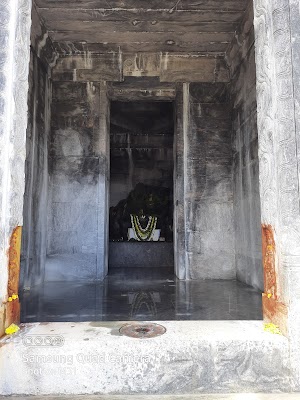
Temples near Abaya Hastha Swayambu Sri Lakshmi Narasimha Swamy Temple, Agaram Village, Hosur
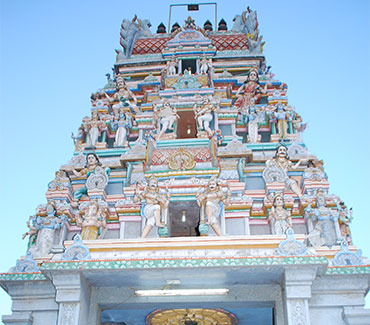
Agaram Balamurugan Temple
Arulmigu Balamurugan Temple in Agaram, Uddanapalli, Krishnagiri District, is a 19th-century shrine dedicated to Lord Murugan (Balamurugan), serving as a significant spiritual ce…
Rangopanditha Agraharam Venugopala Swamy Temple
Sri Venugopala Swamy Temple in Hyderabad is dedicated to Lord Krishna and situated on Govardhangiri hillock in KPHB. The temple serves as a center for devotion with multiple dei…
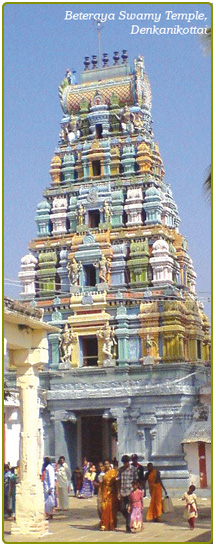
Betrayaswamy Temple
Betrayaswamy Temple in Denkanikottai, Krishnagiri district, is a Hoysala-style shrine dedicated to Vishnu, recognized as one of the 108 Abhimana Kshetras of the Vaishnava tradit…
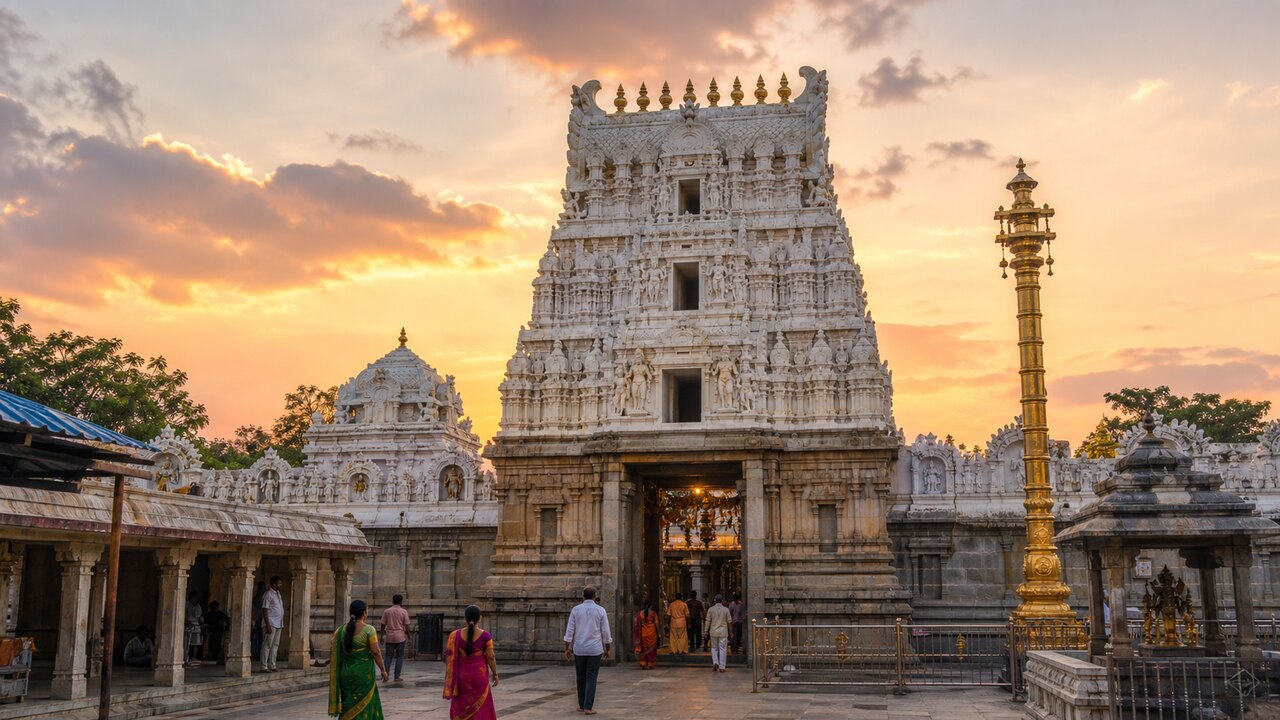
Kodanda Rama Temple
Sri Kodanda Ramaswamy Temple in Vontimitta, Andhra Pradesh, is dedicated to Lord Rama, Sita, and Lakshman. Devotees visit throughout the year seeking blessings for family welfar…

Sri Madduramma Temple
Sri Madduramma Temple in Maddur, Bangalore is an ancient shrine dedicated to the goddess Madduramma, believed to date back to the Chola period. The temple celebrates its grand a…
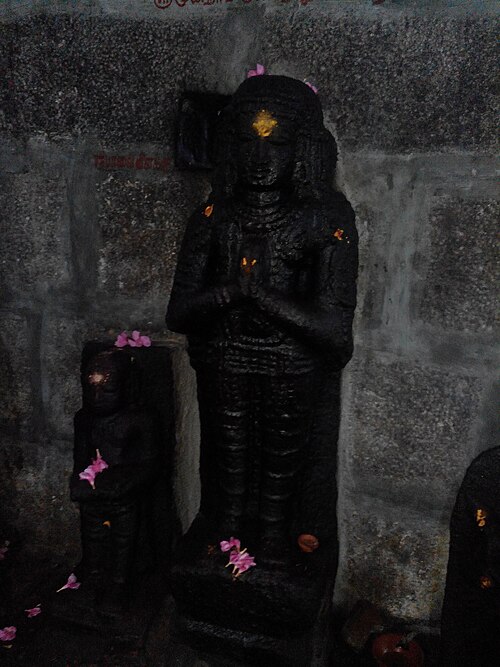
Penneswaraar Temple
Penneswaraar Temple is a 12th-century Shiva shrine in Krishnagiri District, Tamil Nadu, built by Kulothunga Chola III in 1188 CE. It is renowned for housing the highest concentr…