
Aadi Himani Chamunda
About Aadi Himani Chamunda
The temple dates to at least the 17th century, its origins connected to the region's Katoch dynasty rulers. The shrine stands near the ruins of the palace of Raja Chandar Bhan Chand Katoch, who died in 1660, suggesting the temple's establishment was contemporaneous with or predates this period. The location—Chandar Bhan, near Jia village in Kangra district—preserves the name of this historical figure, anchoring the shrine within the area's dynastic past.
The temple's longevity and continued reverence reflect its deep roots in local devotional practice. Over centuries, it has remained a pilgrimage destination for those seeking the goddess's blessings, with the physical challenge of reaching it forming an integral part of the spiritual journey.
The Trek and Access
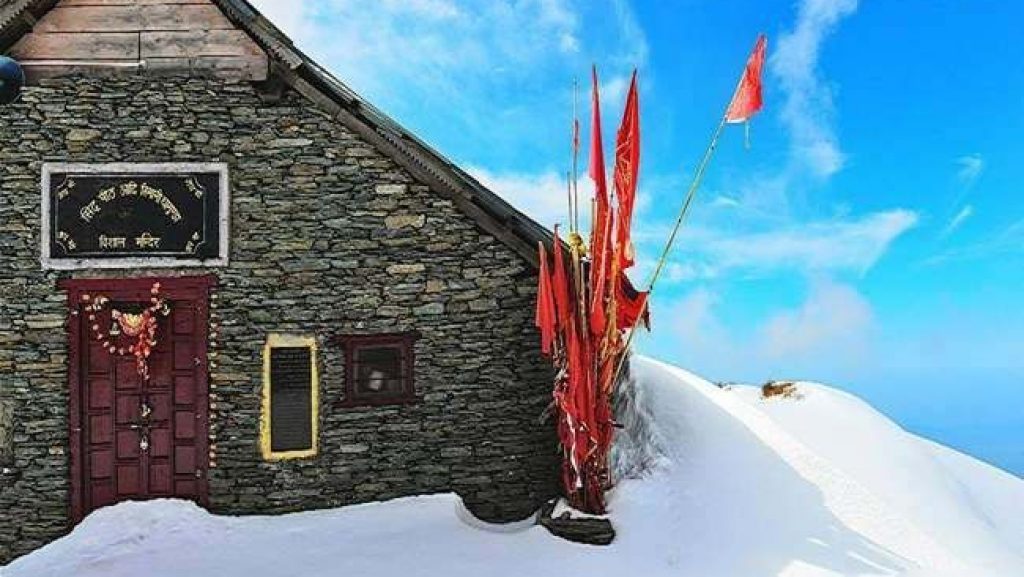
Reaching Aadi Himani Chamunda requires a substantial trek of 9–13 kilometers one way, typically taking 5–7 hours uphill. The route is graded as moderate to challenging in difficulty. Two main approaches exist: one begins from Jia village near Nagrota Bagwan, while another starts from Jadrangal or Kardiana, the last points accessible by vehicle. The path ascends through stone steps, forested sections, meadows, and steep terrain, with the final altitude gain presenting the most demanding portion.
The nearest towns are Dharamshala (approximately 30–40 km away) and Palampur (20–30 km away). For air travel, Gaggal Airport near Dharamshala serves the region; rail access is available via Pathankot or Kangra stations. The trek is seasonally accessible from March through November, with snow blocking access during winter months. The journey should be undertaken with adequate physical preparation, proper footwear, and awareness of mountain conditions.
Visiting the Temple
The temple welcomes visitors during the trekking season from March to November. Those planning a visit should prepare for high-altitude conditions: bring sufficient water, sun protection, and layered clothing, as temperatures drop significantly at this elevation. The trek demands early starts to allow adequate daylight for the ascent and return.
Visitors should observe standard temple etiquette: remove footwear before entering the sanctum, maintain respectful behavior, and follow any local customs observed by resident priests or caretakers. Given the remote location and limited facilities at the shrine itself, pilgrims typically carry their own provisions. The temple's isolation means no shops, restaurants, or accommodation exist at the site; most visitors complete the trek as a day journey from lower villages or nearby towns.
Seasonal Patterns and Pilgrimage
The temple experiences significant visitation immediately after snow melts in spring, when the high passes become passable and the landscape transforms. This period marks the beginning of the pilgrimage season and draws devotees seeking the goddess's blessings after winter's hardship. The accessibility window from March through November structures the rhythm of worship and pilgrimage at this altitude.
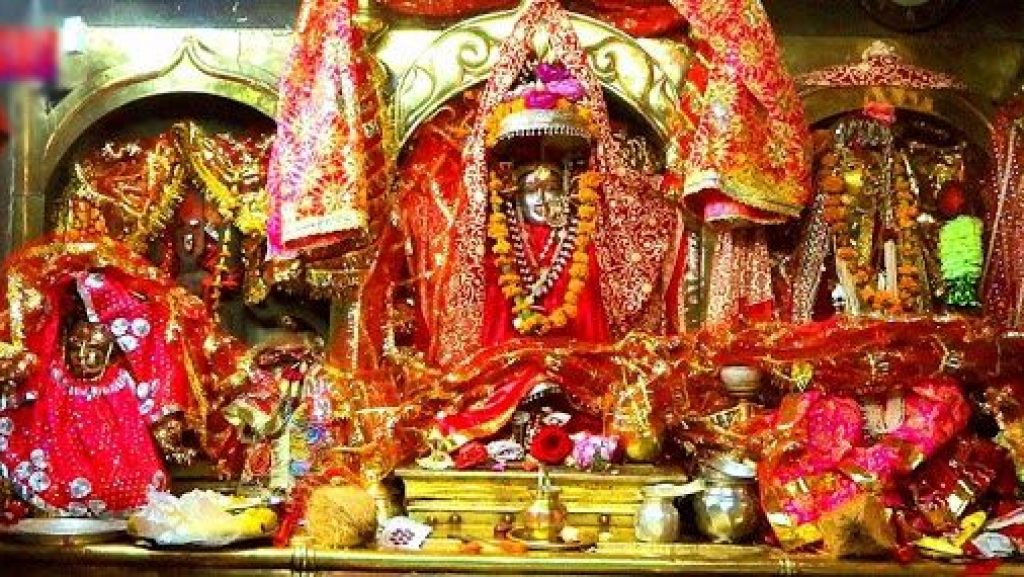
The demanding nature of the trek means that those who reach the shrine represent a self-selected group of committed devotees. This physical barrier has historically preserved the temple's character as a place of serious spiritual practice rather than casual visitation.
Practical Considerations
Visitors should be aware that this is a working shrine with minimal infrastructure. There are no hotels, restaurants, or shops at the temple site itself. Water and basic supplies must be carried from lower elevations. The trek should not be attempted by those with significant altitude sensitivity, cardiovascular concerns, or limited hiking experience without proper acclimatization and guidance.
Local guides from Jia village or nearby areas can assist with navigation and logistics. It is advisable to inquire locally about current trail conditions, particularly early or late in the season, as weather and snow melt can affect accessibility. Respect for the shrine's sacred purpose and the local community that maintains it should guide all visitor behavior.
How to reach



You may also visit
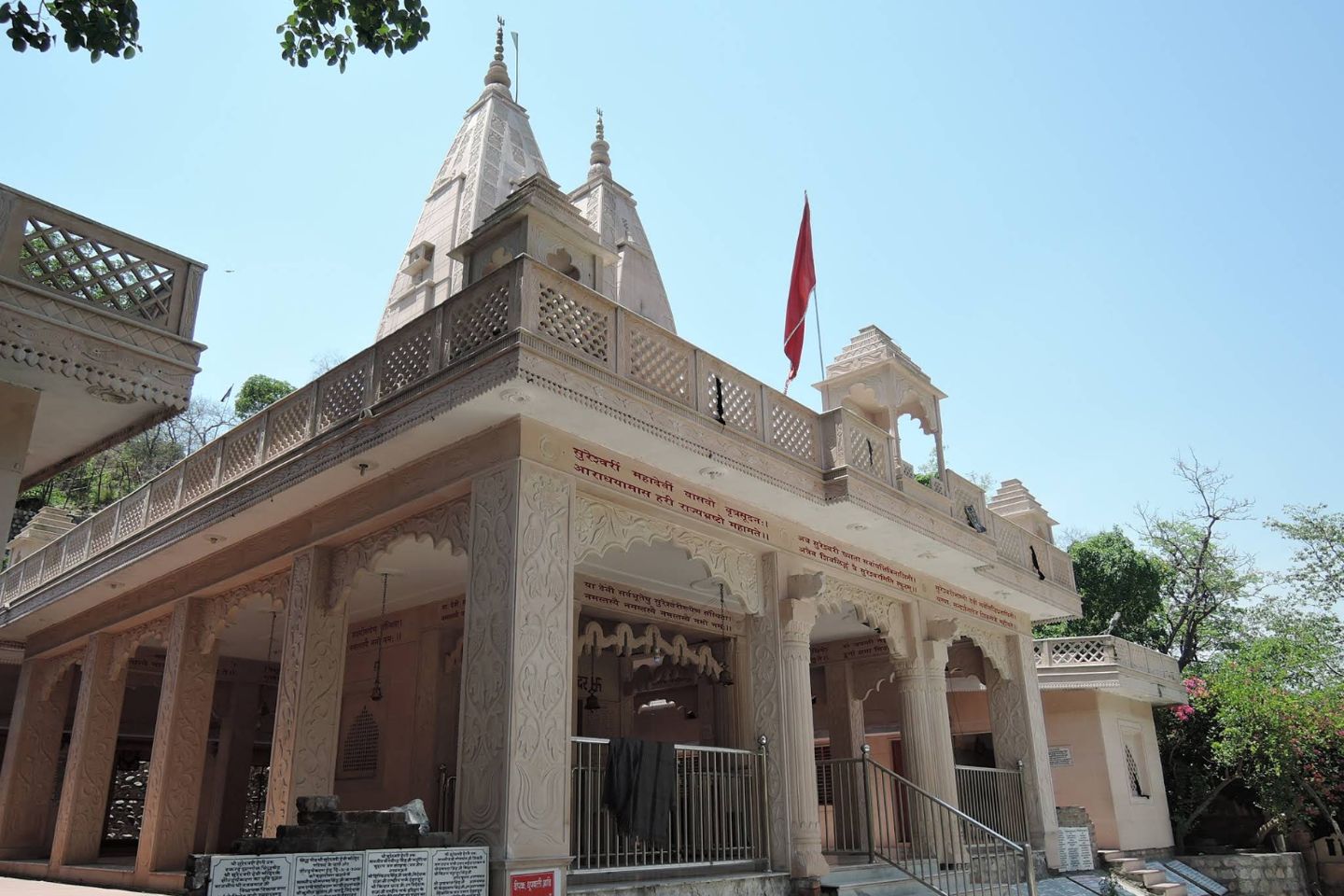
Sureshwari Devi Temple
Sureshwari Devi Temple in Haridwar is a forest shrine dedicated to the goddess, situated within the Ranipur Range area near Rajaji National Park, offering a secluded spiritual e…
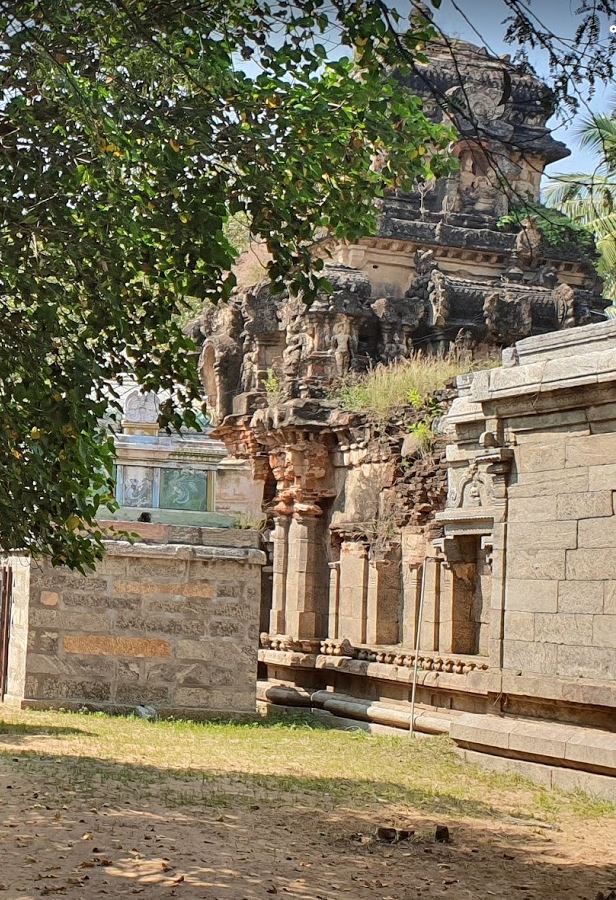
Agatheeswarar Temple, Karur
Agatheeswarar Temple in Thirumukkudalur, Karur district, is an ancient Hindu shrine dedicated to Shiva, situated at the sacred confluence of three rivers and believed to be over…

Shani Shingnapur
Shani Shingnapur is a renowned temple in Maharashtra dedicated to Lord Shani, featuring a self-emerged black stone idol worshipped under open sky. The temple is located in a uni…
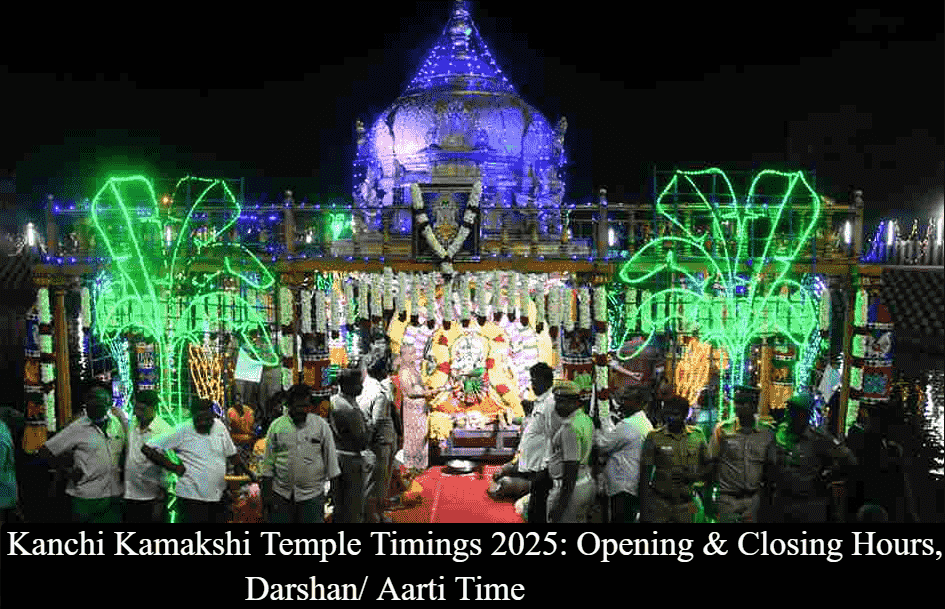
Kamaksha
Arulmigu Kamakshi Amman Temple in Mangadu, near Chennai, is dedicated to the goddess Kamakshi, an aspect of Adi Parashakti. According to legend, the goddess performed austeritie…
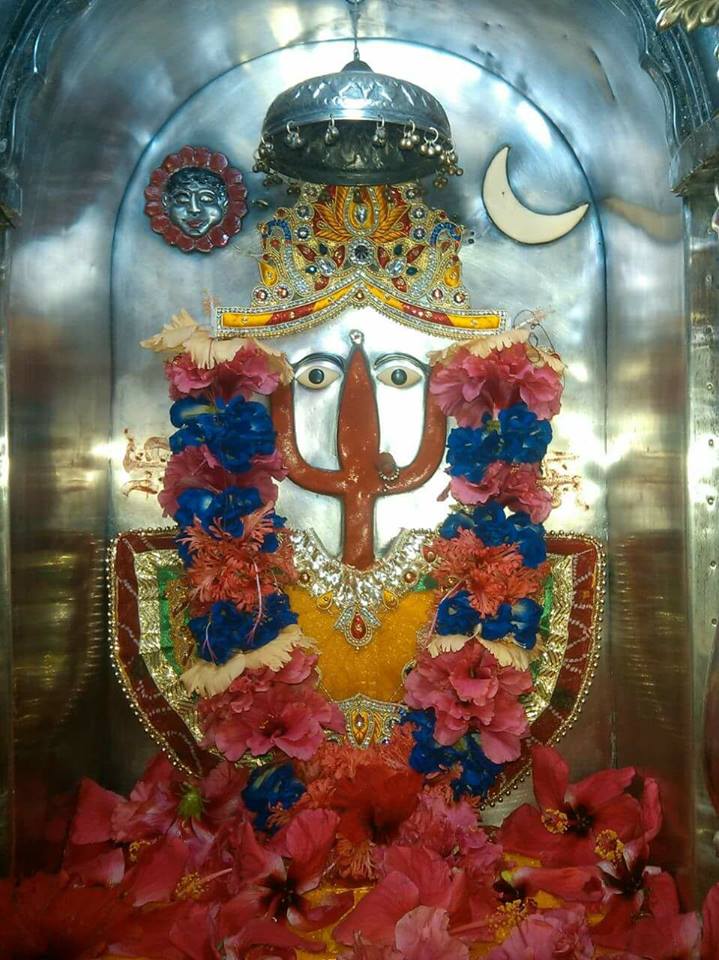
Guhaditya temple
Guhaditya temple in Dwarka is an ancient shrine dedicated to the sun deity, established over 150 years ago. Pilgrims enter through the Swarg Dwar (Gateway to Heaven) and exit vi…
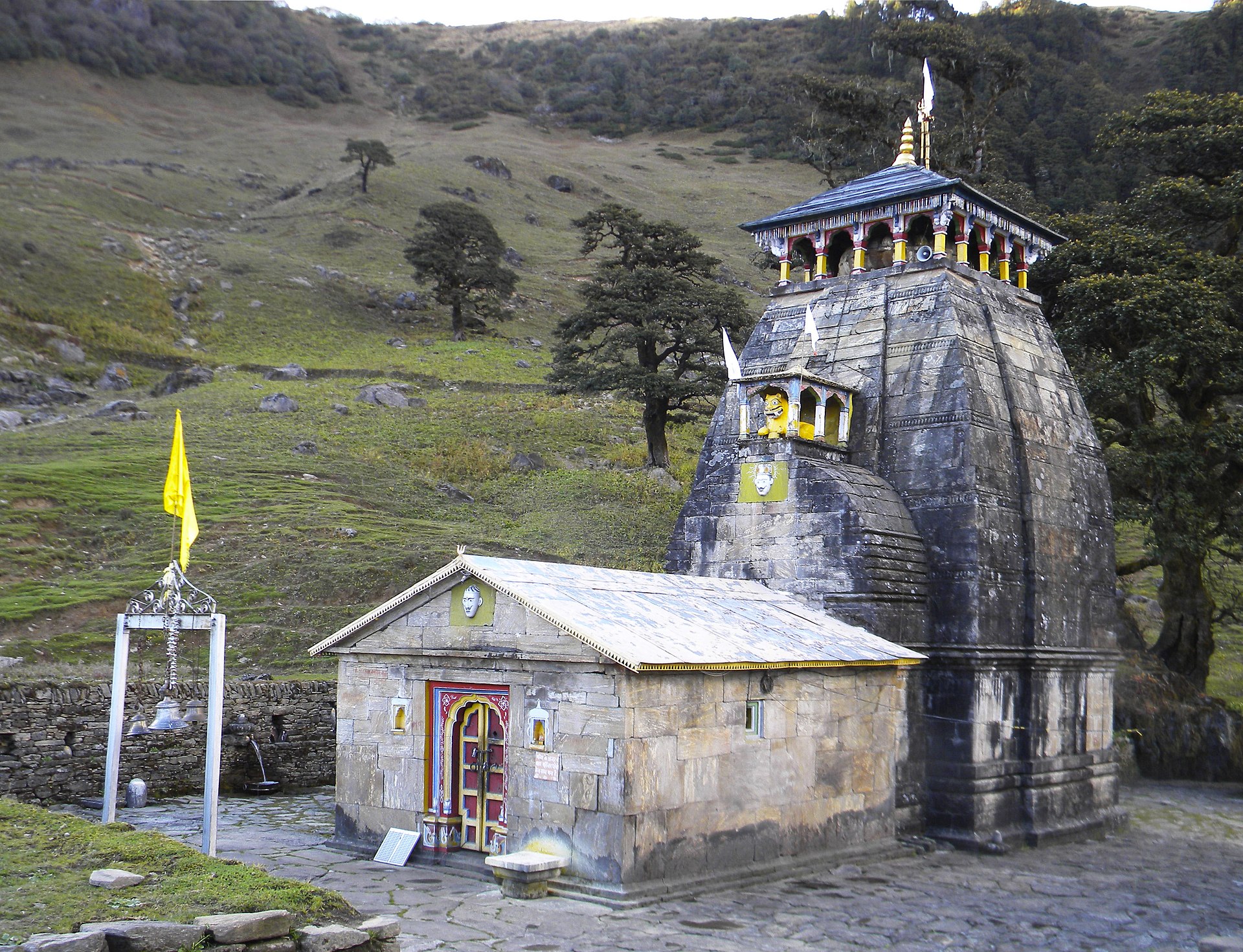
Madhyamaheshwar Temple
Madhyamaheshwar Temple is one of the five sacred Shiva shrines in the Panch Kedar pilgrimage circuit, located in the Garhwal Himalayas of Uttarakhand. Each temple in the circuit…