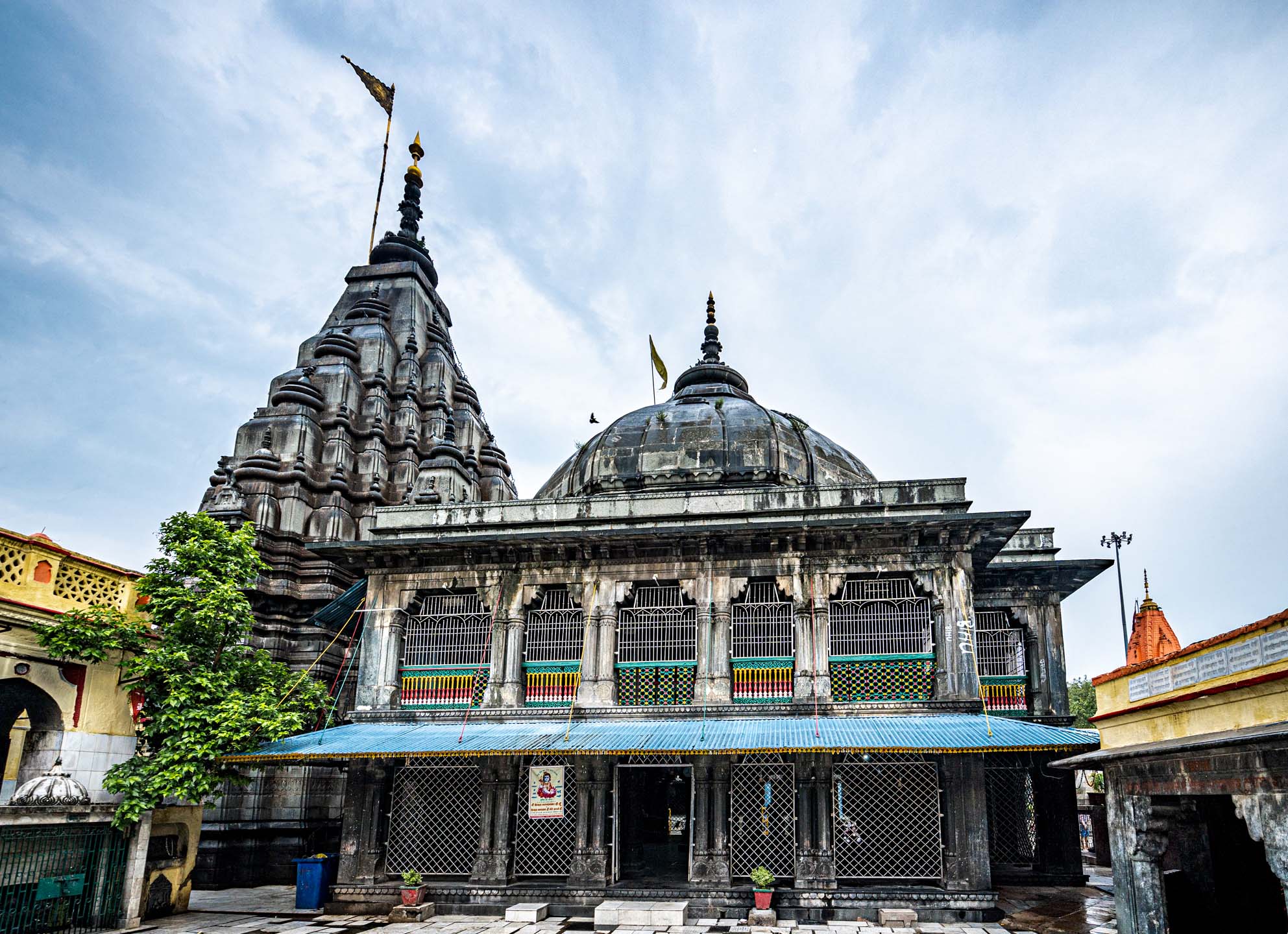
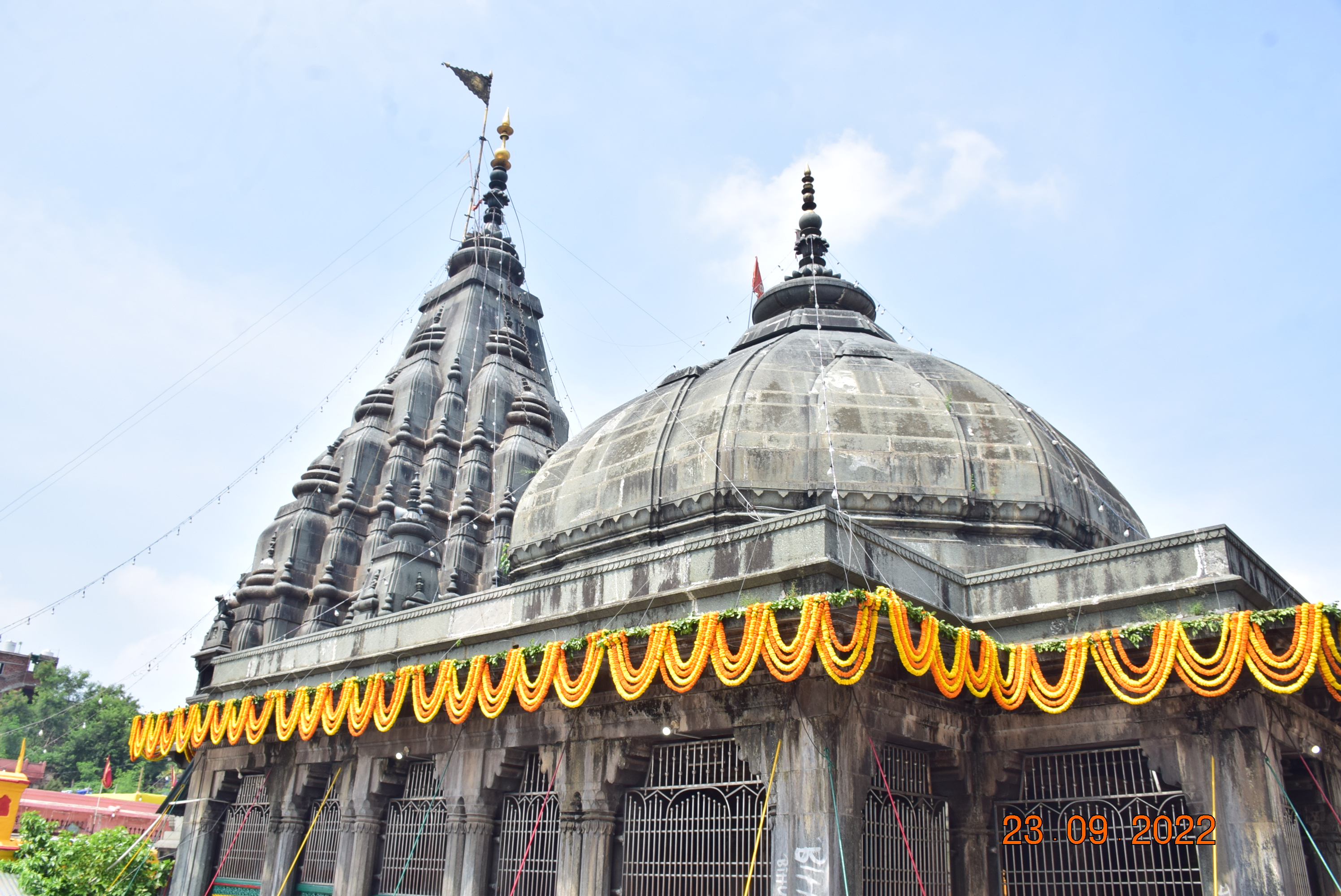
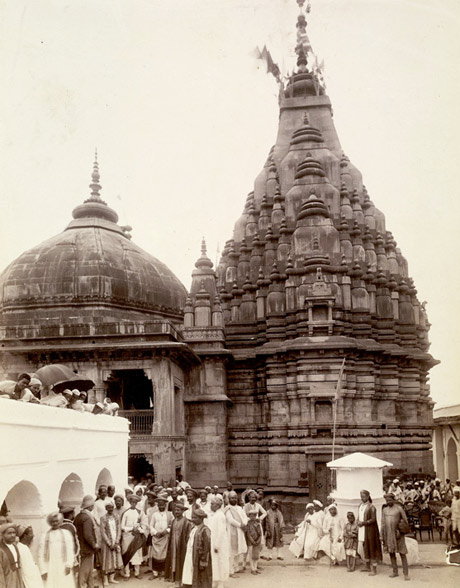
Vishnupad Temple
About Vishnupad Temple
The temple opens for darshan from 5:00 AM to 7:30 PM, with morning and evening aartis marking the principal times of worship. Visitors seeking a quieter, more meditative experience should arrive between 5:30 and 8:30 AM, when crowds are minimal and the atmosphere remains peaceful. The early morning hours also align with traditional practice, when many devotees prefer to undertake their spiritual observances.
Two formal aartis structure the day's worship—one in the morning and one in the evening. These ceremonies invite visitors to participate in the temple's rhythms of devotion, though specific timings for each aarti should be confirmed upon arrival or through prior enquiry.
Ancestral Rites and Pind Daan
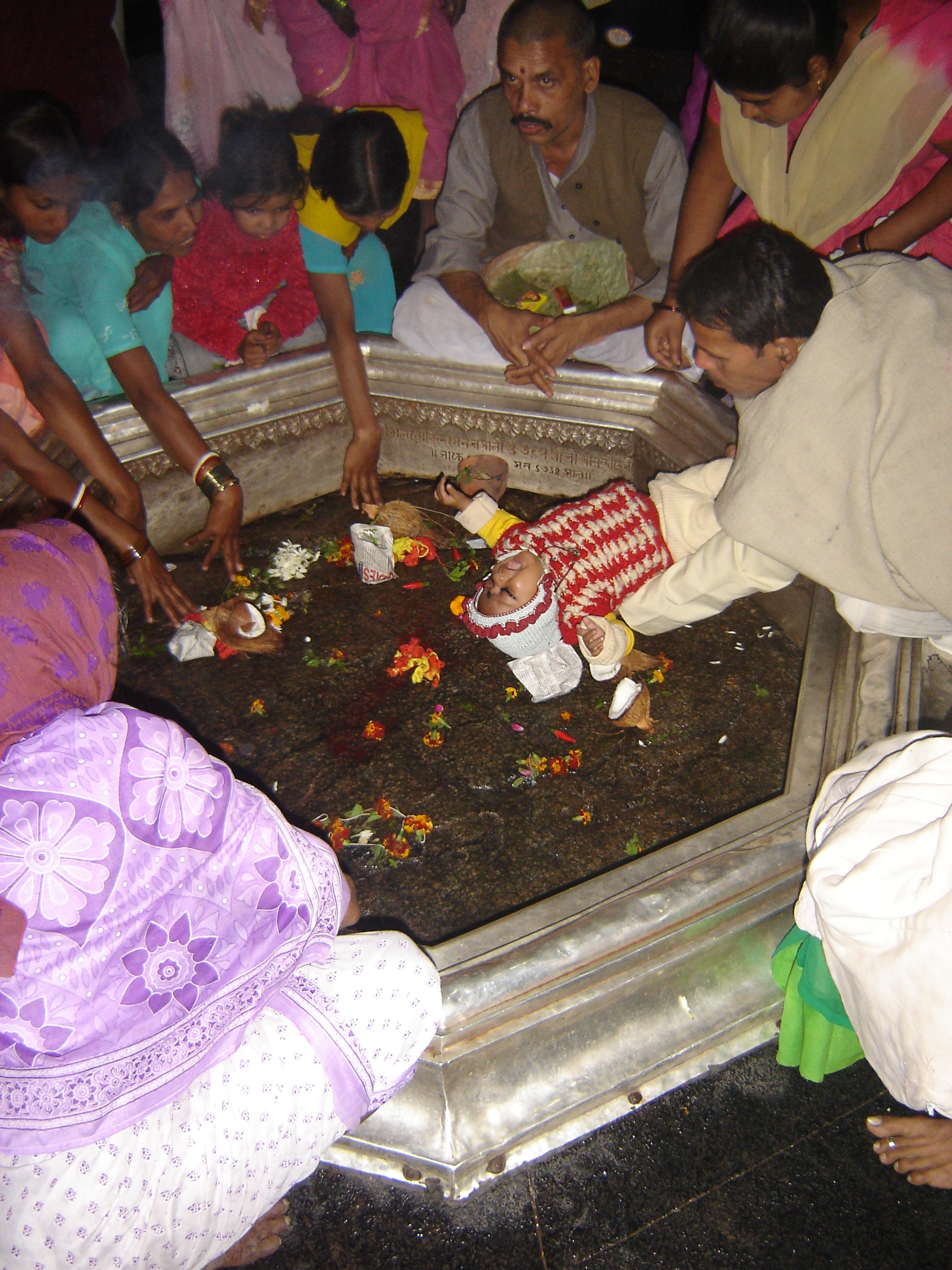
Vishnupad Temple holds particular importance as India's foremost centre for pind daan and other ancestral ceremonies. Pind daan—the ritual offering of rice balls to deceased ancestors—forms a central practice at this site, and the temple is specifically designed to facilitate these rites. The Phalgu river's presence enhances the ritual significance, as water plays an essential role in many ancestral observances within Hindu tradition.
Devotees come to perform shraddha rituals and address what is traditionally understood as pitra dosh (ancestral imbalance). The temple's infrastructure and priestly knowledge are oriented toward supporting these ceremonies, making it a destination of choice for families undertaking ancestral rites. Those planning to perform such rituals should arrange details in advance through the temple's coordination channels.
Best Times to Visit
The most comfortable season for visiting extends from October through March, when Bihar's weather is mild and conducive to travel and outdoor worship. Within this period, September through October holds particular significance as Pitru Paksha—the lunar fortnight traditionally dedicated to ancestral remembrance. During this time, the temple draws increased numbers of devotees performing pind daan and related ceremonies.
Those without specific ritual obligations may simply choose the cooler months for a more pleasant visit. The early morning hours, regardless of season, offer the advantage of fewer crowds and a more contemplative atmosphere for darshan.
Practical Information for Visitors
The temple is located at coordinates 24.6103°N, 85.0092°E in Gaya, Bihar. Gaya is well-connected by rail and road to major Indian cities, and local transport can bring visitors to the temple's entrance. The Phalgu river location is distinctive enough that local directions are generally reliable.
Visitors should dress modestly, as is customary at Hindu temples—covered shoulders and knees are appropriate. Footwear is typically removed before entering the inner sanctum. Those planning to perform rituals such as pind daan should contact the temple in advance to arrange for priestly assistance and to understand the specific requirements and timing of their chosen ceremony. The temple can be reached through official enquiry channels to confirm current timings, arrange VIP access if desired, and coordinate any ritual services needed.
The Gaya Pilgrimage Context
Vishnupad Temple functions as a major node within the broader Gaya pilgrimage tradition, which has drawn devotees for centuries. Its focus on ancestral rites and its riverside location connect it to the sacred geography of the region, where multiple sites serve complementary spiritual purposes. Pilgrims often combine a visit to Vishnupad with other observances in the Gaya area as part of a comprehensive ancestral pilgrimage.
How to reach
You may also visit
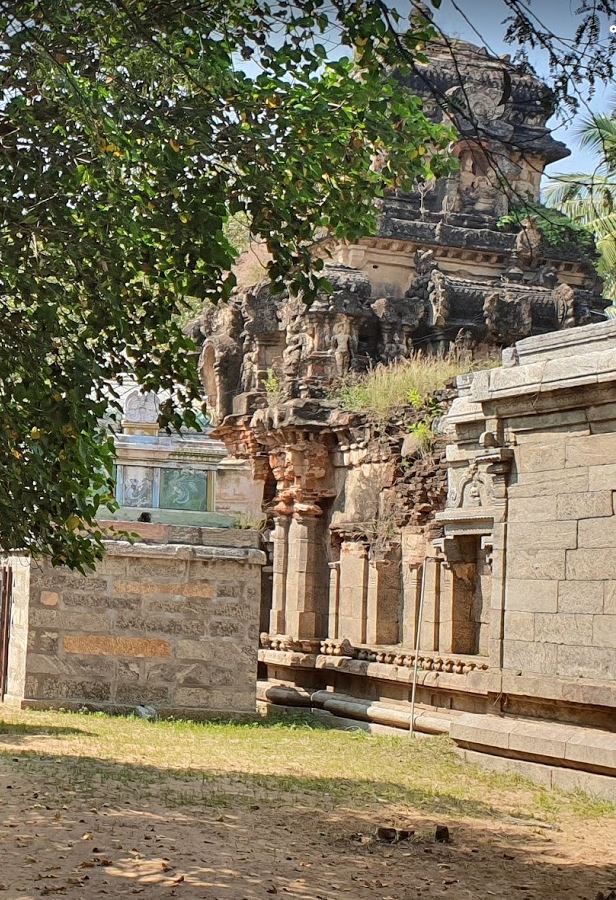
Agatheeswarar Temple, Karur
Agatheeswarar Temple in Thirumukkudalur, Karur district, is an ancient Hindu shrine dedicated to Shiva, situated at the sacred confluence of three rivers and believed to be over 1000 years old.
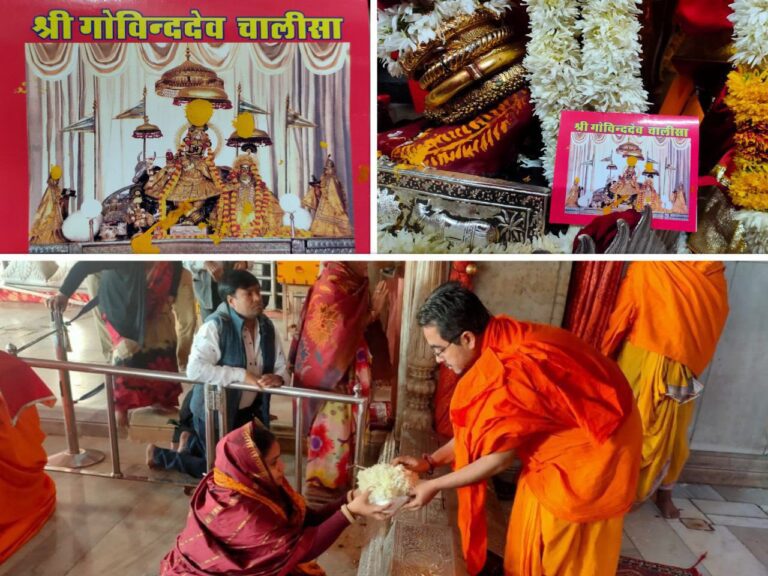
Kalyanji Temple
Kalyanji Temple in Jaipur's Chandpol Bazaar is an ancient Krishna shrine established in the 1820s, renowned for its seven daily aartis and special avatar darshan ceremonies during Akha Teej and Patottsav festivals.
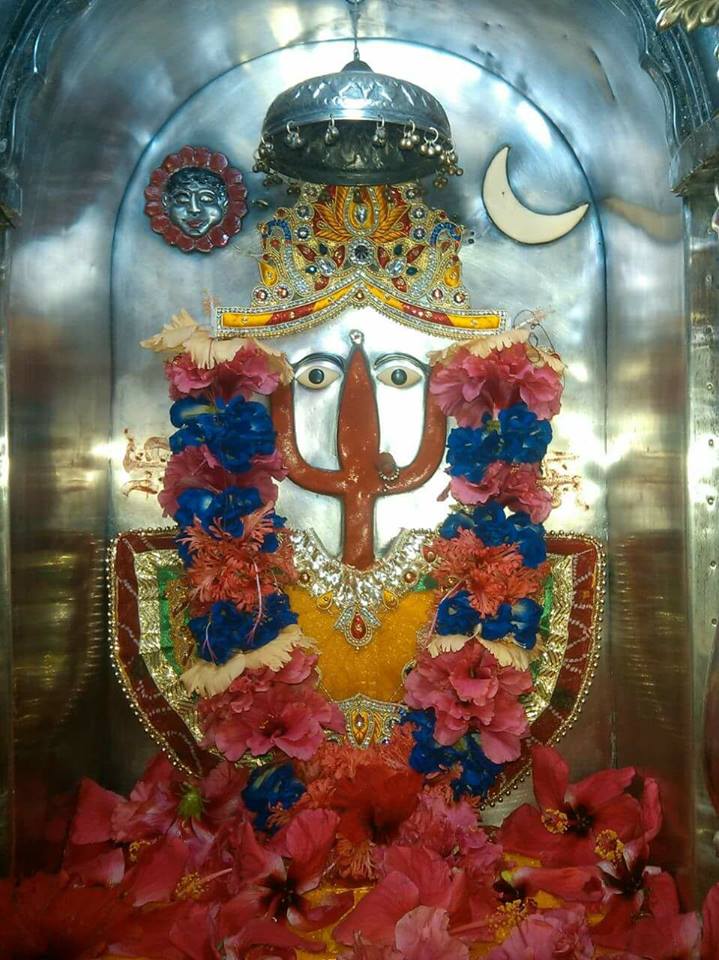
Rani Sati Mandir Mahuda
Rani Sati Mandir in Mahuda, Dhanbad District, is a Hindu temple established in 1992 that serves as a spiritual center for the local community and attracts devotees seeking blessings.