Vishahareswara Temple
About Vishahareswara Temple
The temple was established in the early 9th century during the Chola era, a period of considerable temple construction and religious patronage in Tamil Nadu. According to tradition, it is one of 108 Shiva temples built on the banks of the Kaveri by the Chola king Aditya I. This legendary association places the temple within a significant network of sacred sites along the river, and it stands as an ancient heritage symbol of the region's spiritual and cultural history.
Location and Access
The temple is situated in Kodandaramapuram village, Avanam Paruthiyur, Thiruvarur district, Tamil Nadu, at coordinates 10.878166666667, 79.513194444444. The Kudamurutti River, on whose banks the temple stands, is a distributary of the Kaveri, one of South India's most sacred waterways. Visitors should note the specific village location when planning travel, as the temple is not in a major urban centre. The nearest significant town is Thiruvarur district, and local enquiry or GPS navigation will be necessary for precise directions from major transport hubs.
Worship and Rituals
As a Shiva temple of the Chola period, the shrine follows traditional patterns of daily worship. Temples of this tradition typically conduct multiple ritual sessions throughout the day, beginning with early morning ceremonies and continuing through evening worship. The specific timings and ritual schedule at Vishahareswara Temple are not detailed in available sources, so visitors are advised to arrive during daylight hours and make local enquiry about darshan times upon arrival. The presence of both the primary deity and the consort suggests that worship encompasses both Shaivite and broader Hindu devotional practices.
Visiting the Temple
Visitors should dress modestly, as is customary at Hindu temples—men typically wear simple clothing or traditional dress, and women should cover shoulders and knees. Footwear is generally removed before entering the inner sanctum. The temple's location on the Kaveri's distributary may mean that water access is part of the site's character, and visitors may wish to observe the river as part of their visit. No specific facilities such as accommodation, food services, or formal visitor amenities are documented, so visitors should plan accordingly and bring water and refreshments if needed. Local villages in the area may offer basic services, but advance planning is recommended.
The Sacred Landscape
The temple's position on the banks of the Kudamurutti River connects it to the broader sacred geography of the Kaveri region. The river itself holds spiritual significance in Hindu tradition, and the choice of riverbank locations for these 108 temples reflects the importance of water and natural landscape in Shiva worship. The 9th-century construction date places the temple within a formative period of Tamil Nadu's temple architecture and religious life, making it a site of historical as well as spiritual interest for those studying the Chola period and the development of Hindu temple traditions.
How to reach
You may also visit
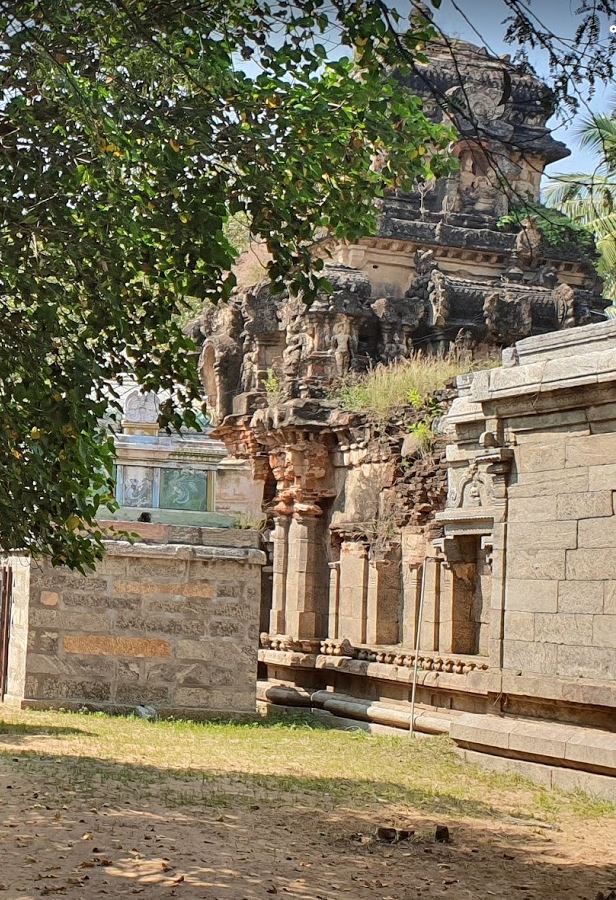
Agatheeswarar Temple, Karur
Agatheeswarar Temple in Thirumukkudalur, Karur district, is an ancient Hindu shrine dedicated to Shiva, situated at the sacred confluence of three rivers and believed to be over 1000 years old.

Kalyanji Temple
Kalyanji Temple in Jaipur's Chandpol Bazaar is an ancient Krishna shrine established in the 1820s, renowned for its seven daily aartis and special avatar darshan ceremonies during Akha Teej and Patottsav festivals.
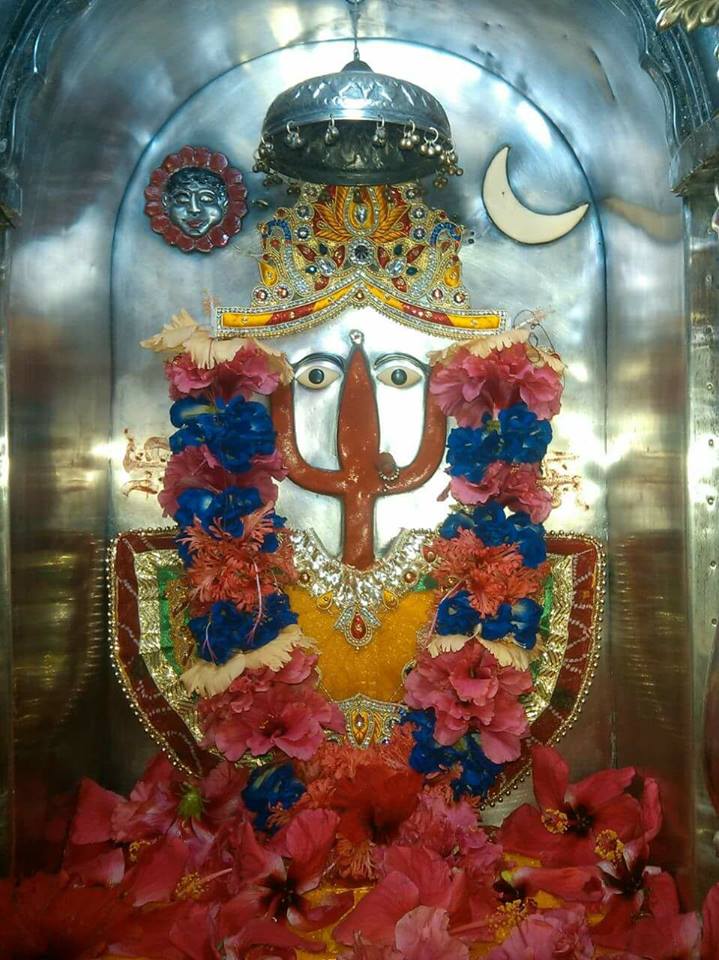
Rani Sati Mandir Mahuda
Rani Sati Mandir in Mahuda, Dhanbad District, is a Hindu temple established in 1992 that serves as a spiritual center for the local community and attracts devotees seeking blessings.