

Vilwanatheswarar temple
About Vilwanatheswarar temple
The temple was established during the 7th century, a period of considerable temple construction and religious development across South India. Its importance within Tamil Shaivism is marked by its inclusion in the Paadal Petra Sthalam—a classification given to temples revered in the Tevaram, the 7th century canonical Tamil Saiva work composed by the Nayanars, the Tamil saint poets. This recognition places Vilwanatheswarar among temples of enduring spiritual importance to devotees of this tradition. The Tevaram remains a foundational text for Tamil Shaiva worship, and temples mentioned within it continue to draw pilgrims seeking connection to this ancient devotional lineage.
Worship and Daily Practice
As a Shiva temple, Vilwanatheswarar follows the ritual patterns typical of Tamil Shaiva shrines. Shiva worship in such temples centers on the lingam, which devotees circumambulate and honor through offerings. The presence of Parvati as Vallambigai indicates the temple acknowledges the divine feminine principle alongside Shiva. Temples of this tradition typically conduct daily rituals including abhishekam (ritual bathing of the deity), archana (worship with flowers and prayers), and periods of darshan when devotees may view the sanctum. Specific timings for these rituals should be confirmed directly with the temple, as schedules vary by season and occasion.
Visiting the Temple
Thiruvalam is located in Vellore district at coordinates 12.98472222, 79.26638889. Visitors planning a trip should contact the temple in advance to confirm current darshan hours and any restrictions on entry. As with most Hindu temples, modest dress is expected—covering shoulders and knees is standard practice. Devotees typically remove footwear before entering the inner sanctum and maintain respectful silence during worship times. Photography policies vary; it is wise to ask permission before photographing the deity or inner shrine areas. The temple may have facilities for ritual offerings such as flowers, coconut, or incense, though availability should be verified beforehand.
Reaching Vilwanatheswarar
The temple sits within Vellore district, which is accessible by road from major towns in Tamil Nadu. Vellore city itself has road and rail connections to Chennai and other regional centers. From Vellore, local transport or taxi services can reach Thiruvalam village. Those traveling by rail should check connections to Vellore Junction. The specific distance and travel time from nearby towns should be confirmed with local transport providers or the temple directly, as road conditions and routes may vary seasonally.
Pilgrimage and Devotional Practice
Devotees visiting Vilwanatheswarar typically come as part of broader pilgrimage circuits through Tamil Nadu's Shaiva temples, particularly those recognized in the Tevaram. The temple's inclusion in this sacred geography makes it a destination for those following the devotional paths outlined in Tamil Shaiva literature. Pilgrims often make offerings of flowers, coconut, or other items according to personal practice and temple guidelines. The spiritual significance of the site rests on its continuous worship over more than thirteen centuries and its place within the living tradition of Tamil Shaivism.
How to reach
Temples near Vilwanatheswarar temple

Ratnagiri Murugan Temple
Ratnagiri Balamurugan Temple is a 14th-century hilltop shrine dedicated to Lord Murugan in Ranipet district, Tamil Nadu, where the deity is worshipped as Balasubramanya Swamy.
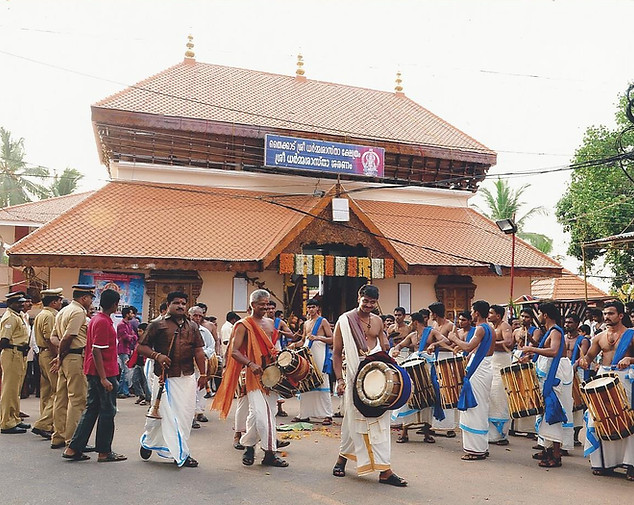
Walajapet Kasiviswanathar Temple
Kasiviswanathar Temple in Walajapet is a centuries-old Shiva shrine renowned for its spiritual significance and Dravidian architecture, attracting devotees seeking divine grace…
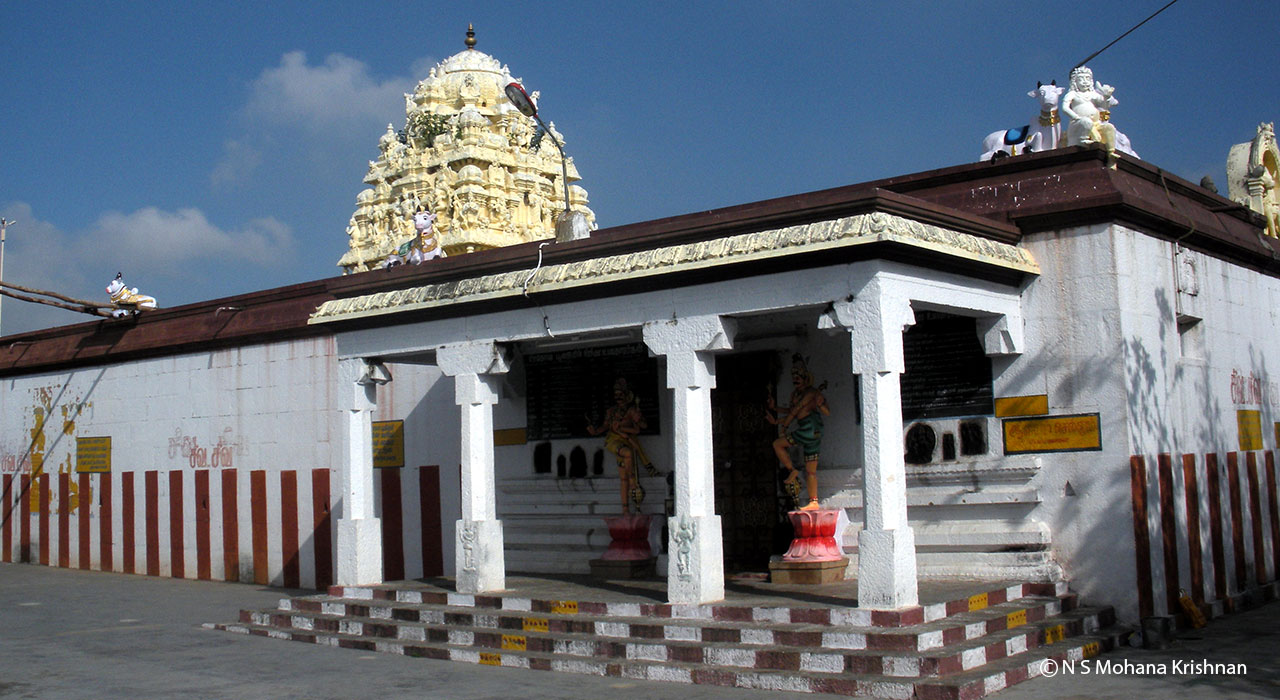
Vannivedu Agatheeswarar Temple
Sri Bhuwaneshwari Ambal Samedha Agatheeswarar Temple in Vannivedu, Ranipet District, is a Shiva temple dedicated to Lord Agatheeswarar with Goddess Bhuwaneshwari Ambal as the di…
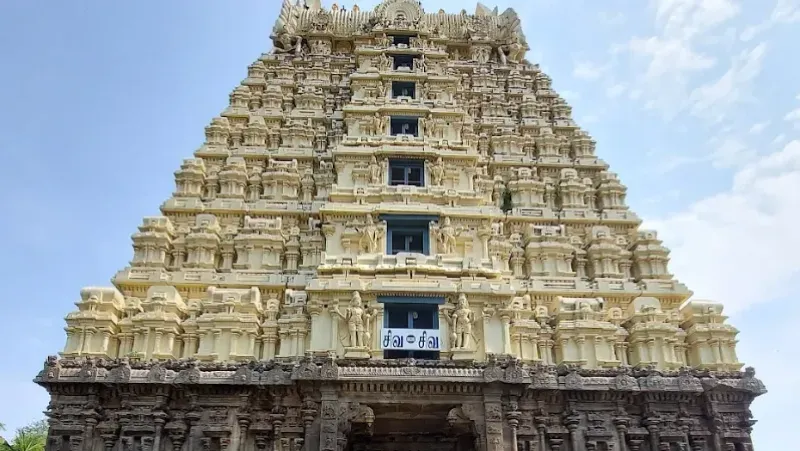
Jalakandeswarar Temple, Vellore
Jalakandeswarar Temple, dedicated to Lord Shiva, stands within Vellore Fort as a significant Vijayanagara-era shrine established in the 16th century, featuring intricate sculptu…
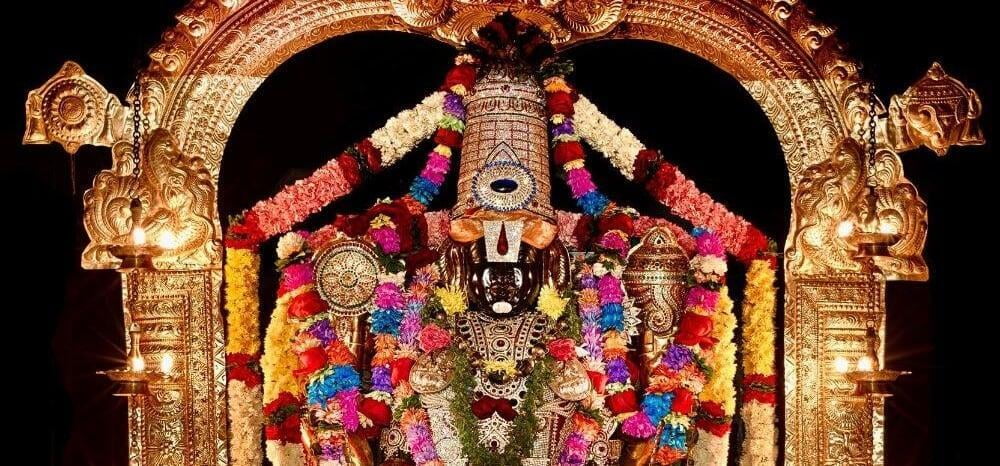
Venkata Krishna Temple
Sri Venkata Krishna Kshetra Temple in Tempe, Arizona, houses stone-carved idols of Lord Venkatesha as the presiding deity alongside Mahalakshmi, Hanuman, Garuda, Shiva, Ganapath…
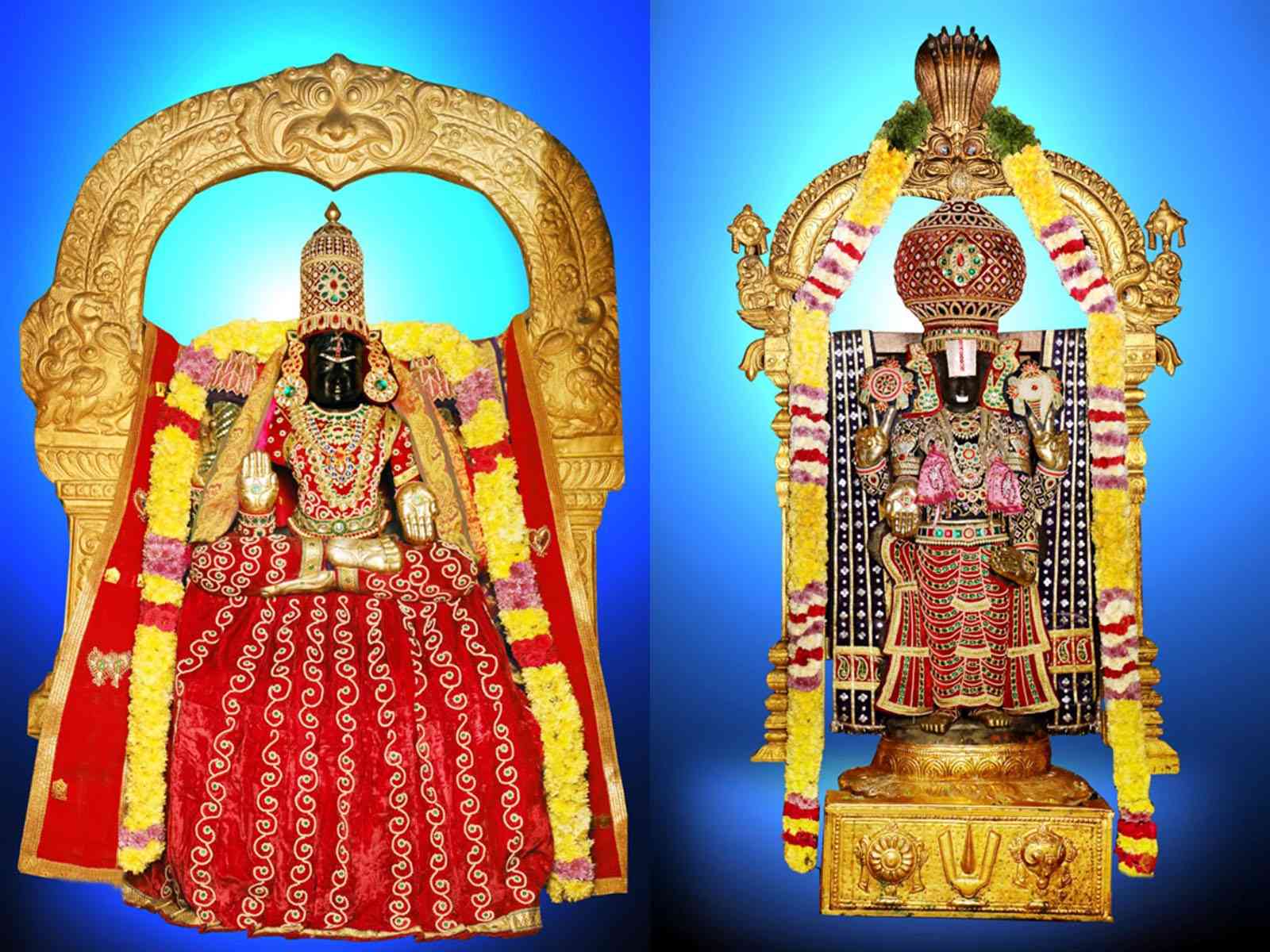
Arulmigu Prasanna Venkatesa Perumal Temple
The Arulmigu Prasanna Venkatesa Perumal Temple in Thirupparkadal, Ranipet district, Tamil Nadu, is a Vaishnavite shrine dedicated to Venkateshvara (Vishnu) and recognized as one…