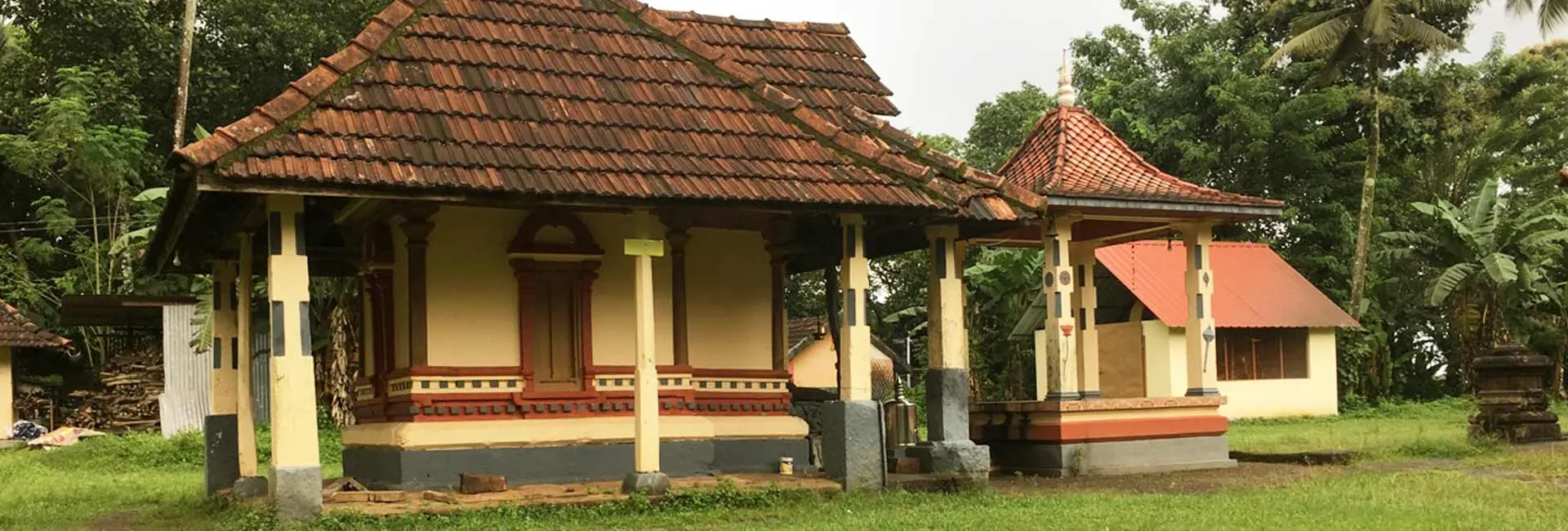
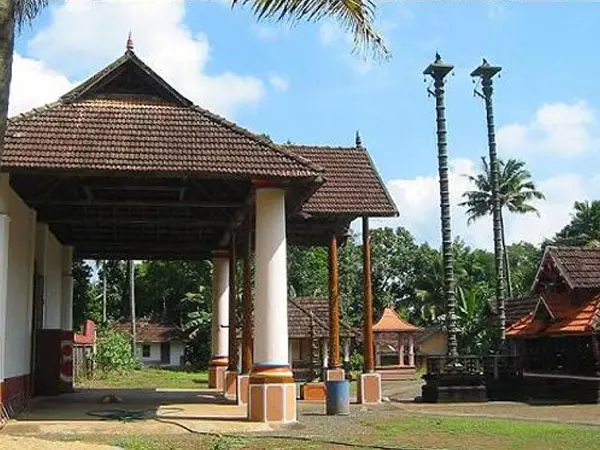
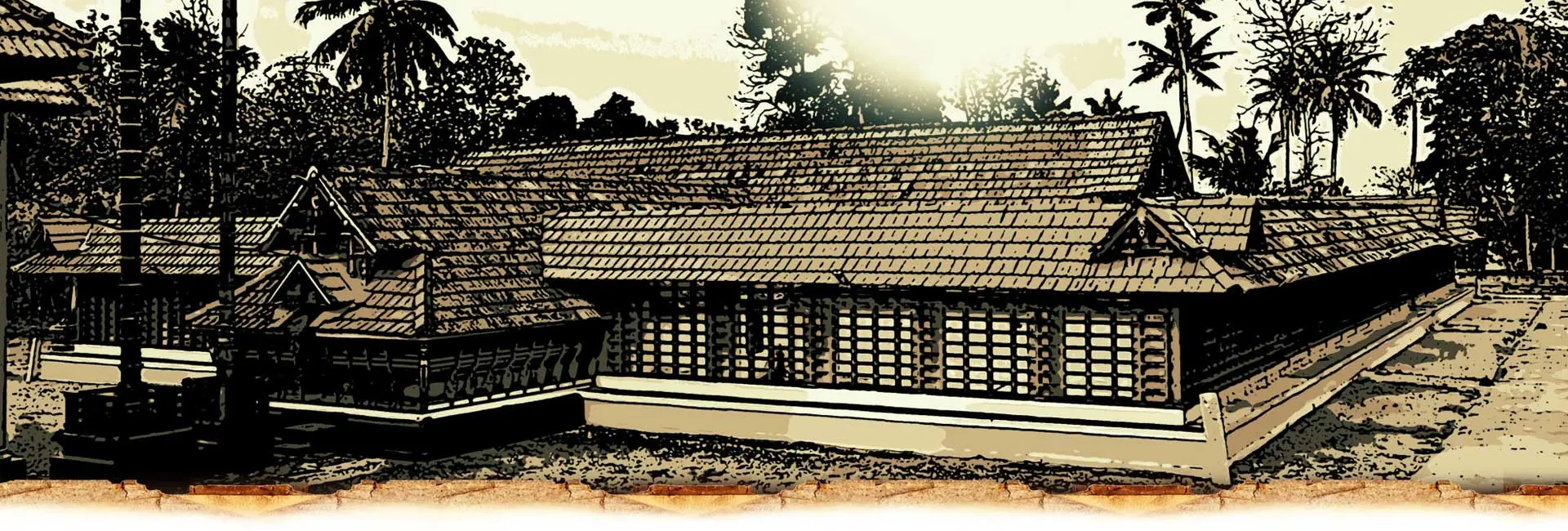
Vennimala Sri Rama Lakshmana Temple
About Vennimala Sri Rama Lakshmana Temple
Local tradition holds that during their period of exile, Lord Rama and Lakshmana visited this hillside, where numerous sages had established themselves in meditation within caves. According to the account, Lakshmana undertook to protect these ascetics by defeating demons that threatened their spiritual practice. This victory over demonic forces led to the hill being named Vijayadri in Sanskrit—meaning "hill of victory." The Malayalam rendering of this name, Vennimala, has persisted as the location's designation to the present day.
The narrative connects the temple to the broader Ramayana tradition while grounding it in the specific geography and spiritual history of Kerala's landscape. The caves mentioned in this account remain part of the temple's physical setting, though access to the largest cave, said to extend toward an ancient banyan tree near the temple, is now blocked by fallen boulders.
The Sacred Landscape
The temple occupies terrain marked by numerous water sources. Historically, more than sixty ponds and wells were scattered across the forested hill; approximately a dozen remain today, maintaining fresh water even during hot seasons. The temple tank, located roughly 100 metres from the main shrine, features rocky outcrops and is said to receive water from a sacred channel connected to the temple itself.
This abundance of water sources has shaped the temple's ritual calendar. Balikarmas—offerings made to ancestors and deities—take place during specific lunar days (Thulam and Karkidagam vavu days) at the temple tank. The presence of these natural water features reflects the hill's historical importance as a site of spiritual practice, where water would have been essential for both the sages' sustenance and their ritual observances.
Worship and Rituals
The temple follows the ritual traditions associated with Rama worship in Kerala's temple culture. Specific observances occur during designated lunar periods, with the temple tank serving as a focal point for certain ceremonial practices. The management structure through the Thazhaman Matom ensures that worship protocols are maintained according to established practice.
Devotees visiting the temple should be aware that verified information regarding daily darshan timings and specific ritual schedules is not currently documented in accessible sources. Prospective visitors are advised to contact the temple directly at +91 984 743 9251 to confirm current timings and any particular observances they wish to participate in.
Festivals and Observances
The temple observes major festivals within the Hindu calendar year. Rama Navami, celebrating the birth of Lord Rama, represents a significant occasion for devotees. The temple also marks Thulam and Karkidagam vavu days with specific ritual observances at the temple tank. Additional festivals observed at Rama temples across India—including Navratri, Dussehra, and Diwali—are likely observed here, though specific local practices should be confirmed with the temple.
Reaching the Temple
The temple is located approximately 2 kilometres south of Vellor in Kottayam district. From Kottayam town, take the K.K. Road toward Manarkad and turn right at the 8-mile marker; a signboard for Vennimala Temple marks the route. The journey from central Kottayam takes roughly 15 kilometres.
The hillside location means visitors should be prepared for terrain that may involve some walking. Appropriate footwear and modest dress—standard for Hindu temple visits—are advisable. The presence of caves and natural features on the hill adds to the site's character, though visitors should exercise caution on uneven ground. For specific information about accessibility, facilities, or any restrictions on visiting particular areas of the temple grounds, direct contact with the temple is recommended.
How to reach
Temples near Vennimala Sri Rama Lakshmana Temple

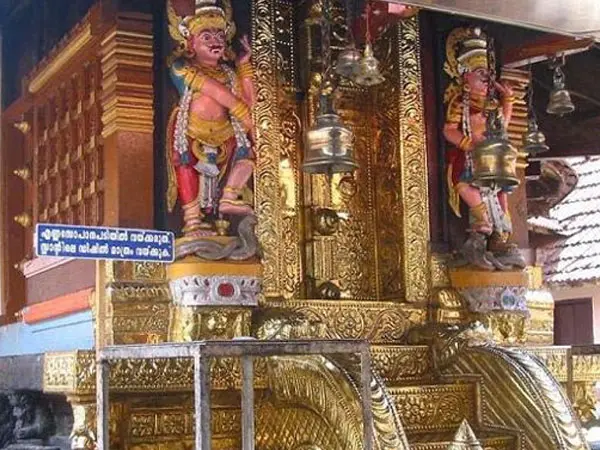
Panachikkadu Temple
Panachikkadu Temple, also known as Dakshina Mookambika Saraswathi Temple, is a Hindu shrine in Kottayam, Kerala, dedicated primarily to Goddess Saraswati with Lord Vishnu as the…
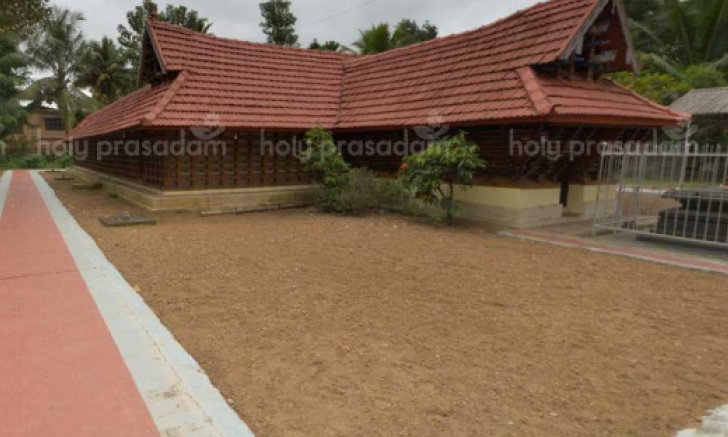
Puzhavathu Kottaram Temple
Puzhavath Kottaram Temple in Changanassery, Kerala houses a rare idol of Mahavishnu with a child, built by the Travancore Royal family between 1811-1815 to bless the Rani with h…
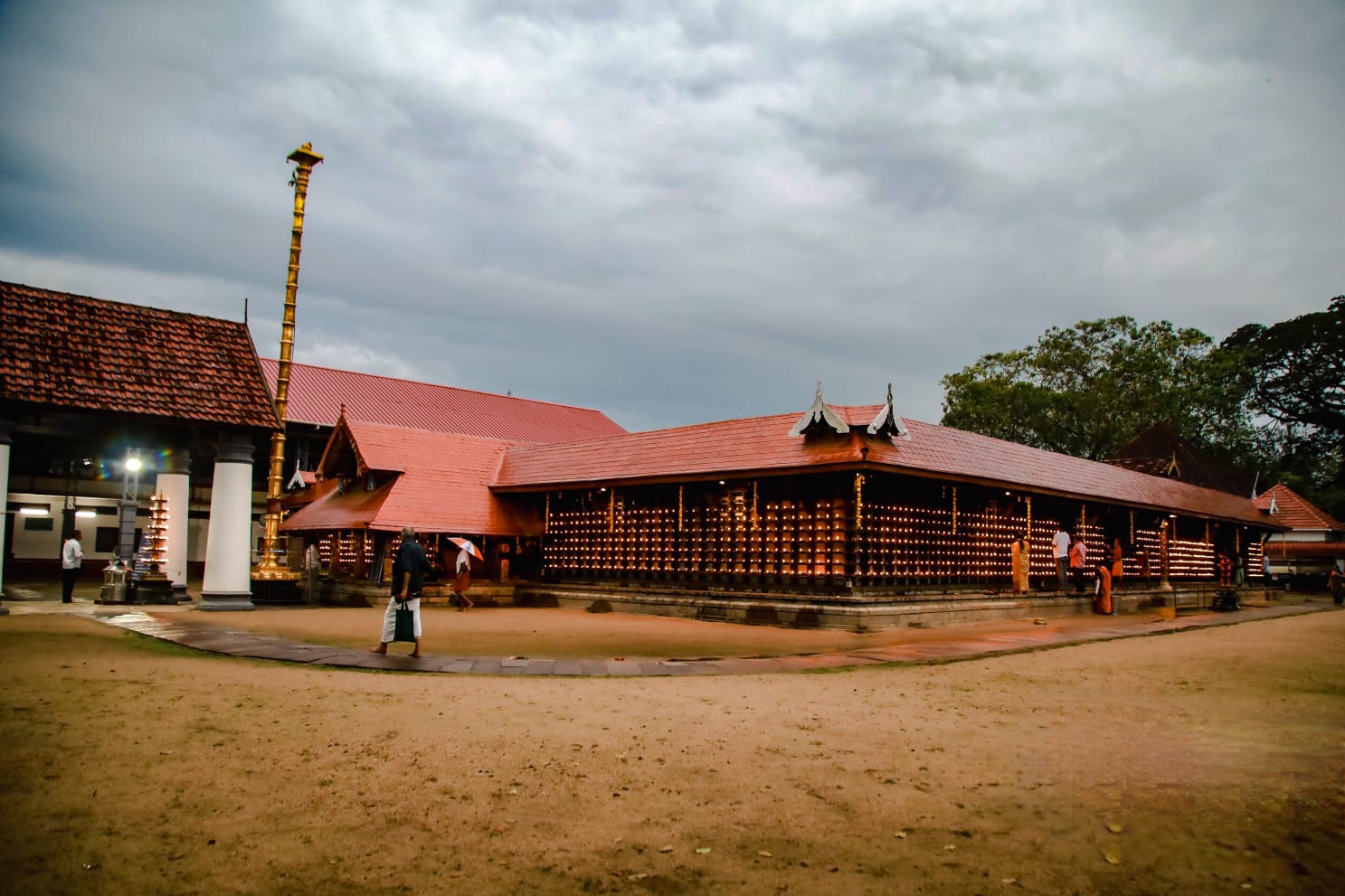
Ernakulam Siva Temple
Ernakulam Shiva Temple, also known as Ernakulathappan Temple, is a major Shiva temple in Kochi, Kerala, serving as the city's presiding deity and one of the seven royal temples…
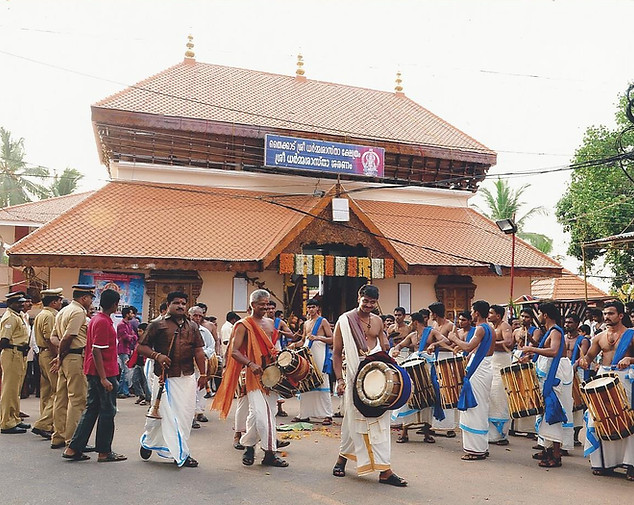
Thiruvarppu Siva Temple
Thiruvarppu Siva Temple is a traditional Kerala Shiva shrine featuring a sanctum and gopuram, located in Thiruvarppu. The temple celebrates major festivals including Guru Purnim…
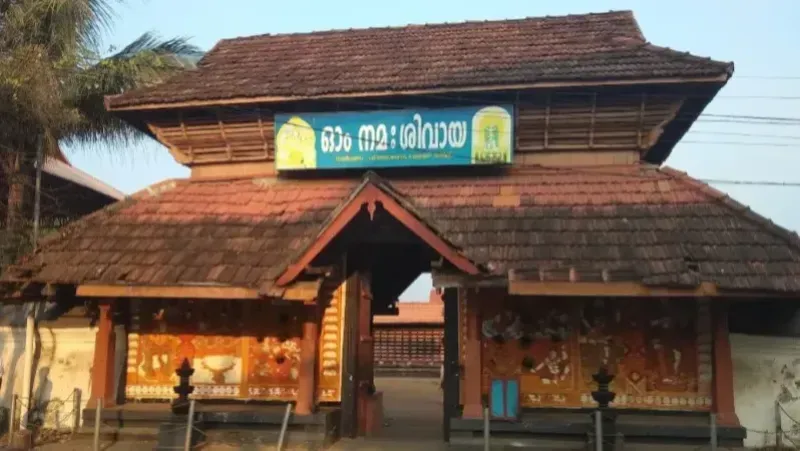
Thirunakkara Sree Mahadeva Temple, Kottayam
Thirunakkara Sree Mahadeva Temple is a 500-year-old Shiva temple in Kottayam, Kerala, built by the Thekkumkoor Maharajah and renowned for its vibrant murals and traditional Kera…
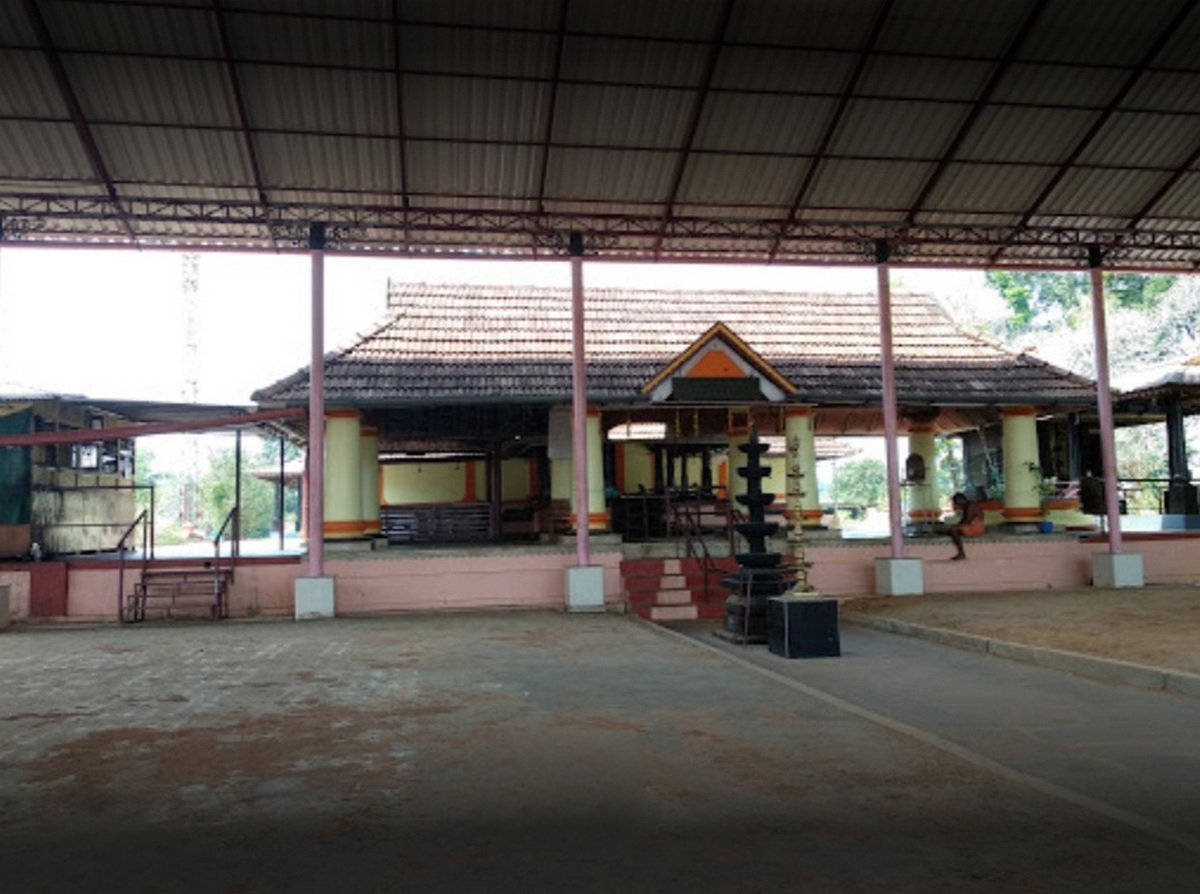
Anicad Sree Bhagavathi Temple
Anicad Sree Bhagavathi Temple is a prominent Hindu shrine dedicated to Goddess Bhadrakali, situated atop a hill in Kottayam, Kerala. The temple is renowned for its Meena Bharani…