Varadharaja Perumal Temple, Puducherry
About Varadharaja Perumal Temple, Puducherry
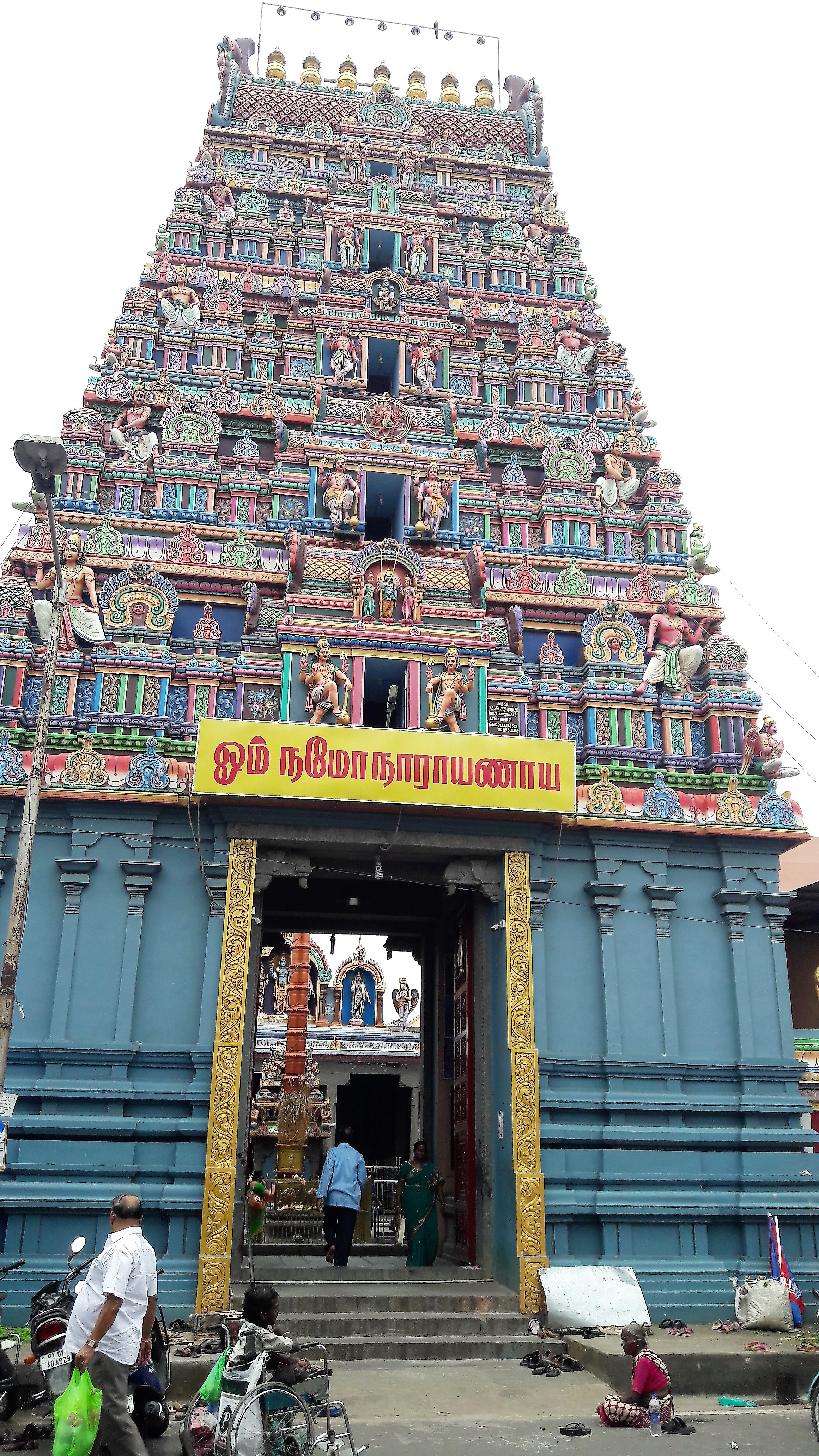
Dating to the 11th century, this temple represents a significant period in South Indian religious architecture. The structure was originally built by the Cholas and later came under the patronage of the Pandyas, making it a combined architectural achievement of both dynasties. The temple thus embodies the Dravidian style characteristic of this era, with ornate gopurams and sculptured towers that remain notable for their craftsmanship.
The architectural vocabulary here echoes that of other temples from the same period and region—similarities can be traced to the Vedhapureeshwarar Temple in Thiruverkadu, Tamil Nadu. Within the temple grounds stands a 5-foot-tall statue of Lord Varadaraja, discovered by archaeologists. The sacred Pushkarani tank features 83 spring holes and 12 wells; the waters are traditionally believed to hold healing properties. These elements together create a physical space that reflects centuries of devotional practice and architectural refinement.
Daily Worship and Darshan
The temple opens at 6:00 am and closes at noon, then reopens at 4:00 pm until 9:00 pm daily. Four principal rituals structure the day: Kalasanthi Pooja at 7:30 am, Ucchikalam Pooja at 11:45 am, Sayarakchai Pooja at 5:30 pm, and Arthajama Pooja at 8:45 pm. Visitors may time their visit to coincide with these observances, though timings may vary on festival days.
Entry to the temple is free. Visitors should dress modestly, as is customary at Hindu temples; women typically wear salwar kameez, sarees, or equivalent modest clothing, while men wear dhotis or simple trousers and shirts. Shoes are generally left outside the sanctum. Photography policies vary; it is best to inquire at the temple office before photographing the inner sanctum or rituals.
Ceremonies and Festivals
The temple is particularly known for hosting Annaprasanam ceremonies, in which parents bring infants for their first rice meal in the presence of the deity. This practice reflects a widespread belief that such a milestone observed within a sacred space supports the child's wellbeing and development.
The temple celebrates Ram Navami in April with grand observances. Other significant festivals observed here include Pavithra, Vaikunta Ekadasi, Kodandaramar, Panguni, and Purattasi. These festivals draw both devotees and visitors, offering occasions to witness the temple's ritual life at its most elaborate. Specific dates and details of festival celebrations can be confirmed by contacting the temple office.
Practical Information for Visitors
The temple is located at Mahatma Gandhi Road in the heritage town region of Puducherry, at coordinates 11.9408°N, 79.8300°E. The temple office can be reached at 0413 222 4340 for inquiries about timings, ceremonies, or festival schedules. There is no entry fee.
Puducherry's heritage town is walkable and accessible by local transport. Visitors planning to spend time in the area will find the temple situated within a district rich in colonial and religious architecture. A visit of 30 minutes to an hour allows time for darshan and quiet reflection, though those wishing to participate in or observe a full ritual may wish to allow longer.
How to reach
You may also visit
Agatheeswarar Temple, Karur
Agatheeswarar Temple in Thirumukkudalur, Karur district, is an ancient Hindu shrine dedicated to Shiva, situated at the sacred confluence of three rivers and believed to be over 1000 years old.
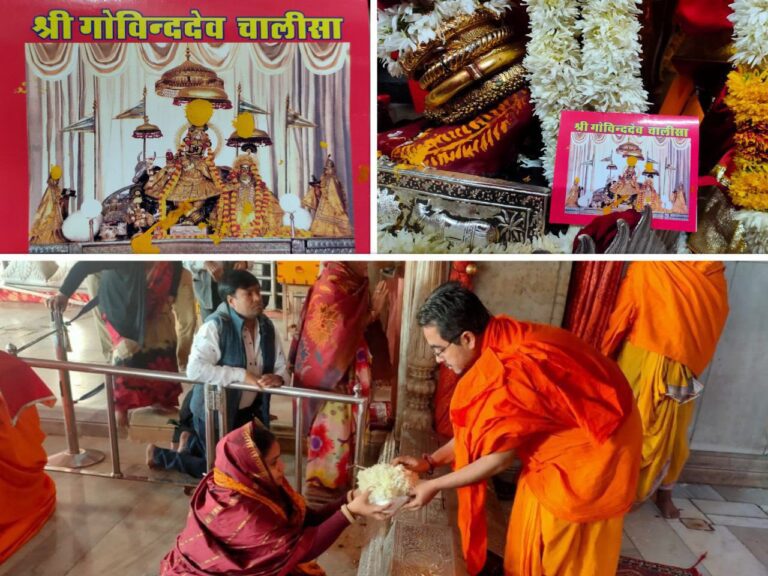
Kalyanji Temple
Kalyanji Temple in Jaipur's Chandpol Bazaar is an ancient Krishna shrine established in the 1820s, renowned for its seven daily aartis and special avatar darshan ceremonies during Akha Teej and Patottsav festivals.
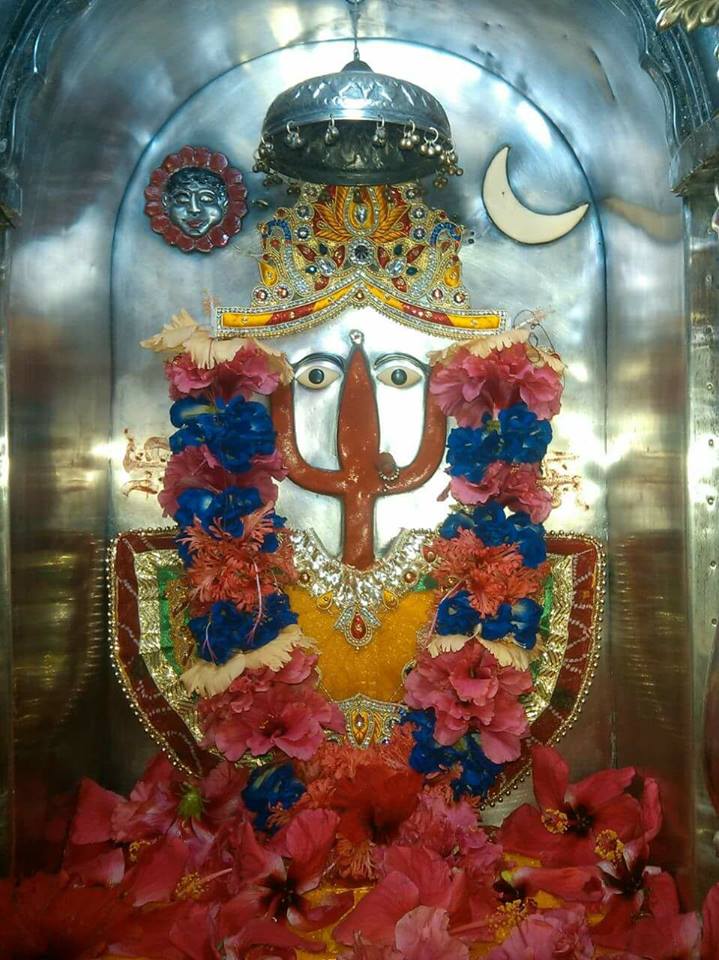
Rani Sati Mandir Mahuda
Rani Sati Mandir in Mahuda, Dhanbad District, is a Hindu temple established in 1992 that serves as a spiritual center for the local community and attracts devotees seeking blessings.