
Thrikkakara Temple
About Thrikkakara Temple
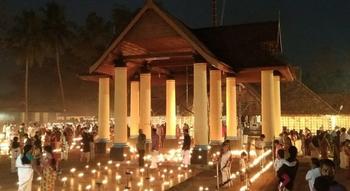
The temple opens at 4:30 AM and closes at 8:30 PM on regular days. Darshan—the viewing of the deity—is available in two windows: morning from 4:30 to 11:30 AM, and evening from 5:30 to 8:30 PM. The temple remains closed between these sessions for ritual maintenance and cleaning.
Four principal rituals structure the day. Nirmalya Darshan at 4:30 AM offers the first viewing, considered especially auspicious in the pre-dawn hours. Usha Puja, the morning worship of Lord Vamana, follows at 5:30 AM. Pantheeradi Puja occurs at 11:00 AM at midday. The day concludes with Deeparadhana, the evening lamp ceremony, at 7:00 PM. General darshan is free for all visitors. Those wishing to participate in personal prayers may arrange an Archana (ritual invocation of the deity's names) at modest cost, typically between ₹51 and ₹201. The Sahasranama Archana, in which priests chant the thousand names of Vishnu, is also available for those seeking a more elaborate ritual engagement.
Onam: The Festival of Origin
Thrikkakara holds unique significance as the mythological origin point of Onam, Kerala's most important festival. During the ten-day Onam period, typically falling in August and September, the temple's rituals extend across all ten days. The Thiruvonam day—the festival's climax—features the most sacred observance: simultaneous worship of both Lord Vamana and the Mahabali idol. This dual worship, found nowhere else in Kerala, makes the Onam Puja at Thrikkakara considered the most authentic Onam ritual in the state. Visitors seeking to experience Onam at its source should plan their visit during these months, though they should verify exact festival dates with the temple, as schedules may shift.
Planning Your Visit
The most comfortable season to visit is October through March, when Kerala's climate is cooler and less humid. The temple is easily accessible by road in Thrikkakara, Ernakulam District, at coordinates 10.0356, 76.33. Visitors should arrive early during morning darshan if they wish to avoid crowds, which typically build toward midday. Modest dress is customary at Hindu temples; women often wear sarees or salwar kameez, while men wear dhotis or simple trousers and shirts. Shoes are removed before entering the sanctum. Photography policies vary; it is wise to ask temple staff before photographing rituals or the inner sanctum.
The temple does not charge admission for general darshan, making it accessible to all. Those planning to participate in special pujas or sevas should contact the temple in advance to arrange these offerings and confirm current pricing. Temple schedules may change during festivals or for special rituals, so verification before travel is advisable.
How to reach
You may also visit
Kalyanji Temple
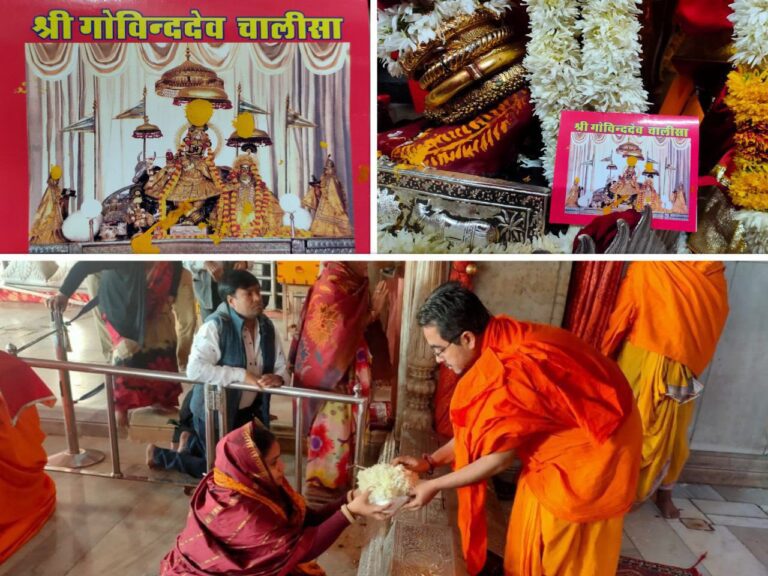
Kalyanji Temple in Jaipur's Chandpol Bazaar is approximately two centuries old and renowned for displaying the twenty-four avatars of Krishna, visible only twice yearly during Akha Teej and Patottsav festival.
Sastha (Ayyappan) Temple
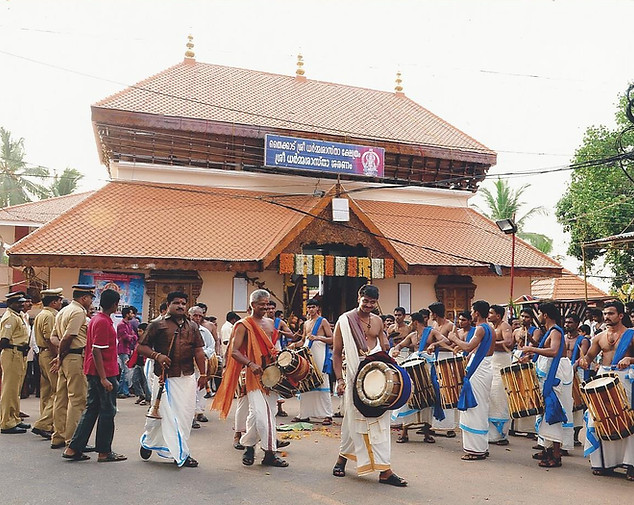
Sree Dharma Sastha Temple in Thycaud, Thiruvananthapuram, is a centuries-old shrine where the deity manifests as Dhanwanthari, the divine healer, holding the sacred blue lotus.
Govindarajaswamy Temple
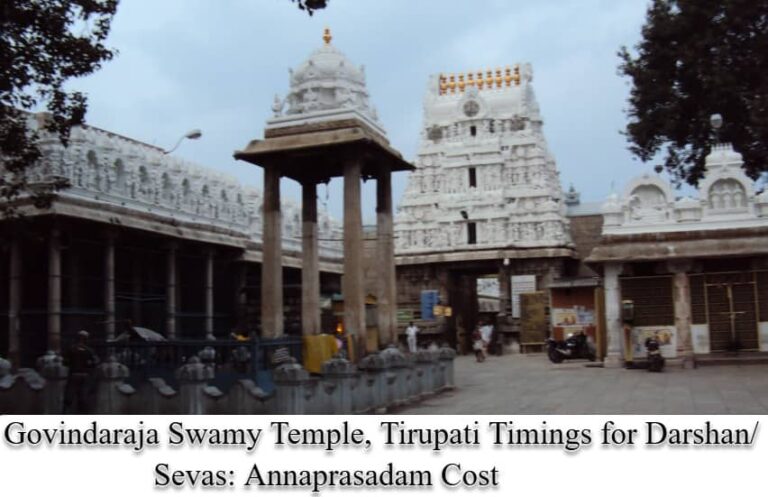
Sri Govindarajaswamy Temple in Tirupati is an ancient Vaishnavaite shrine consecrated in 1130 AD by Saint Ramanuja, where the presiding deity rests in eternal Yoga Nidra on the serpent Adisesha.