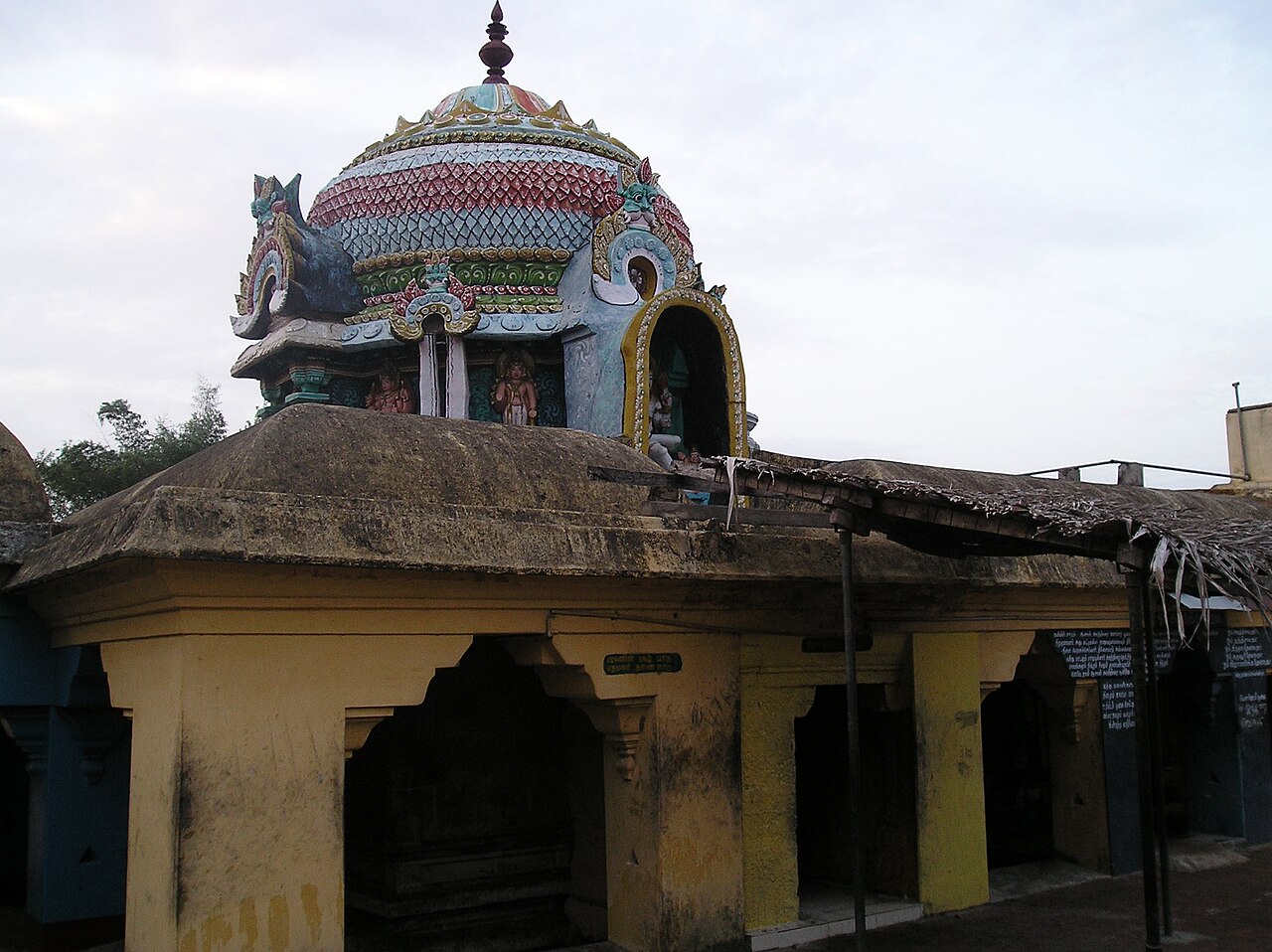
Thenkurangaduthurai Temple
About Thenkurangaduthurai Temple
The temple's origins trace to the medieval Chola period, a time of significant temple construction and patronage in Tamil Nadu. Tradition holds that the temple was built by Sembiyan Mahadevi, a Chola queen whose patronage of Shaiva temples left a lasting mark on the region's religious landscape. The temple contains approximately fifteen inscriptions from various Chola rulers, including Parantaka II, Rajaraja I, Kulothunga I, and Virarajendra, providing documentary evidence of its historical importance and the successive generations of royal support it received.
The present structure incorporates later architectural additions, though its core belongs to the medieval Chola tradition. Among its notable historical features is an early bronze image of Nataraja and a stone image, both traditionally associated with Sembiyan Mahadevi's patronage. The temple also contains an Appar Arangam, a shrine or gathering space dedicated to the nayanar Appar, positioned near the temple's flagstaff. The temple is currently maintained by Thiruvaduthurai Adheenam, a Saiva monastic institution that oversees its religious and administrative functions.
Visiting Hours and Practical Information
The temple is open for darshan during two daily periods: morning hours from 7:30 AM to 12:00 PM and evening hours from 5:30 PM to 8:30 PM. The best season for visiting is October through March, when the climate is more comfortable for pilgrimage. Photography is not permitted within the temple premises, so visitors should plan accordingly if they wish to document their visit through memory and sketches rather than photographs.
The temple is located in Aduthurai, Thanjavur district, approximately 2 kilometres from Aduthurai Railway Station, making it accessible by rail. Visitors planning to explore the broader Paadal Petra Sthalam circuit will find this temple well-positioned for combination with nearby temples around Thiruvavaduthurai, Kumbakonam, and Mayiladuthurai.
What to Observe During Your Visit
Devotees and visitors with an interest in Chola history should take time to examine the temple's inscriptions and architectural details, which document centuries of royal patronage and religious practice. The gopuram, the Nandi (sacred bull) sculpture, the mandapas (pillared halls), and the traditional depictions related to Sugriva's worship of Shiva are particularly noteworthy features. The temple's connection to the Ramayana narrative—through Sugriva, Rama, and Hanuman—offers an additional layer of significance for those familiar with these traditions.
For those following the Paadal Petra Sthalam pilgrimage route, this temple represents an important waypoint. Morning visits are generally quieter and may offer a more contemplative darshan experience. Visitors should dress modestly, as is customary at Hindu temples, and be prepared to remove footwear before entering the inner sanctum.
Festivals and Observances
While specific festival dates are not detailed in available sources, the temple observes several significant annual occasions. Masimagam and Aippasi Annabhishekam are noted as important festivals at this temple. Mahashivaratri and Panguni Uthiram, major festivals in the Shaiva calendar, are also observed here. Devotees planning their visit around these occasions should contact the temple directly, as festival days typically feature extended hours and special rituals that differ from the standard darshan schedule.
Getting There
Aduthurai Railway Station is located approximately 2 kilometres from the temple, making rail travel a viable option for visitors. The temple's address is Aduthurai, Thanjavur district, Tamil Nadu. For specific directions and current travel information, visitors can reference the temple's location coordinates or contact the temple directly at the provided phone number before planning their journey.
How to reach
You may also visit
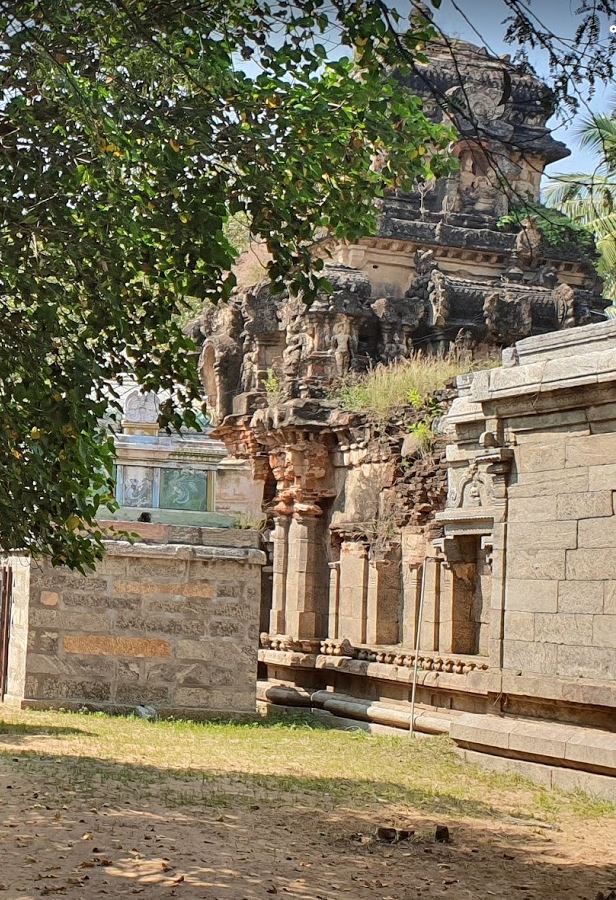
Agatheeswarar Temple, Karur
Agatheeswarar Temple in Thirumukkudalur, Karur district, is an ancient Hindu shrine dedicated to Shiva, situated at the sacred confluence of three rivers and believed to be over 1000 years old.
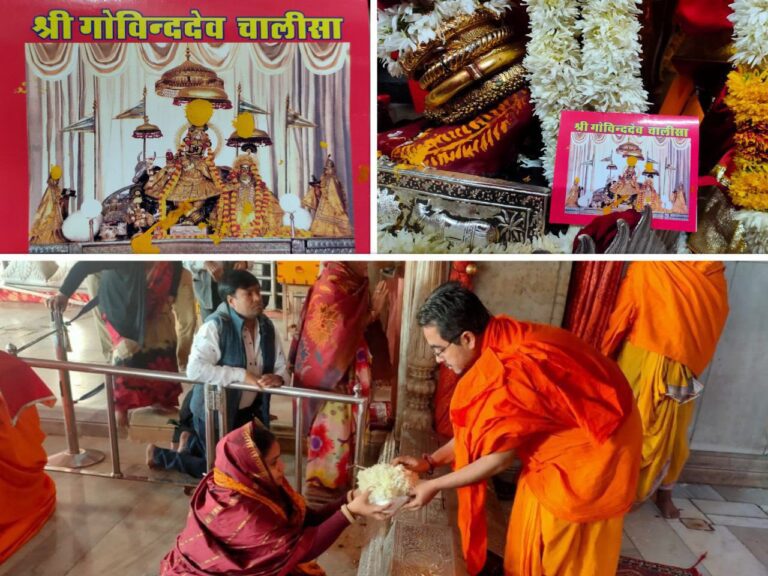
Kalyanji Temple
Kalyanji Temple in Jaipur's Chandpol Bazaar is an ancient Krishna shrine established in the 1820s, renowned for its seven daily aartis and special avatar darshan ceremonies during Akha Teej and Patottsav festivals.
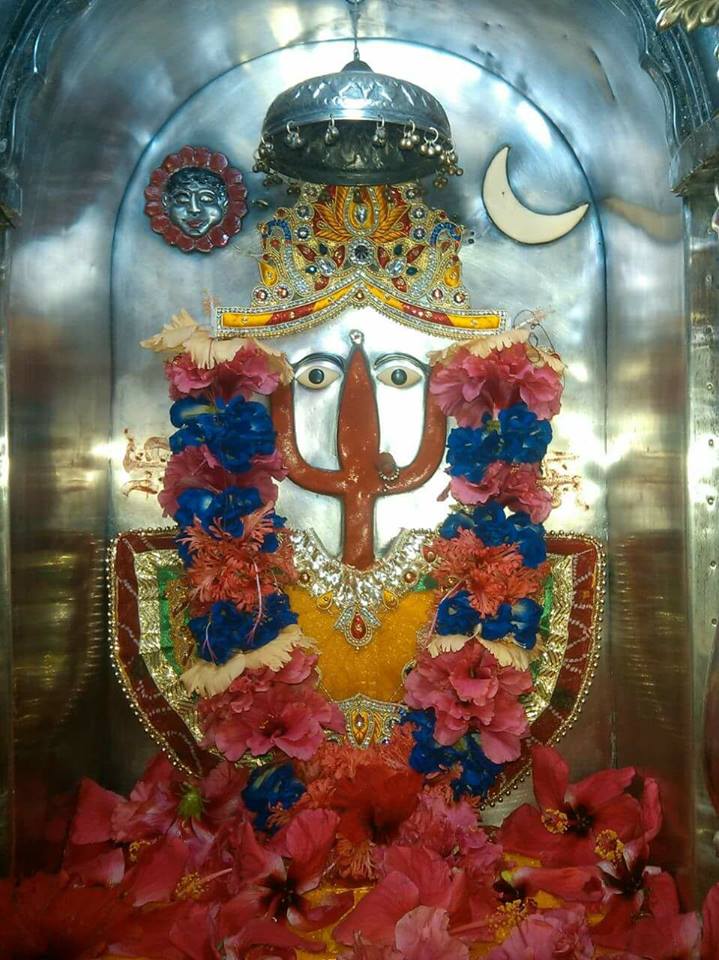
Rani Sati Mandir Mahuda
Rani Sati Mandir in Mahuda, Dhanbad District, is a Hindu temple established in 1992 that serves as a spiritual center for the local community and attracts devotees seeking blessings.