


Sri Vetrimalai Murugan Temple
About Sri Vetrimalai Murugan Temple
The temple was established in the 1970s by members of the Tamil community who had settled in the Andamans. Its architecture follows the modern Dravidian style, a contemporary interpretation of the classical temple forms of South India. Rather than the elaborate stone carving of ancient temples, this structure reflects the building practices and aesthetic choices of its era. The hilltop location itself contributes to the temple's character, offering both a commanding presence in the local landscape and a setting that connects the worship space to the natural environment of the islands.
Daily Worship and Darshan
The temple opens for darshan from 6:00 AM to 12:00 PM in the morning, and again from 4:00 PM to 8:00 PM in the evening. Morning and evening aartis are performed daily, marking the principal ritual moments of the day. Visitors should plan their visit within these windows, keeping in mind that temple schedules may shift during festival periods or for special observances. No entry fee is charged. As with most Hindu temples, visitors are expected to remove footwear before entering the sanctum and to dress modestly—covering shoulders and knees is customary. Photography policies may vary; it is respectful to ask permission before photographing the deity or rituals.
Festivals Through the Year
The temple celebrates several significant festivals in the Tamil Hindu calendar. Thai Poosam, observed in January or February, honors Murugan with special ceremonies. Panguni Uthiram, falling in March or April, is another major observance. Skanda Shasti, dedicated to Murugan's victory over evil, is marked with particular devotion. These festivals typically draw larger crowds and may feature extended rituals and special offerings. Visitors planning to attend festival celebrations should confirm exact dates in advance, as the lunar calendar determines their timing each year.
When to Visit
The best season to visit Port Blair and the temple is October through March, when the climate is cooler and more comfortable for travel. The monsoon season brings heavy rainfall and can make island travel challenging. During the peak tourist months, the temple may see increased visitor numbers, though it remains a working place of worship rather than a major tourist attraction. Early morning visits tend to be quieter and allow for more focused darshan.
Practical Information for Visitors
The temple is located in the Haddo area of Port Blair at coordinates 11.6631, 92.7464. The address is Haddo, Port Blair, Andaman and Nicobar Islands 744102. Port Blair is accessible by air and sea; most visitors arrive by flight. From the airport or harbor, local transport—auto-rickshaws or taxis—can bring you to Haddo. The temple's hilltop setting means a short walk uphill from the road. Facilities at the temple itself are basic; there are no restaurants or shops immediately adjacent. Visitors should carry water and plan accordingly. For specific inquiries about special pujas, seva arrangements, or to confirm current timings, contact details are available through local temple coordination services.
How to reach
You may also visit
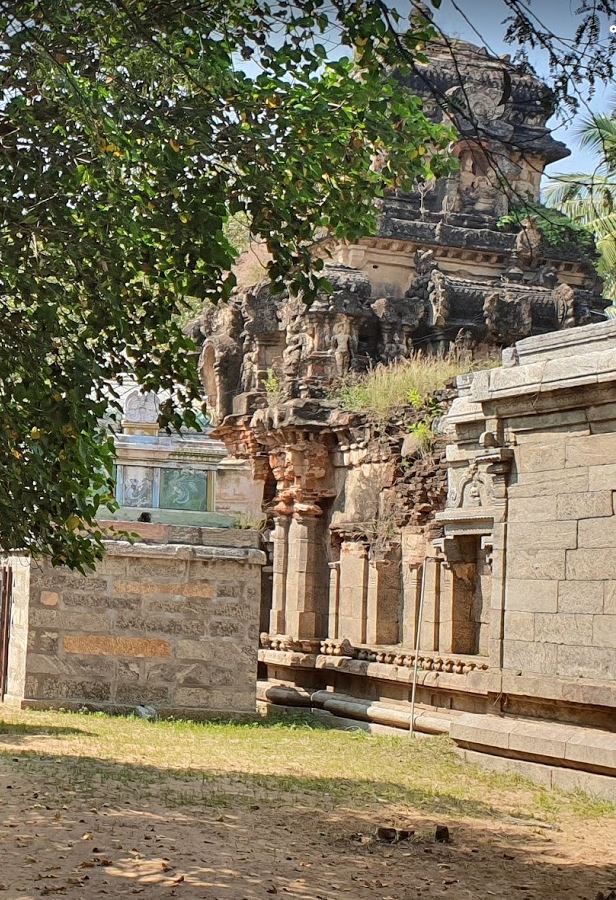
Agatheeswarar Temple, Karur
Agatheeswarar Temple in Thirumukkudalur, Karur district, is an ancient Hindu shrine dedicated to Shiva, situated at the sacred confluence of three rivers and believed to be over 1000 years old.
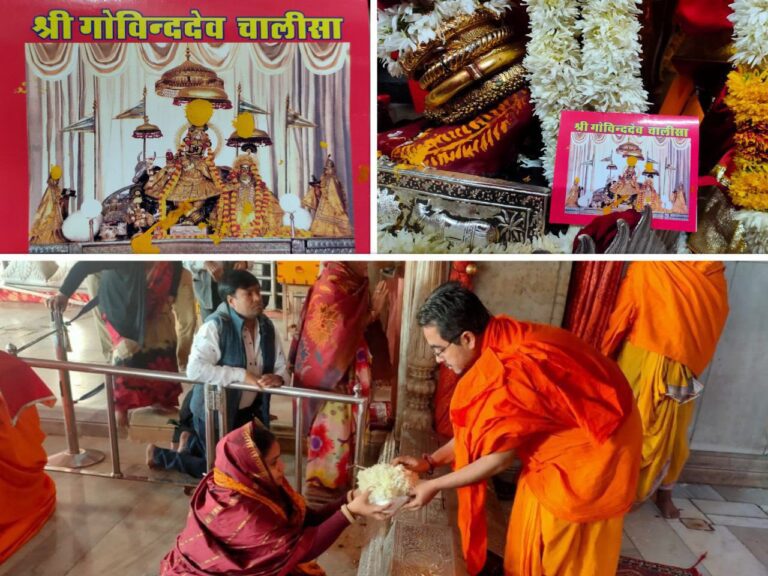
Kalyanji Temple
Kalyanji Temple in Jaipur's Chandpol Bazaar is an ancient Krishna shrine established in the 1820s, renowned for its seven daily aartis and special avatar darshan ceremonies during Akha Teej and Patottsav festivals.
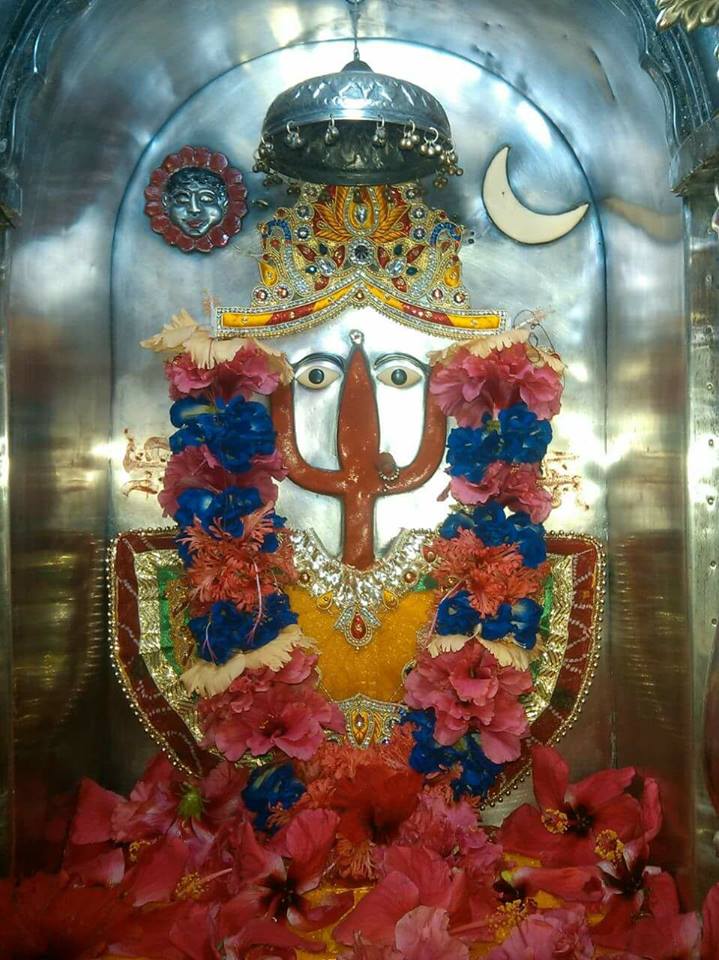
Rani Sati Mandir Mahuda
Rani Sati Mandir in Mahuda, Dhanbad District, is a Hindu temple established in 1992 that serves as a spiritual center for the local community and attracts devotees seeking blessings.