Sri Lakshmi Temple
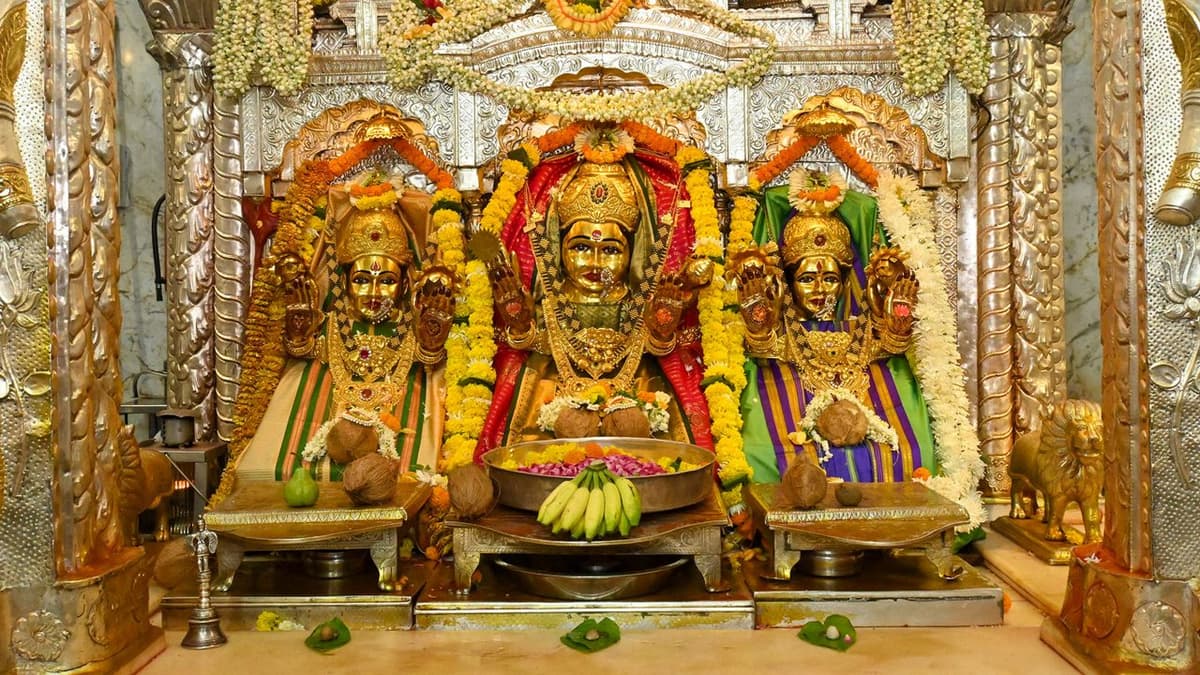
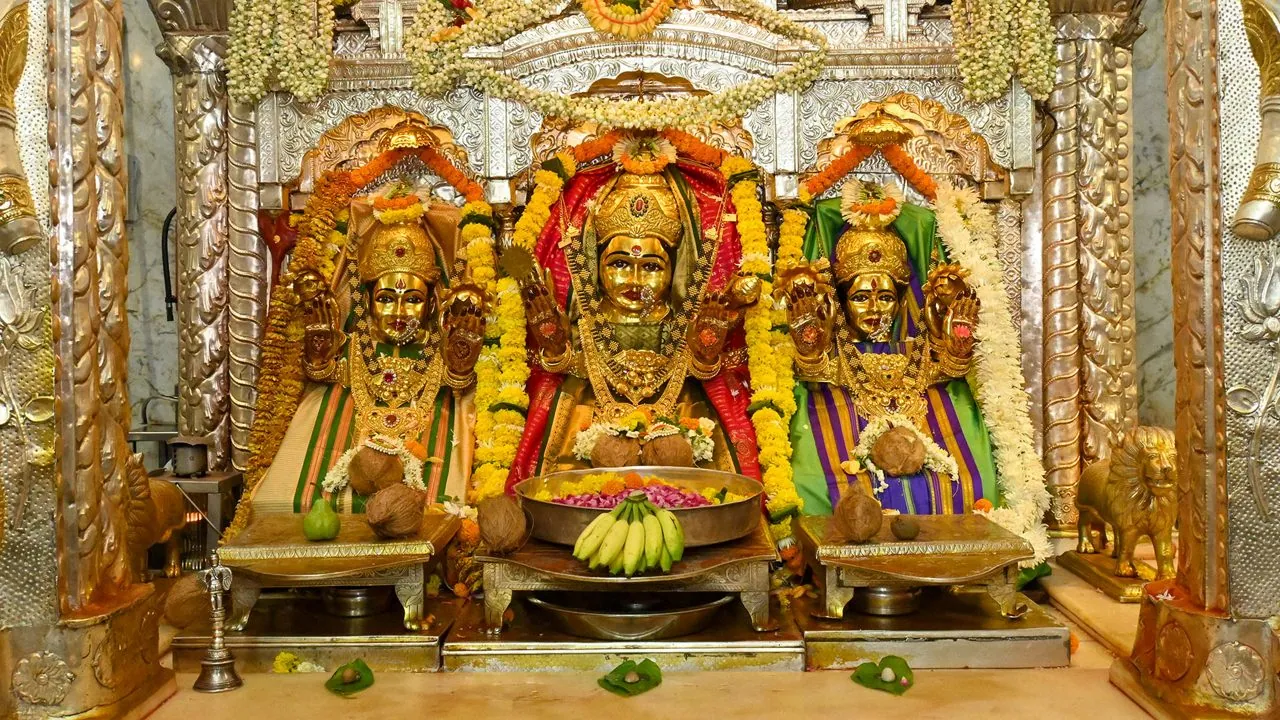
About Sri Lakshmi Temple
The temple was established in 1831 by a Hindu merchant named Dhakji Dadaji. According to temple tradition, the idol of Goddess Mahalakshmi was discovered in the sea during construction of the Hornby Vellard, the causeway now known as Haji Ali. This origin story has become central to the temple's identity and spiritual narrative. For nearly two centuries, the temple has remained a cornerstone of religious life in Mumbai, surviving and adapting through the city's transformation into a modern metropolis.
Daily Darshan and Rituals
The temple opens at 6:00 AM and closes at 10:00 PM daily, with free entry for all visitors. Four formal aartis (ritual worship ceremonies) are performed each day: the Morning Aarti at 6:45 AM, the Naivedya (sacred food offering) at 11:45 AM, the Evening Dhoop Aarti at 6:15 PM, and the Evening Aarti at 7:20 PM. During these ceremonies, the temple closes for darshan, so visitors planning their visit should note these timings.
The early morning hours between 6:00 and 6:45 AM offer the most peaceful darshan experience, with fewer crowds and a quieter atmosphere for prayer. Weekdays are generally less crowded than weekends. Visitors should plan to avoid the aarti times if they wish to have uninterrupted access to the sanctum.
Major Festivals
The temple comes alive during several significant festivals throughout the year. Sharad Navratri, observed in September or October, is the grandest celebration, with nine nights of devotion attracting large numbers of devotees from across India. Diwali, the festival of lights, holds particular importance at this temple, as devotees gather to perform Lakshmi Poojan on the new moon night to seek the goddess's blessings for wealth and prosperity. Akshaya Tritiya, falling in April or May, is observed as an auspicious day for new beginnings and investments, drawing those seeking the goddess's favor for ventures and financial matters.
During major festivals, darshan timings may vary from the standard schedule, so visitors planning a visit during these periods should confirm current arrangements in advance.
Visitor Information and Guidelines
Entry to the temple is free for all devotees. The temple is open seven days a week, and there is no entry fee. Visitors should dress modestly and respectfully; this is standard practice at Hindu temples. The temple's contact number is 022-2351 4732 for any inquiries regarding puja bookings, donations, or specific visitor questions.
The temple is located on Bhulabhai Desai Road in the Mahalaxmi area of Mumbai. Visitors should be aware that the temple closes for darshan during all four daily aartis and the naivedya offering, so timing your visit to avoid these periods will allow for a more complete darshan experience.
Approaching the Temple
Shri Mahalakshmi Temple stands as a place of worship for those seeking the blessings of the Tridevi in the heart of Mumbai. Whether visiting for the first time or as a regular devotee, understanding the daily rhythm of worship—the aartis, the quieter morning hours, and the festival calendar—will help you make the most of your visit. The temple welcomes all who come with sincere devotion.
How to reach
You may also visit
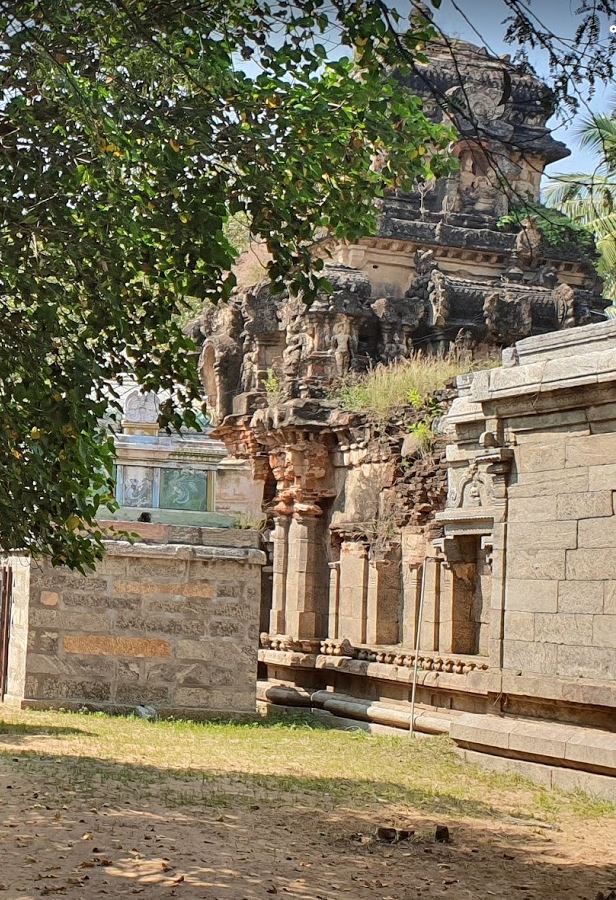
Agatheeswarar Temple, Karur
Agatheeswarar Temple in Thirumukkudalur, Karur district, is an ancient Hindu shrine dedicated to Shiva, situated at the sacred confluence of three rivers and believed to be over 1000 years old.
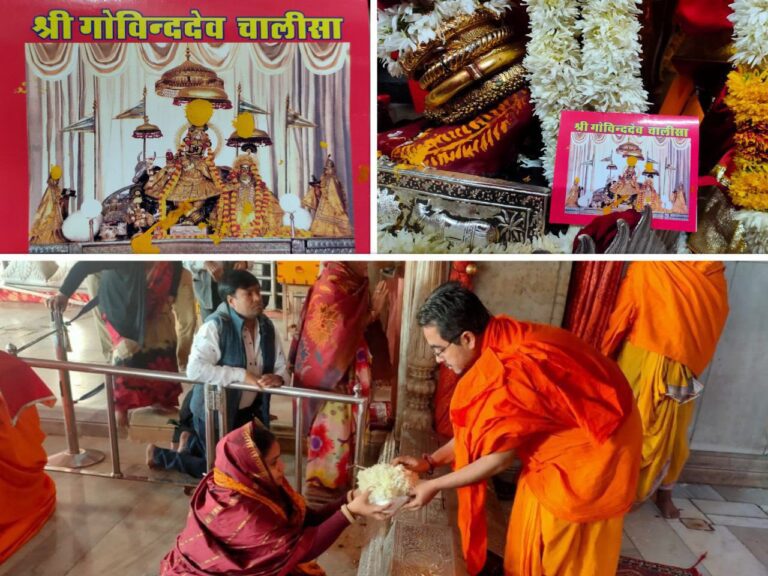
Kalyanji Temple
Kalyanji Temple in Jaipur's Chandpol Bazaar is an ancient Krishna shrine established in the 1820s, renowned for its seven daily aartis and special avatar darshan ceremonies during Akha Teej and Patottsav festivals.
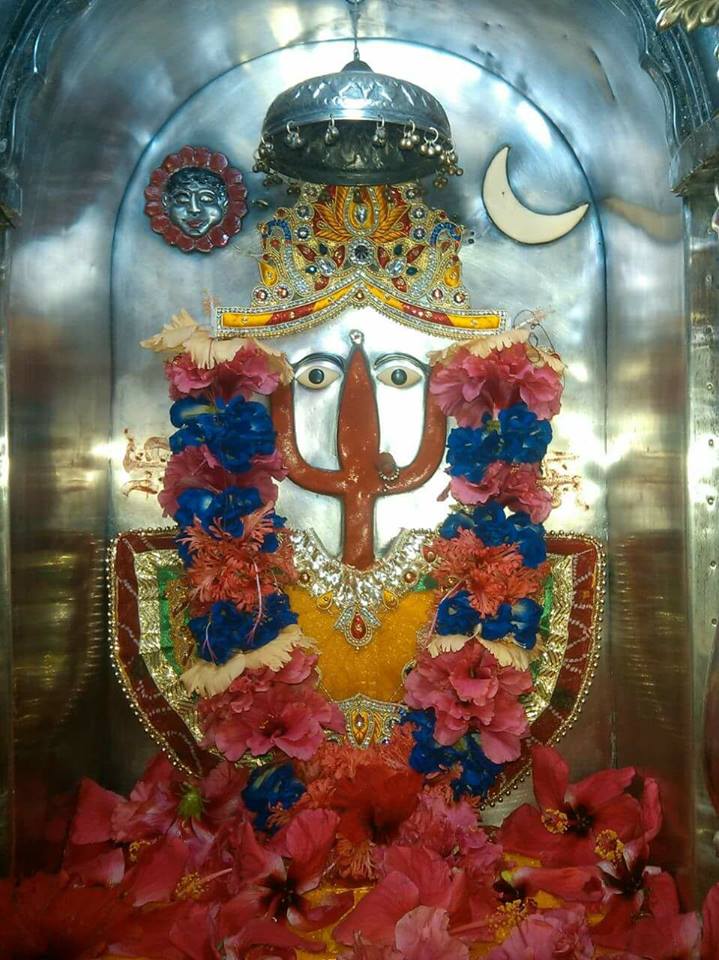
Rani Sati Mandir Mahuda
Rani Sati Mandir in Mahuda, Dhanbad District, is a Hindu temple established in 1992 that serves as a spiritual center for the local community and attracts devotees seeking blessings.