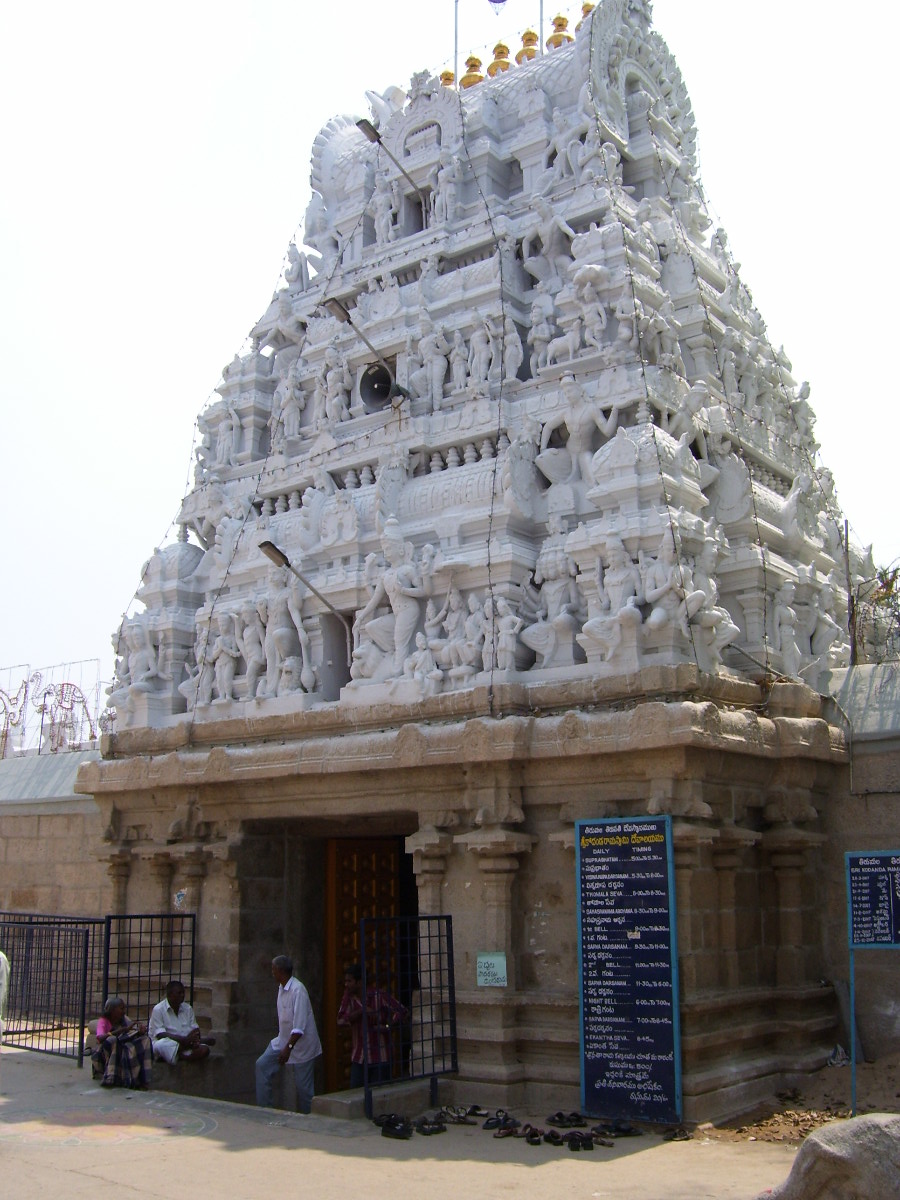
Sri Kodandarama Swami Devastanam
About Sri Kodandarama Swami Devastanam
The temple was established in the 10th century AD, placing it among the medieval religious structures that shaped South India's spiritual landscape. This period coincides with the flourishing of Chola architecture and patronage, and the temple's design reflects the architectural vocabulary of that era. The Chola period saw the construction of some of South India's most celebrated temples, and Kodandarama Swami Devastanam carries forward that tradition of stone-built sanctuaries designed for ritual worship and public devotion.
The specific architectural details and sculptural elements that characterize the shrine remain best appreciated through direct observation during a visit, as the sources do not provide detailed descriptions of its structural features.
Daily Worship and Darshan Hours
The temple opens at 5:00 AM and closes at 9:00 PM on regular days. Darshan—the viewing of the deity—is available in two sessions: morning from 5:30 AM to 1:30 PM, and evening from 4:00 PM to 8:30 PM. The temple observes a midday break between 1:30 PM and 4:00 PM for rituals and maintenance.
The day begins with Suprabhata Seva (early morning worship) from 5:00 to 5:30 AM, followed by Archana from 6:00 to 7:00 AM and Abhishekam (ritual bathing of the deity) from 8:00 to 9:00 AM. In the evening, Harathi takes place from 6:30 to 7:00 PM. Visitors seeking specific rituals can arrange Archana (floral offerings) for ₹30 or Tulsi Garland offerings for ₹50 throughout the day. General darshan is free, with typical wait times of 5–20 minutes on ordinary days, though this may vary during festivals or special occasions.
Rama Navami and the Temple's Festival Calendar
The temple celebrates Rama Navami, the birth anniversary of Lord Rama, which falls in March or April according to the Hindu lunar calendar. During this festival, the temple organizes a chariot procession (rathotsava) through Tirupati's town streets—a major public celebration that draws significant crowds and transforms the local area into a vibrant festival space. This is the most prominent observance at the shrine, reflecting the central importance of Rama's birth in Vaishnava devotional life.
Festival dates shift annually based on the Hindu calendar, so visitors planning to attend Rama Navami celebrations should verify exact dates with the temple before travelling.
Prasadam and Offerings
The temple distributes blessed food (prasadam) to devotees. Puliogare, a tamarind rice preparation, is available for ₹20, while Panchamrit (a sweet offering made from milk products and honey) costs ₹25. These offerings represent the temple's practice of sharing sanctified food with worshippers, a central element of Hindu temple practice.
Visiting the Temple: Practical Information
The temple is located at Kodandarama Street, Tirupati, Andhra Pradesh 517501. Tirupati is well connected by rail, road, and air, with the town serving as a major transit hub for pilgrims. Visitors should plan their visit around the darshan timings, noting that the morning session is often busier before mid-morning. Modest dress is customary when entering Hindu temples; remove footwear before entering the sanctum. Photography policies may vary, so check with temple staff on arrival.
Accommodation options are available near the temple starting from ₹950 per night. Since timings may change during festivals or for special rituals, it is wise to confirm the current schedule with temple authorities before your visit, particularly if travelling during major festivals or on auspicious dates in the Hindu calendar.
How to reach
Temples near Sri Kodandarama Swami Devastanam

Udayagiri Krishna Temple, Kalyanamandapam and Tank
Udayagiri Krishna Temple is a historic shrine featuring a Kalyanamandapam (marriage hall) and sacred tank, located in Andhra Pradesh.
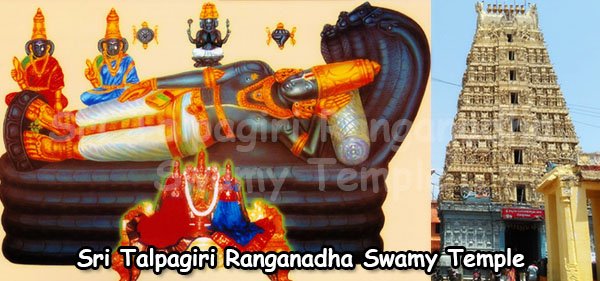
Sri Talpagiri Ranganadha Swamy Temple, Nellore
Sri Talpagiri Ranganadha Swamy Temple in Nellore is a 12th-century Hindu shrine dedicated to Lord Ranganatha, a resting form of Vishnu, situated on the banks of the Penna River.
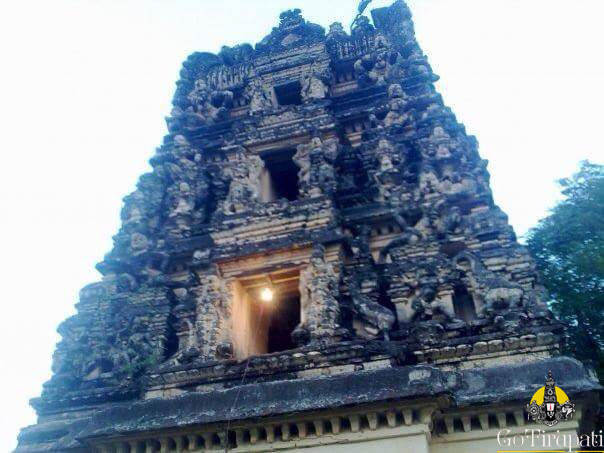
Athirala parasurama temple
The Athirala Parasurama Temple, dating to the 7th–8th century CE, stands on the banks of the Cheyyeru river in Attirala village, Rajampet, Andhra Pradesh. Dedicated to Lord Para…

Saumyanatha temple
Somnath Temple is the first of the twelve Aadi Jyotirlings dedicated to Lord Shiva, located on the Arabian Sea coast in Gujarat. The current temple was consecrated on 11 May 195…
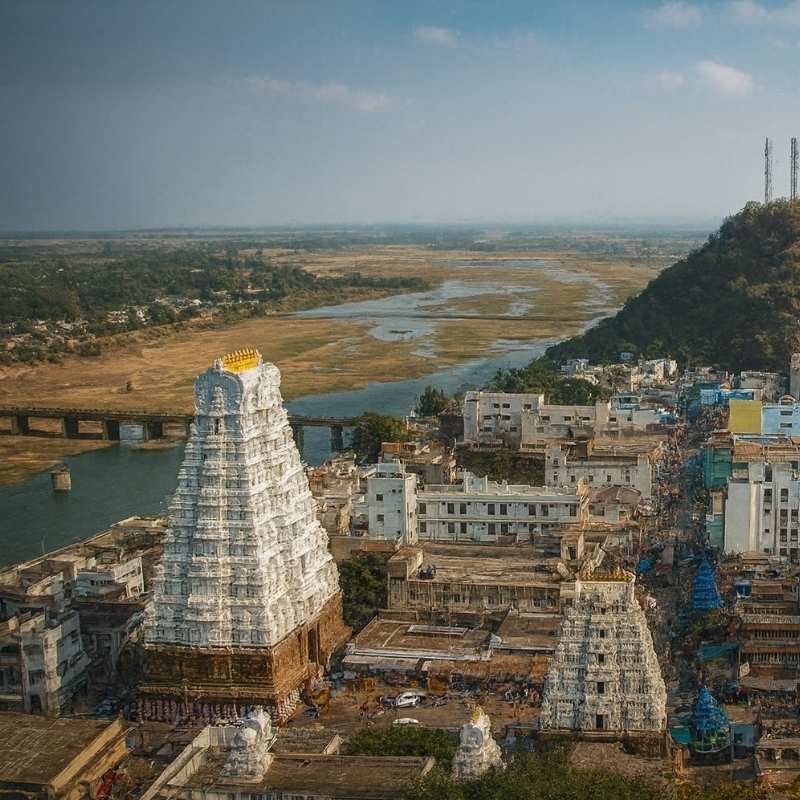
Srikalahasti Temple
Srikalahasti Temple represents the Vayu (air) element among the five sacred Pancha Bootha Sthalams. Known as the 'Kailas of the South' for over two thousand years, it sits on th…
Bhairavakona
Bhairavakona temple is an ancient Shiva sanctuary in Prakasam District, Andhra Pradesh, housing 101 sacred lingas and serving as a major pilgrimage site for devotees seeking rel…