Sri-Kamadchi-Ampal-Tempel
About Sri-Kamadchi-Ampal-Tempel
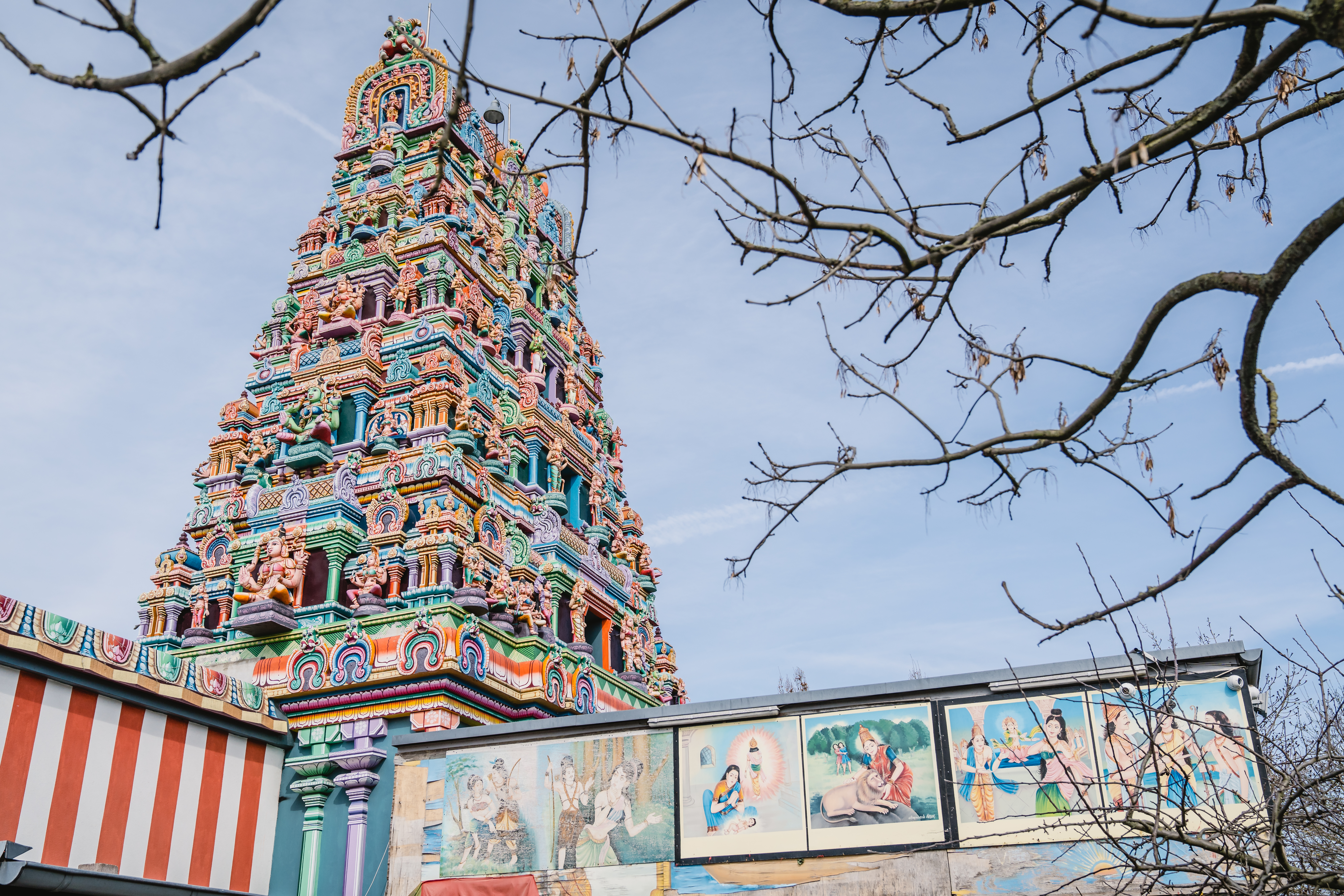
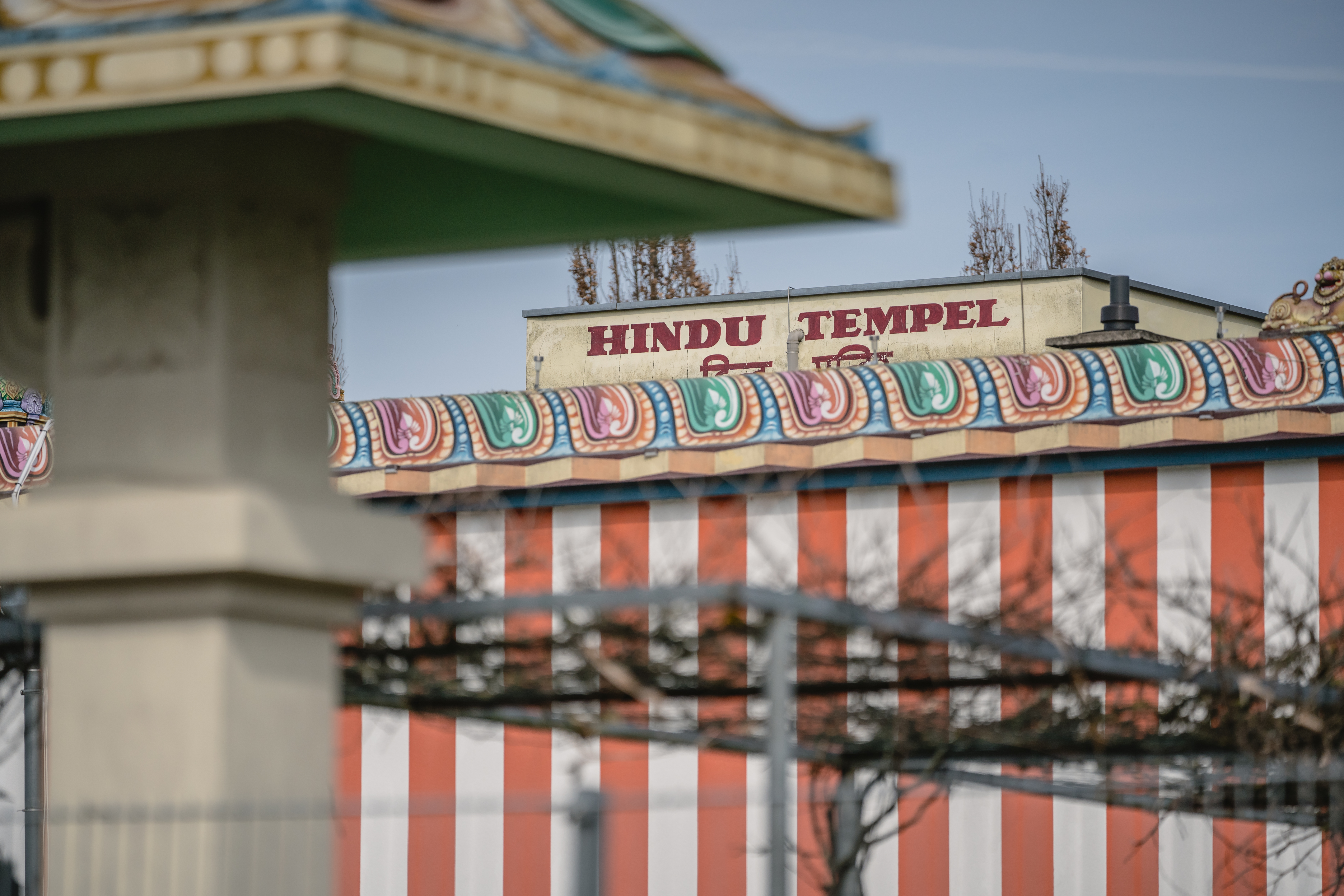
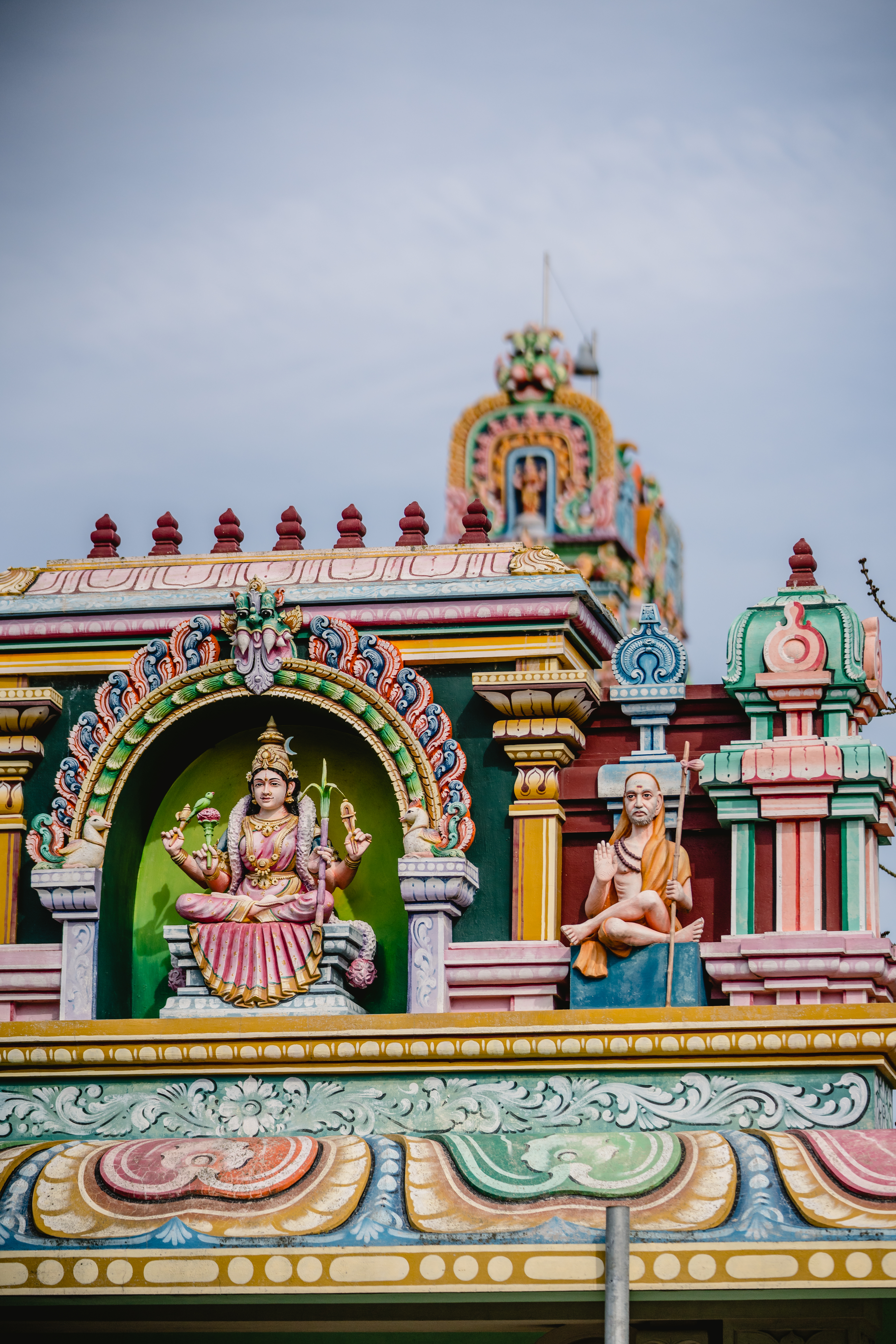
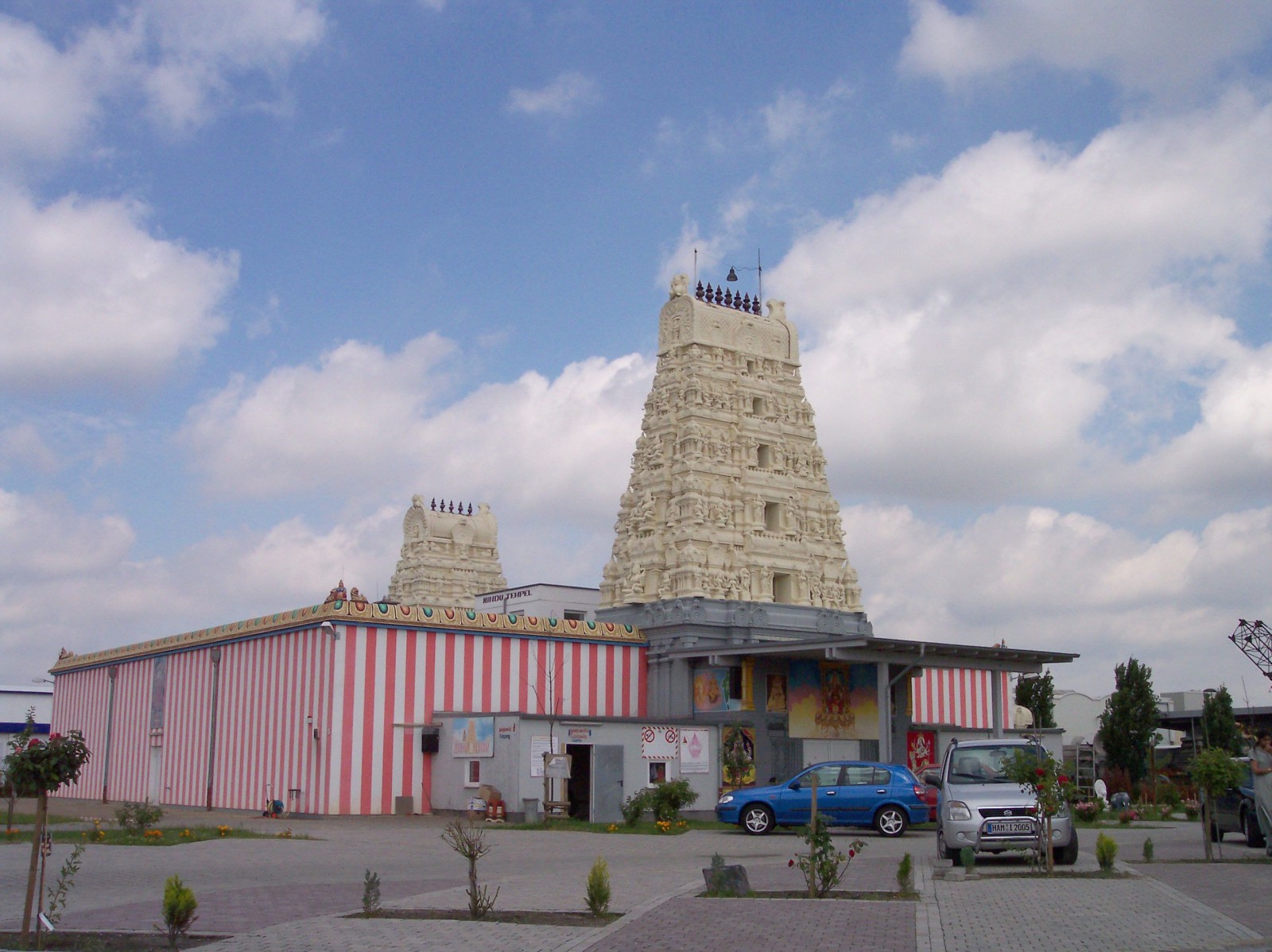
The temple's design reflects the Dravidian architectural tradition of South India, characterised by its distinctive style and proportions. This architectural choice connects the community in Hamm to the Tamil Hindu heritage of South India and Sri Lanka. The Dravidian style distinguishes this temple visually from other Hindu places of worship in Europe, many of which follow different regional Indian architectural traditions. The temple's prominence in the cityscape of Hamm reflects both the scale of the structure and its importance to the local Hindu population.
Daily Worship and Rituals
The temple opens daily from 08:00 to 13:00 and again from 17:00 to 19:00. Ritual worship (poojai) takes place three times each day: at 08:00, 12:00, and 18:00. These timings allow devotees to participate in morning, midday, and evening worship according to their schedules. Visitors may contact the temple at +49 (0)2388 - 30 22 23 for further information about worship practices or to arrange guided visits. The temple functions as a centre not only for religious observance but also as a meeting place for the Hindu community across North Rhine-Westphalia and beyond.
The Annual Festival
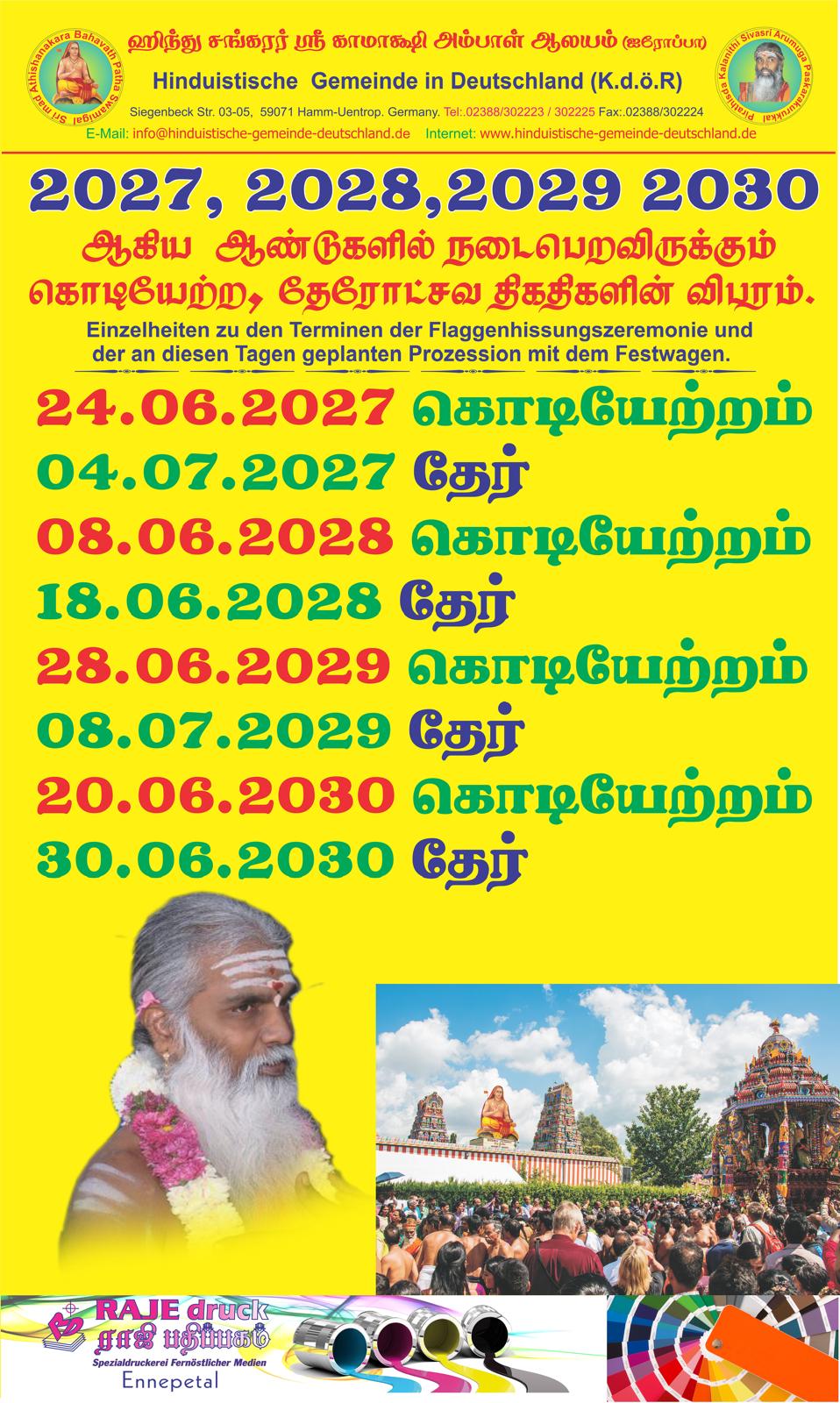
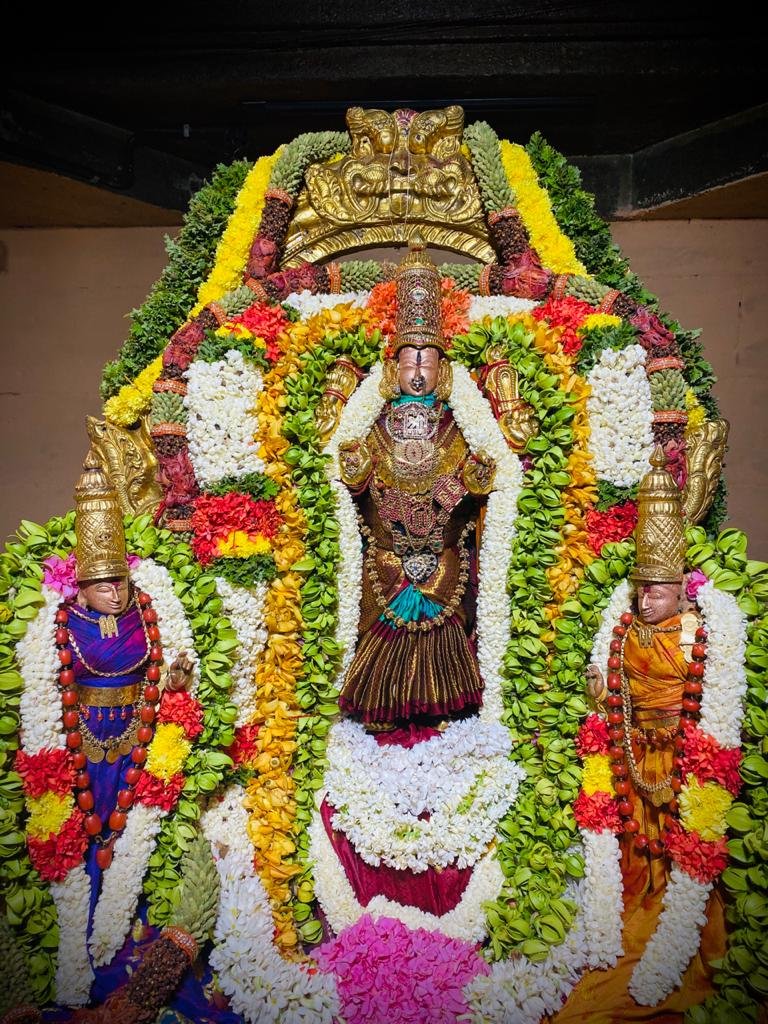
The temple hosts a major annual festival that draws over 25,000 visitors and devotees from around the world. During this celebration, a procession carries the statue of Goddess Kamakshi around the temple, an act understood by the community as blessing both the city and its inhabitants. This festival represents a significant moment in the religious calendar and demonstrates the temple's role as a landmark within both the Hindu community and the broader city of Hamm.
Visiting the Temple
The temple is located at Siegenbeckstr. 4-5, 59071 Hamm, North Rhine-Westphalia. Visitors should plan their visit according to the published opening hours, noting the break between the morning and evening sessions. Those wishing to attend worship should arrive during poojai times. As with Hindu temples generally, visitors should dress modestly and remove their shoes before entering the inner sanctum. It is advisable to check ahead by phone if you wish to arrange a guided tour or have specific questions about worship practices or visitor protocols. The temple welcomes both devotees and those interested in learning about Hindu practice and Dravidian architecture.
How to reach


You may also visit
Kalyanji Temple
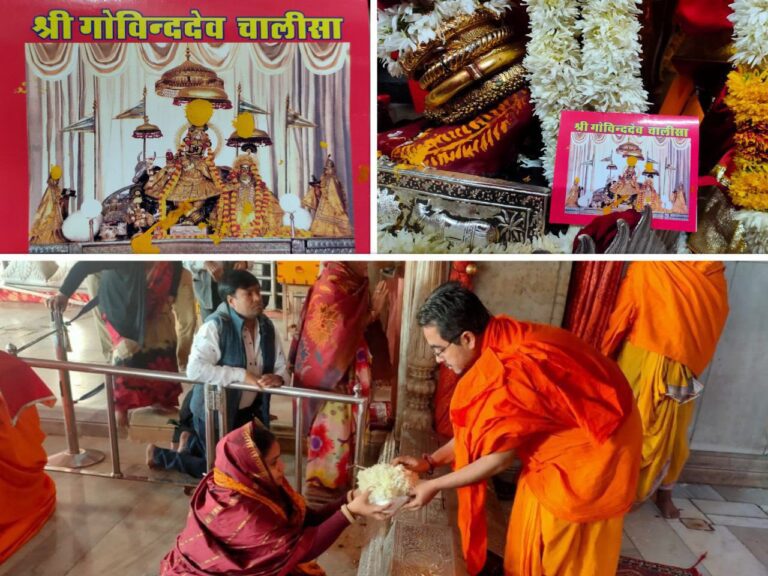
Kalyanji Temple in Jaipur's Chandpol Bazaar is approximately two centuries old and renowned for displaying the twenty-four avatars of Krishna, visible only twice yearly during Akha Teej and Patottsav festival.
Sastha (Ayyappan) Temple
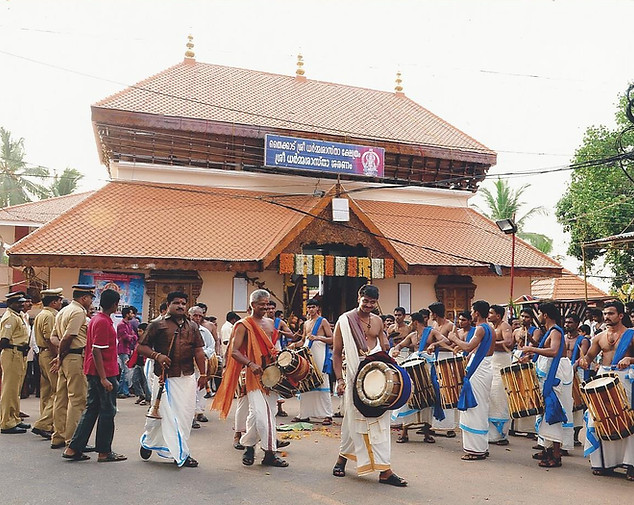
Sree Dharma Sastha Temple in Thycaud, Thiruvananthapuram, is a centuries-old shrine where the deity manifests as Dhanwanthari, the divine healer, holding the sacred blue lotus.
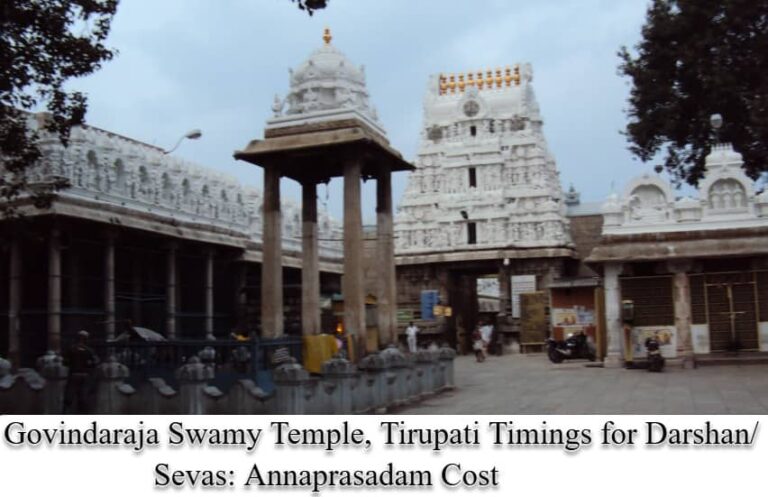
Govindarajaswamy Temple
Sri Govindarajaswamy Temple in Tirupati is an ancient Vaishnavaite shrine consecrated in 1130 AD by Saint Ramanuja, where the presiding deity rests in eternal Yoga Nidra on the serpent Adisesha.