
Sowmya Narayana Perumal temple
About Sowmya Narayana Perumal temple
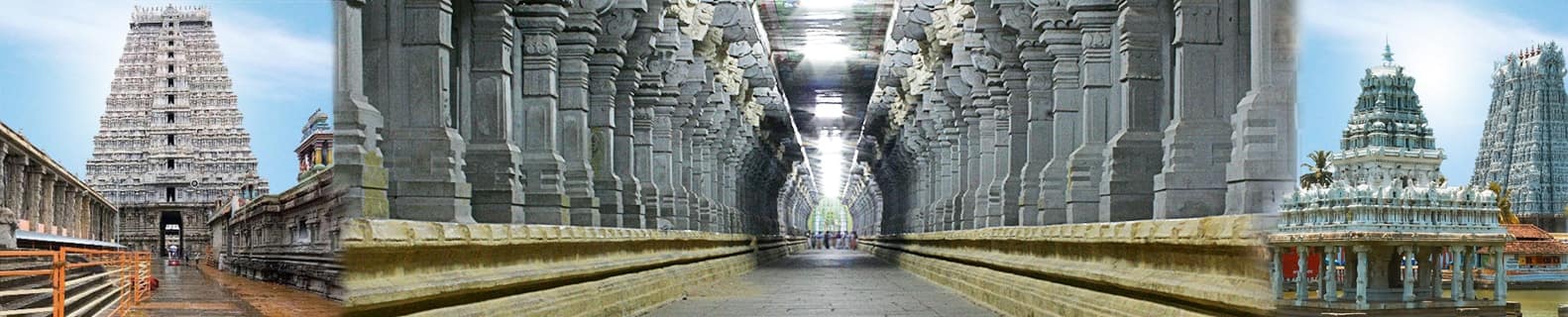
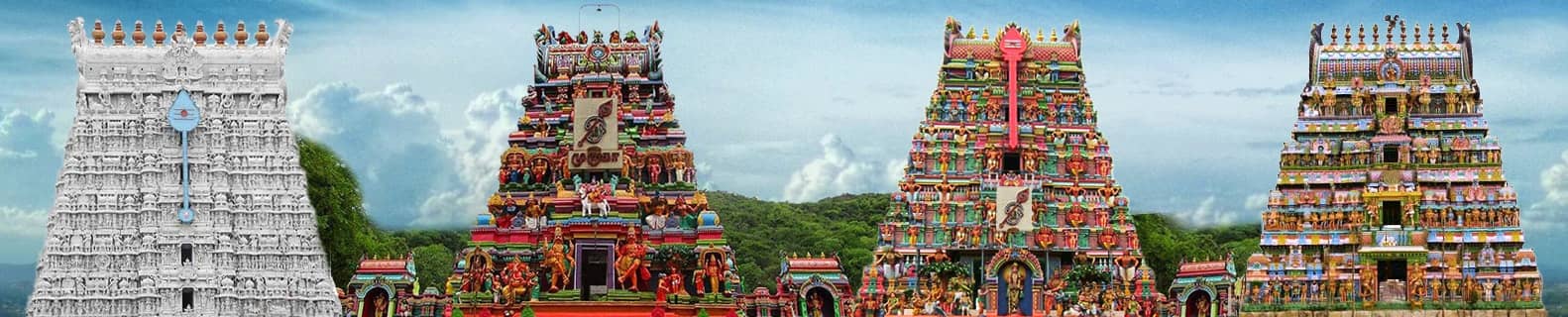
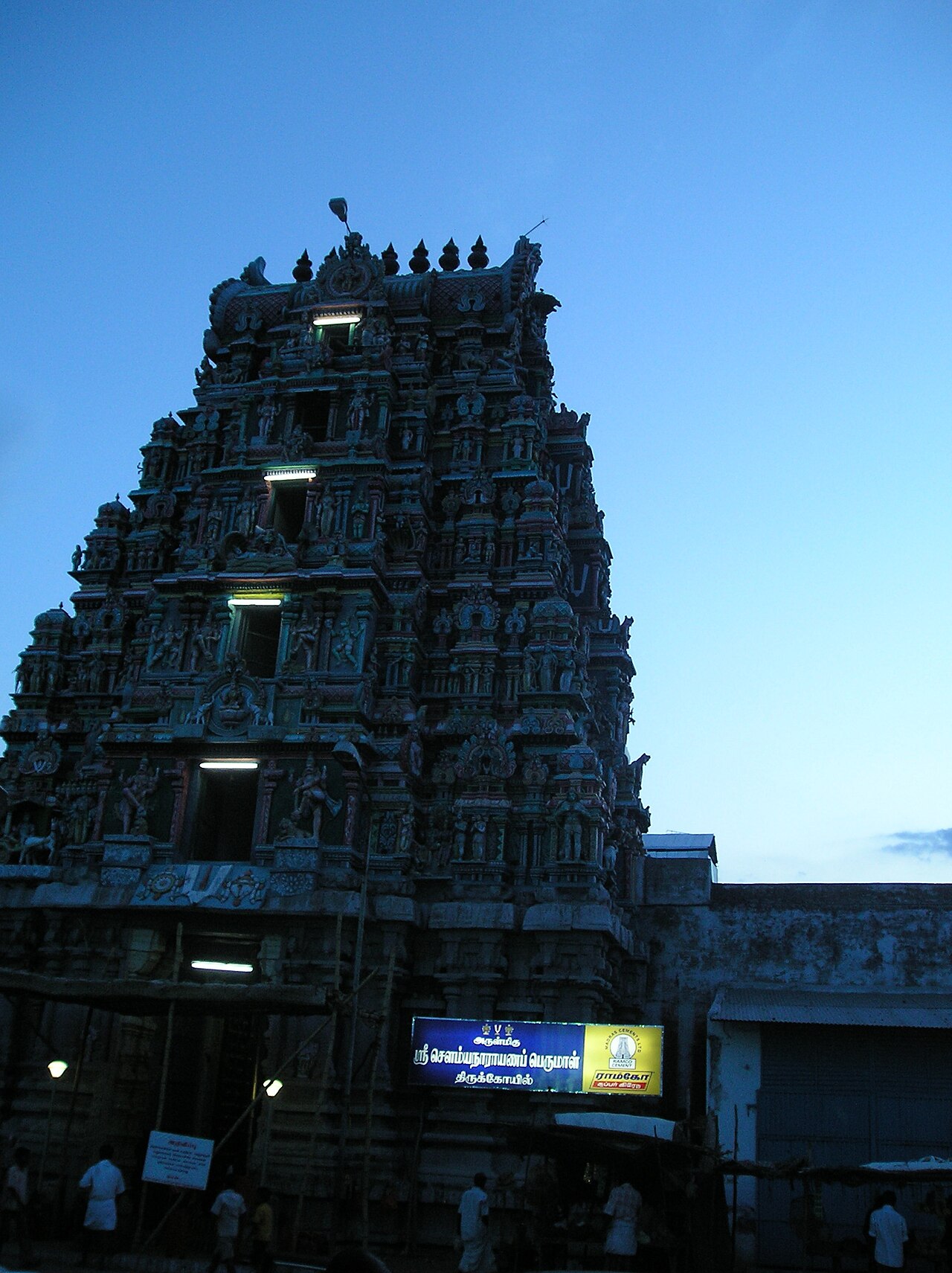
The temple follows the Dravidian architectural style characteristic of South Indian Hindu temples. This tradition, developed over centuries in Tamil Nadu, employs distinctive features including gopurams (temple towers), columned halls, and intricate stone carving. The sources do not detail specific architectural elements of this particular temple, but visitors will encounter the visual language typical of Dravidian sacred spaces: geometric precision, sculptural ornamentation, and a layout designed to guide devotees through progressively inner sanctums.
Daily Worship and Darshan
The temple maintains three daily darshan periods. Early morning worship begins at 4:30 AM and concludes at 7:30 AM, a time when many devotees prefer to visit for quieter, more meditative darshan. The midday period runs from 6:00 AM to 12:05 PM, accommodating those who visit during daylight hours. Evening darshan extends from 8:05 PM to 5:55 AM the following morning, serving night-time visitors and those who observe nocturnal worship practices. These extended hours reflect the temple's accessibility to pilgrims with varying schedules and devotional preferences.
Visitors should plan their visit around these timings and be aware that festival days may alter the standard schedule. It is advisable to check with the temple directly before travelling, particularly if visiting during significant religious occasions.
Visiting the Temple
Visitors to Hindu temples are expected to observe basic protocols of respect. Modest dress is customary—covering shoulders and knees is appropriate. Footwear should be removed before entering the inner sanctum, though shoe storage facilities are typically available. Photography policies vary; it is best to ask temple staff before photographing the deity or inner shrine areas.
The temple is located on the Thanjavur-Manamadurai Road (Old NH226) in Thirukoshtiyur. The postal code is 630201. Those travelling by public transport can access the village via bus routes serving the Sivaganga District, though specific route details should be confirmed with local transport authorities. The temple's location in a village setting means that facilities may be more limited than in urban temple complexes; visitors should plan accordingly and carry water and any necessary provisions.
Significance in the Pilgrimage Tradition
As a Divya Desam, this temple occupies a special place in Vaishnavite pilgrimage practice. The 108 Divya Desams are considered the most important destinations for devotees of Vishnu, and many undertake journeys to visit multiple sites. The inclusion of Sowmyanarayana Perumal Temple in this canon, based on its celebration in the Alvar hymns, means it attracts pilgrims from across India and beyond who follow this traditional circuit. The temple's connection to Ramanuja adds another layer of significance for those interested in the philosophical and social history of Hindu devotionalism.
Practical Information
The temple is administered by the Hindu Religious and Charitable Endowments (HR & CE) Department of the Tamil Nadu Government. Online services, including e-ticket booking and donation options, are available through official channels. Annadhanam (ritual food offering) services are provided at the temple. Visitors seeking specific information about poojas, special ceremonies, or facilities should contact the temple administration directly or consult the HR & CE Department's official records for the most current details.
How to reach
You may also visit
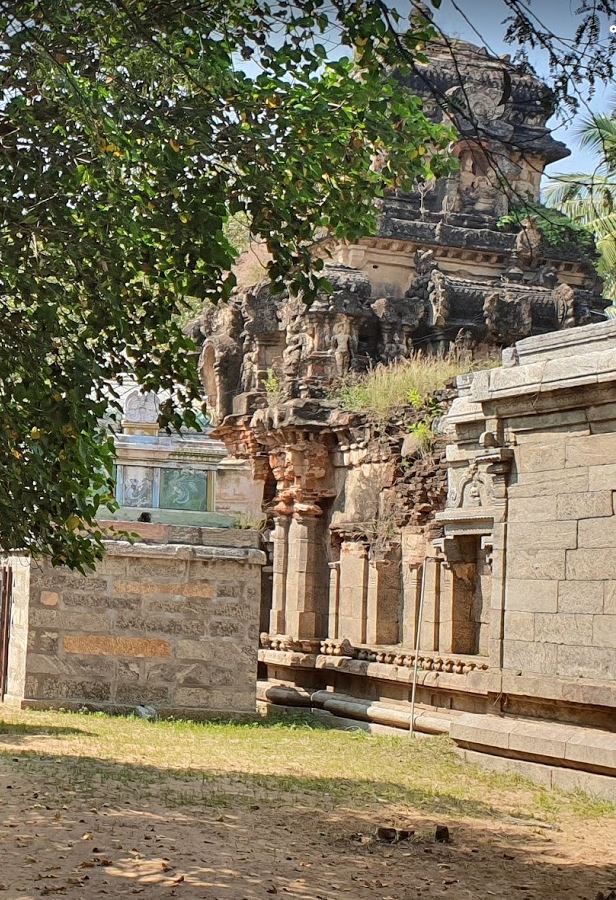
Agatheeswarar Temple, Karur
Agatheeswarar Temple in Thirumukkudalur, Karur district, is an ancient Hindu shrine dedicated to Shiva, situated at the sacred confluence of three rivers and believed to be over 1000 years old.
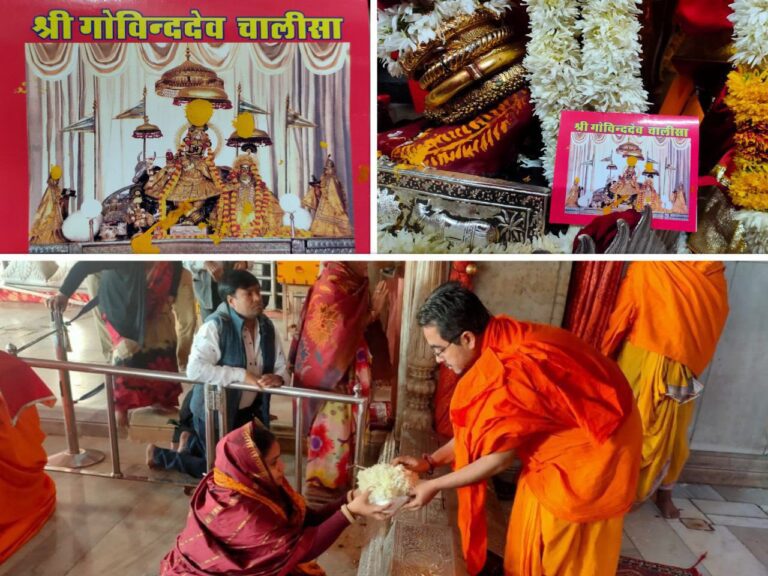
Kalyanji Temple
Kalyanji Temple in Jaipur's Chandpol Bazaar is an ancient Krishna shrine established in the 1820s, renowned for its seven daily aartis and special avatar darshan ceremonies during Akha Teej and Patottsav festivals.
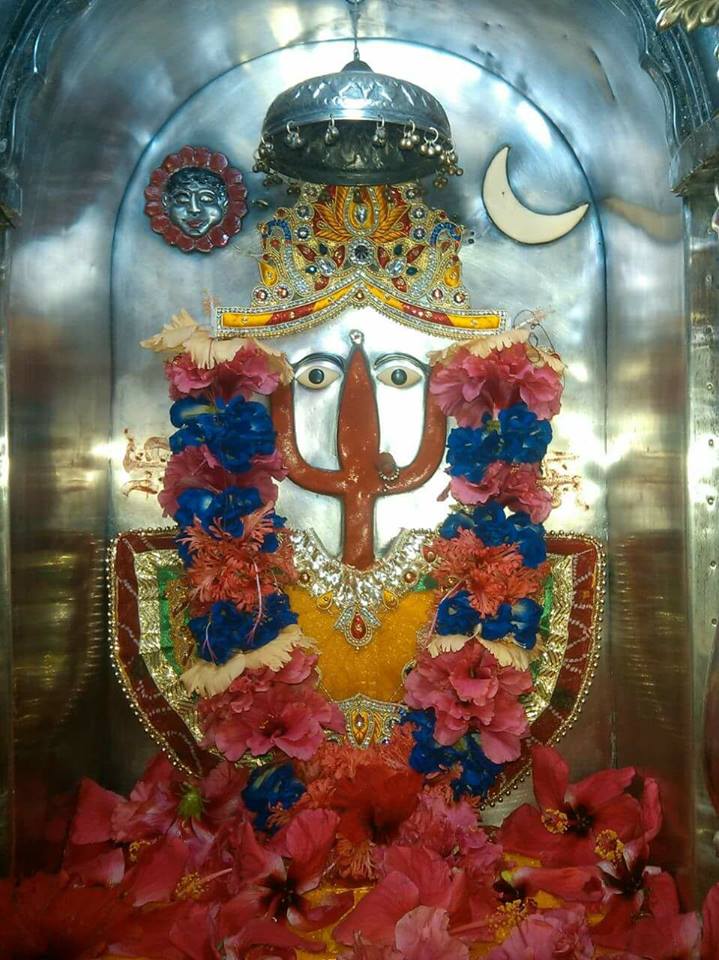
Rani Sati Mandir Mahuda
Rani Sati Mandir in Mahuda, Dhanbad District, is a Hindu temple established in 1992 that serves as a spiritual center for the local community and attracts devotees seeking blessings.