


Siddhanath Temple, Nemawar
About Siddhanath Temple, Nemawar
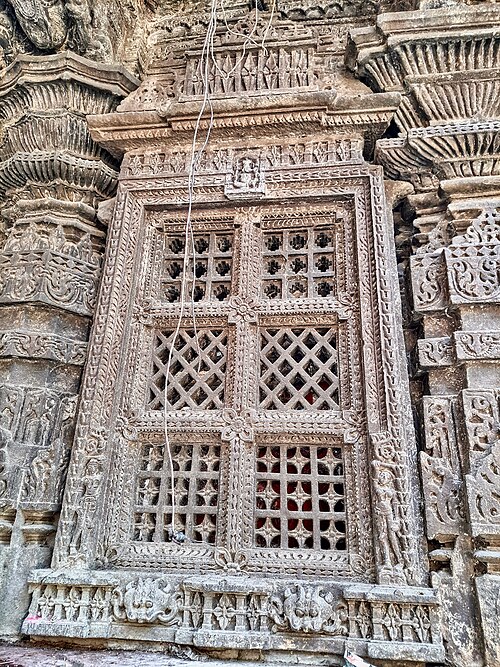
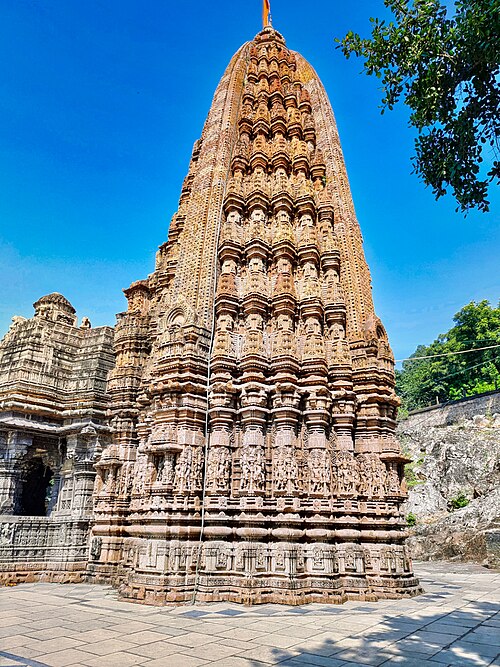
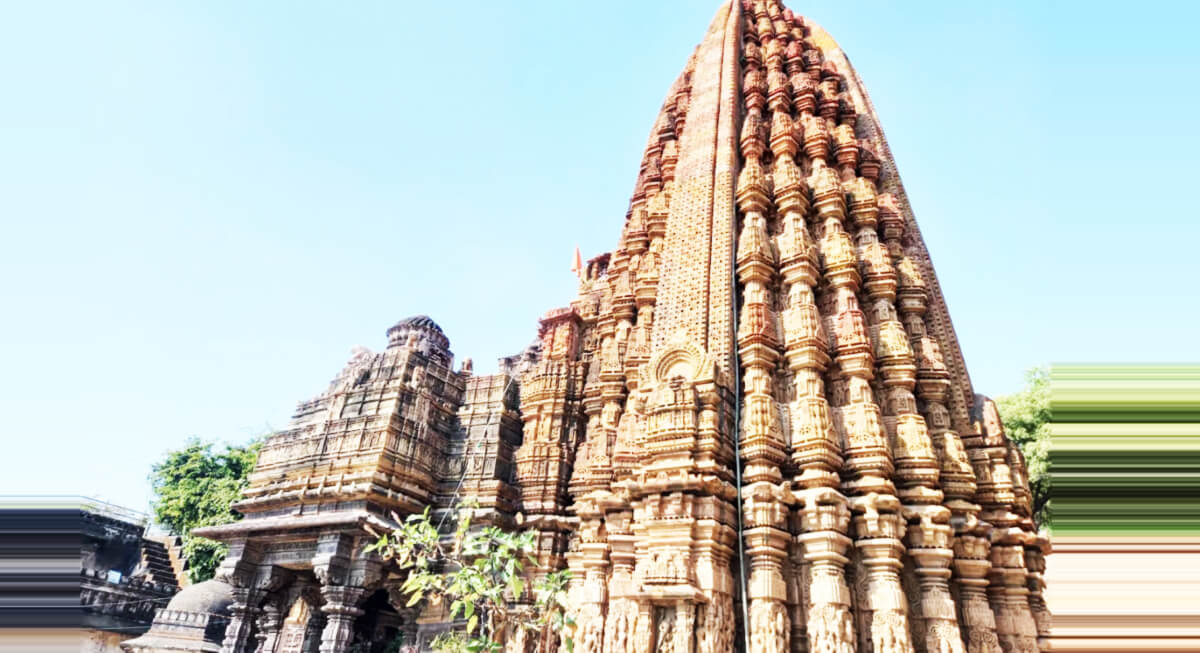
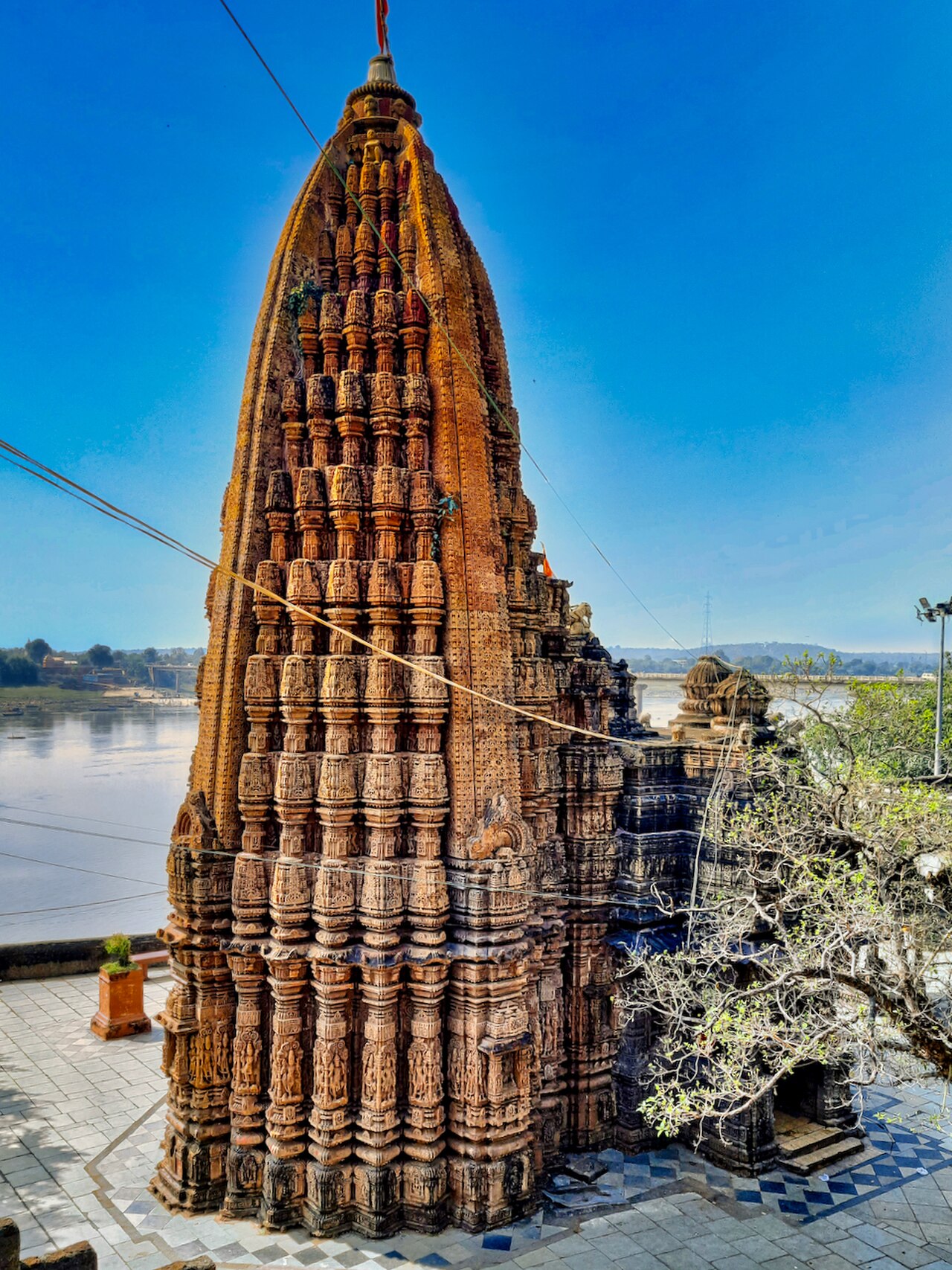
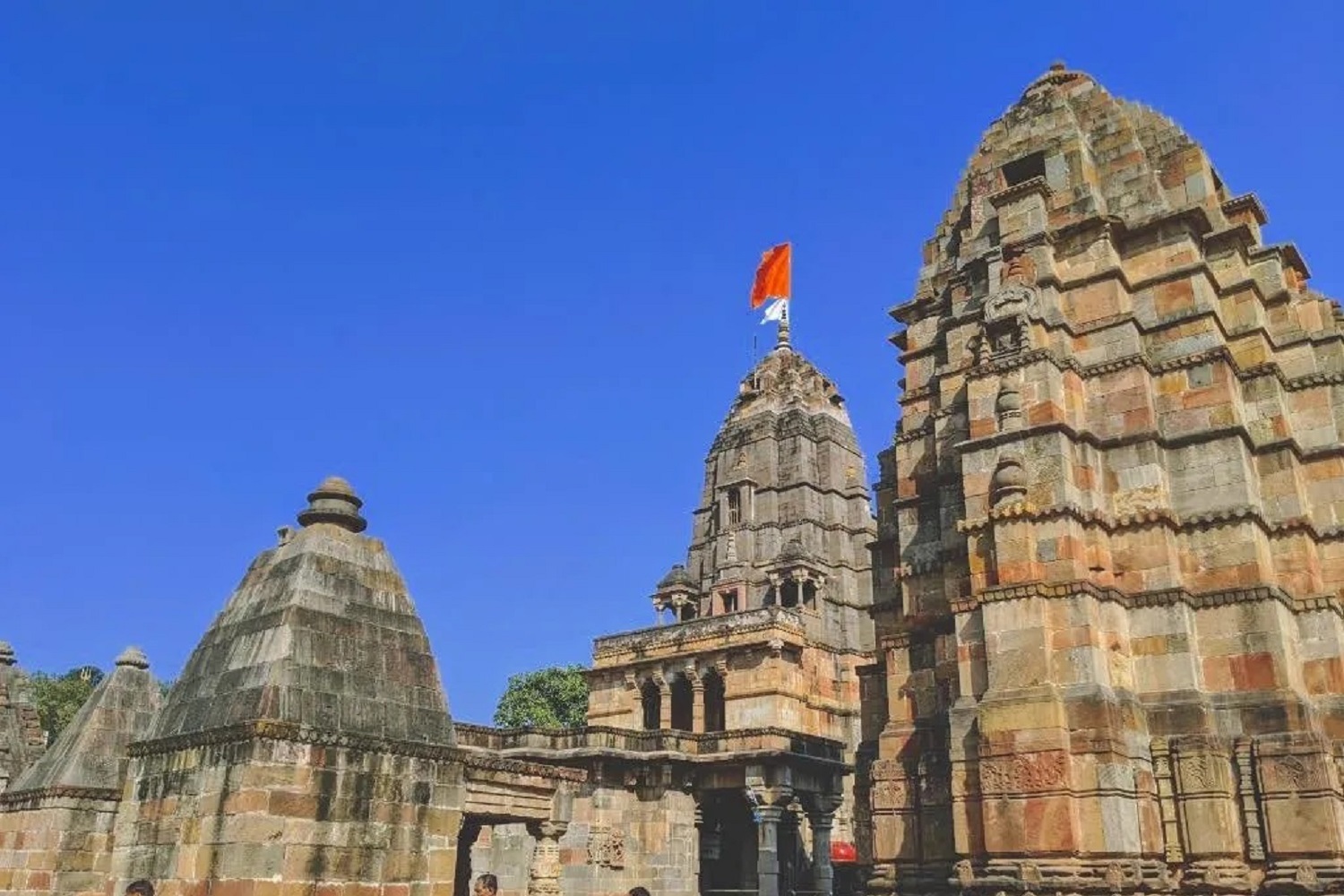
Built in the 10th century, Siddhanath Temple exemplifies the architectural achievements of the Paramara period, a significant era in medieval Indian temple construction. The structure rises from a plinth on the riverbank, constructed from yellow and blush sandstone that has weathered a thousand years. The temple follows the Nagara architectural form, comprising a mandapa (hall), ante-chamber, and sanctum—a classical arrangement that organizes sacred space according to established principles.
The exterior displays elaborate carved work throughout, demonstrating the skill of craftsmen from this era. The temple's historical and architectural importance has earned it designation as a Monument of National Importance, a recognition that reflects both its age and the quality of its construction. Visitors encountering this structure encounter not merely a place of worship but a tangible record of medieval Indian artistic and religious expression.
Daily Worship and Darshan
The temple maintains a regular schedule of morning and evening aartis—ritual offerings of light to the deity. These ceremonies form the backbone of daily worship, and devotees often time their visits to participate in or observe these practices. Exact timings should be confirmed before traveling, as schedules may shift during festival periods or due to local circumstances.
Temples dedicated to Shiva typically welcome visitors of all backgrounds during darshan hours. Standard etiquette applies: remove footwear before entering the sanctum, maintain respectful behavior, and follow any instructions from temple staff. Modest dress is customary; visitors should cover shoulders and knees as a sign of respect. The paved courtyard provides a comfortable space for prayer and contemplation.
Festivals and Pilgrimage Seasons
The temple observes several significant festivals throughout the Hindu calendar year. Kartik Purnima, falling in November, draws larger numbers of pilgrims and sees the temple elaborately decorated. Makar Sankranti in January is another important occasion, as is Hanuman Jayanti in April. These festivals offer visitors an opportunity to experience the temple in its most vibrant state, though they also bring increased crowds.
The period from October through March offers the most pleasant weather for visiting Nemawar, with cooler temperatures and lower humidity making the journey more comfortable. Those planning to visit during festival periods should arrive early to secure good viewing positions, as crowds increase significantly on these dates.
Practical Information for Visitors
Siddhanath Temple is located in Nemawar, Madhya Pradesh, at coordinates 22.493138888889°N, 76.977916666667°E. Use these coordinates with mapping applications to determine the best route from your starting point. The address is simply Nemawar, Madhya Pradesh, India.
Visitors should come prepared with water and sun protection, particularly during warmer months. As a structure of considerable age and national importance, treat the temple with appropriate care and respect. While specific facilities information is limited, the temple remains actively maintained and accessible to visitors. The Narmada's proximity means the riverside setting may be humid, particularly during monsoon season, making the October-to-March window especially comfortable for travel.
How to reach
Temples near Siddhanath Temple, Nemawar

Bijasan Mata Temple, Salkanpur
Bijasan Mata Temple in Salkanpur is a hilltop Shakti Peeth shrine dedicated to Vindhyavasini Beejasan Devi, accessible via approximately 1,400 stairs leading to an 800-foot summit.
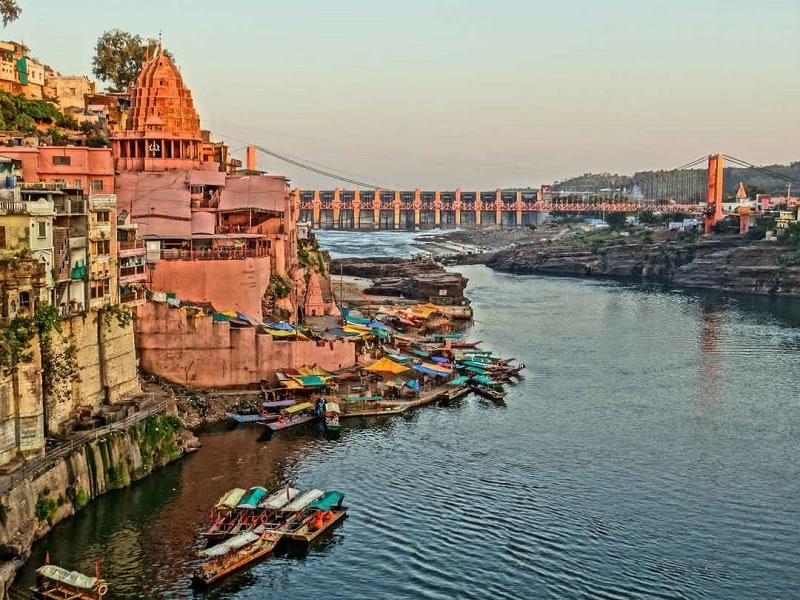
Chaubis Avatar Temple, Panthia Omkareshwar
Omkareshwar is the fourth Jyotirlinga of Lord Shiva, located on Mandhata Island in the Narmada River in Madhya Pradesh. The island's natural Om-shaped formation has drawn pilgri…
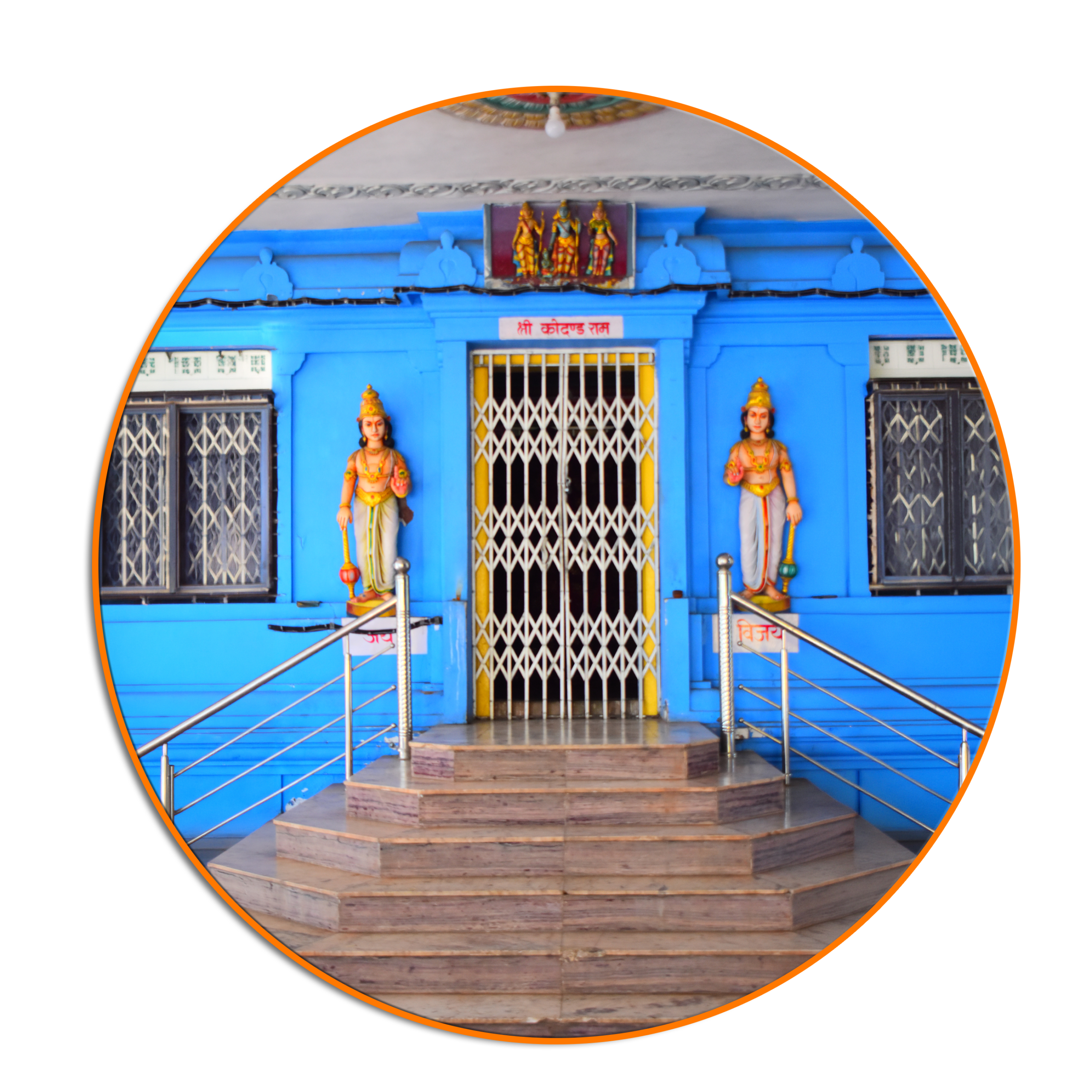
Ram Hanuman Mandir
Ram Hanuman Mandir in Bhopal is a temple dedicated to Lord Rama and Hanuman, located on Kolar Road. The temple serves as a spiritual sanctuary for devotees seeking divine blessi…
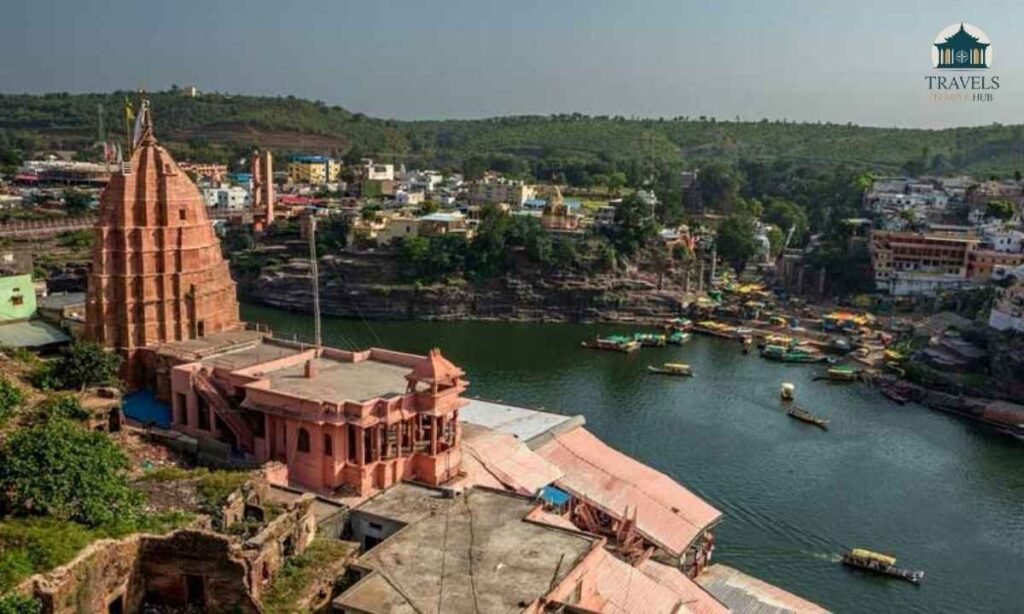
Siddheshwar temple, Omkareshwar Mandhata
Siddheshwar Temple is located within the sacred Omkareshwar pilgrimage complex on Mandhata island in the Narmada River, Madhya Pradesh. It is part of the broader Omkareshwar Jyo…
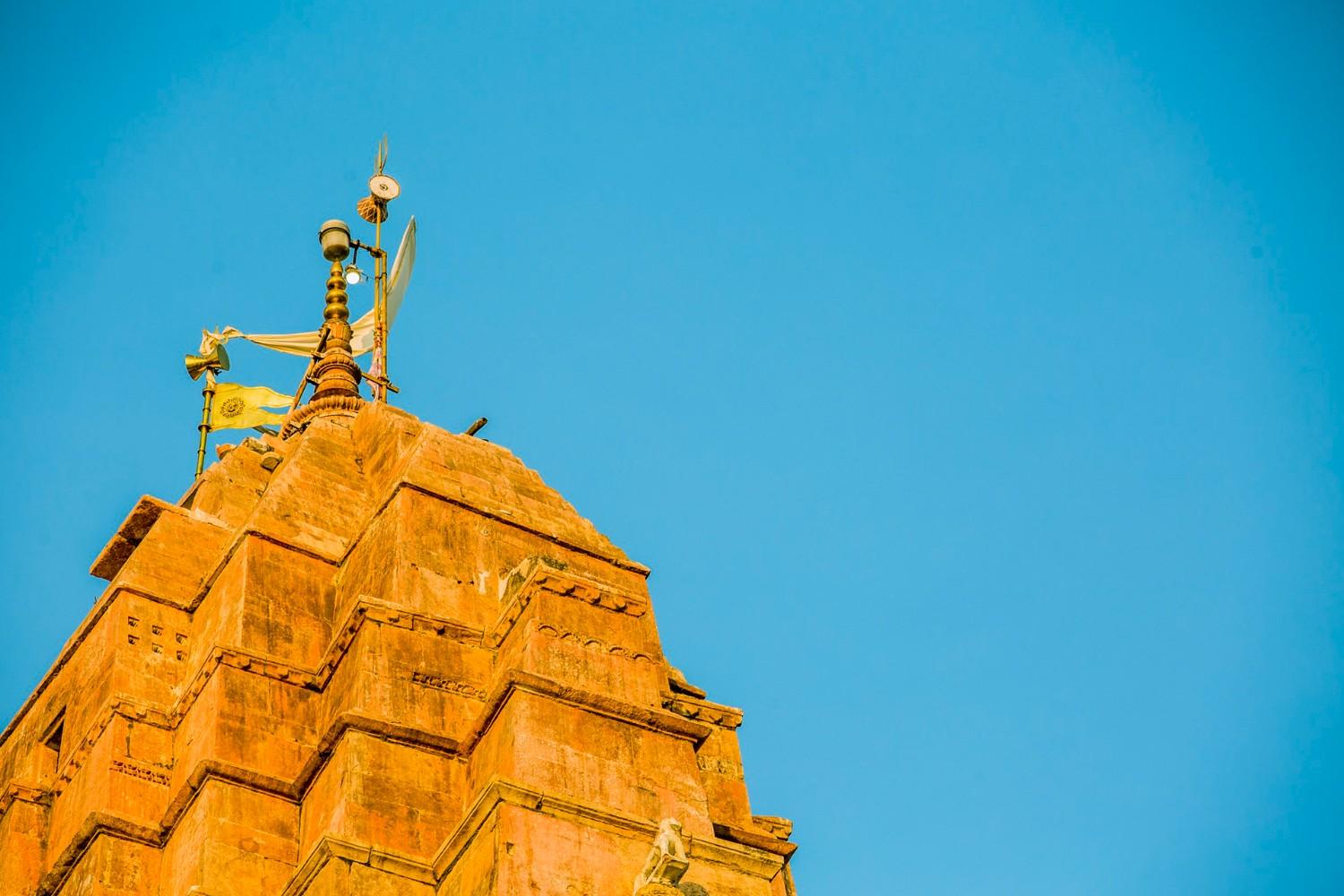
Omkareshwar Temple
Omkareshwar Temple is a Hindu shrine dedicated to Shiva, located on Mandhata island in the Narmada River near Khandwa, Madhya Pradesh. It is the fourth among the twelve sacred J…
Mamleshwara temple, Omkaleshwar
Mamleshwar, also known as Amleshwar Mahadev, is a revered Shiva temple situated on the southern bank of the Narmada River in Omkareshwar, Madhya Pradesh. It is considered one of…