


Shree Ram Krishna Temple
About Shree Ram Krishna Temple
The temple maintains a structured daily rhythm of worship centred on four principal aartis—ceremonial offerings of light and prayer to the deity. The Mangal Aarti begins at 4:00 AM, followed by the Shringar Aarti at 6:00 AM, the Bhog Aarti at noon, and the Shayan Aarti at 10:00 PM. These aartis require passes, which the temple provides without charge. Between these formal ceremonies, the temple opens for public darshan across seven designated time slots running from 7:00 AM through 9:00 PM, with no booking required for general darshan. The temple closes at 9:15 PM, with final entry at the T-1 gate occurring at 9:00 PM.
Planning Your Visit
Visitors seeking a less crowded experience should consider the early morning slots between 7:00 and 9:00 AM, or the evening slots from 7:00 to 9:00 PM on weekdays outside school holiday periods. The temple offers free timed-slot passes through its online booking system at online.srjbtkshetra.org, which can reduce waiting times during peak hours. These passes do not provide direct access to the sanctum queue but allow entry during a fixed time window. Always confirm current timings with the official Trust portal before travelling, as schedules adjust for festivals, seasons, and special events. The temple closes temporarily during the Bhog Aarti from 12:30 PM to 1:00 PM.
Voluntary Service and Contributions
The Shri Ram Janmabhoomi Teerth Kshetra Trust, which manages the temple complex, invites devotees to participate in voluntary seva—selfless service—within the temple grounds. Those wishing to support the temple's operations may make voluntary donations, with receipts available for download through the official website. The Trust is registered under India's Foreign Contribution Regulation Act, allowing donations from overseas devotees. Donors can contribute through designated bank accounts and receive instant digital receipts by providing transaction details on the Trust's portal.
Accessibility and Facilities
The temple is located in Ayodhya, Uttar Pradesh, and welcomes visitors throughout the year. While the sources do not detail specific accommodation or dining facilities within the temple complex, Ayodhya as a major pilgrimage city typically offers a range of lodging and food options for visitors. Dress modestly when entering the temple, as is customary in Hindu places of worship. The temple operates on a free-entry model for all darshan and aartis, removing financial barriers to worship. Visitors should be prepared for crowds, particularly during peak hours and festival periods, and plan accordingly by choosing quieter time slots when possible.
Connecting with the Sacred
Visiting the temple offers an opportunity to participate in one of Hinduism's most significant pilgrimage traditions. Whether attending an aarti or receiving darshan during public hours, visitors engage in practices central to Hindu devotional life. The temple's role as the believed birthplace of Rama makes it a destination of deep spiritual meaning for millions of devotees. Those planning a visit should allow sufficient time to experience the temple's rhythms of worship and prepare themselves spiritually for the experience of encountering the sacred within this ancient pilgrimage site.
How to reach


You may also visit
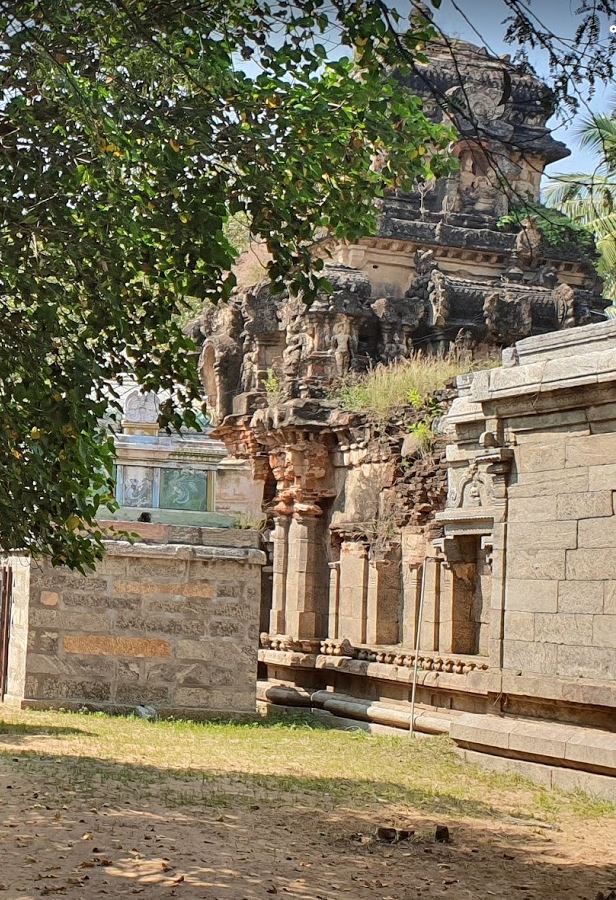
Agatheeswarar Temple, Karur
Agatheeswarar Temple in Thirumukkudalur, Karur district, is an ancient Hindu shrine dedicated to Shiva, situated at the sacred confluence of three rivers and believed to be over 1000 years old.
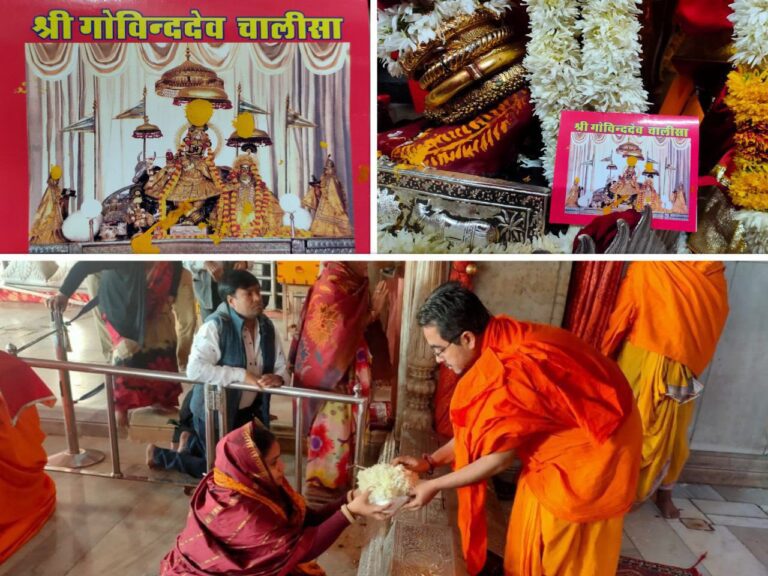
Kalyanji Temple
Kalyanji Temple in Jaipur's Chandpol Bazaar is an ancient Krishna shrine established in the 1820s, renowned for its seven daily aartis and special avatar darshan ceremonies during Akha Teej and Patottsav festivals.
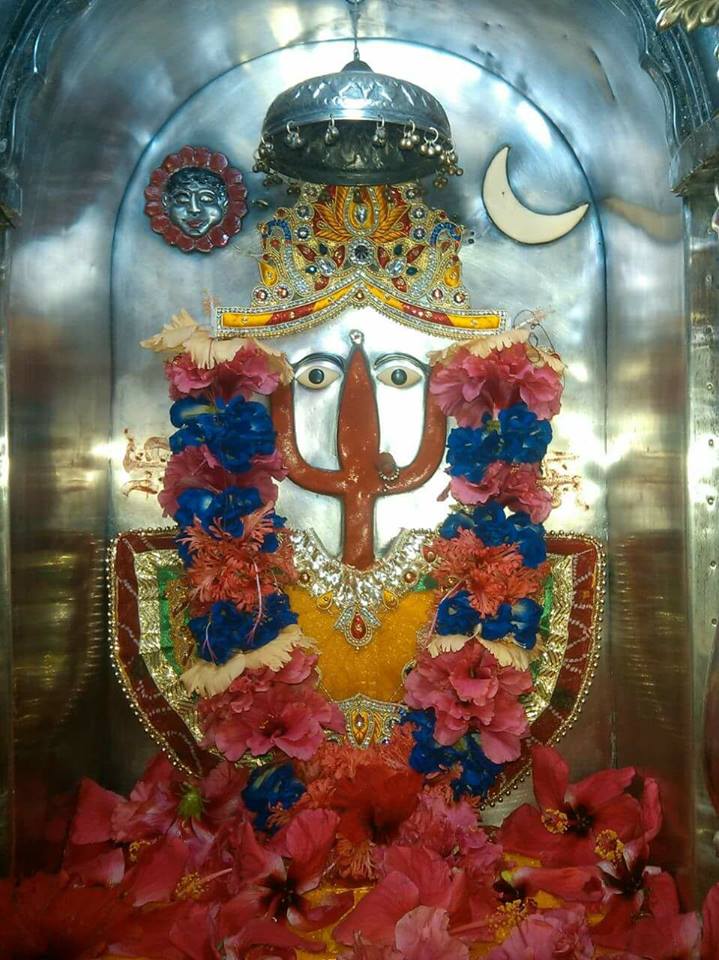
Rani Sati Mandir Mahuda
Rani Sati Mandir in Mahuda, Dhanbad District, is a Hindu temple established in 1992 that serves as a spiritual center for the local community and attracts devotees seeking blessings.