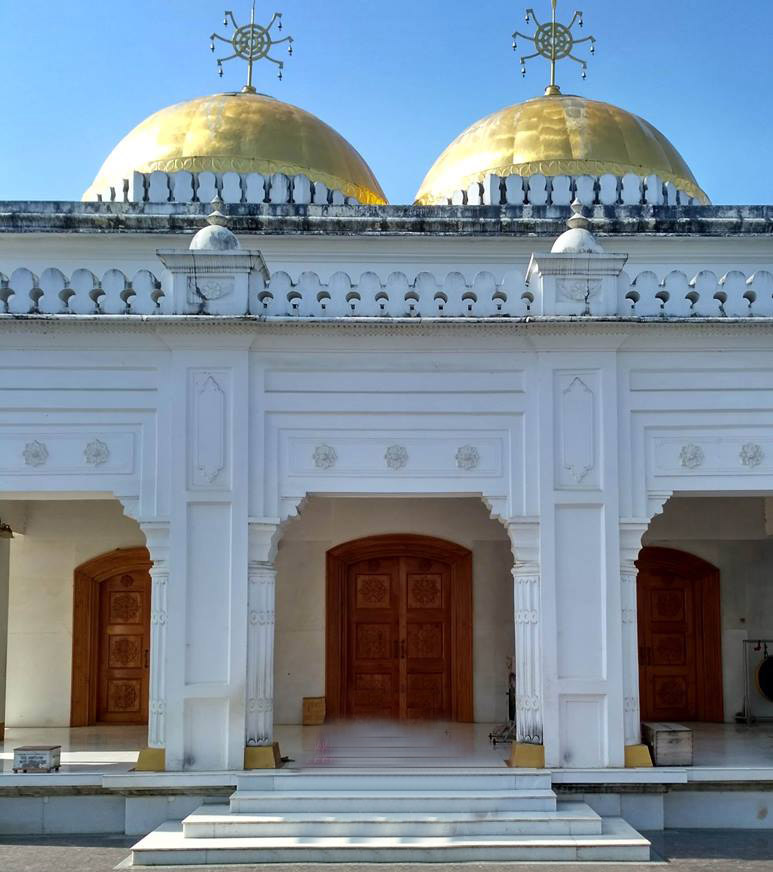
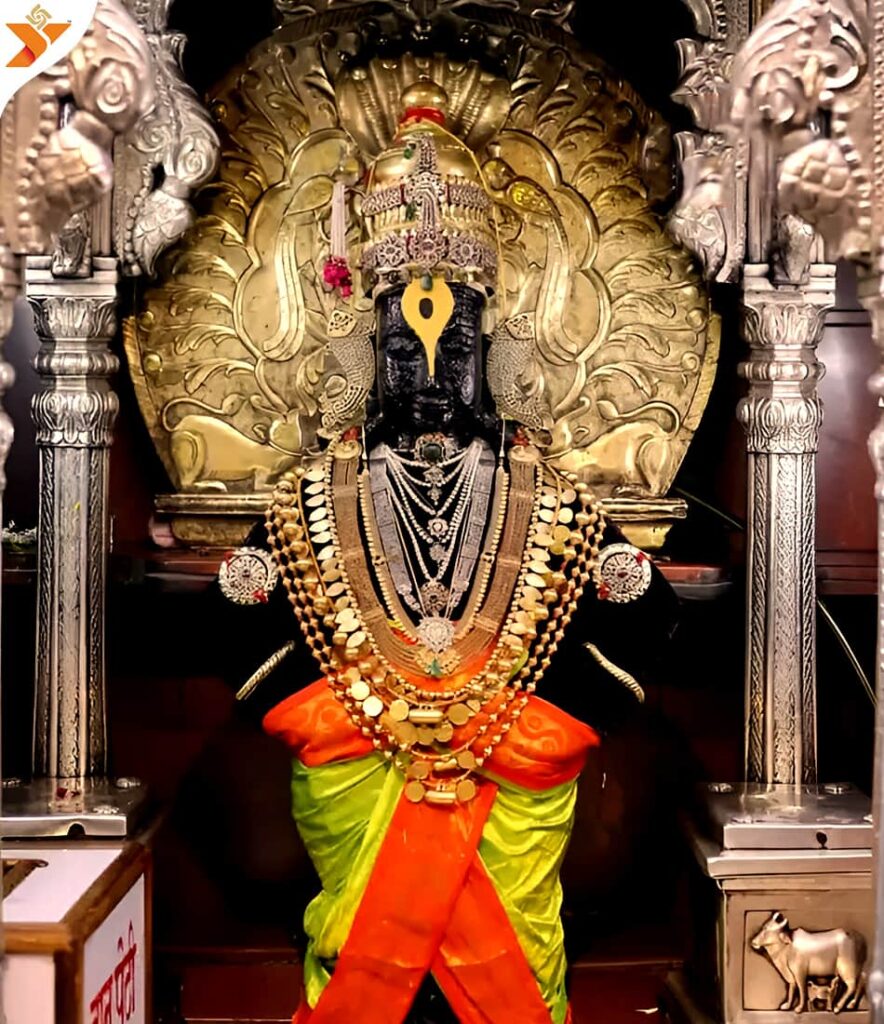
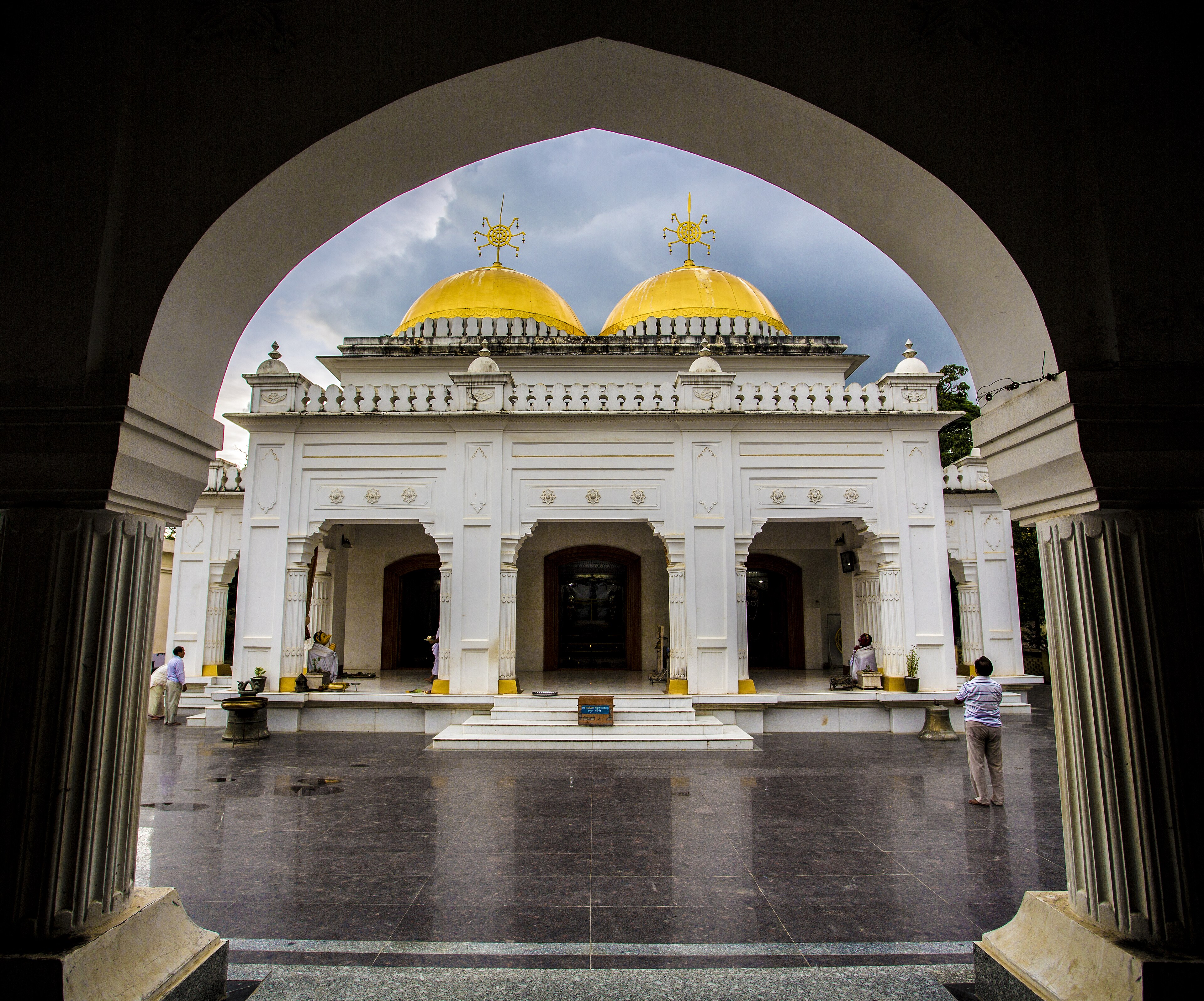
Shree Govindajee Temple
About Shree Govindajee Temple
The temple was established in 1846 during the reign of Maharaja Nara Singh. Nearly three decades later, Maharaja Chandrakriti undertook a comprehensive reconstruction of the structure in 1876, reshaping the temple into the form devotees encounter today. This two-stage history—initial foundation followed by substantial rebuilding—reflects the temple's enduring importance to successive rulers and the community they governed. The architectural work of the 1870s established much of what visitors see in the present day.
Daily Worship and Darshan
The temple opens for morning darshan at 05:30, remaining accessible until 13:00. Evening darshan begins at 16:00 and continues until 20:30, allowing devotees to visit across different parts of the day. The morning Mangal Aarti takes place at 06:00, while the evening Sandhya Aarti occurs at 19:00. These ritual times structure the temple's spiritual rhythm and offer visitors opportunities to witness the formal worship of the deity. Those planning to attend should note that timings may shift on festival days, making it wise to confirm arrangements with the temple before travelling.
Major Festivals and Celebrations
Two principal festivals draw large gatherings to the temple. Kang, the Rathayatra celebration, unfolds over ten days in June or July. The festival's centerpiece is the ceremonial procession of a twenty-foot chariot fitted with six iron wheels, drawn through the town in a display of devotional pageantry characteristic of Krishna worship across India. Yaosong, the local observance of Holi, spans five days and encompasses elaborate processions, cultural performances including Ras Leela—dance forms depicting Krishna's divine pastimes—and community participation in traditional games and celebrations. A third significant occasion is Kartik Purnima, observed in October or November, which draws devotees during the autumn lunar calendar. These festivals transform the temple into a focal point of Manipuri religious and cultural expression.
Visiting the Temple
The temple is located at Wangkhei Keithel Ashangbi in Imphal East, with coordinates 24.797798, 93.948486 for those using navigation tools. Visitors should plan their visit according to the darshan timings noted above, keeping in mind that the temple operates on a split schedule with a midday closure. As a Hindu temple dedicated to Krishna, standard etiquette applies: removing footwear before entering, maintaining respectful behavior within the sanctum, and dressing modestly. The temple's location in an urban area of Imphal makes it accessible to those visiting the city, though specific information about parking, facilities, or accommodation near the temple is not documented in available sources.
Best Times to Visit
Those seeking to experience the temple during its most vibrant periods should consider visiting in June or July for Kang, February or March for Yaosong, or October or November for Kartik Purnima. These seasons align the visitor's journey with the temple's major observances, offering insight into how the community gathers to honor Radha and Krishna. Outside these festival periods, the temple welcomes daily visitors during its regular darshan hours, providing a quieter setting for personal devotion.
How to reach
You may also visit
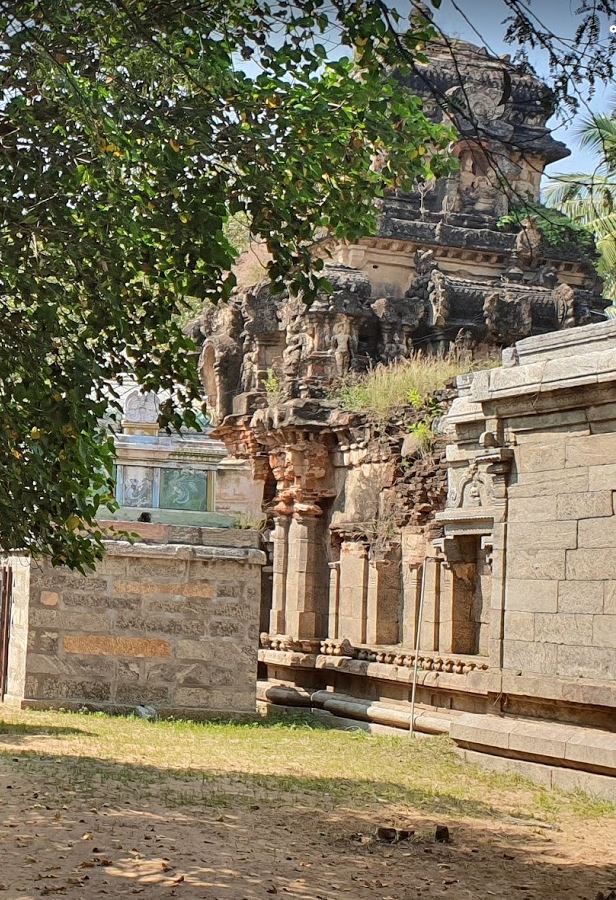
Agatheeswarar Temple, Karur
Agatheeswarar Temple in Thirumukkudalur, Karur district, is an ancient Hindu shrine dedicated to Shiva, situated at the sacred confluence of three rivers and believed to be over 1000 years old.
Kalyanji Temple
Kalyanji Temple in Jaipur's Chandpol Bazaar is an ancient Krishna shrine established in the 1820s, renowned for its seven daily aartis and special avatar darshan ceremonies during Akha Teej and Patottsav festivals.
Rani Sati Mandir Mahuda
Rani Sati Mandir in Mahuda, Dhanbad District, is a Hindu temple established in 1992 that serves as a spiritual center for the local community and attracts devotees seeking blessings.