
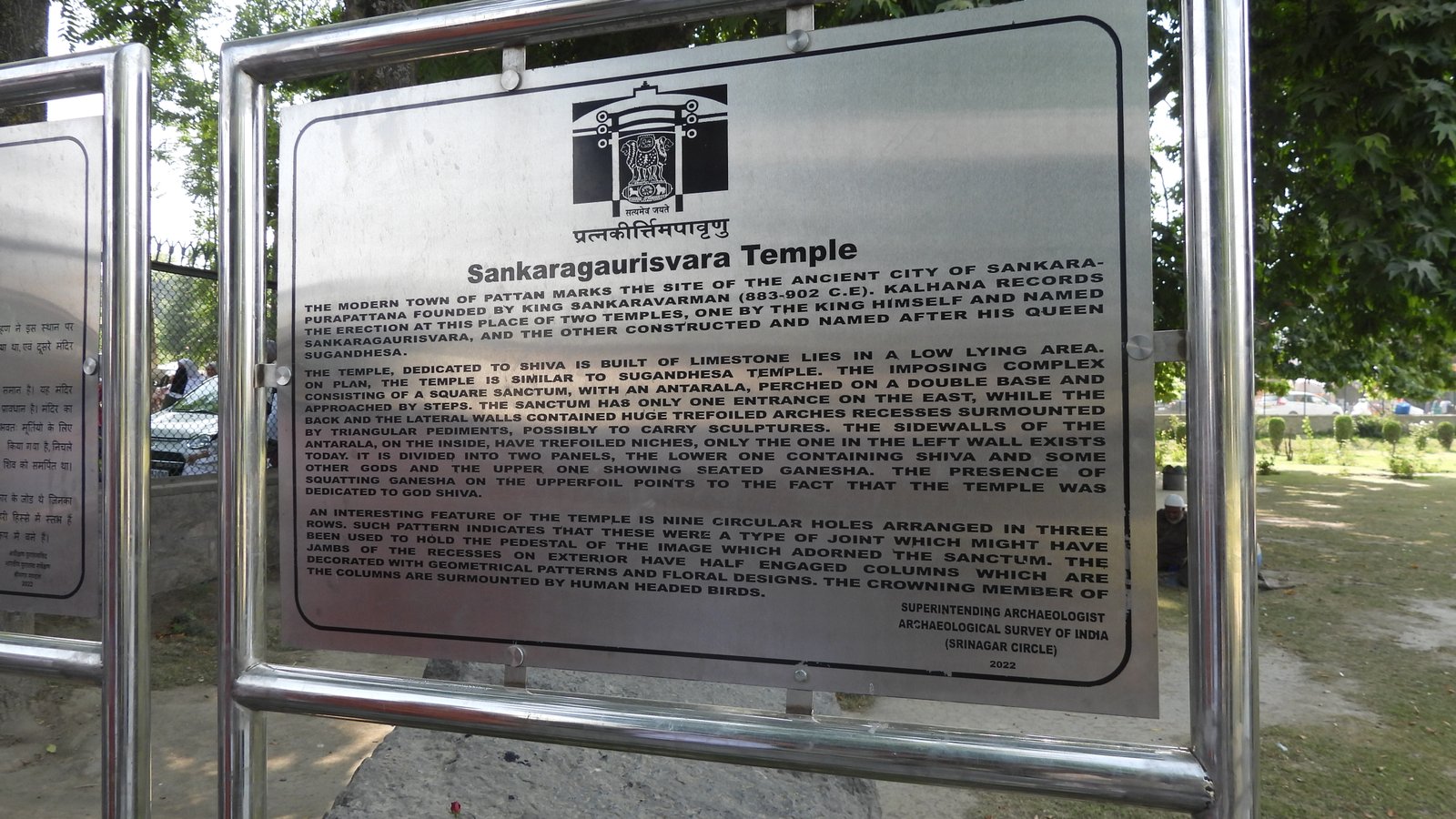
Shankaragaurishvara Temple, Pattan
About Shankaragaurishvara Temple, Pattan
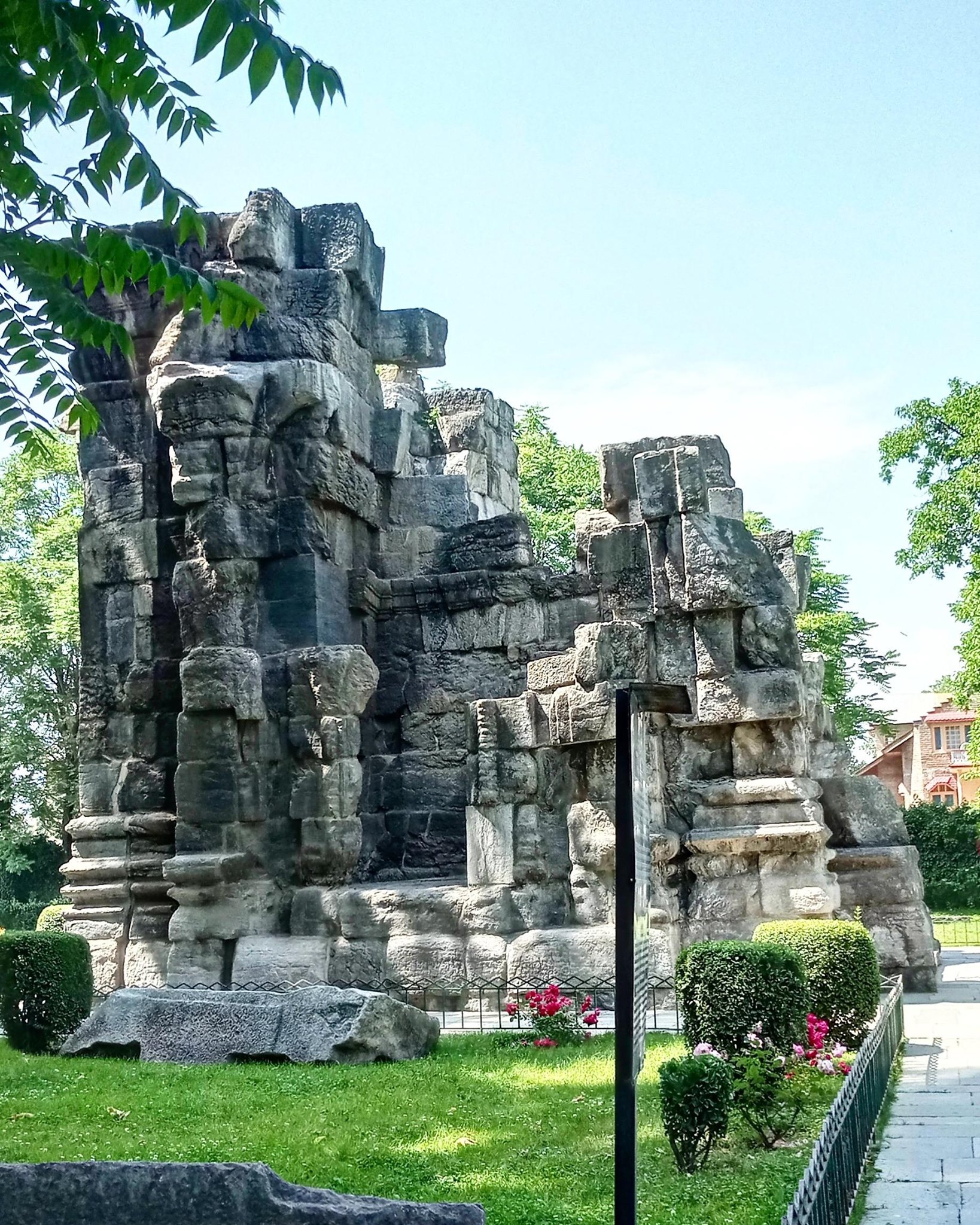
The temple exemplifies the architectural traditions of early medieval Kashmir, with features that distinguish it from temple construction elsewhere in the subcontinent. Among its most remarkable elements is a stone carving consisting of nine concentric circles—a geometric motif that stands out as rare within the temple complex. Historians have noted the deliberate and sophisticated execution of this design, suggesting it may have served ritual, cosmological, or symbolic purposes within the sacred layout. The precise meaning of this geometric pattern remains open to interpretation, but it demonstrates how symbolic design was integrated with sacred architecture during the Utpala period. The temple's overall architectural style reflects the distinctive approaches to temple construction that characterized Kashmir during this era.
Spiritual Significance and Tradition
Local tradition records that Jagadguru Adi Shankaracharya visited the temple and stayed for three days, during which large gatherings of devotees attended daily worship at the shrine. The site preserves several objects connected by tradition to this period, including an abhiṣekha stone believed to have been used by the Acharya in worship and a ceremonial kalaśa associated with his stay. According to local recitations, the profound impression left by the Acharya's worship led devotees to identify the shrine as "Shankara Gaurīśvara," a name that continues to preserve the memory of this enduring association. While these accounts rest on living tradition rather than documented historical records, they reflect the spiritual significance the temple has held for devotees across centuries.
Worship and Daily Practice
Temples dedicated to Shiva typically maintain regular puja schedules, with abhiṣekha (ritual bathing of the deity) and other offerings forming the core of devotional practice. However, detailed information about current daily worship practices at this site is limited. Visitors planning to participate in worship or seek darshan should inquire locally with temple authorities about current worship timings, any specific rituals observed, and access to the inner sanctum, as these details may vary seasonally or according to local circumstances.
Planning Your Visit
Pattan is located in the Baramulla district of northern Kashmir at coordinates approximately 34.16°N, 74.56°E. The region's climate varies significantly by season: Kashmir experiences cold winters with snow and mild summers. The best time to visit is during the mild summer months; visitors should avoid the cold winter season when snow may affect travel and access to the temple. Before planning a visit, check local conditions and any travel advisories for the region, as accessibility can be affected by weather and other factors beyond the temple's control.
As is customary in Hindu temples, visitors should dress modestly and remove footwear before entering the sanctum. Temple etiquette calls for respectful behaviour within the sacred space. It is advisable to contact the temple authorities in advance to confirm current access arrangements and any specific practices or restrictions that may apply during your intended visit.
How to reach
Temples near Shankaragaurishvara Temple, Pattan
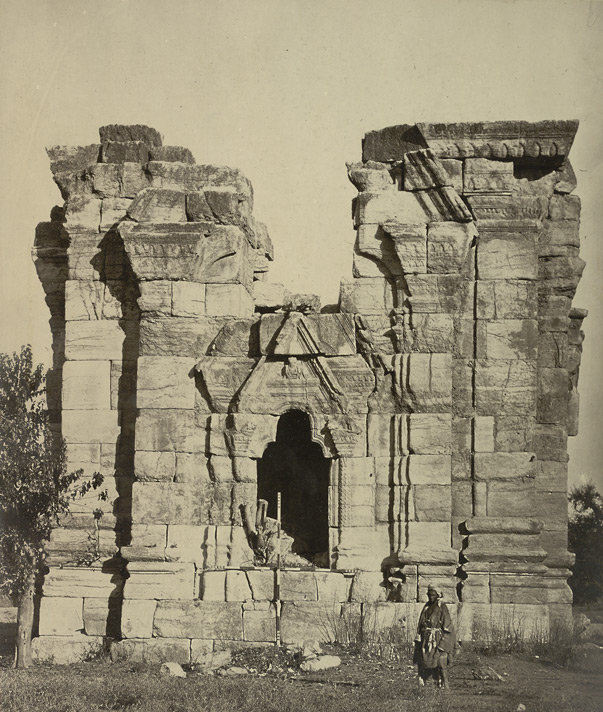
Shankaragaurishvara Temple
The Shankaragaurishvara Temple is a 9th-century Hindu shrine dedicated to Shiva, built by King Shankaravarman of the Utpala dynasty and located in Pattan, Kashmir. It exemplifie…
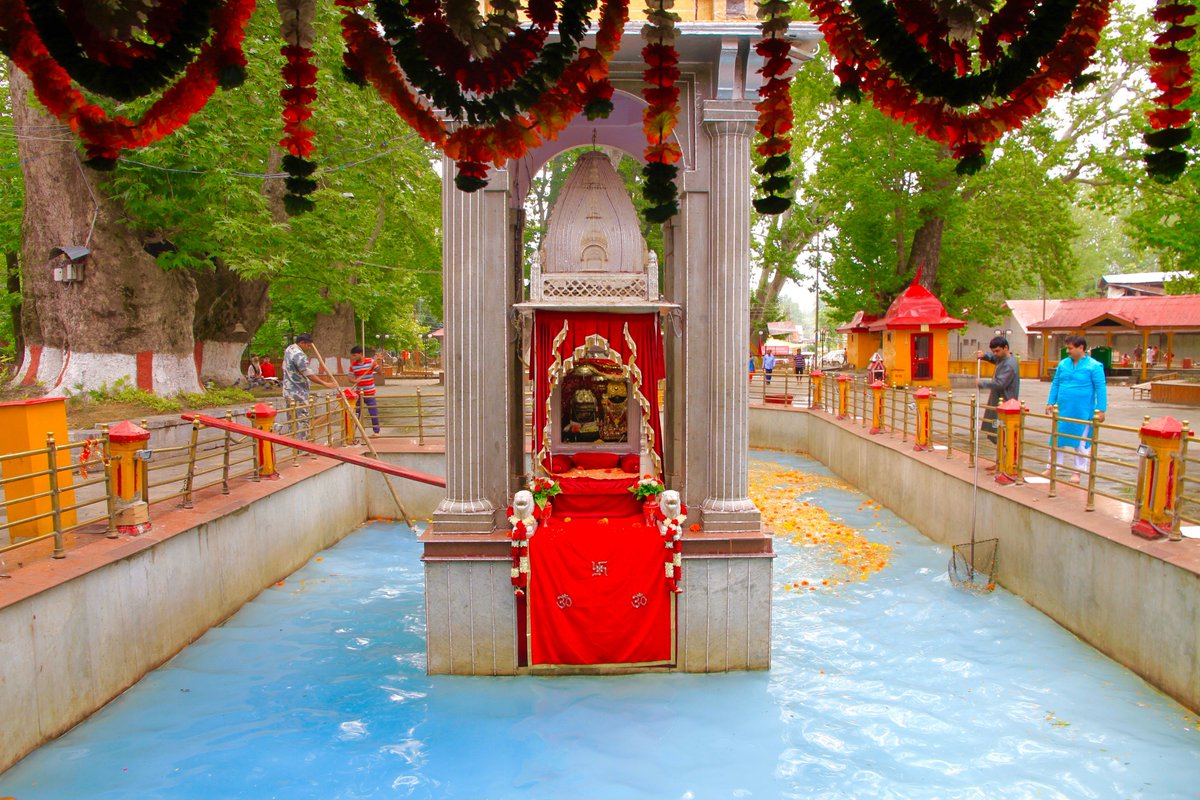
Kheer Bhawani Temple
Kheer Bhawani Temple, situated 25 km northeast of Srinagar in Tulmulla village, is a sacred Hindu shrine dedicated to the goddess Kheer Bhawani (also known as Ragnya Devi), buil…
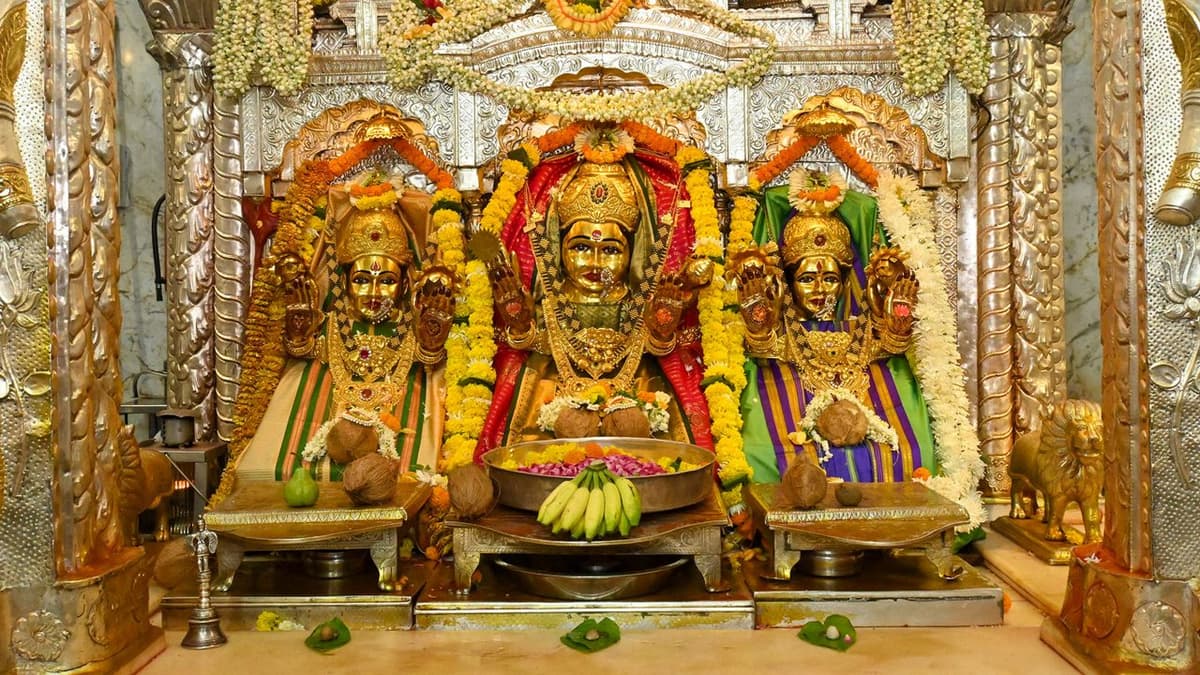
Maharani Temple
Shri Mahalakshmi Temple in Mumbai, established in 1831, is one of the city's most revered Hindu temples dedicated to Goddess Mahalakshmi, the divine bestower of wealth and prosp…
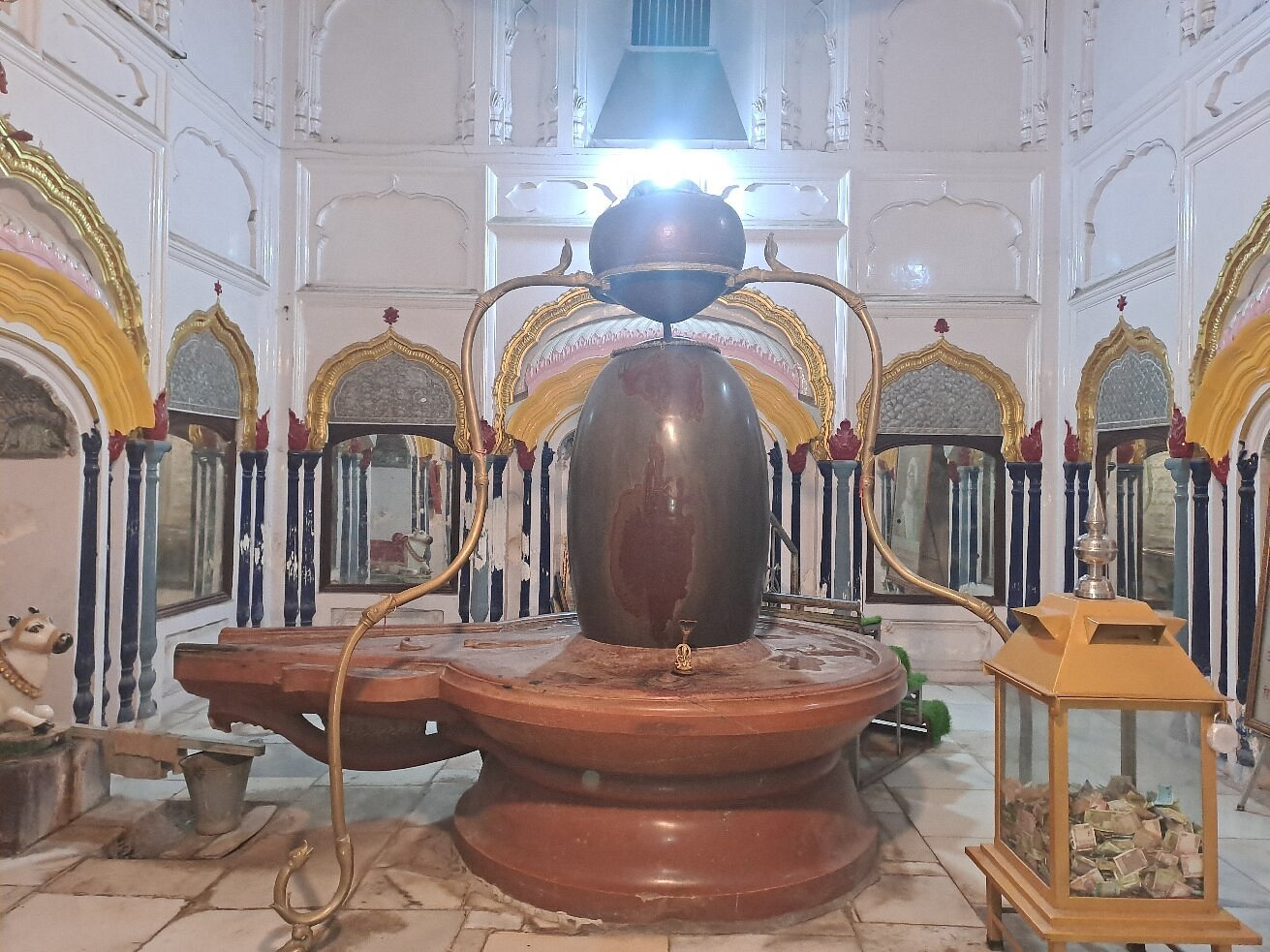
Raghunath Temple, Srinagar
Raghunath Temple in Srinagar is a historic Hindu shrine dedicated to Lord Rama, constructed between 1835 and 1860 under Maharaja Gulab Singh and completed by Maharaja Ranbir Sin…
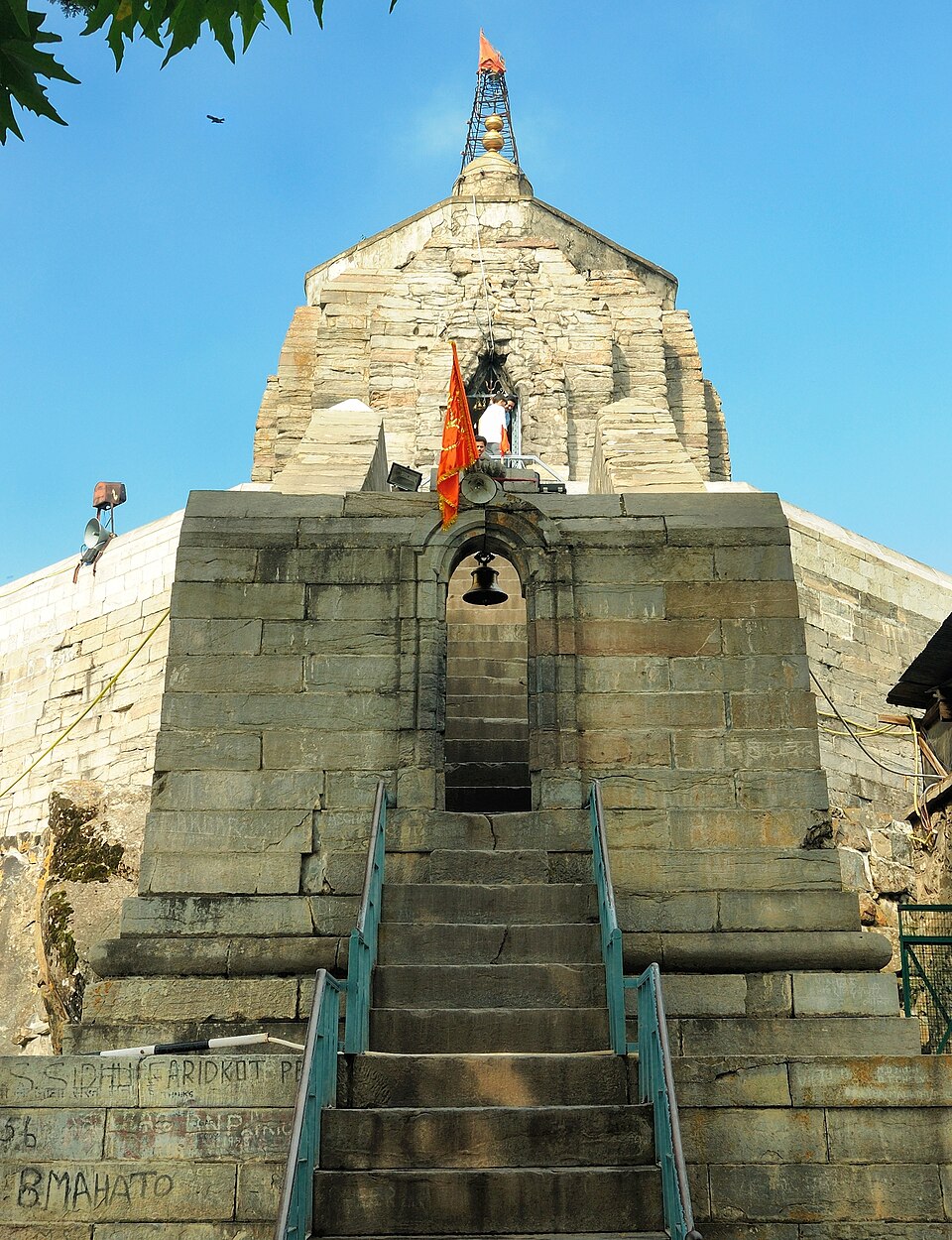
Shankaracharya Temple, Srinagar
Shankaracharya Temple is an ancient Hindu shrine dedicated to Lord Shiva, perched atop Shankaracharya Hill at 1,000 feet above Srinagar, offering panoramic views of Dal Lake and…
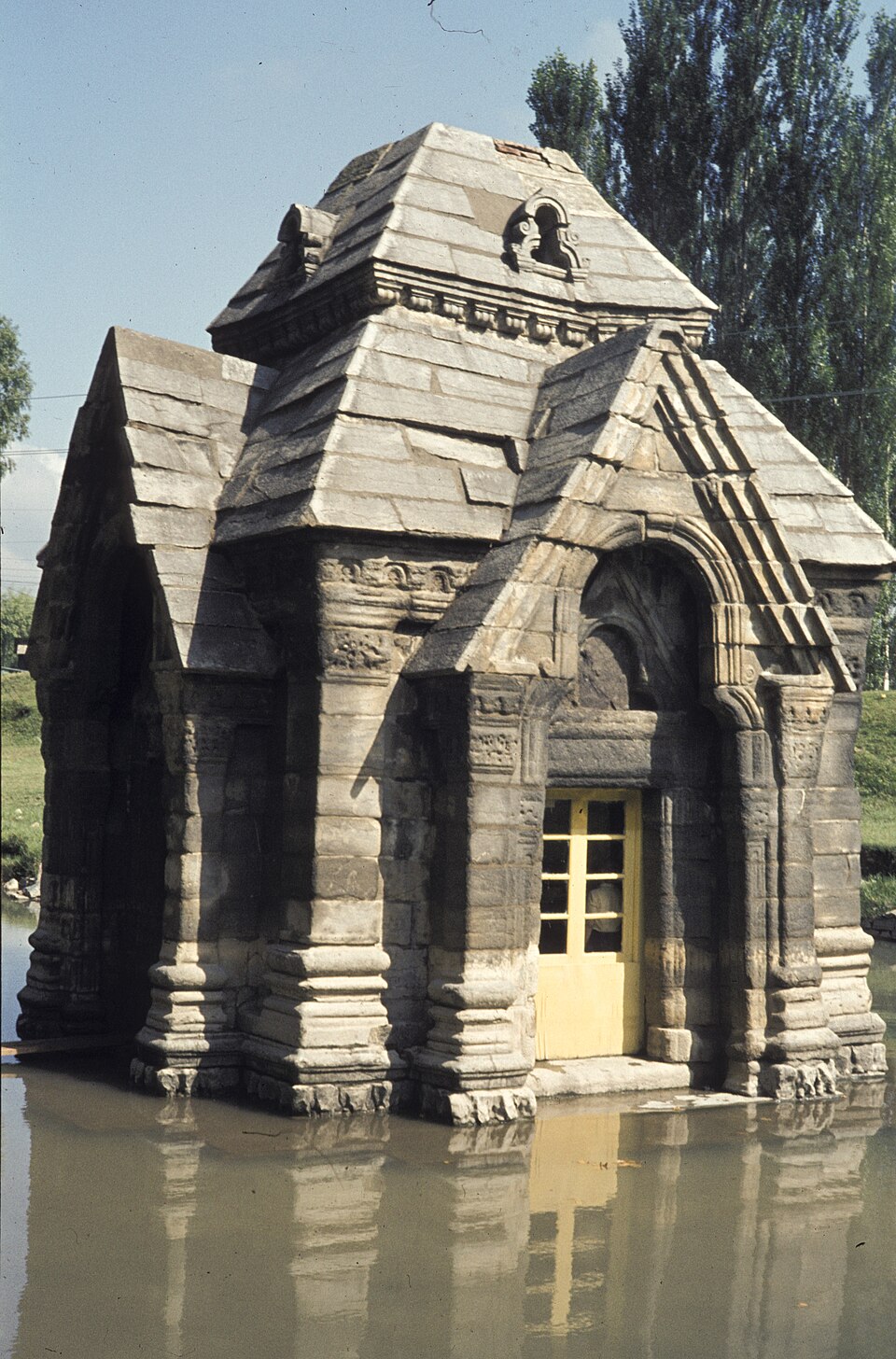
Pandrethan Shiva Temple
The Pandrethan Shiva Temple in Srinagar is one of Kashmir's finest preserved ancient Hindu stone temples, dating to the 8th–9th century CE and situated around a natural spring-f…