
Shankaragaurishvara Temple
About Shankaragaurishvara Temple
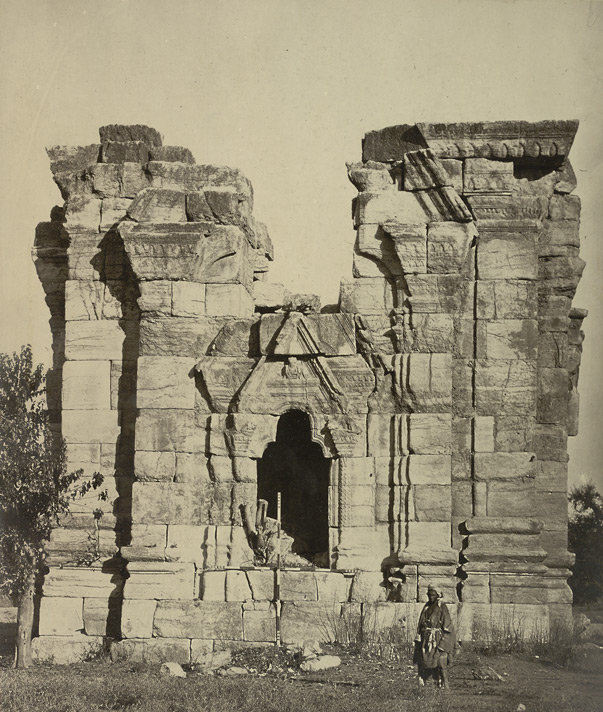
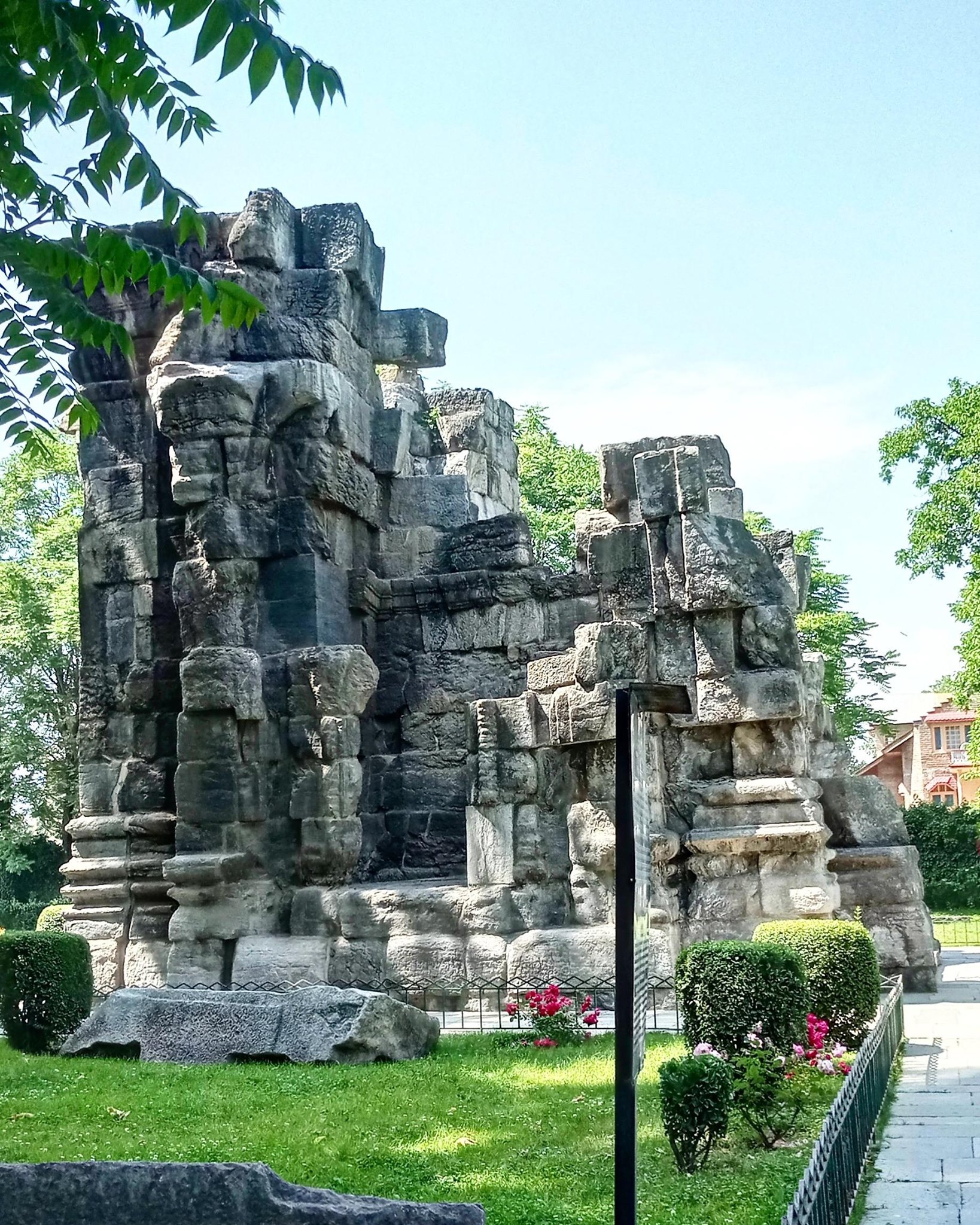
The temple exemplifies the distinctive architectural traditions of early medieval Kashmir. Among its most notable features is a stone carving consisting of nine concentric circles—a geometric motif that appears rarely within the temple complex. The deliberate and sophisticated execution of this design suggests it may have held ritual, cosmological, or symbolic significance within the sacred layout, though its precise meaning remains open to interpretation. This geometric patterning demonstrates how symbolic design was integrated with sacred architecture during the Utpala period.
The overall architectural style reflects the approaches to temple construction that characterized Kashmir during this era, distinguishing it from temple traditions in other regions of India. For visitors interested in early medieval Hindu architecture and the development of temple design in Kashmir, the structure itself offers valuable insights into the period.
Worship and Ritual Practice
Temples dedicated to Shiva typically maintain regular puja schedules, with abhiṣekha (ritual bathing of the deity) and other offerings forming the core of devotional practice. Local tradition records that during Adi Shankaracharya's stay, large gatherings of devotees attended daily worship at the shrine, suggesting the temple held significance as a center of religious life.
However, detailed information about current daily worship practices, specific rituals observed, and access arrangements is limited. Visitors should inquire locally with temple authorities about current worship timings, any specific rituals maintained at the site, and access to the inner sanctum, as these details may vary seasonally or according to local circumstances.
Planning Your Visit
The best time to visit is during the summer months. Winter brings snow to the region, which can significantly affect travel and access to the temple. Visitors should plan accordingly and check local conditions before traveling, particularly if visiting outside the summer season.
The temple is located at coordinates 34.101, 74.562 in Pattan. Before visiting, it is advisable to contact local temple authorities to confirm current opening arrangements, worship schedules, and any specific protocols for visitors. Given the temple's historical significance and remote location, advance inquiry will help ensure a meaningful visit.
Visiting Etiquette and Practical Considerations
As a Hindu temple dedicated to Shiva, visitors should observe standard temple etiquette. This typically includes removing footwear before entering the sanctum, maintaining respectful behavior within the sacred space, and following any instructions provided by temple staff. Modest dress is appropriate when visiting Hindu temples.
Facilities at the site may be limited given its location and historical nature. Visitors should come prepared with water and any necessary supplies, and should not assume modern amenities will be available. Photography policies should be confirmed with temple authorities before visiting.
Reaching Pattan
Pattan is situated in the Baramulla district of Jammu and Kashmir. The region is accessible by road, though travel conditions can vary significantly with the season. Winter weather can make roads difficult or impassable. Visitors should plan their journey with attention to seasonal conditions and allow adequate time for travel. Local inquiry about current road conditions and the most practical route is recommended before undertaking the journey.
How to reach
You may also visit
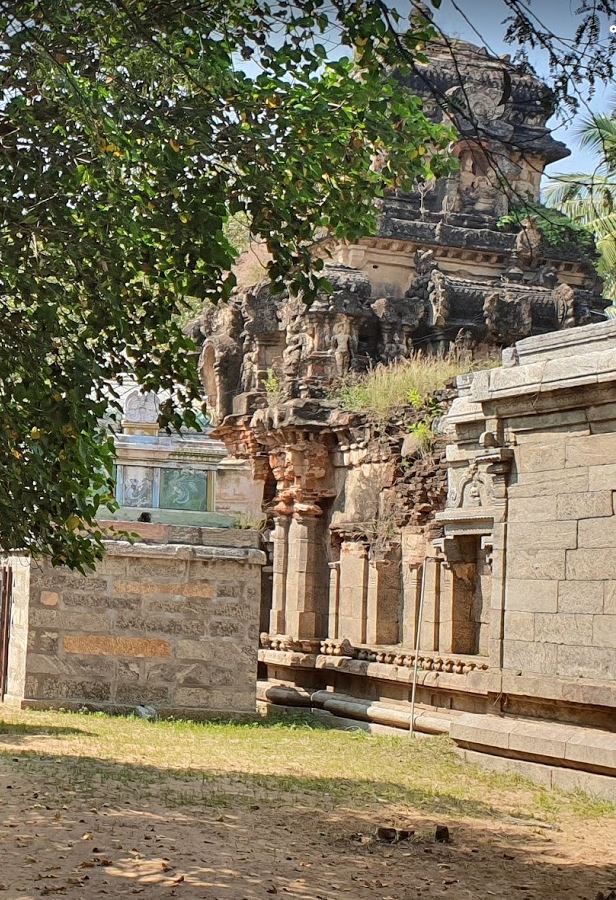
Agatheeswarar Temple, Karur
Agatheeswarar Temple in Thirumukkudalur, Karur district, is an ancient Hindu shrine dedicated to Shiva, situated at the sacred confluence of three rivers and believed to be over 1000 years old.
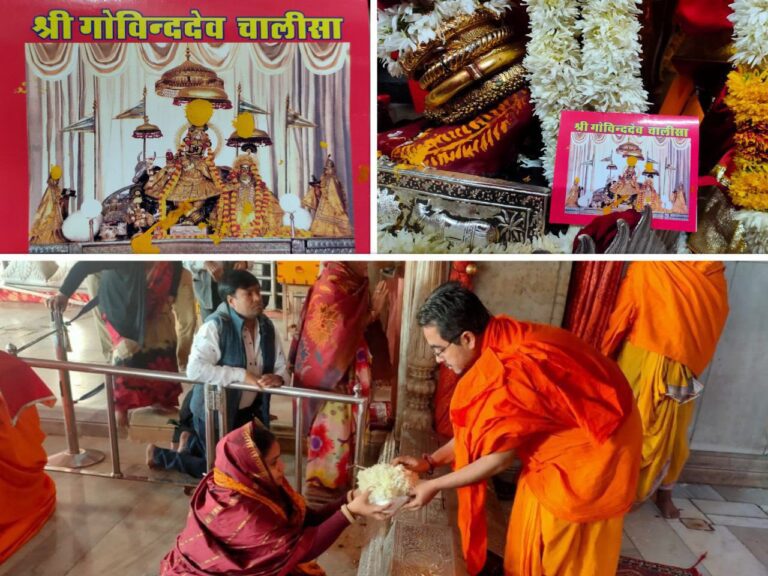
Kalyanji Temple
Kalyanji Temple in Jaipur's Chandpol Bazaar is an ancient Krishna shrine established in the 1820s, renowned for its seven daily aartis and special avatar darshan ceremonies during Akha Teej and Patottsav festivals.
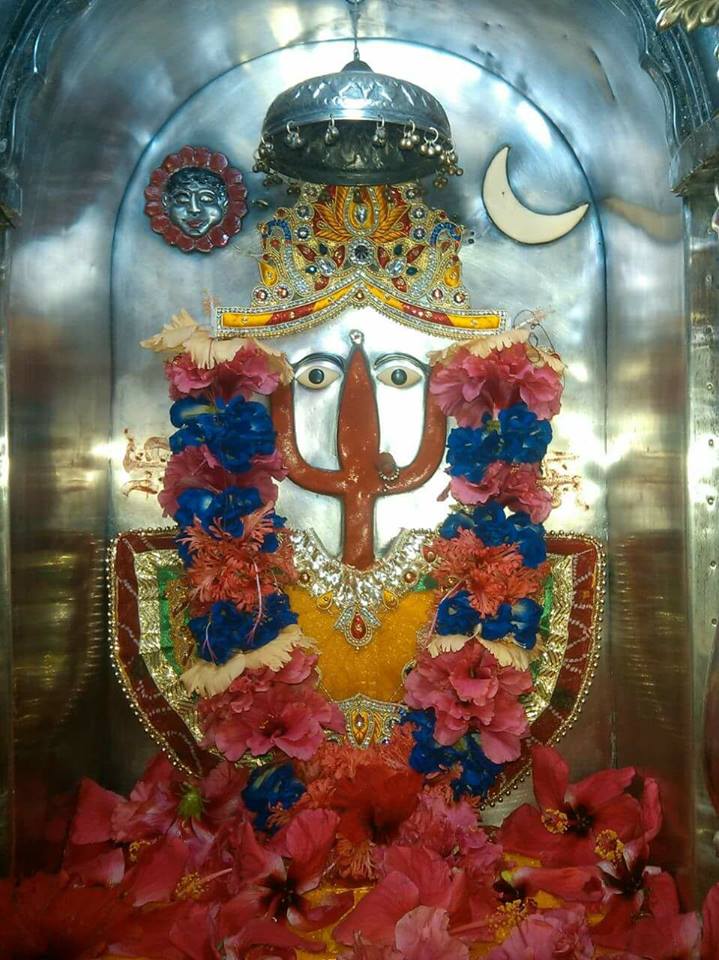
Rani Sati Mandir Mahuda
Rani Sati Mandir in Mahuda, Dhanbad District, is a Hindu temple established in 1992 that serves as a spiritual center for the local community and attracts devotees seeking blessings.