
Sanghi Temple
About Sanghi Temple
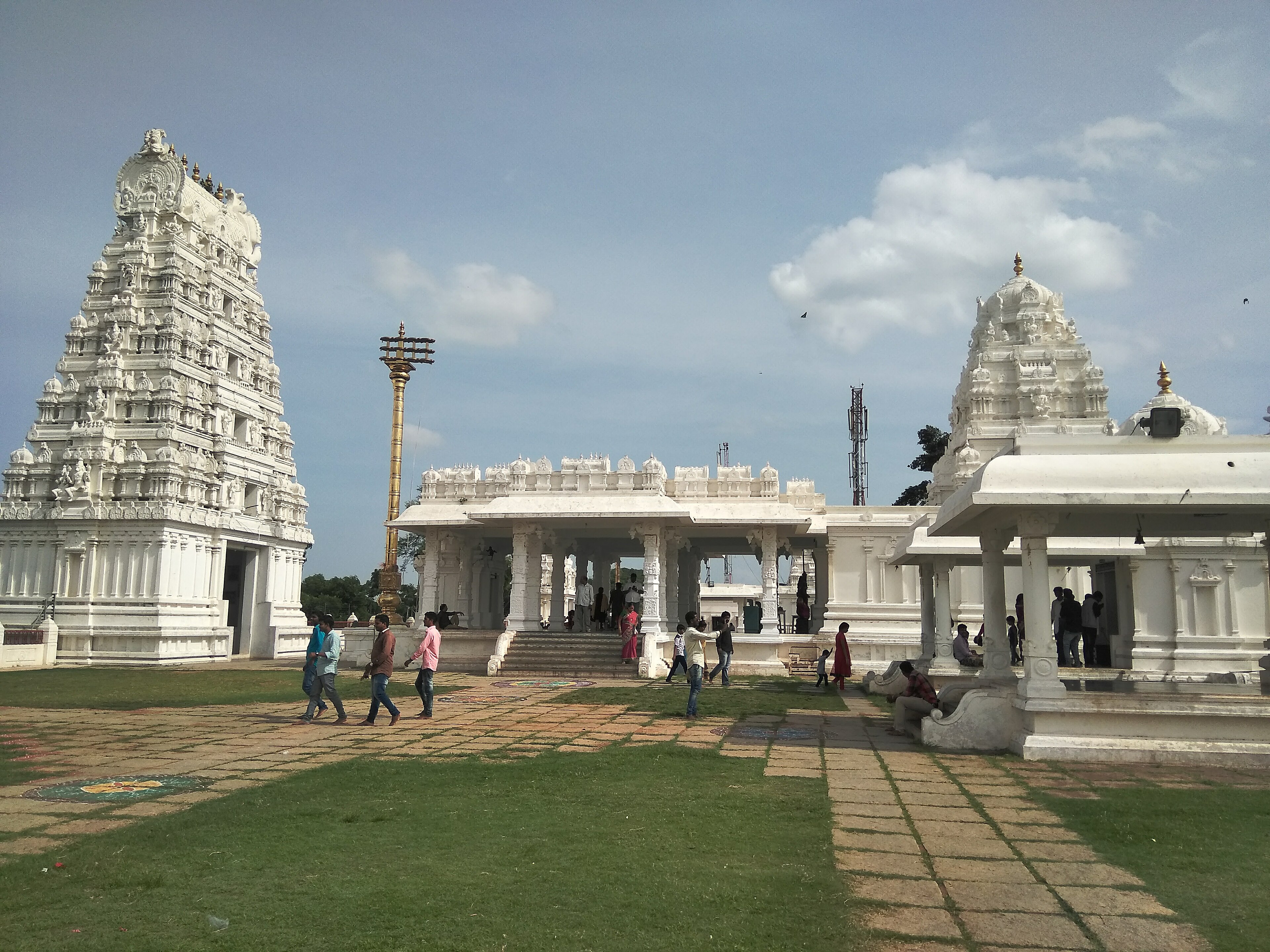
The temple exemplifies Chola-Chalukya architectural style, a classical South Indian tradition characterised by distinctive proportions and ornamentation. The structure features three gopurams (temple towers) at the foot of the hillock, each dedicated to different deities. The main entrance is marked by the grand Maha Dwaram, through which devotees pass to ascend to the shrine.
The exterior is constructed in pristine white marble, adorned with intricate carvings and sculptures that depict mythological narratives and divine figures. This blend of South Indian and Dravidian architectural influences creates a visually cohesive structure that reflects both aesthetic refinement and religious purpose. The craftsmanship evident throughout the temple demonstrates the care taken in its construction and the skill of its artisans.
Darshan Timings and Access
The temple maintains regular darshan hours throughout the week. From Monday to Saturday, devotees may visit between 8:00 and 13:00 in the morning, and again from 16:00 to 20:00 in the evening. On Sundays, festivals, and public holidays, the temple remains open continuously from 8:00 to 20:00, accommodating the increased number of pilgrims during significant religious occasions.
For those seeking a quieter experience with more personal space for worship, weekday mornings between 8:00 and 11:00 typically attract fewer visitors. The temple's hilltop location requires climbing, so visitors should allow adequate time and wear comfortable walking shoes. Plan for at least two to three hours for your visit, accounting for travel from Hyderabad, the ascent, and time for darshan and personal prayer.
Festivals and Auspicious Days
The temple observes several major Hindu festivals throughout the year, including Janmashtami (celebrating Lord Krishna's birth), Ganesh Chaturthi, Vishwakarma Jayanti, Maha Navmi, Dussehra, Valmiki Jayanti, and Diwali. Beyond the regular festival calendar, Sanghi Temple has become particularly significant on two occasions: Ekadashi (the eleventh lunar day of the lunar calendar) and the first day of the New Year. These days draw especially large congregations of pilgrims seeking blessings, and the temple's spiritual atmosphere is notably vibrant during these observances.
Visiting Etiquette and Practical Information
Visitors should dress modestly, with covered shoulders and knees, as is customary at Hindu temples. Footwear must be removed before entering the inner sanctum. Photography policies may vary; it is respectful to ask permission before photographing the deity or inner shrine areas.
The temple's white marble surfaces can be bright in direct sunlight, making early morning or late afternoon visits more comfortable. Bring water for the climb and wear sturdy footwear suitable for hillside terrain. The journey from central Hyderabad typically takes approximately one hour by road, depending on traffic conditions.
How to Reach
Sanghi Temple is located at Sanghi Nagar, Paramananda Giri hill, Hyderabad, Telangana, at coordinates 17.2668°N, 78.6758°E. The temple lies about 35 kilometres from Hyderabad city. These coordinates can be entered into navigation applications for precise directions. The hilltop location means the final approach involves climbing, so plan your journey accordingly and allow extra time if you are unfamiliar with the route.
How to reach
You may also visit
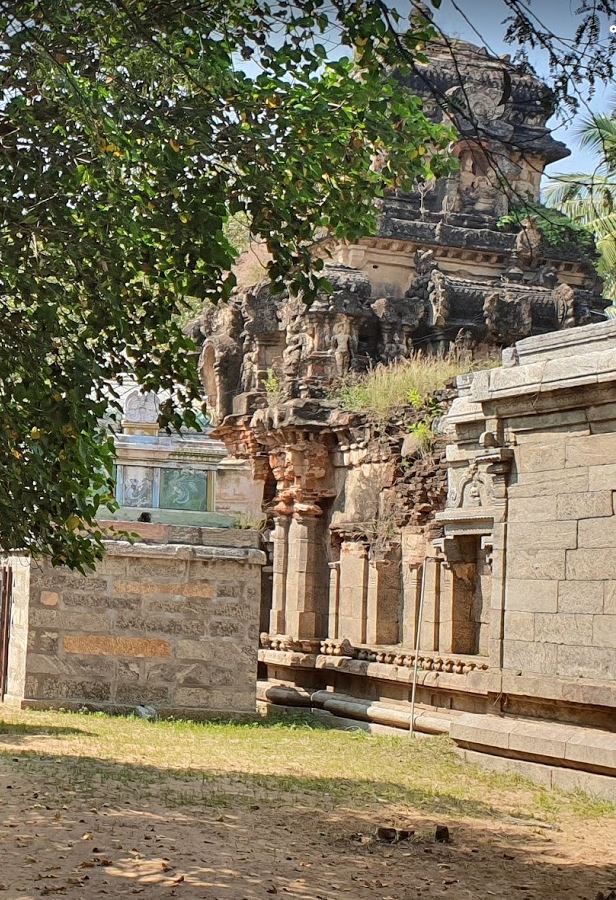
Agatheeswarar Temple, Karur
Agatheeswarar Temple in Thirumukkudalur, Karur district, is an ancient Hindu shrine dedicated to Shiva, situated at the sacred confluence of three rivers and believed to be over 1000 years old.
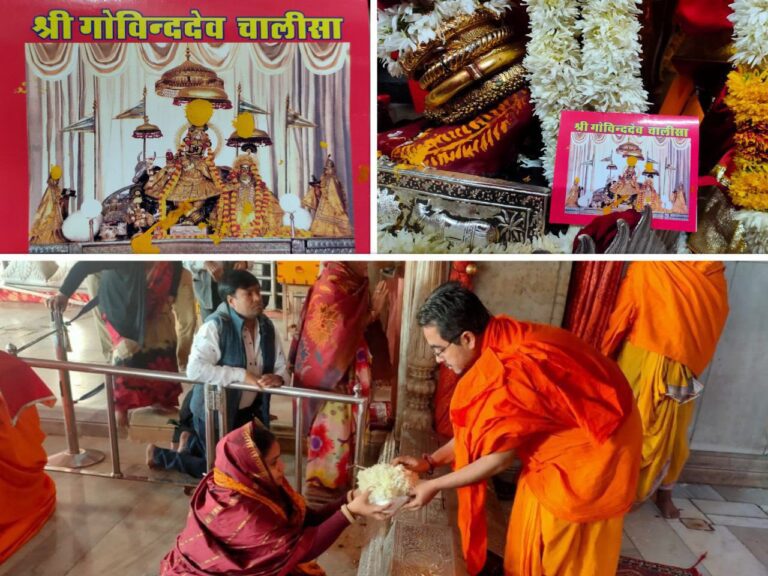
Kalyanji Temple
Kalyanji Temple in Jaipur's Chandpol Bazaar is an ancient Krishna shrine established in the 1820s, renowned for its seven daily aartis and special avatar darshan ceremonies during Akha Teej and Patottsav festivals.
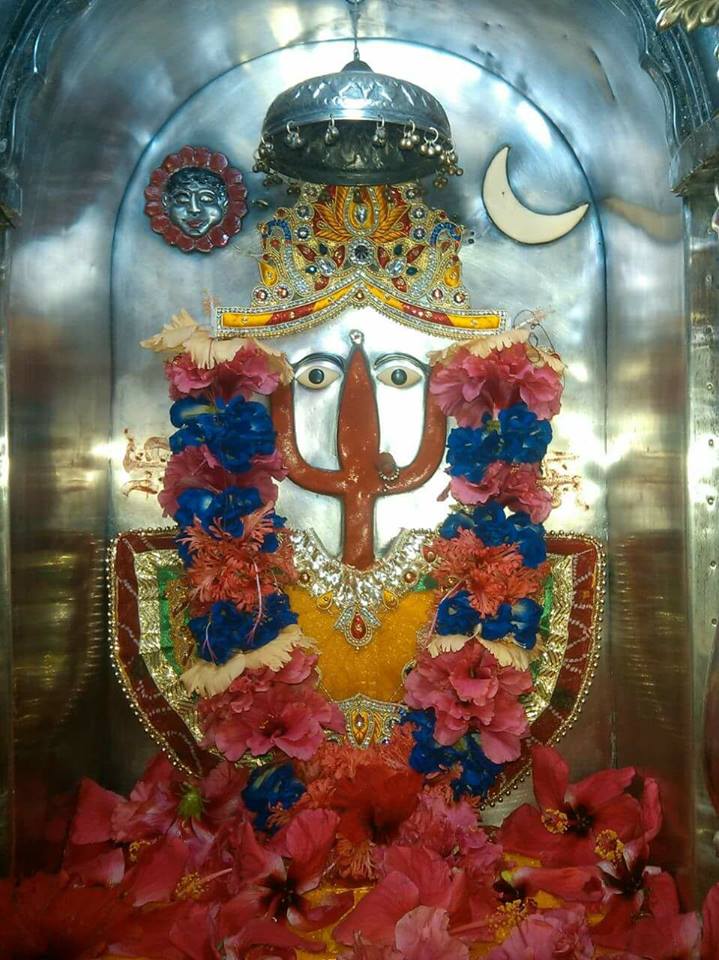
Rani Sati Mandir Mahuda
Rani Sati Mandir in Mahuda, Dhanbad District, is a Hindu temple established in 1992 that serves as a spiritual center for the local community and attracts devotees seeking blessings.