Rudra Mahalaya Temple
About Rudra Mahalaya Temple
Construction of Rudra Mahalaya began in 943 CE under Mularaja of the Chaulukya dynasty and continued for nearly two centuries, reaching completion in 1140 CE under Jayasimha Siddharaja. This extended building period reflects the ambition of successive rulers to create a monumental structure. The temple complex represented not merely a place of worship but a statement of royal patronage, cultural achievement, and religious devotion during the height of medieval Gujarat's power.
The architectural style belongs to the Maru-Gurjara tradition, characteristic of temples built across Gujarat and Rajasthan during this period. The original complex comprised multiple shrines, halls, and courtyards, though only portions survive today.
Architectural Character and Destruction
The temple was built with the ornate detailing typical of its era—intricate carvings, sculpted pillars, and a towering shikhara (spire) that would have dominated the skyline. The facade featured carved depictions of deities and celestial figures. However, the structure did not survive intact. The temple was first destroyed by Alauddin Khalji, the Sultan of Delhi, and later substantially demolished by Ahmed Shah I, the Sultan of Gujarat. Following this demolition, part of the complex was converted into the congregational mosque that occupies the western section today.
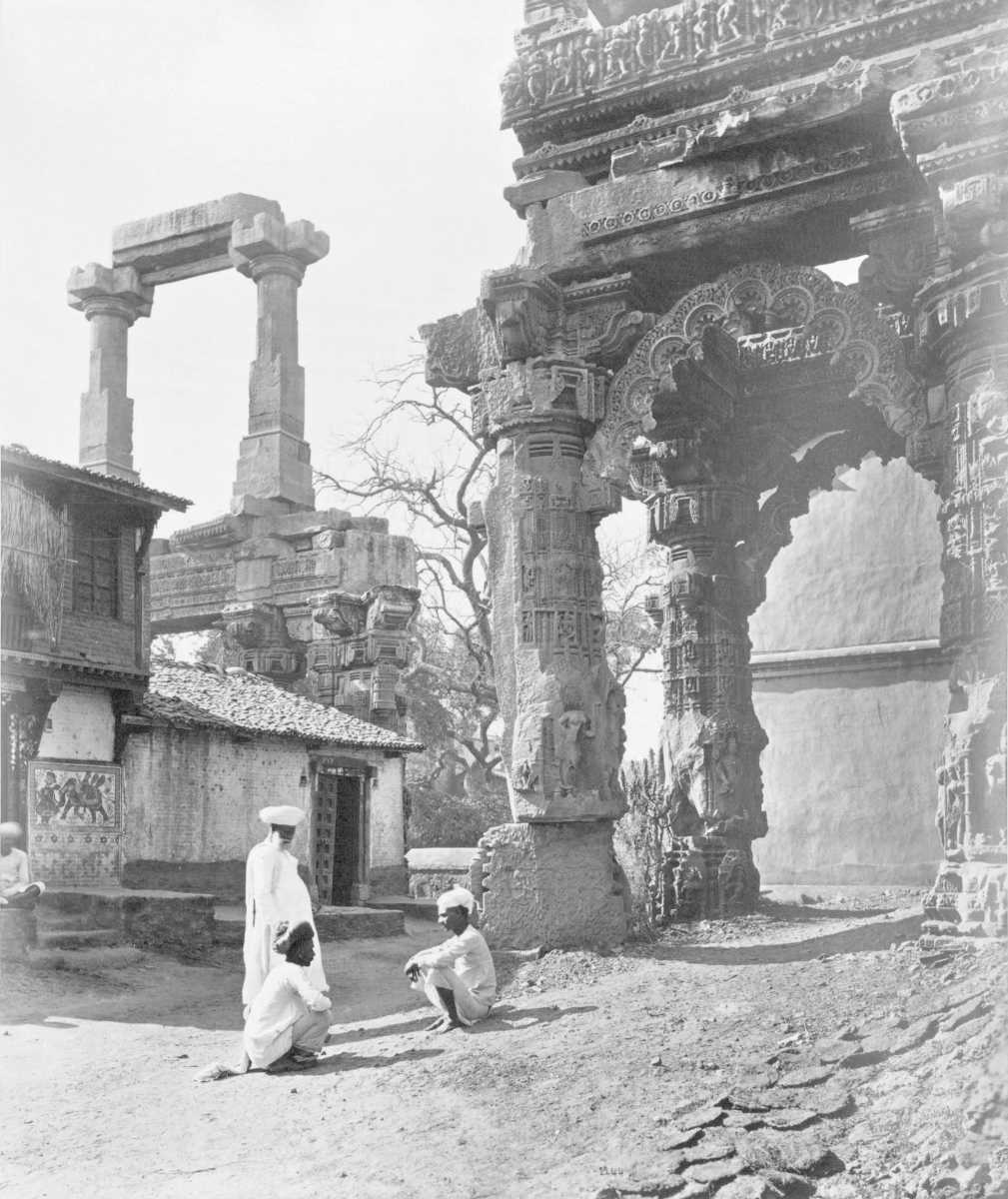
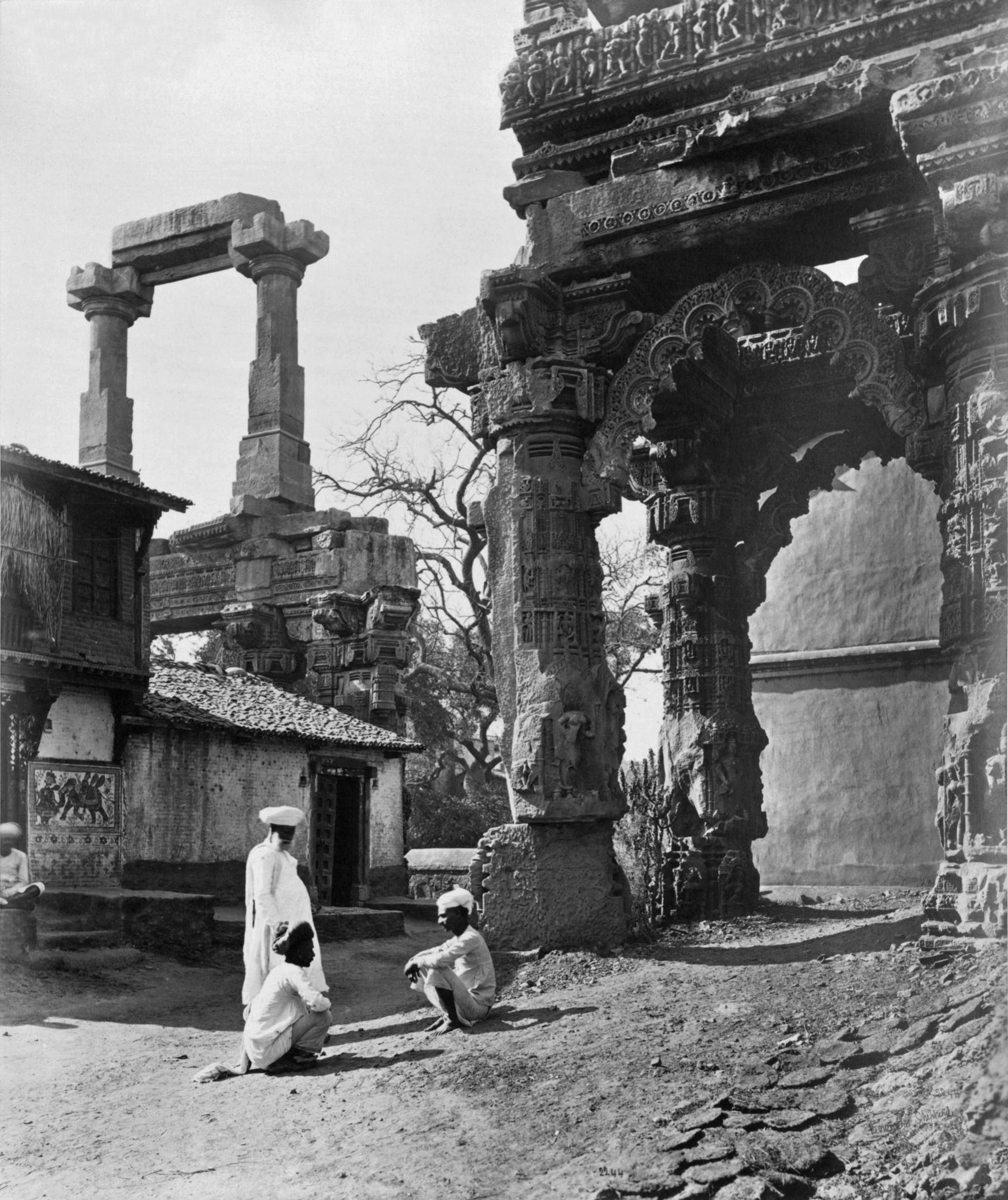
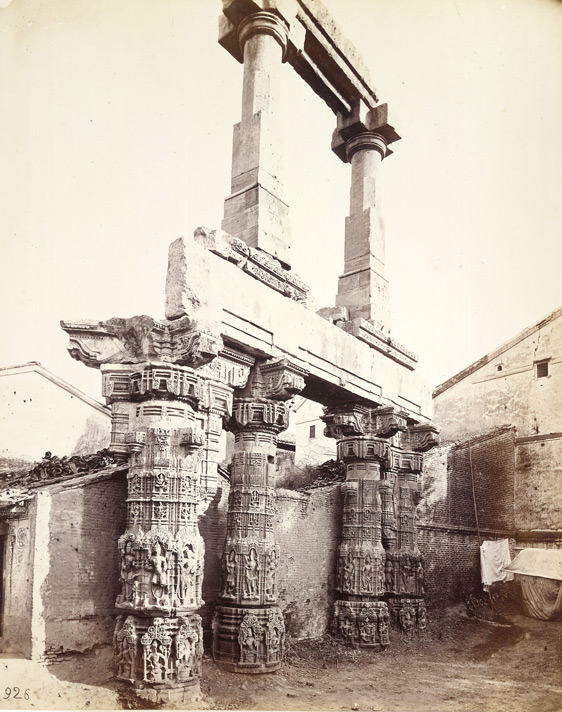
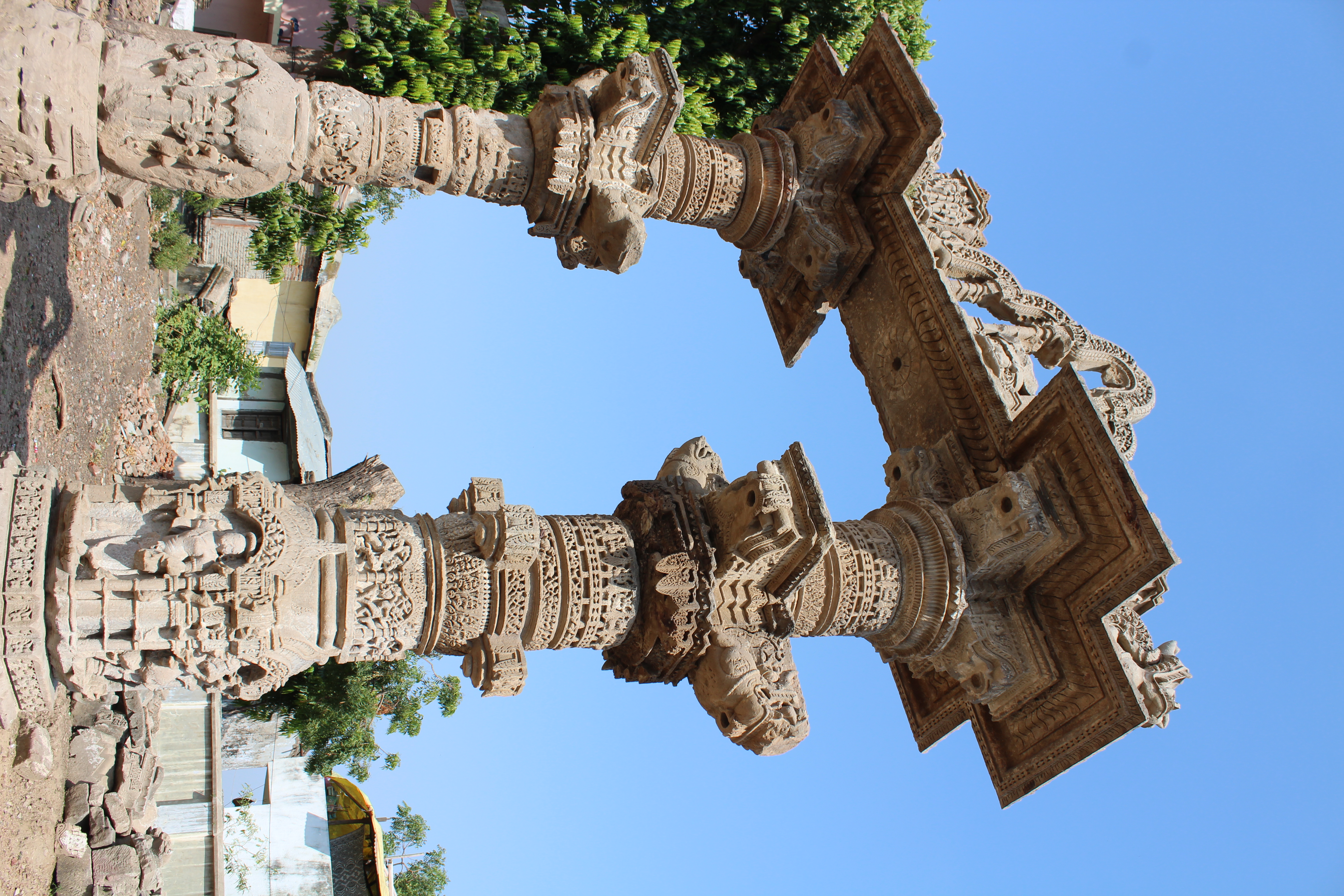
What remains—the two torans and four pillars—testifies to the scale and craftsmanship of the original construction while also marking the ruptures of history. These standing elements allow visitors to appreciate the architectural vocabulary of medieval temple building, even as they confront the reality of the structure's fragmentation.
Visiting the Site: Practical Information
The site is open daily from 08:45 to 19:15. Siddhpur experiences its most comfortable climate from November through February, making these months ideal for visiting. Those seeking quieter conditions and cooler temperatures should arrive between 5 and 8 AM, though this falls outside official opening hours and should be verified locally.
Rudra Mahalaya is located in Ambavadi, near Rang Fali, in Siddhpur town, Patan district, Gujarat. The coordinates are 23.919166666667°N, 72.379166666667°E. Visitors should dress modestly and respectfully, particularly because the western portion of the complex functions as an active mosque. Photography may be permitted but should be undertaken with sensitivity to the site's religious significance and any posted restrictions. The site functions as a protected heritage location; visitors should treat it accordingly.
Approaching the Sacred Space
Because this site holds meaning for multiple faiths—Hindu devotional traditions associated with Lord Shiva, Islamic worship in the active mosque, and the broader heritage of Indian architecture—visitors should approach with awareness of these layers. The shared sacred space requires particular respect. Those wishing to engage spiritually with the site should do so quietly and without disruption to any active worship occurring in the mosque section.
The spiritual atmosphere here derives from historical significance and the devotional traditions connected to the place, rather than from active temple rituals and ceremonies. Visitors seeking the experience of a fully functioning shrine with regular pujas and darshan should understand that Rudra Mahalaya offers something different: an encounter with architectural heritage and the enduring presence of a site that has witnessed centuries of religious life.
Getting There
Siddhpur is located in Patan district in northern Gujarat. The town is accessible by road from Ahmedabad and other regional centers. Local transportation options and accommodation are available in Siddhpur. Visitors planning to explore the broader region may combine a visit to Rudra Mahalaya with other heritage sites in the area, as Patan district contains multiple sites of historical and architectural interest.
How to reach
Temples near Rudra Mahalaya Temple
Umiya Mata Temple
Umiya Mata Temple in Unjha, Gujarat, is the principal shrine of Goddess Umiya, the kuldevi of the Kadva Patidar community. The temple features an impressive complex with 650 sta…

Harsiddhi Mata Temple, Sunak
Harsiddhi Mata Temple in Ujjain is one of the 51 sacred Shaktipeeths, where Goddess Sati's elbow is believed to have fallen. The temple is renowned for its spectacular twin 13-t…
Ganapati Dada Temple, Aithor
Shri Ganpati Dada Temple in Aithor is an ancient shrine dedicated to Lord Ganesha, believed to be over 1200 years old and situated on the banks of the Puspavati River near Unjha…
Nilkantheshwar Mahadev temple, Ruvavi
Nilkantheshwar Mahadev temple in Ruvavi, Patan, Gujarat is a Shiva shrine recognized as a Monument of National Importance, dedicated to Lord Shiva in his Nilkanth form.
Valinath Mahadev temple, Tarabh
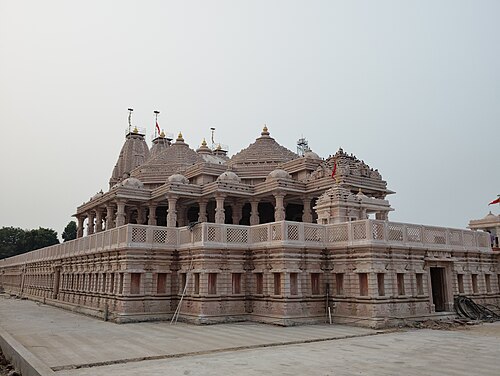
Valinath Mahadev Temple in Tarabh village, Mehsana district, Gujarat, is a recently inaugurated Hindu shrine dedicated to Lord Shiva that opened in February 2024.
Valinath Mahadev Temple
Valinath Mahadev Temple is a recently inaugurated Hindu shrine dedicated to Lord Shiva, located in Tarabh village within Mehsana district, Gujarat. The temple opened in February…