Ramanatha Eeswaran Temple
About Ramanatha Eeswaran Temple
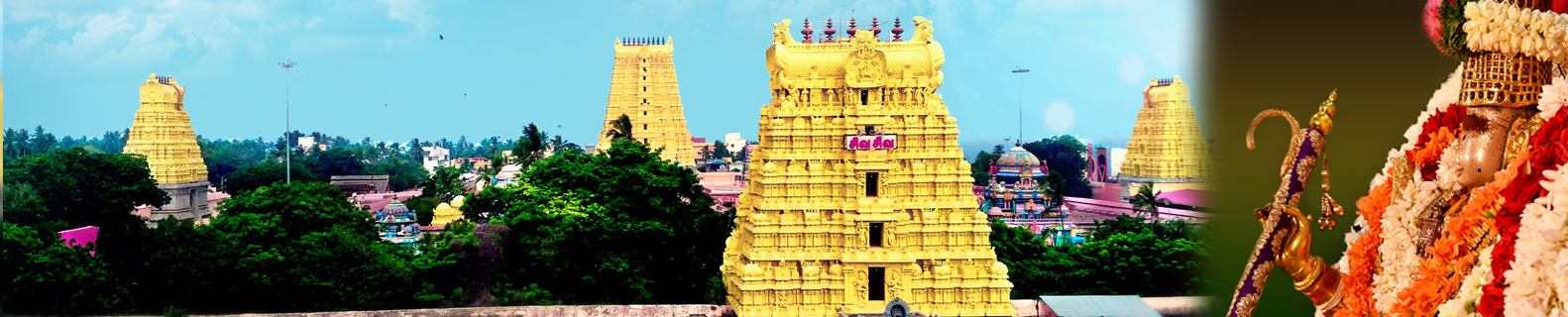
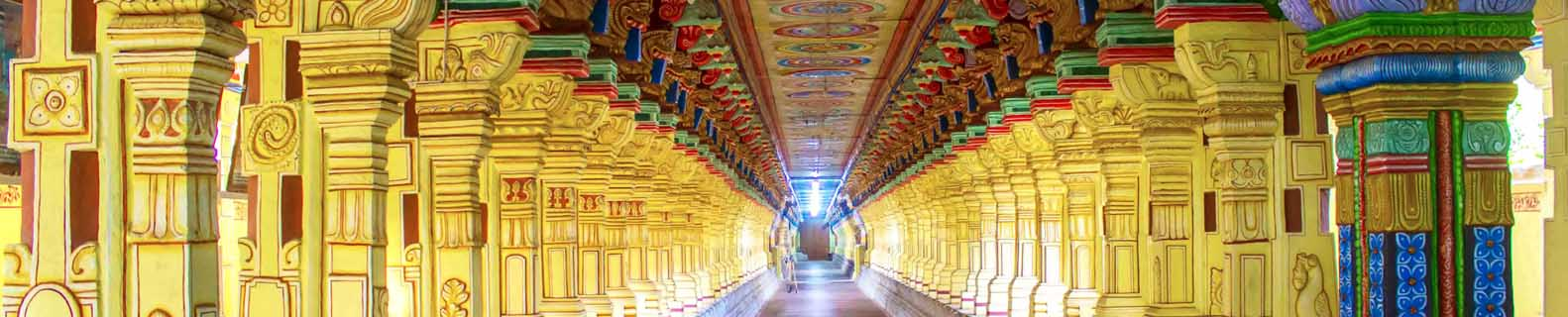
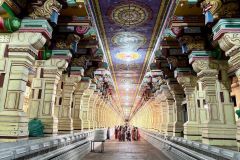
The temple was established during the 12th century, making it a structure of considerable antiquity within the Tamil Nadu temple landscape. The shrine has expanded significantly over the centuries, developing into a complex of substantial proportions. One of its most distinctive architectural features is the corridor system—the temple is noted for possessing India's longest temple corridor, a feature that shapes the experience of pilgrims moving through the sacred space.
The temple's layout reflects the traditional design principles of South Indian Hindu architecture, with the main sanctum housing the primary deity. The extensive corridor network facilitates the movement of large numbers of devotees during darshan, a practical consideration given the temple's status as a major pilgrimage destination.
The 22 Sacred Wells and Ritual Bathing
A defining characteristic of this temple is the presence of 22 theerthams (sacred wells) located within the temple premises. These wells hold particular significance in the devotional practice associated with the shrine. Pilgrims traditionally bathe in these theerthams as part of their worship, viewing the act as spiritually purifying. The theerthams are accessible during designated hours: from 5:30 AM to 12:30 PM in the morning, and from 3:00 PM to 7:00 PM in the evening, allowing devotees to incorporate ritual bathing into their visit.
Daily Darshan and Worship Timings
The temple maintains a structured daily schedule accommodating morning and evening worship. The temple opens at 4:00 AM, with devotees permitted entry from 5:00 AM onwards. The first darshan of the day focuses on the Sphatika Lingam, available for viewing between 5:00 AM and 6:00 AM. The main sanctum (moolasthana) remains open for darshan from 6:00 AM until 1:00 PM. The temple then closes for a midday period, reopening at 3:00 PM with devotees admitted from 3:15 PM until 8:00 PM, when the temple closes for the day.
The early morning ritual known as Palliarai Deepa Aradhana takes place during the pre-dawn hours, representing one of the principal daily ceremonies. Multiple poojas occur throughout the day, though specific details of these rituals are not fully documented in available sources.
Planning Your Visit
The optimal period for visiting is between October and April, when weather conditions are most favorable for pilgrimage. Visitors should arrive early if seeking the Sphatika Lingam darshan, as this is a popular time. The temple's location on an island means that travel arrangements require planning; the nearest significant city is Rameswaram itself.
Dress modestly as is customary at Hindu temples—men typically wear dhotis or simple clothing, while women wear sarees or salwar kameez. Footwear is removed before entering the sanctum. Photography policies should be confirmed upon arrival. The temple provides facilities for pilgrims, though specific amenities are not detailed in available sources; it is advisable to inquire about accommodation and food services when planning your visit.
Reaching the Temple
The temple is located at coordinates 13.031038, 80.155501 in Rameswaram, Ramanathapuram District, Tamil Nadu 623526. The address is Arulmigu Ramanathaswamy Temple, Rameswaram. Bus routes serve the area, connecting to major towns and cities. Those traveling by rail will find Rameswaram railway station the nearest major transport hub. The island location means that visitors arriving by vehicle will cross the Pamban Bridge, a notable engineering structure connecting the island to the mainland.
How to reach
Temples near Ramanatha Eeswaran Temple
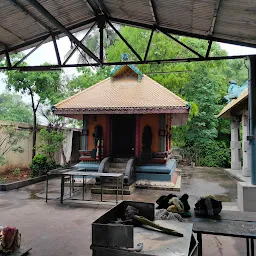
Sethu Kshetram
Sethu Kshetram is a Hindu temple dedicated to Lord Venkateshwara, located in Maryland and rooted in the Sri Vaishnava tradition.

Agasteeswarar Temple, Kolapakkam
Agasteeswarar Temple in Kolapakkam, Chennai, is a revered Shiva shrine where the sage Agastya is believed to have worshipped. The temple features shrines for the Navagrahas and…

Kovur Sundareswarar Temple
Kovur Sundareswarar Temple is a Hindu shrine dedicated to Shiva, constructed around 965 CE in a Chennai suburb. The temple gained cultural prominence through the devotional comp…

Kaliamman temple
Sri Madhura Kaliamman Temple in Siruvachur, Perambalur District, is a Hindu shrine dedicated to the goddess Kali, notable for its Car festival and annual Panguni celebrations.
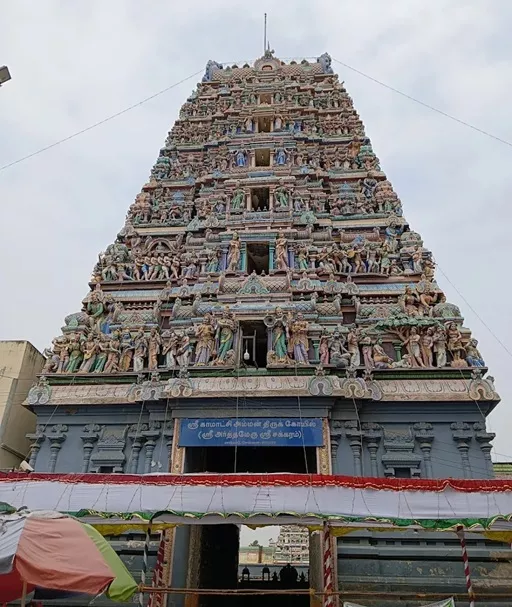
Kamakshi Amman Temple, Mangadu
The Kamakshi Amman Temple in Mangadu is a revered Shakti shrine dedicated to Goddess Parvati, located in a western suburb of Chennai. According to tradition, the goddess perform…

Ardhanarishvarar Temple
A seventh-century Shaiva temple in Egmore, Chennai, housing an ancient lingam and a bronze Ardhanarishvara murti. The shrine uniquely blends Shaiva and Vaishnava traditions with…