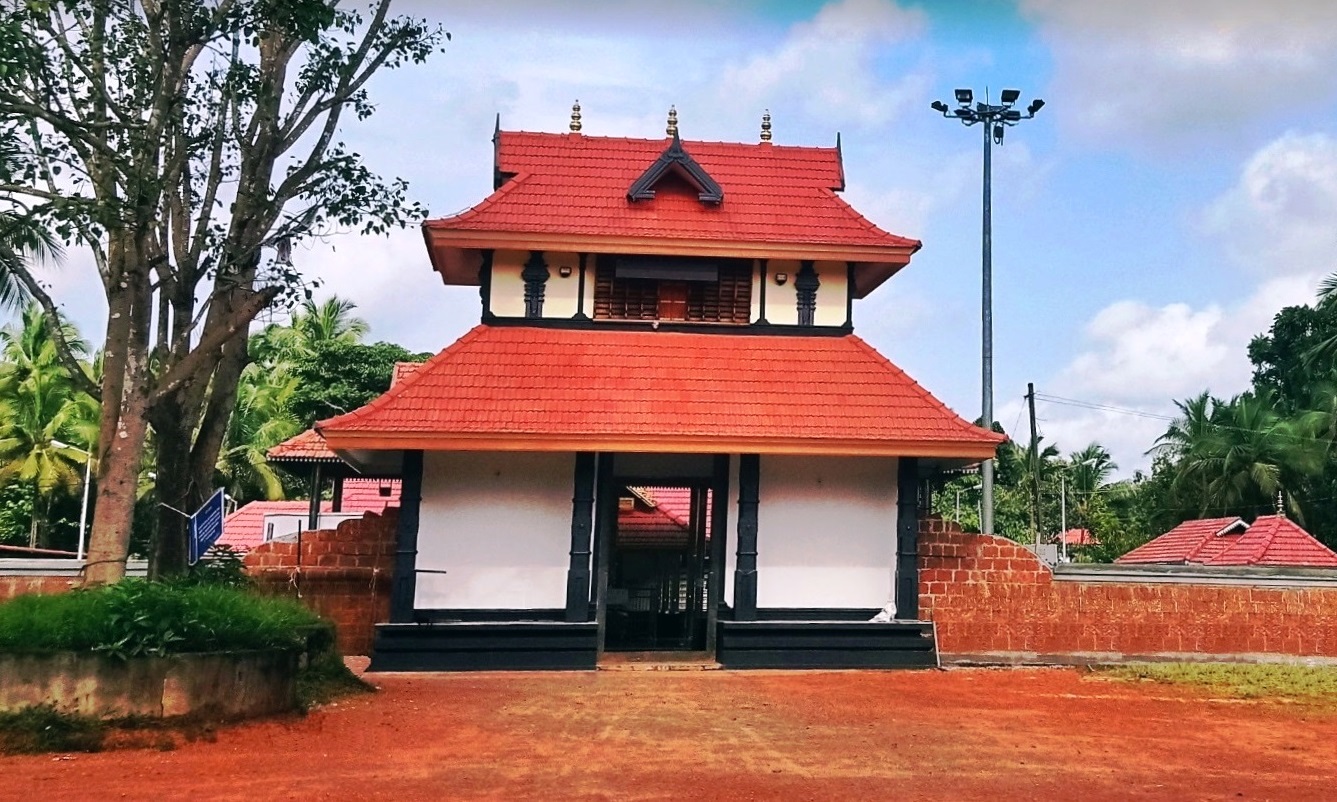
Perumparampu Sri Mahadeva Temple
About Perumparampu Sri Mahadeva Temple
The main sanctum sanctorum displays the Kukkudakruthy style—a distinctive architectural form within Kerala's temple building tradition—and is centuries old. The structure rises as a two-storey square building, reflecting the Kerala style that has evolved from Vedic architectural principles and forms part of the broader Dravidian architectural heritage of southern India. This architectural approach, documented in classical treatises such as the Tantrasamuchaya and Manushyalaya Chandrika, creates a sacred geometry intended to align the temple with cosmic principles.
The age and construction method of this temple speak to its significance within the region's religious landscape. Visitors approaching the sanctum will encounter the architectural elements typical of Kerala temples: the mandapa (pillared hall) where devotees gather before entering the inner sanctum, and the pradakshina path that allows circumambulation around the sacred space.
Location and Access
The temple sits approximately three kilometres from Edappal town, positioned along the Edappal–Parappuram–Ayankalam Road. This location places it within reach of the Malappuram District's road network, though visitors should confirm current travel routes and conditions before departure. The coordinates 10.803108, 75.9958814 can guide those using digital navigation tools.
Specific details regarding temple timings, contact information, and current facilities are not verified in available sources. Prospective visitors should make direct enquiries with the temple authorities before planning their visit to confirm opening hours, any entry requirements, and the availability of amenities.
Worship and Festivals
Maha Shivaratri, the great night dedicated to Shiva, represents a significant observance at this temple. This festival, celebrated according to the lunar calendar, draws devotees who observe vigils and perform special pujas in honour of the deity. Other festivals observed at Shiva temples across Kerala and India—including Pradosh Vrat, Navratri, Diwali, and Makar Sankranti—are likely marked here, though specific local practices should be confirmed with the temple.
Daily worship at Shiva temples typically follows established rituals, though the precise timings and forms of puja at this particular temple require verification from the shrine itself. Devotees traditionally offer prayers during auspicious times determined by the lunar calendar and daily astronomical calculations.
Visiting Etiquette and Practicalities
Visitors to Kerala temples should dress modestly, removing footwear before entering the sanctum and inner precincts. Men typically wear traditional attire or simple clothing; women should wear sarees or other conservative dress that covers shoulders and knees. This reflects the sacred nature of the space and respect for ongoing worship.
Before travelling, contact the temple directly to confirm current timings, any special rituals occurring on your intended visit date, and whether photography is permitted within the sanctum. Bring offerings such as flowers, coconuts, or incense if you wish to make a personal puja, though the temple may provide these. Observe silence in the inner sanctum and follow the pradakshina path in the clockwise direction as is customary.
Significance Within Kerala's Temple Landscape
This temple occupies a place within Kerala's rich Shaivite heritage, representing the continuity of worship practices that tradition associates with Parasurama's establishment of sacred sites across the region. Its inclusion among Kerala's 108 Shiva temples underscores its role within a broader network of devotional centres. The temple serves both local devotees and pilgrims seeking connection with Shiva worship in its Kerala manifestation, where architectural and ritual traditions have developed distinctively over centuries.
How to reach
You may also visit
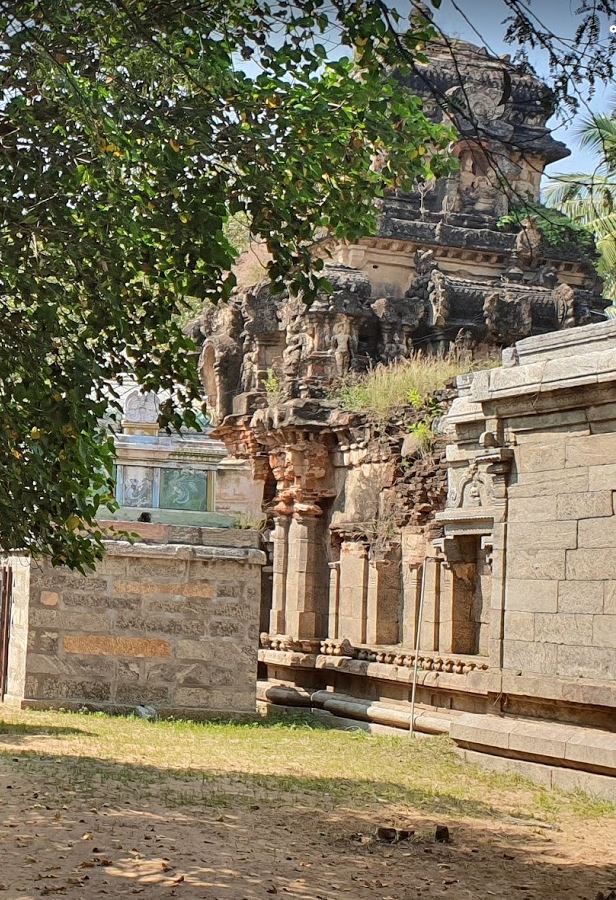
Agatheeswarar Temple, Karur
Agatheeswarar Temple in Thirumukkudalur, Karur district, is an ancient Hindu shrine dedicated to Shiva, situated at the sacred confluence of three rivers and believed to be over 1000 years old.
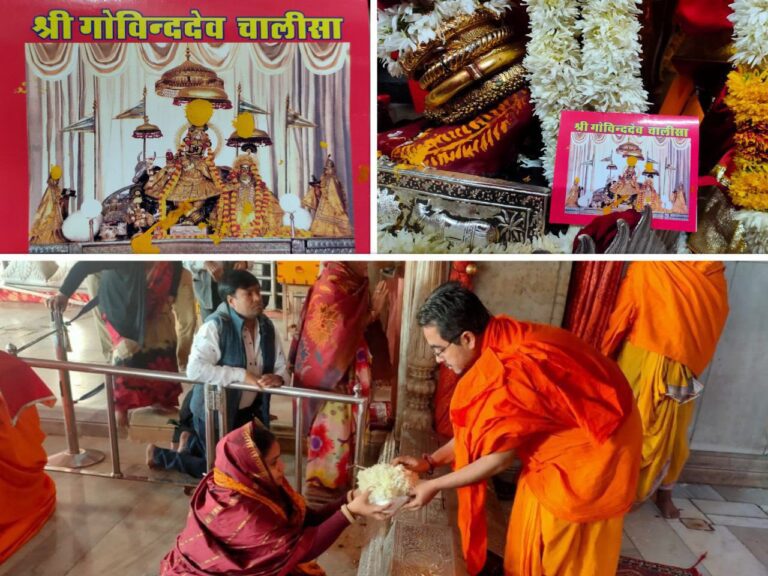
Kalyanji Temple
Kalyanji Temple in Jaipur's Chandpol Bazaar is an ancient Krishna shrine established in the 1820s, renowned for its seven daily aartis and special avatar darshan ceremonies during Akha Teej and Patottsav festivals.
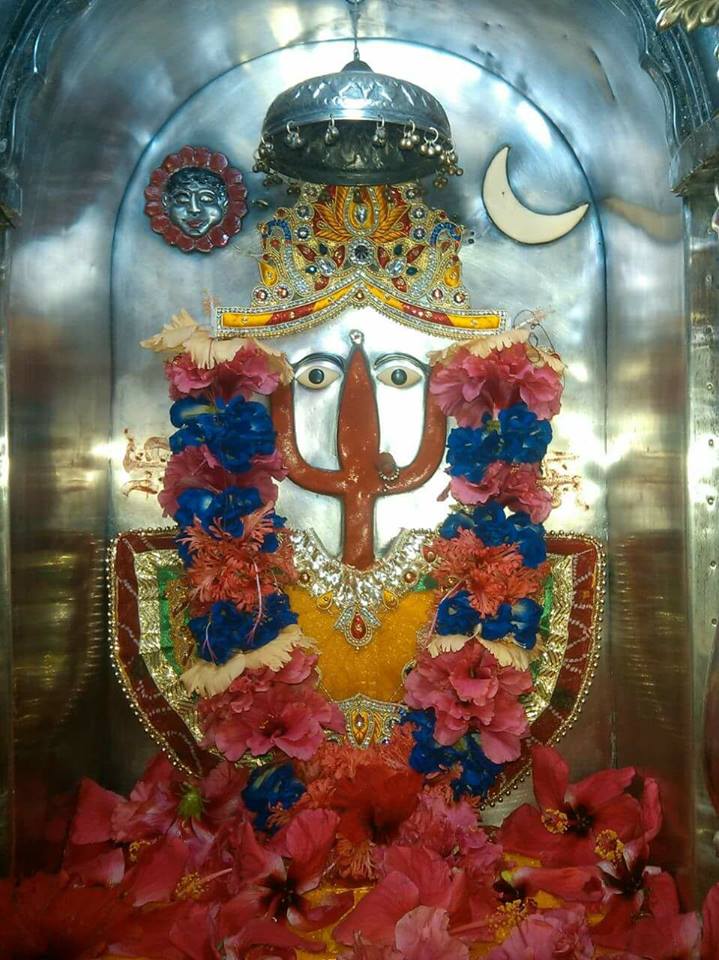
Rani Sati Mandir Mahuda
Rani Sati Mandir in Mahuda, Dhanbad District, is a Hindu temple established in 1992 that serves as a spiritual center for the local community and attracts devotees seeking blessings.