Pattupurakkavu Bhagavathi Temple
About Pattupurakkavu Bhagavathi Temple
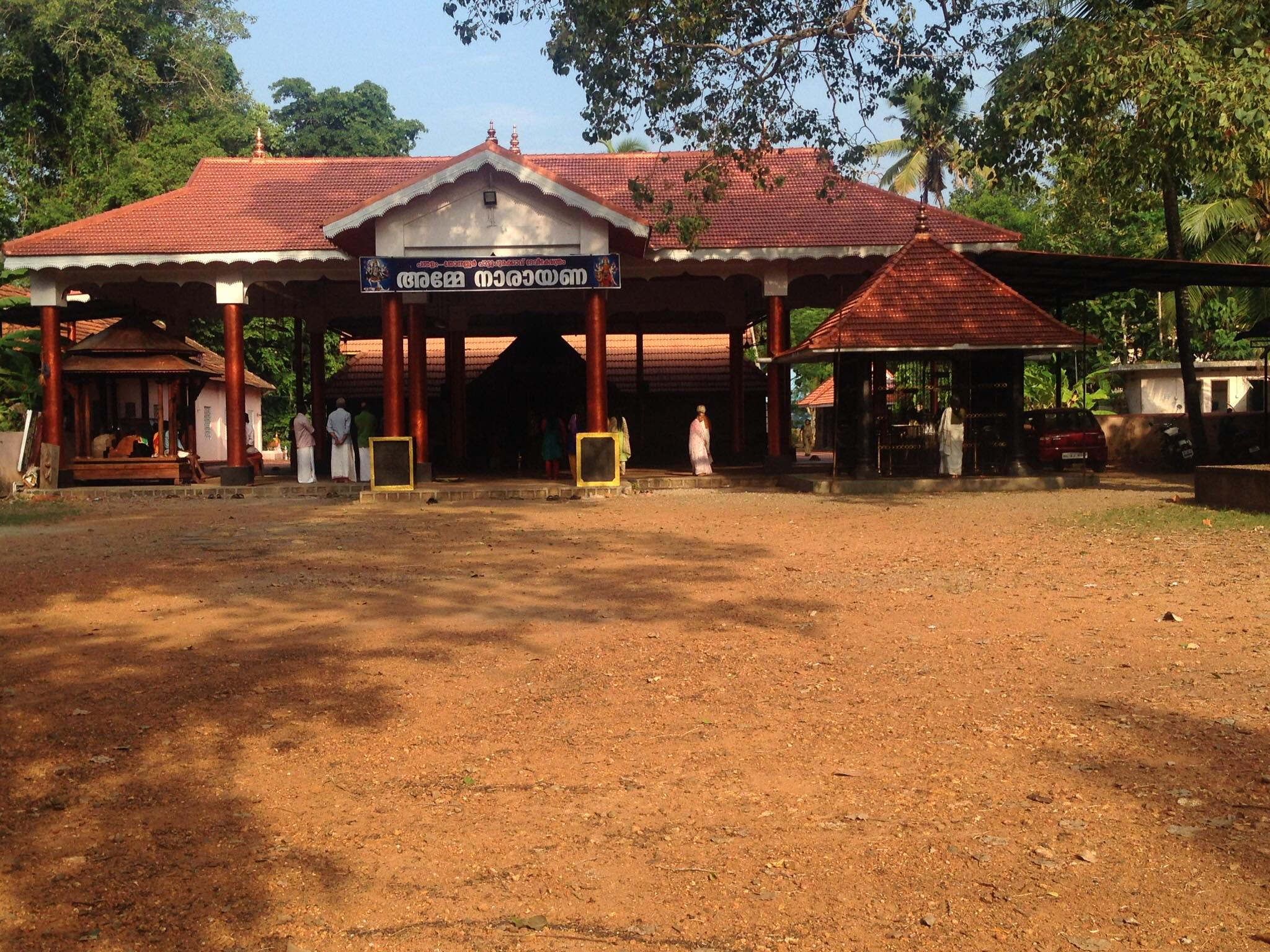
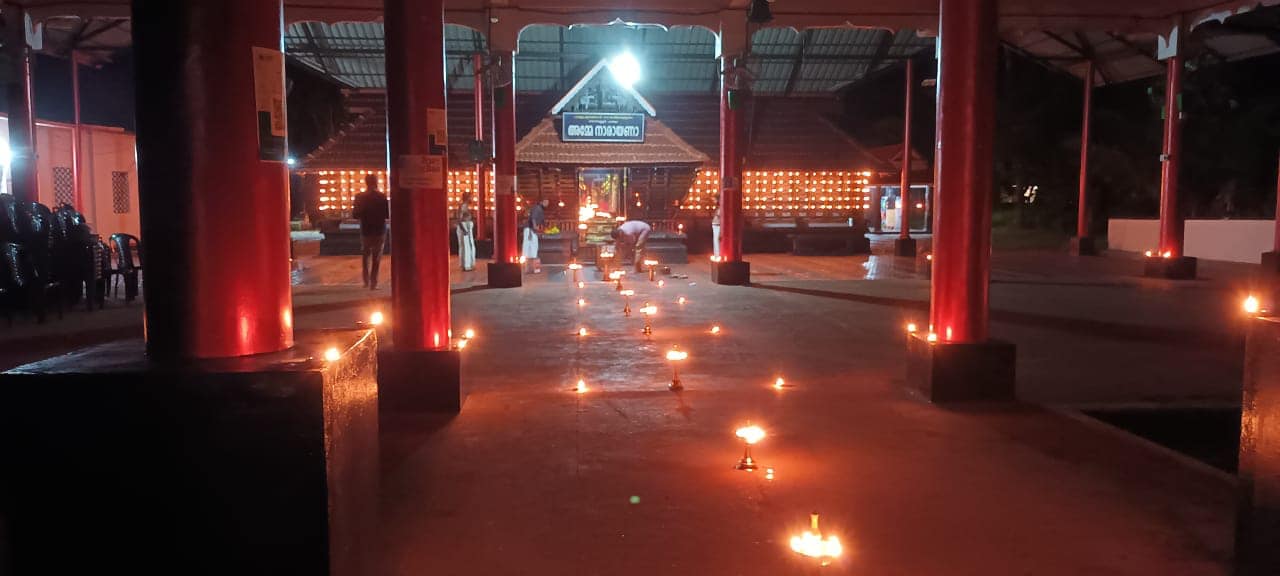
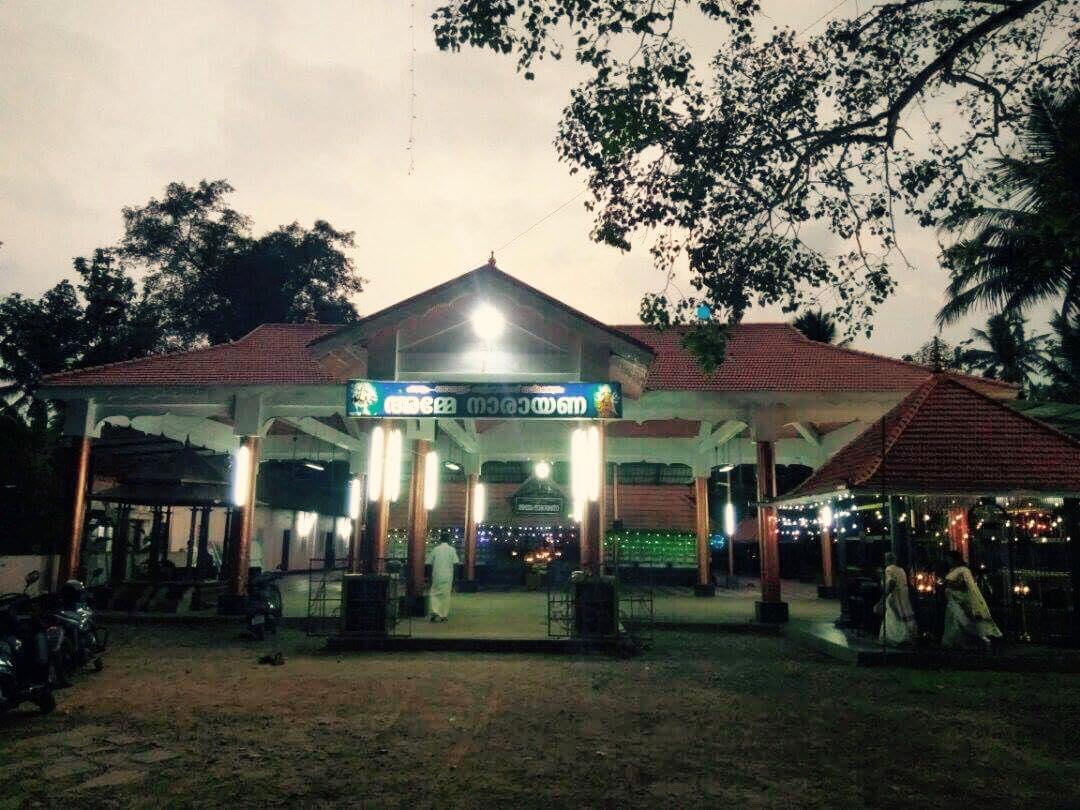
The temple occupies a substantial complex approximately one kilometre north of Pandalam Junction, situated along the Thiruvananthapuram–Angamaly MC Road. The grounds include an Anakkottil, a platform used during elephant processions in ritual contexts, a sacred pond, administrative offices, and mature banyan trees that provide shade and spiritual atmosphere. A separate Navratri mandapam annexe stands near Pandalam central junction, where Saraswati is enshrined as the goddess of knowledge, music, and the arts. The temple provides facilities for Hindu weddings, including a feast hall and changing rooms, alongside a stage for cultural performances. These amenities reflect the temple's role as a community gathering space beyond its primary religious function.
Festivals and Observances
The temple's principal annual festival occurs on Aswathy day in the Malayalam month of Meenam (March–April). On this occasion, special poojas are performed alongside traditional temple art forms and cultural programmes. The temple also commemorates the idol installation day each June. Navratri holds particular significance at this temple, with special poojas, Carnatic music concerts, and cultural events hosted at the Navratri mandapam. Notably, the Navratri organising committee includes members from multiple faiths—Hindu, Muslim, and Christian—reflecting Pandalam's interfaith character. The Navratri mandapam also facilitates Vidyarambham, a ceremony marking a child's formal introduction to learning, at the conclusion of the festival season.
Beyond annual festivals, the temple regularly conducts Devi Bhagavatha Sathrams, Sapthahams (seven-day recitations), and Navahams (nine-day recitations). These events feature performances and lectures centred on Hindu epics and puranas, drawing devotees interested in scriptural study and traditional knowledge transmission.
Visiting the Temple
The temple is located in Thonnallur, Pandalam, Pathanamthitta district, Kerala (682030). The best times to visit align with the temple's major observances: Aswathy day in Meenam (March–April) and the Navratri season (September–October). Visitors should observe standard temple etiquette: remove footwear before entering the sanctum, dress modestly, and approach the deity with respect. As with most Kerala temples, women may face restrictions during certain menstrual phases according to traditional practice; it is advisable to check current temple guidelines upon arrival. The temple's multiple shrines allow visitors to circumambulate and pay respects according to personal devotion.
Getting There
Pandalam is well-connected by road in Pathanamthitta district. The temple's location one kilometre north of Pandalam Junction on the Thiruvananthapuram–Angamaly MC Road makes it accessible by local transport. Visitors arriving by bus or private vehicle should use Pandalam Junction as a reference point. The town itself is served by regular bus services connecting it to larger centres in Kerala.
Ritual Life and Worship
The temple maintains an active schedule of daily worship and periodic observances. The presence of the Anakkottil indicates that elephant processions (Seva) form part of the temple's ritual calendar, a practice common in Kerala's major shrines. The sacred pond serves both ritual and spiritual purposes. Visitors may participate in darshan (viewing of the deity) during designated hours, though specific timings should be confirmed locally. The temple's role in hosting extended recitation traditions like the Devi Bhagavatha Sathram suggests that it functions as a centre for both devotional practice and scriptural learning, welcoming those seeking deeper engagement with Hindu philosophical and mythological traditions.
How to reach
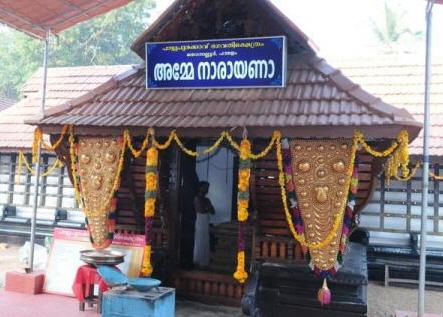
Temples near Pattupurakkavu Bhagavathi Temple
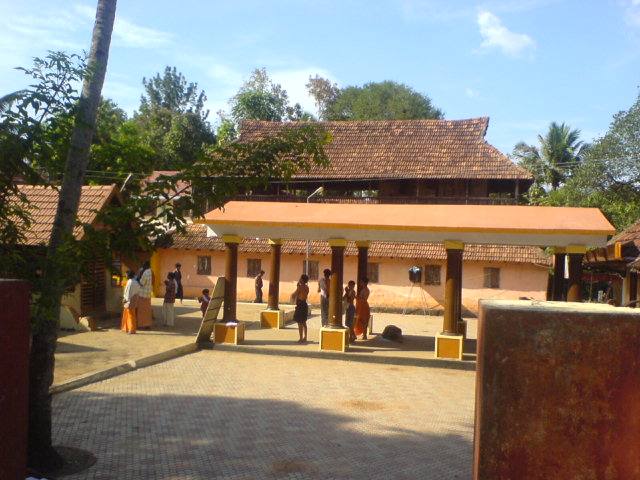
Pandalam Valiya Koyikkal kshethram
Pandalam Valiya Koyikkal Kshethram is the family temple of the Pandalam royal house, located within the palace complex in Pathanamthitta district. It holds ceremonial significan…
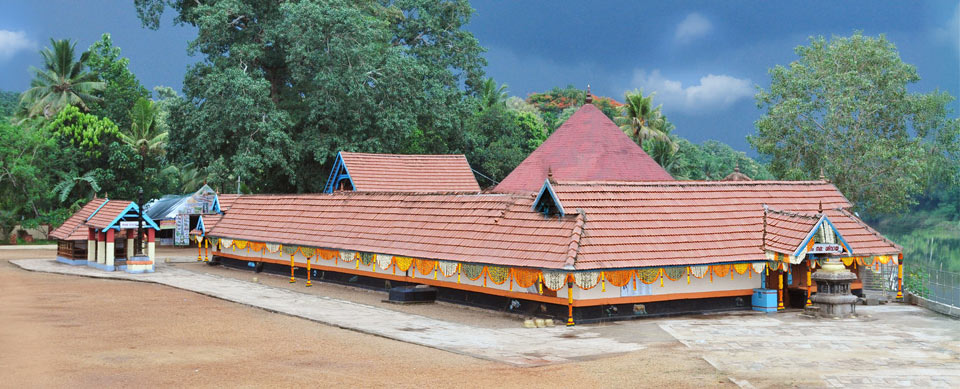
Pandalam Mahadeva Temple
Pandalam Mahadeva Temple, situated on the banks of the Achankovil river between Thottakkonam and Mulampuzha villages, is an ancient Shiva temple believed to be one of 108 temple…

Kadakkad Sree Bhadrakali Temple
Kadakkad Sree Bhadrakali Temple in Pandalam, Kerala, is a Hindu shrine dedicated to the goddess Bhadrakali, featuring sacred observances including the prominent Pongala Maholsav…
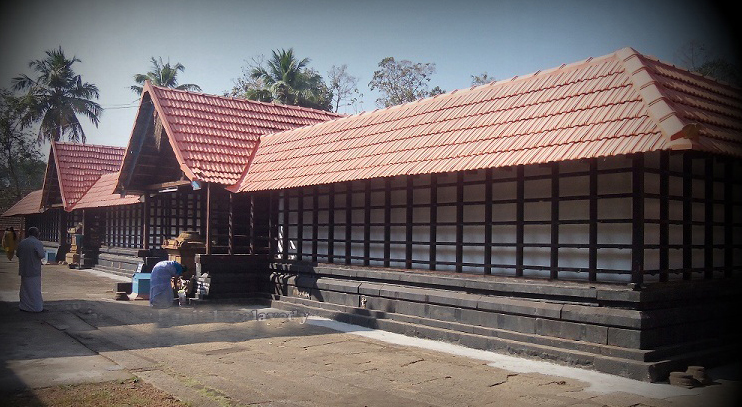
Thumpamon Vadakkumnatha Temple
Thumpamon Vadakkumnatha Temple is an ancient shrine near Pandalam in Pathanamthitta, Kerala, distinguished by its two round sanctums dedicated to Lord Subramanya and Balamuruga.
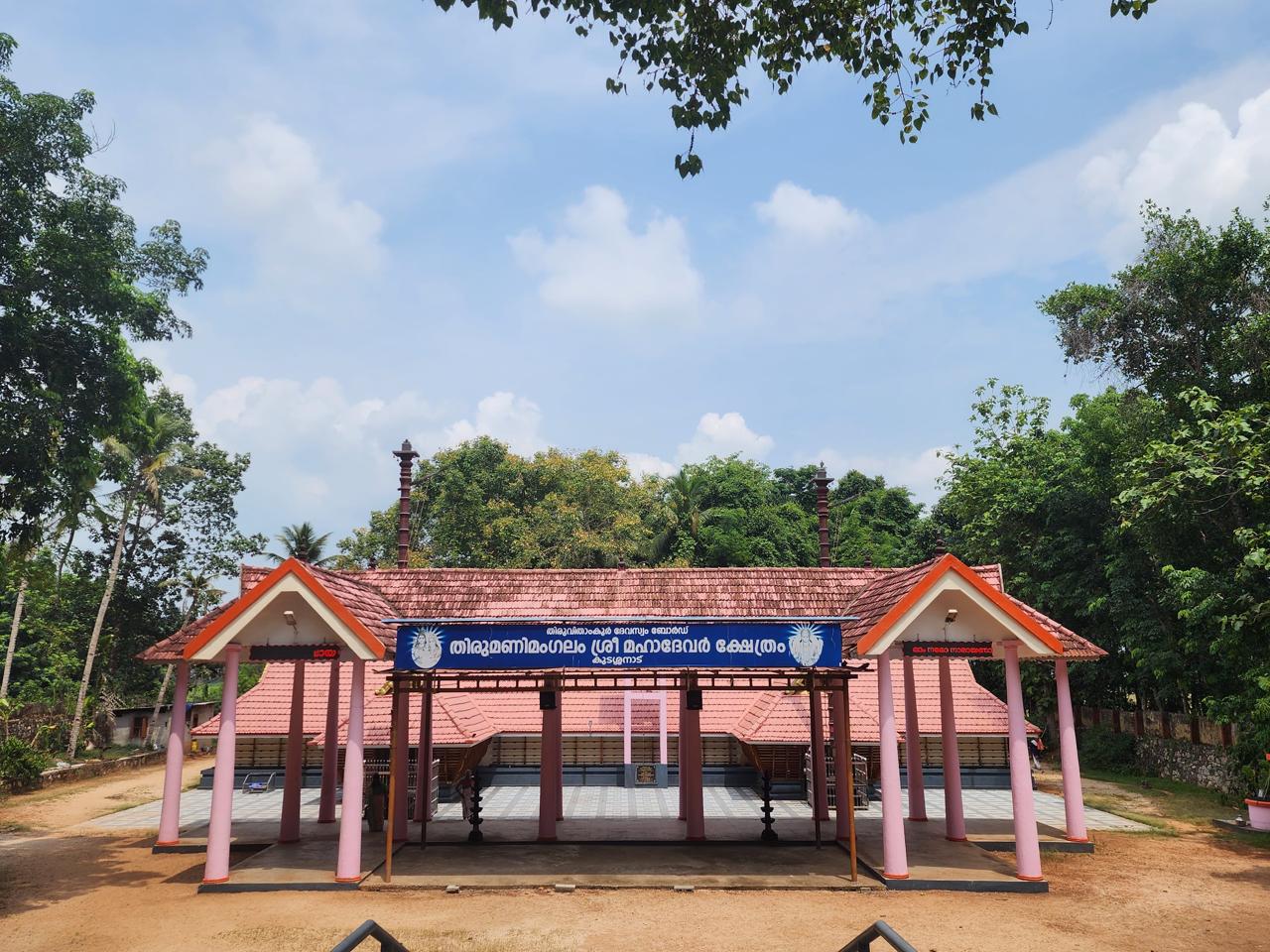
Thirumanimangalam Mahadevar Temple
Thirumanimangalam Mahadevar Temple in Kudassanad honors both Shiva and Vishnu with equal significance, housing their sanctums within a single nalampalai structure on the eastern…
Airanikkunnu Gangeswara Vaidyanadha Temple
The Airanikkunnu Gangeswara Vaidyanadha Temple in Edappon village, Kerala, honors two divine aspects: Gangeswara, connected to the sacred Ganga, and Vaidyanatha, the physician d…