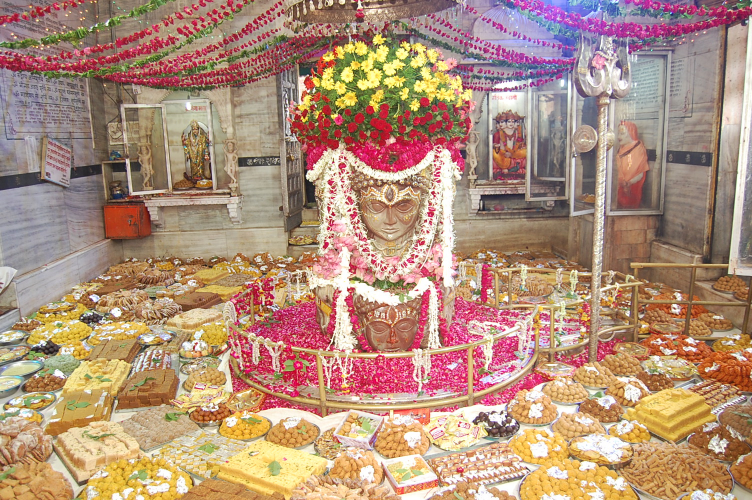
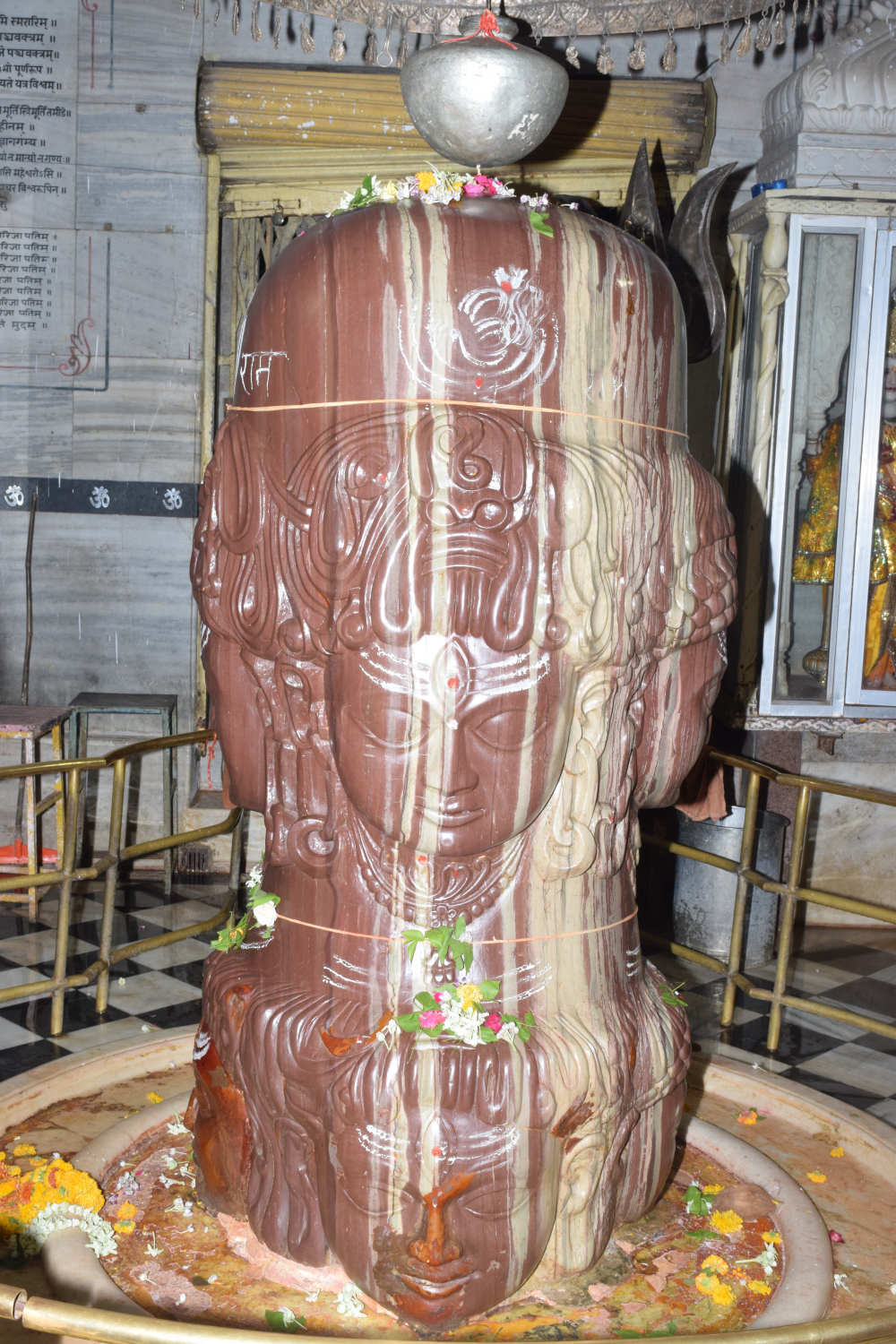
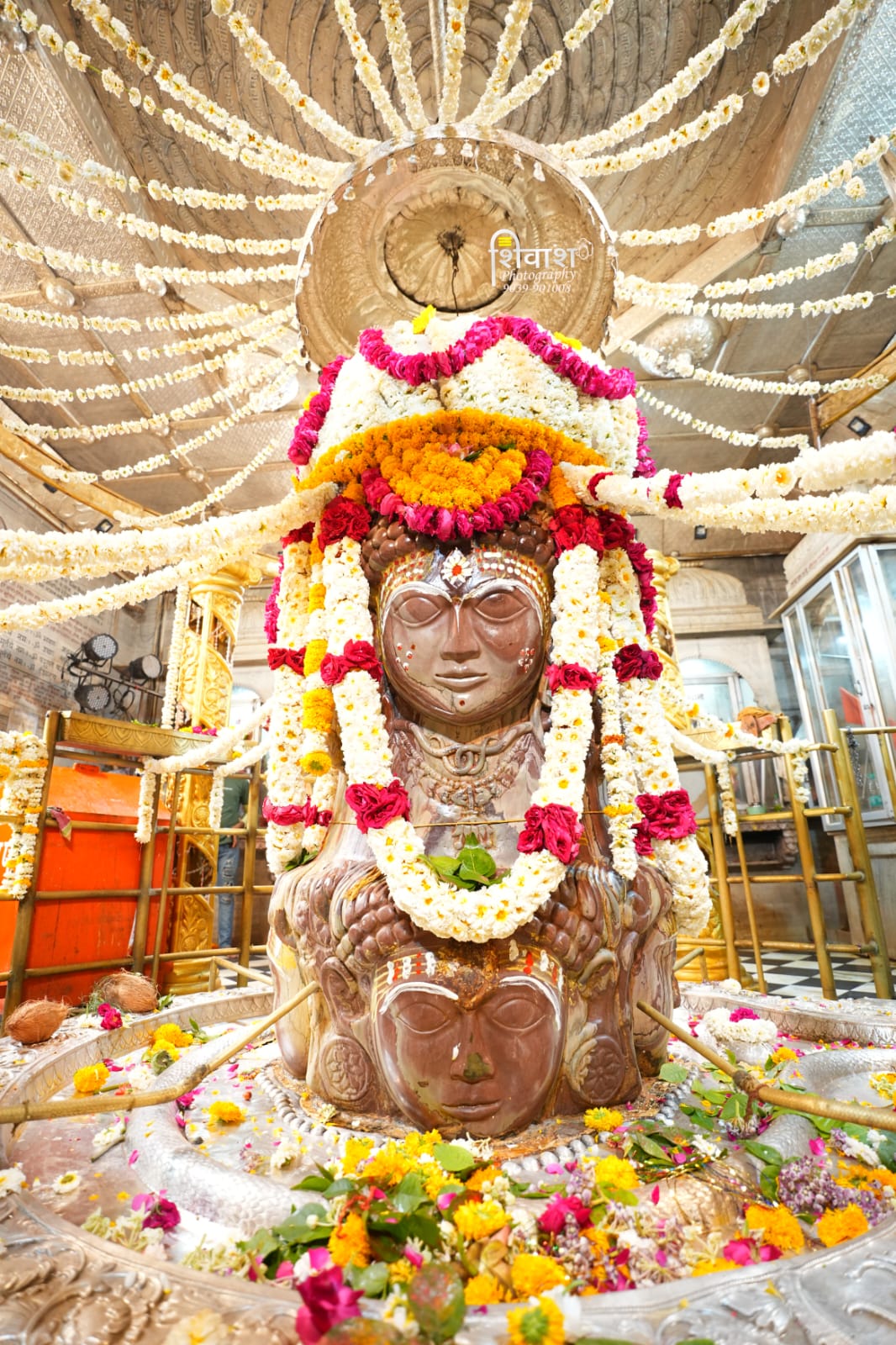
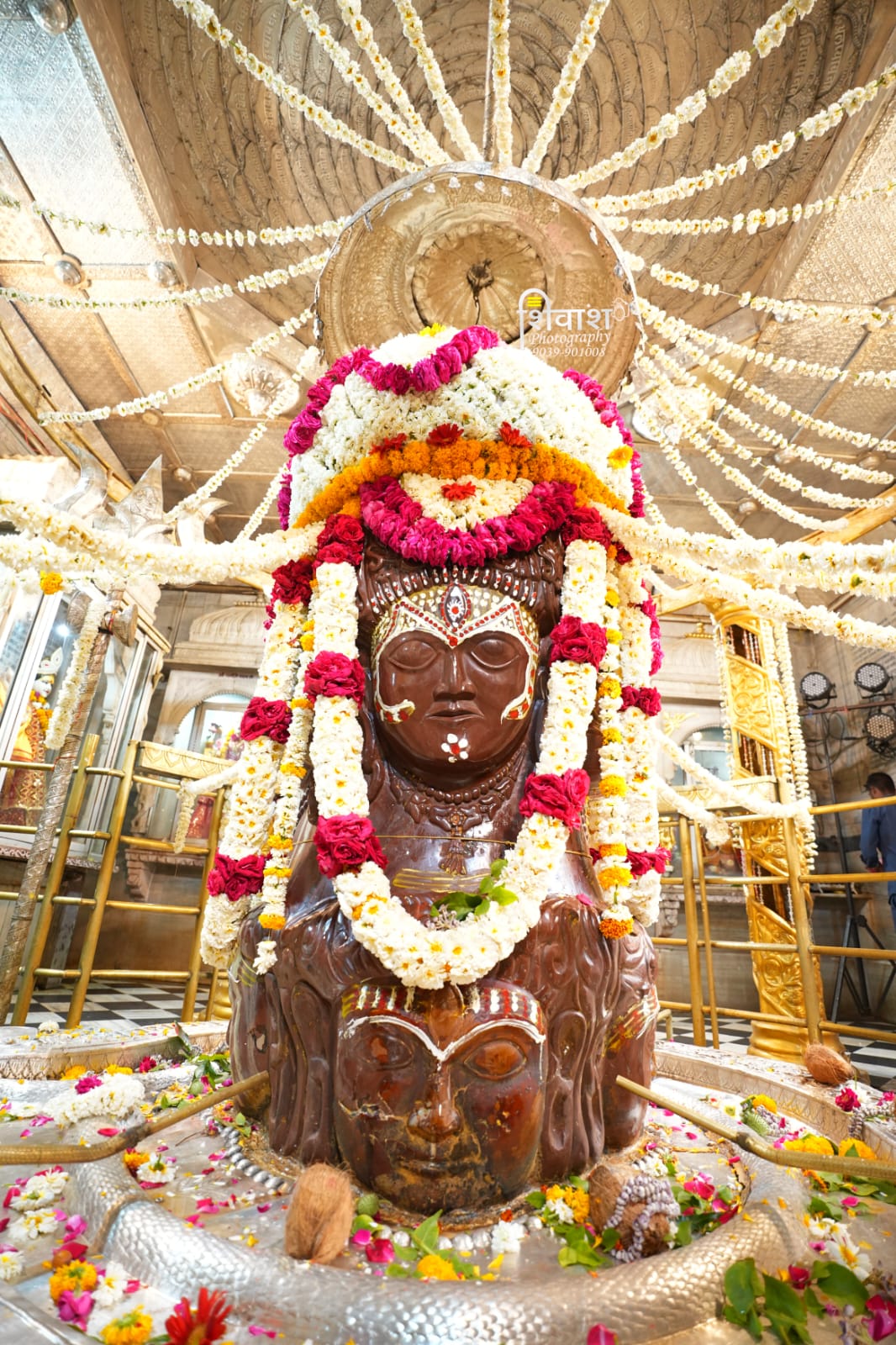
Pashupatinath Temple, Mandsaur
About Pashupatinath Temple, Mandsaur
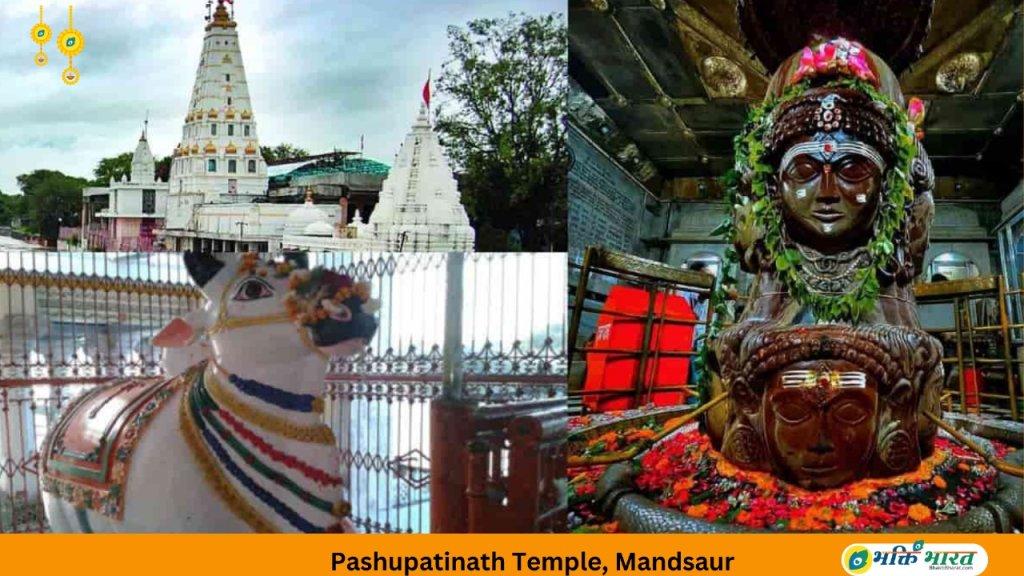
The temple's origins reach back to the 5th or 6th century, a dating established through inscriptions found at the site. This places it within the Gupta period, an era of considerable cultural and architectural achievement across the Indian subcontinent. The site itself was historically known as Dashapura. Beyond its local importance, the temple has contributed to scholarly understanding of distant contemporary sites—its sculptural and architectural features have informed dating and analysis of other significant monuments, including the Elephanta Caves. Mandsaur itself lies in the historic region of Malwa, near the Rajasthan border, positioning it within a landscape rich in Gupta-era archaeological remains.
Daily Worship and Ritual Life
The temple opens for darshan from 5:00 AM to 10:00 PM daily, though visitors should confirm current timings before arrival, as schedules may shift seasonally or during festivals. The day unfolds through a structured sequence of five aartis—ritual offerings of light and devotion to the Linga. Mangala Aarti begins at 7:30 AM, followed by Abhishek Puja at 10:00 AM and Rajbhog Aarti at 11:00 AM. In the afternoon, Sandhya Aarti takes place at 4:00 PM, and the day concludes with Shirangar Aarti at 7:00 PM.
Devotees may participate in various poojas tailored to personal intentions, including Jalabhishek (water ablution), Rudrabhishek, and Laghu Rudrabhishek, conducted in Sanskrit and Hindi. Traditional offerings of flowers, water, milk, and other items form part of worship at the Linga. The temple also maintains sanctums honouring Hanuman and Janaki Nath. Entry for darshan is free, though the main sanctuary may close during afternoon hours when reserved for internal rituals.
Festivals and Observances
Maha Shivaratri, celebrated in February or March, draws particular devotion at this Shiva temple. Shravan Mondays—the Mondays falling in the Hindu month of Shravan, typically July–August—attract pilgrims engaged in special worship of Shiva. Kartik Utsav, celebrated during the month of Kartik, brings community participation and festive atmosphere. Visitors planning to attend festivals should expect larger crowds and should confirm exact dates with the temple authorities beforehand, as festival schedules follow the Hindu lunar calendar.
When to Visit and What to Expect
The winter months from November to February offer the most comfortable visiting conditions. Morning hours between 8:00 AM and 12:00 PM tend to be quieter, allowing for more peaceful worship. Evening visits permit observation of or participation in the daily aartis, which form the heart of the temple's rhythm of worship.
Dress modestly and avoid wearing leather items, which are typically not permitted inside temples of this tradition. Photography may be restricted in certain areas; check with temple staff upon arrival. Respectful behaviour—including quiet speech, removal of shoes where required, and clockwise circumambulation of the shrine—follows standard practice at Shiva temples. Those unfamiliar with temple customs should observe other devotees and ask staff for guidance. Indian citizens should carry valid identification such as an Aadhar card or voter ID.
Location and Access
The temple is located on Pashupatinath Mandir Road near Dhan Mandi on the northern banks of the Shivna River in Mandsaur, Madhya Pradesh. The town lies approximately 200 kilometres from Indore and is accessible by road. The temple's coordinates are 24.05472222°N, 75.07291667°E for navigation purposes. No accommodation or dining facilities are documented at the temple itself; visitors may need to arrange these in Mandsaur town. Confirm current transport options and road conditions before departure.
How to reach
You may also visit
Agatheeswarar Temple, Karur
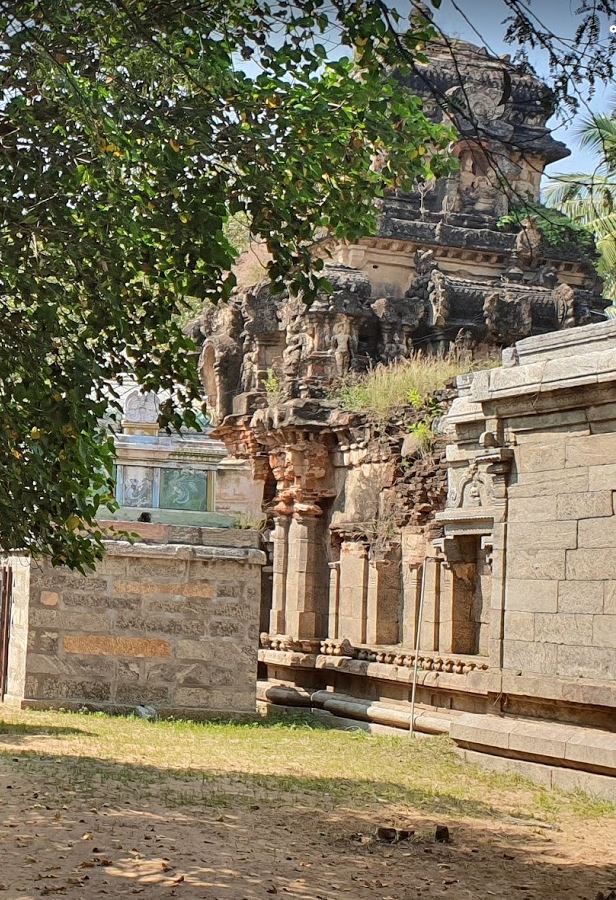
Agatheeswarar Temple in Thirumukkudalur, Karur district, is an ancient Hindu shrine dedicated to Shiva, situated at the sacred confluence of three rivers and believed to be over 1000 years old.
Kalyanji Temple
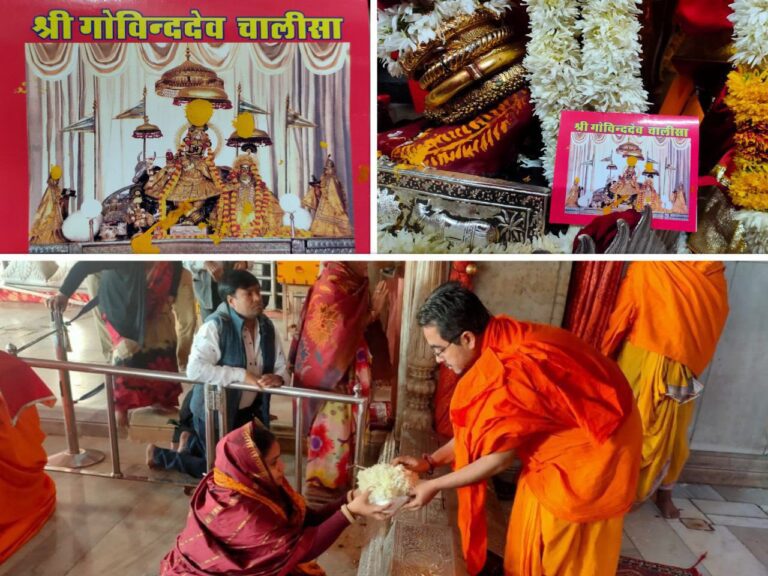
Kalyanji Temple in Jaipur's Chandpol Bazaar is an ancient Krishna shrine established in the 1820s, renowned for its seven daily aartis and special avatar darshan ceremonies during Akha Teej and Patottsav festivals.
Rani Sati Mandir Mahuda
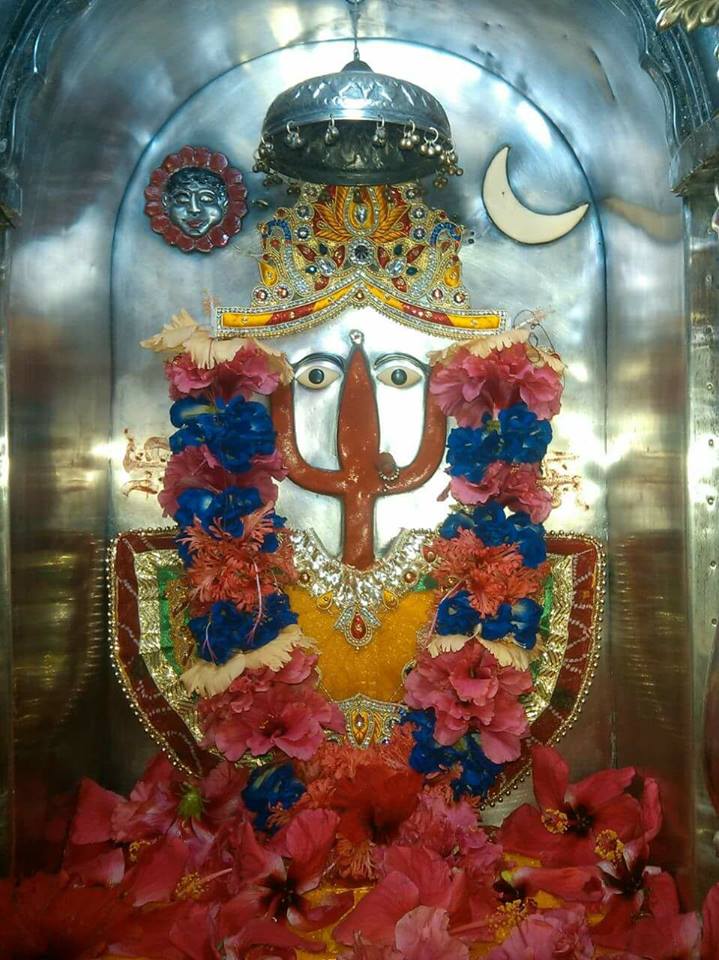
Rani Sati Mandir in Mahuda, Dhanbad District, is a Hindu temple established in 1992 that serves as a spiritual center for the local community and attracts devotees seeking blessings.