
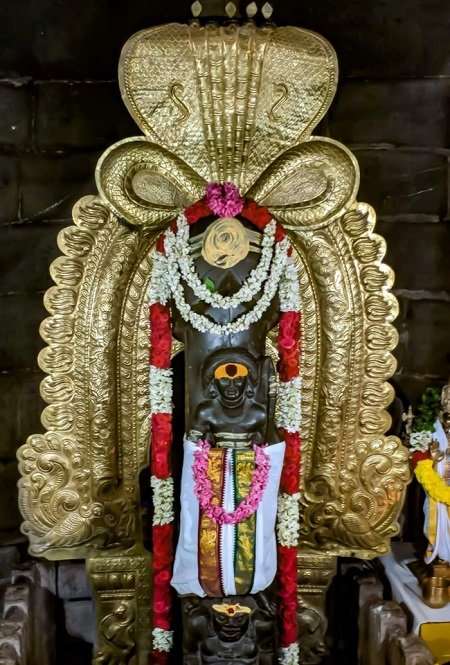
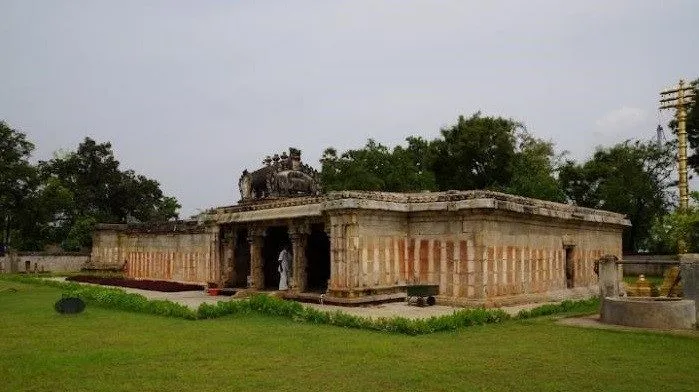
Parasurameswara Temple, Gudimallam
About Parasurameswara Temple, Gudimallam
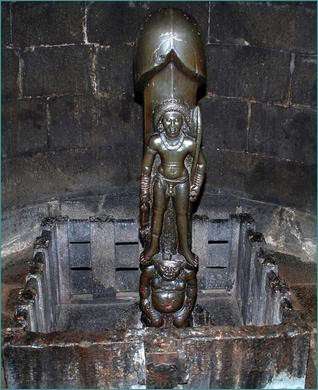
Parasurameswara Temple in Gudimallam, Andhra Pradesh, is dedicated to Shiva in the form of a lingam. The temple's significance centres on an ancient lingam housed within its sanctum—a stone representation that draws pilgrims seeking connection with Shiva worship. The lingam form is one of the most widespread representations of Shiva across Hindu temples, symbolising the formless divine manifested in tangible stone. Gudimallam's lingam holds particular importance within the pilgrimage traditions of Andhra Pradesh and attracts devotees throughout the year.
Worship and Daily Rituals
The temple maintains an active schedule of pujas and ritual observances. Abhishek pujas—ritual bathing of the lingam with water, milk, and other sacred substances—are performed regularly as part of daily worship. These ceremonies follow traditional Shaivite practices, with the lingam receiving reverence through anointing and offerings. Devotees may participate in or witness these rituals, which form the core of the temple's spiritual life. The temple also facilitates various pujas for specific intentions and life events, reflecting the broader Hindu practice of seeking divine blessing for particular needs and milestones.
Visiting the Temple
The temple is located at coordinates 13.6035, 79.577 in Gudimallam, Andhra Pradesh. Visitors should dress modestly and respectfully when entering the sanctum; removing footwear before entering the inner shrine is standard practice at Shiva temples. Photography policies may restrict image-taking in certain areas—it is advisable to check with temple staff upon arrival. The temple grounds typically accommodate pilgrims throughout the day, though specific darshan timings should be confirmed locally, as these may vary seasonally or for special observances.
Facilities and Practical Information
Accommodation options exist in the Gudimallam area for pilgrims wishing to stay overnight. The temple may provide basic facilities or direct visitors to nearby lodging. It is recommended to carry water and wear comfortable footwear for the approach to the temple, and to plan visits during daylight hours for ease of navigation. Local guides or temple staff can provide information about current timings, ongoing rituals, and any special observances taking place during your visit.
Reaching Gudimallam
Gudimallam is situated in Andhra Pradesh and is accessible by road. The nearest major city is Tirupati, which has rail and air connections. From Tirupati, local transport options including buses and taxis serve the Gudimallam area. Visitors should allow time for travel from larger towns and consider the local road conditions. Enquiring locally about the most direct route and current transport availability is advisable before departure.
Significance in Shaivite Tradition
The worship of Shiva through the lingam represents one of Hinduism's oldest and most widespread devotional practices. Temples dedicated to Parasurameswara—a name linking Shiva with the legendary warrior sage Parashurama—reflect the integration of mythological and divine narratives within Shaivite worship. Gudimallam's temple serves as a centre for this tradition within Andhra Pradesh, drawing those who seek the blessings of Shiva and wish to participate in ancient forms of ritual devotion.
How to reach


Temples near Parasurameswara Temple, Gudimallam
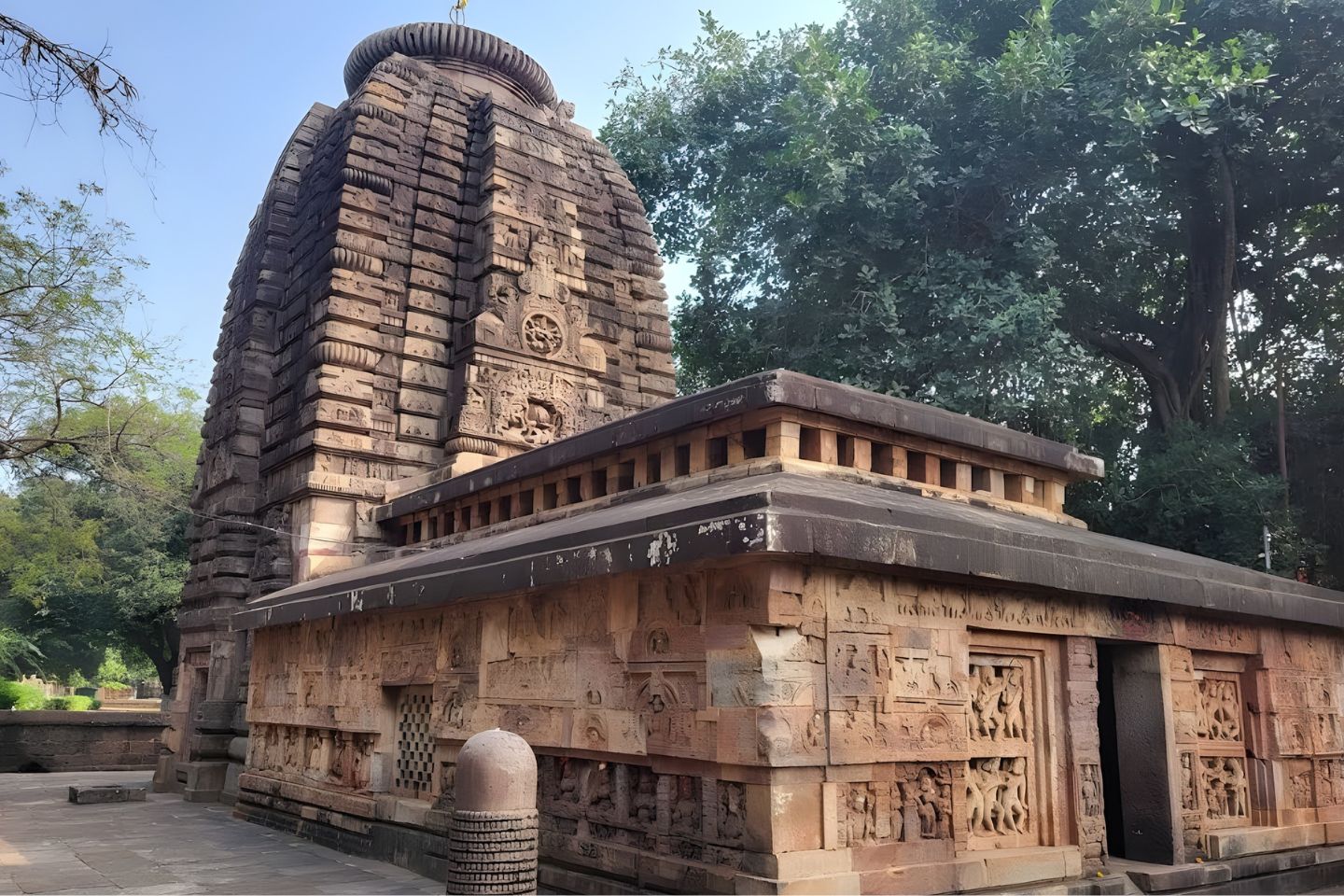
Parasuramesvara Temple
The Parasurameswara Temple in Bhubaneswar is a 7th–8th century architectural masterpiece dedicated to Lord Shiva, renowned for its intricate stone carvings depicting divine narr…

Anjaneya Swamy Temple
Sri Bedi Anjaneya Swamy Temple in Tirumala is a shrine dedicated to Lord Hanuman, managed by the Tirumala Tirupati Devasthanams (TTD). The temple offers daily darshan to devotee…
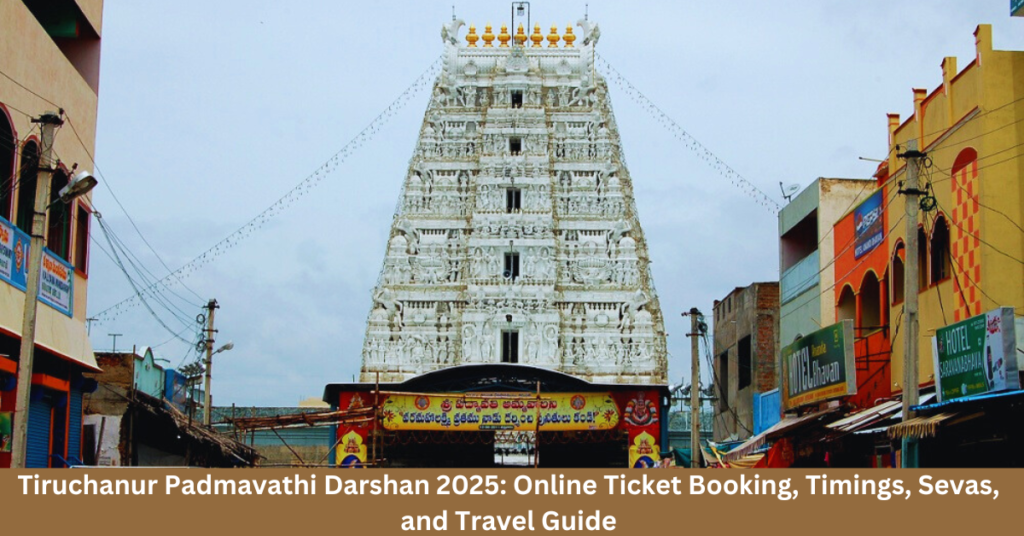
Sri Padmavathi Ammavari Temple
Sri Padmavathi Ammavari Temple in Tiruchanur, located 5 km from Tirupati, is dedicated to Goddess Padmavathi (Alamelu Manga), consort of Lord Venkateswara. According to traditio…
Nagamma Temple
No temple named 'Nagamma Temple' appears in the provided sources. The sources exclusively document Sri Venkateswara Swami Temple at Tirumala, Tirupati.
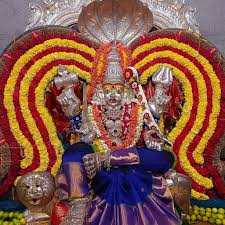
Thathayyagunta Gangamma Temple
Sri Tataiahgunta Gangamma Temple in Tirupati is an ancient shrine dedicated to Goddess Gangamma, revered as the sister of Lord Venkateswara and the protective village deity of T…
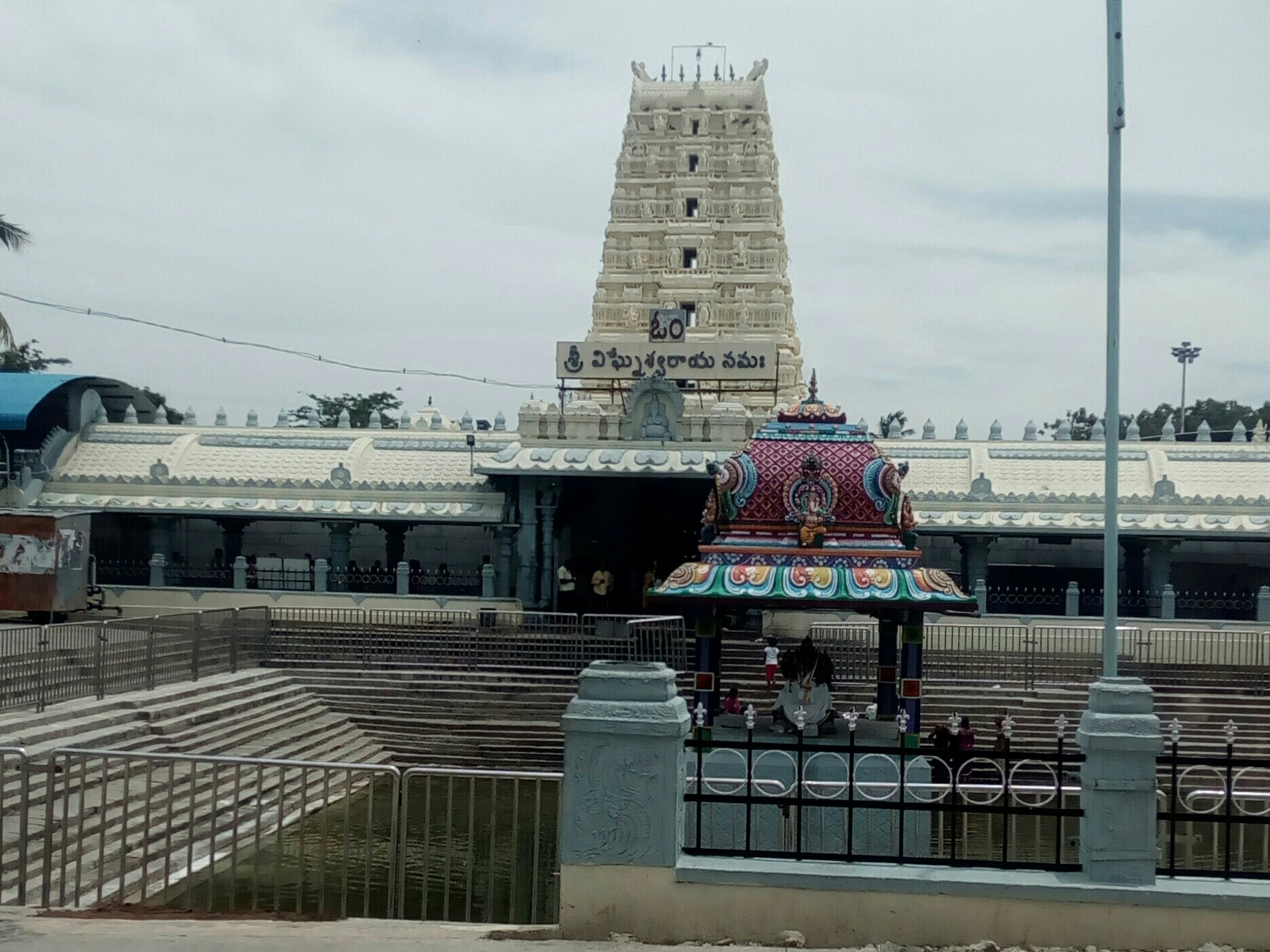
Sri Vinayaka Swamy Temple
Sri Vinayaka Swamy Temple in Tirupati is a Hindu shrine dedicated to Lord Ganesha, listed among the temples managed by the Tirumala Tirupati Devasthanams (TTD) in the Tirupati a…