
Parassala Mahadeva Temple
About Parassala Mahadeva Temple
The temple was constructed by Mallen Chembakaraman Delava, a member of the Venad royal family, whose patronage shaped the shrine's architecture and character. The Venad dynasty's involvement in the temple's creation connects it to the broader history of Kerala's princely states and their role in supporting religious institutions. This royal connection has likely contributed to the temple's standing as a major worship centre in the region, though specific details of the construction period remain unrecorded in available sources.
Daily Worship and Ritual Schedule
The temple maintains an active daily schedule of worship across three darshan periods. Morning darshan runs from 05:15 to 07:30, afternoon darshan from 12:30 to 17:00, and evening darshan from 17:00 to 19:30, allowing devotees multiple opportunities to visit throughout the day.
The ritual life of the temple unfolds through six daily aartis (ritual offerings of light). Mangalarati begins at 04:30, followed by Tulasi Arati at 05:15 and Sringara Arati at 07:15 in the morning. The afternoon Raj Bhoga Arati occurs at 12:30, with evening rituals comprising Tulasi Arati at 18:15 and Sandhya Arati at 19:00. These aartis mark the principal moments of worship and are times when the temple's spiritual energy is considered especially concentrated. Devotees often time their visits to coincide with these ceremonies.
Festivals and Sacred Observances
As a Shiva temple, Parassala observes the major festivals of the Shaivite calendar. Maha Shivaratri, the great night dedicated to Shiva, draws particular devotional attention. The temple also marks Pradosh Vrat, a fortnightly observance honoured in Shiva temples, as well as broader Hindu festivals including Navratri, Dussehra, Diwali, and Makar Sankranti. These festivals bring increased numbers of worshippers and typically feature enhanced rituals and offerings.
Visiting the Temple
Visitors should plan their visit according to the three darshan windows: early morning (05:15–07:30), midday (12:30–17:00), or evening (17:00–19:30). The morning period is often quieter and allows time for unhurried worship. Those wishing to experience the aartis should arrive shortly before the scheduled times.
Modest dress is customary at Hindu temples; visitors should wear clothing that covers shoulders and knees. Many devotees remove footwear before entering the inner sanctum, though practices may vary—observing other worshippers provides guidance. Photography policies are not specified in available sources; it is advisable to ask temple staff before photographing rituals or the deity.
The temple's location in a village setting means that facilities such as restaurants or accommodation may be limited in immediate proximity. Visitors should plan accordingly, particularly if arriving from a distance. The coordinates 8.3402777777778, 77.153055555556 can be used with mapping applications to locate the temple and plan travel routes.
Reaching Parassala
The temple is situated in Parassala village in Kerala, near the state border with Tamil Nadu. The nearest major towns and transport hubs should be identified through current travel resources, as specific directions and transport options are not detailed in available sources. Visitors are advised to use GPS coordinates or local mapping services to navigate to the temple, particularly given its village location.
How to reach
You may also visit
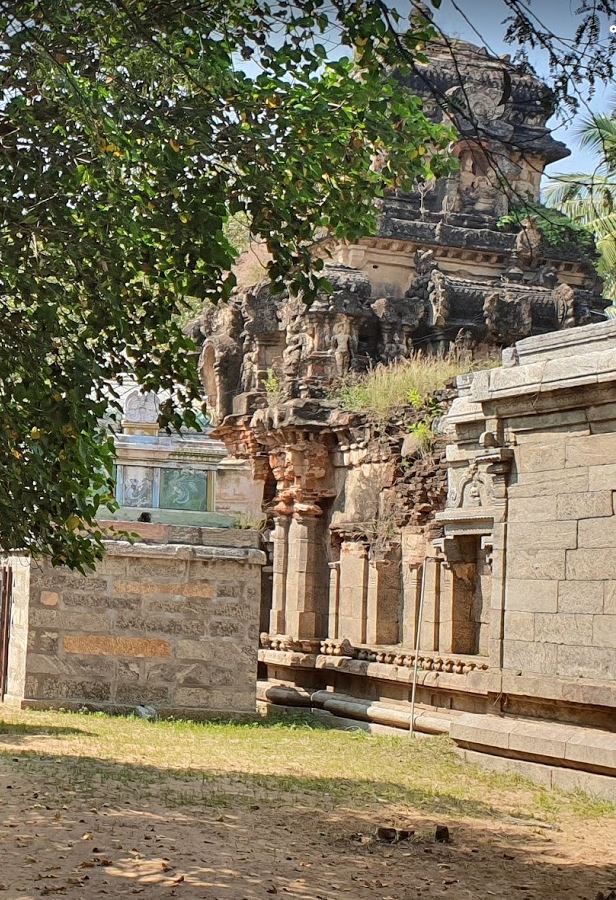
Agatheeswarar Temple, Karur
Agatheeswarar Temple in Thirumukkudalur, Karur district, is an ancient Hindu shrine dedicated to Shiva, situated at the sacred confluence of three rivers and believed to be over 1000 years old.
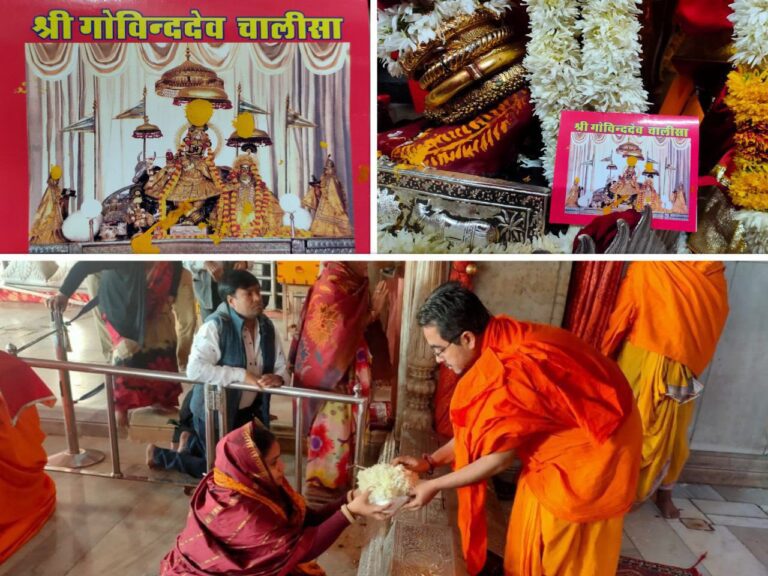
Kalyanji Temple
Kalyanji Temple in Jaipur's Chandpol Bazaar is an ancient Krishna shrine established in the 1820s, renowned for its seven daily aartis and special avatar darshan ceremonies during Akha Teej and Patottsav festivals.
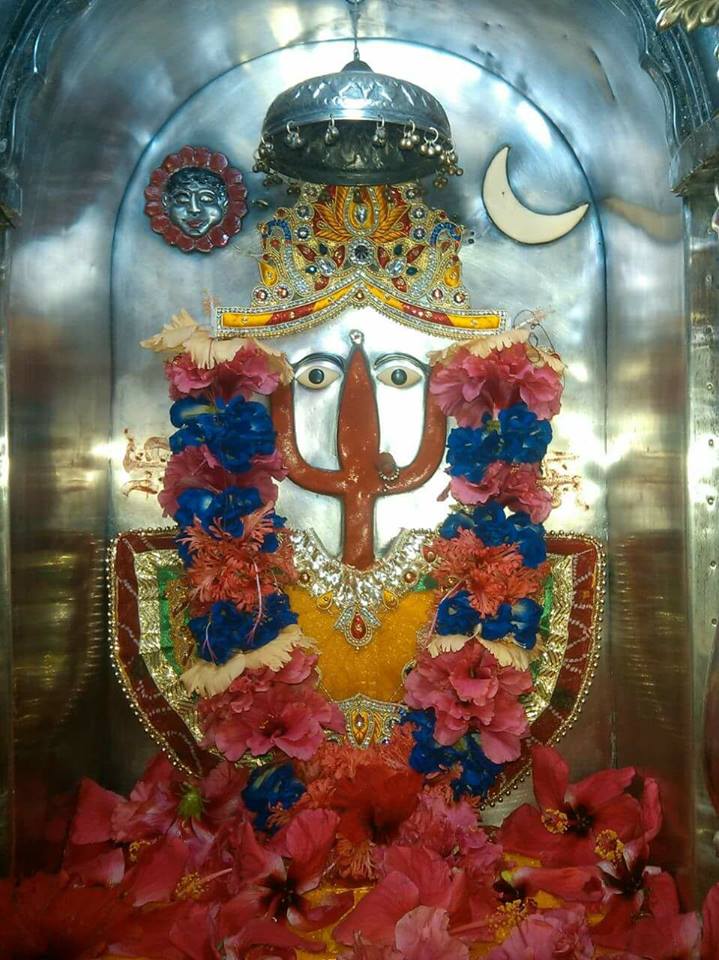
Rani Sati Mandir Mahuda
Rani Sati Mandir in Mahuda, Dhanbad District, is a Hindu temple established in 1992 that serves as a spiritual center for the local community and attracts devotees seeking blessings.