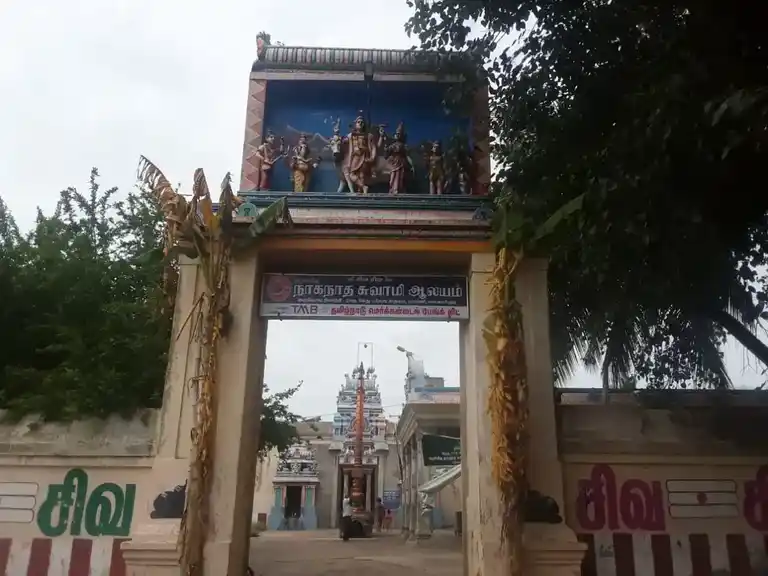
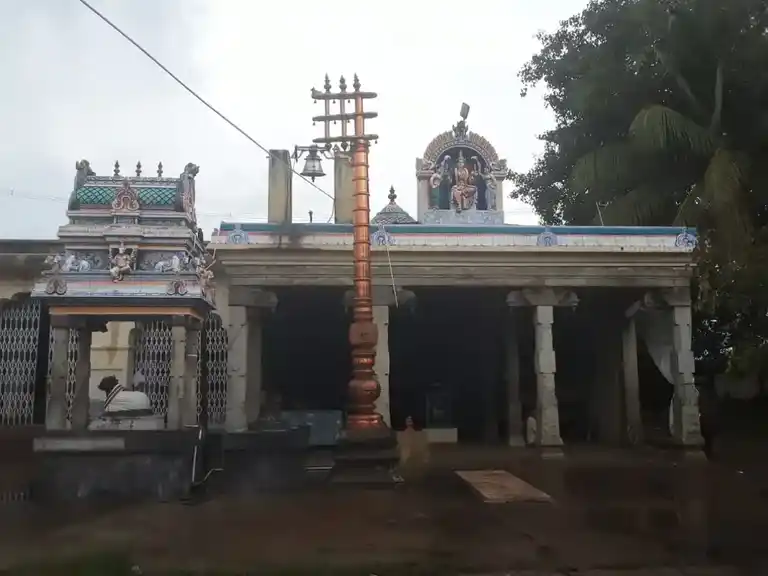
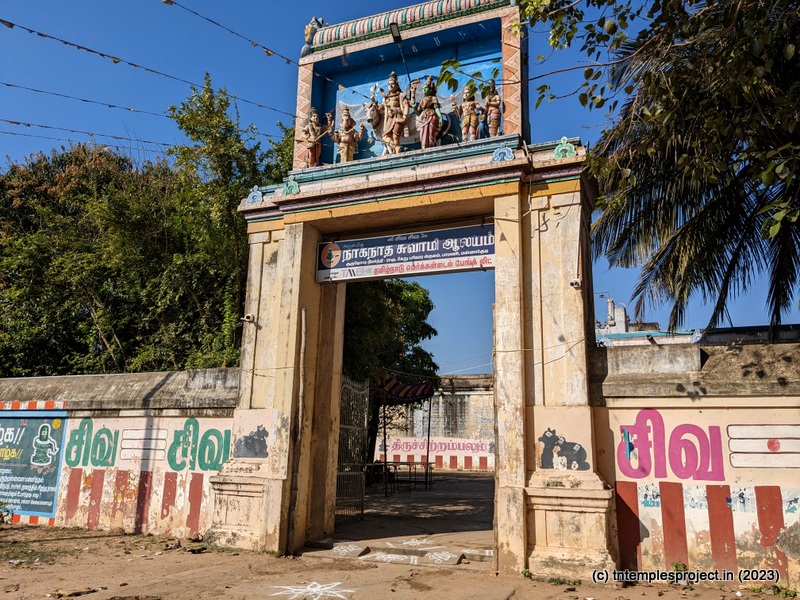
Pamani Naganathar Temple
About Pamani Naganathar Temple
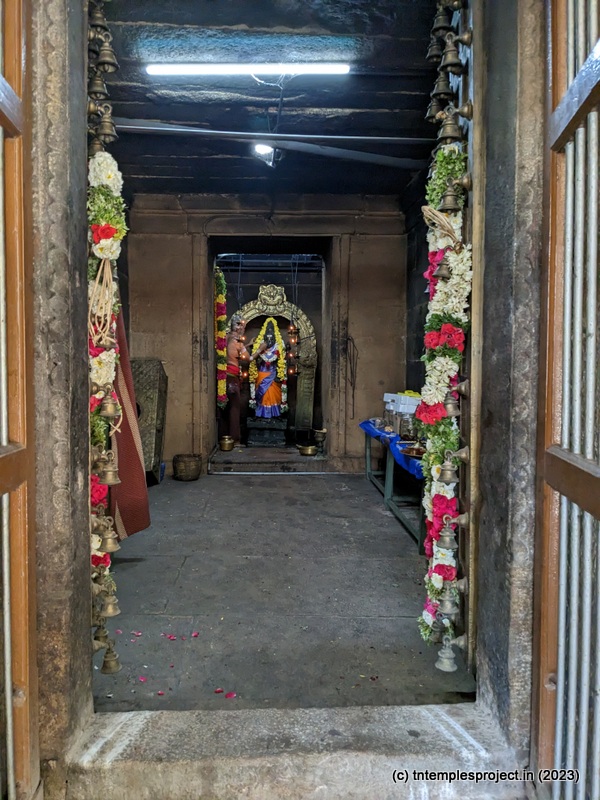
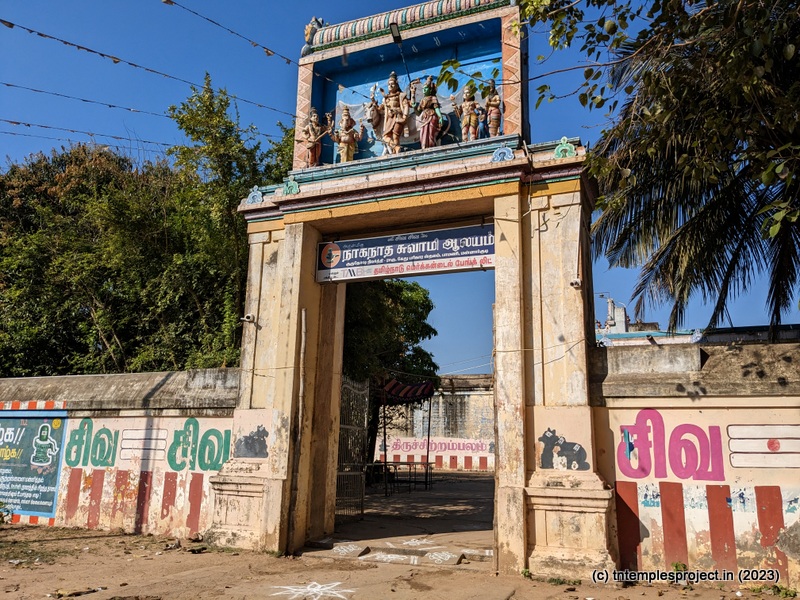
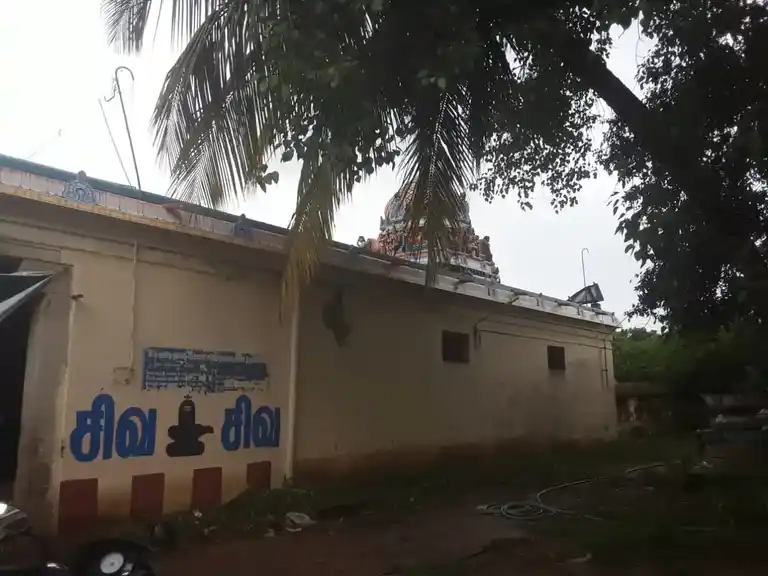
The temple dates to the 9th century, placing it among the medieval-period sanctuaries of Tamil Nadu. Its age is confirmed through architectural and historical records, and it remains registered as a traditional heritage temple within the state's documentation. The sanctum takes the form of a thoongaanai—a distinctive architectural style—and follows the Karana Agama in its ritual observances, one of the authoritative texts governing temple worship practices.
A mango tree serves as the sacred tree (sthala vriksham) of the temple. The presence of Naga Teertham—a sacred water source associated with serpent worship—provides another focal point for ritual practice and devotion within the temple grounds.
Daily Worship and Darshan
The temple opens for darshan in two sessions: morning hours from 6:00 to 12:00, and evening hours from 4:30 to 8:30. These timings allow devotees flexibility in planning their visits. The morning session includes specific pooja timings, with worship beginning at 8:30 in the early hours, though visitors should confirm exact ritual schedules upon arrival.
Purified drinking water is available within the temple premises, a practical facility for those spending extended time in worship. As with most Hindu temples, visitors should dress modestly and remove footwear before entering the inner sanctum. Photography policies and specific etiquette regarding the sanctum may vary; it is advisable to observe the practices of other devotees and seek guidance from temple staff if uncertain.
Festivals and Auspicious Occasions
Three principal festivals draw devotees throughout the year. Vaikasi Brahmmotsavam, celebrated in May-June, marks a significant festival season at the temple. Thai Poosam, occurring in January-February, holds particular resonance at serpent temples, as this period is traditionally associated with Murugan and serpent worship in Tamil tradition. Maha Shivrathri, falling in February-March, celebrates the principal deity and draws worshippers observing night-long vigils and fasting.
These festivals offer occasions when the temple's spiritual atmosphere intensifies and when the community gathers in collective worship. Visitors planning to attend should arrive early, as crowds increase during these periods.
Significance for Rahu-Ketu Relief
The temple is recognized as a site of remedy (pariharam) for doshas related to Rahu and Ketu—the lunar nodes in Hindu astronomical and astrological understanding. Devotees experiencing difficulties attributed to these planetary influences seek blessings here. While such beliefs form part of traditional Hindu practice, visitors of all backgrounds may appreciate the temple as a place of spiritual significance and historical importance.
Reaching the Temple
Pamani lies in Tiruvarur district, approximately 26 kilometers from Tiruvarur town, 37 kilometers from Kumbakonam, and 44 kilometers from Thanjavur. The postal code is 614014. The nearest town with more substantial facilities is Mannargudi, roughly 5 kilometers away, which offers bus connections to larger centers including Coimbatore, Thanjavur, Karur, and Kumbakonam.
Those traveling by road should use GPS coordinates 10.69027, 79.45115 for navigation. Public transport connects Mannargudi to surrounding towns, making the temple accessible to those without private vehicles, though local inquiry about current bus schedules is recommended. The journey through rural Tamil Nadu offers views of the region's agricultural landscape and temple culture.
How to reach
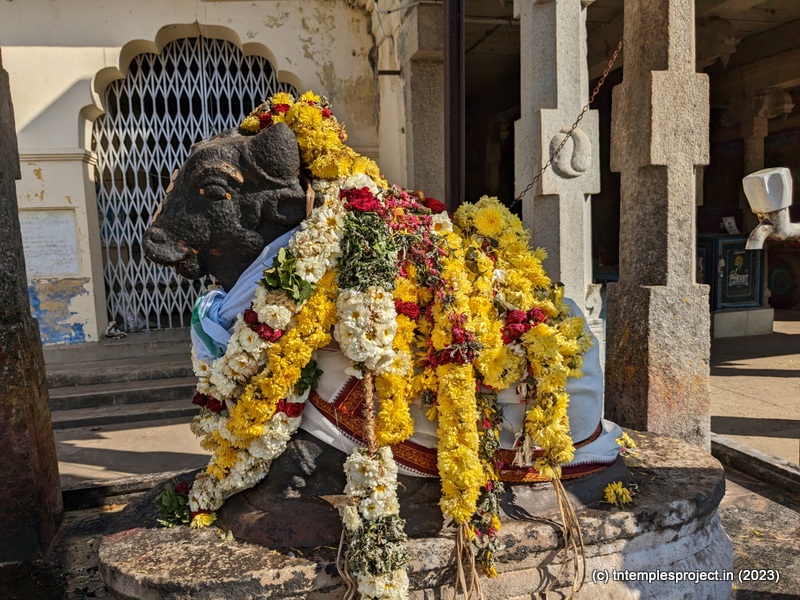

You may also visit
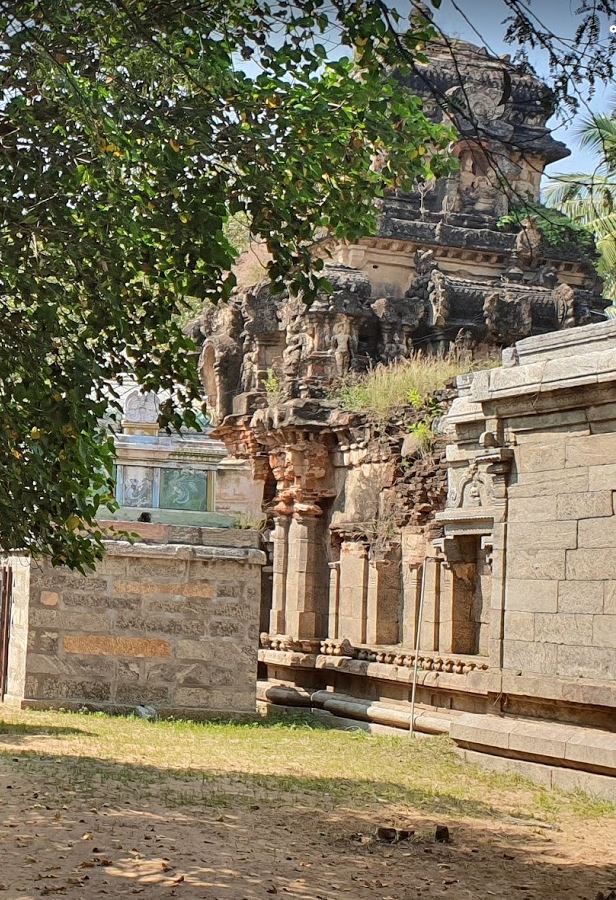
Agatheeswarar Temple, Karur
Agatheeswarar Temple in Thirumukkudalur, Karur district, is an ancient Hindu shrine dedicated to Shiva, situated at the sacred confluence of three rivers and believed to be over 1000 years old.
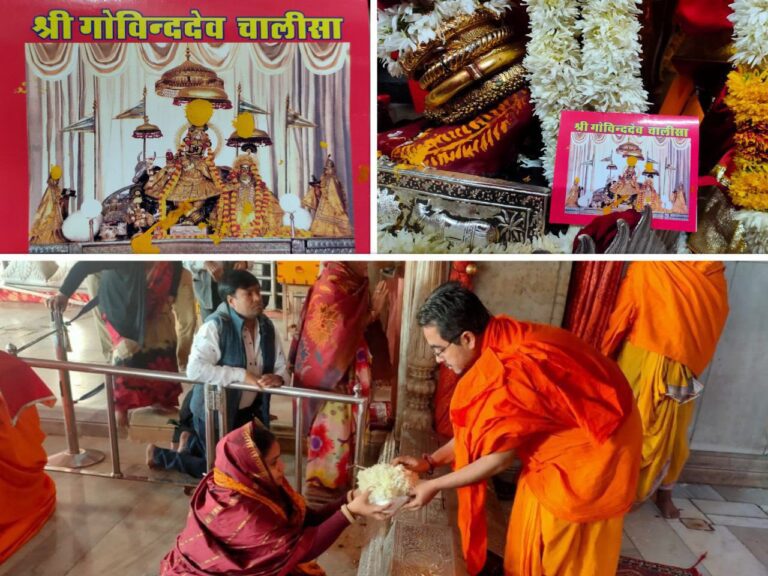
Kalyanji Temple
Kalyanji Temple in Jaipur's Chandpol Bazaar is an ancient Krishna shrine established in the 1820s, renowned for its seven daily aartis and special avatar darshan ceremonies during Akha Teej and Patottsav festivals.
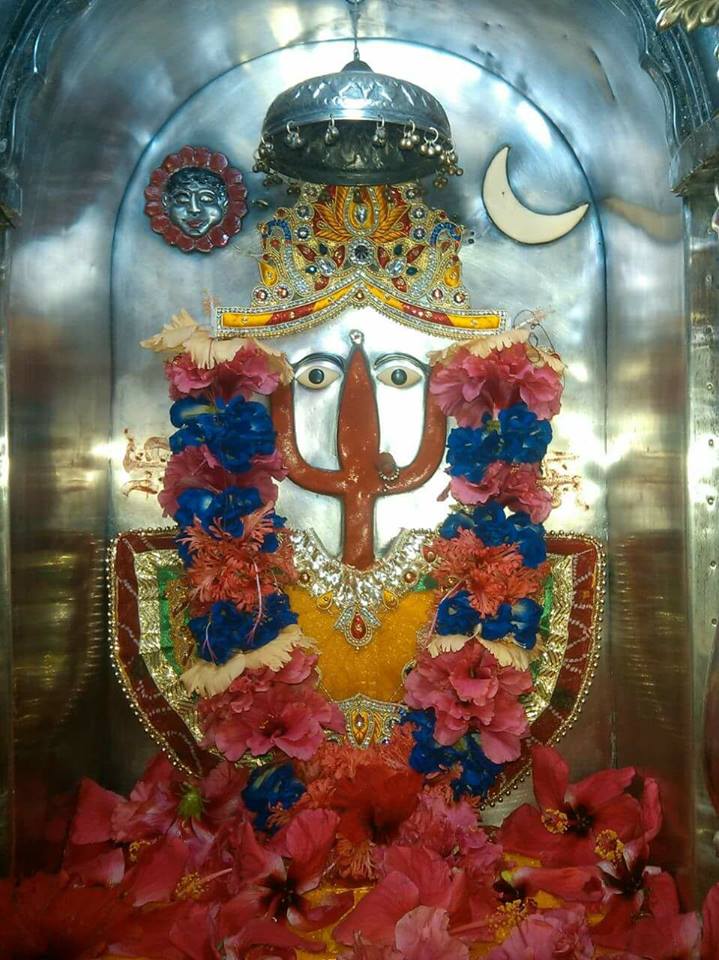
Rani Sati Mandir Mahuda
Rani Sati Mandir in Mahuda, Dhanbad District, is a Hindu temple established in 1992 that serves as a spiritual center for the local community and attracts devotees seeking blessings.