Padanilam Parabrahma Temple
About Padanilam Parabrahma Temple
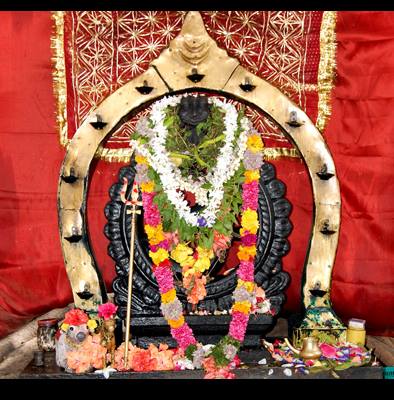
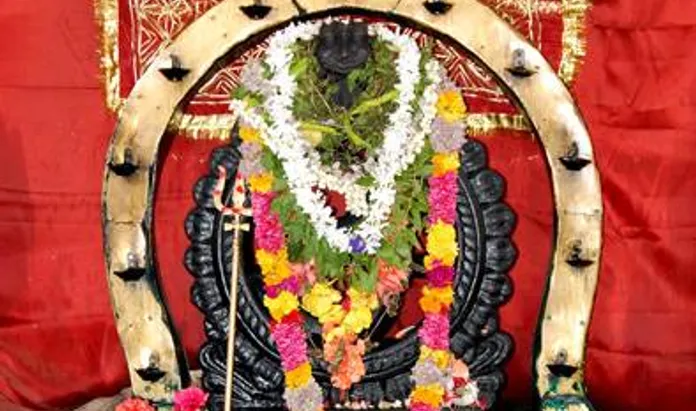
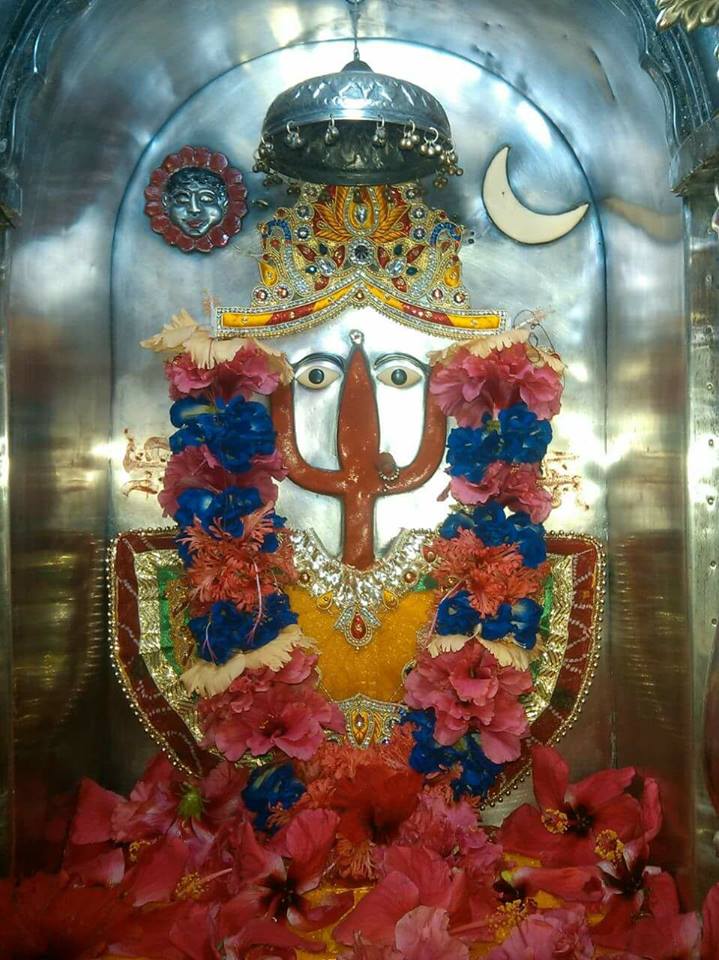
The temple is believed to be swayambhu—self-manifested—though its precise history and the origins of worship at this site remain unknown. What is documented is Padanilam's role as the administrative center of Nooranad, a position that made it a focal point of territorial and political tensions. Historical records indicate that troops from the Kayamkulam Kingdom once camped near the temple to defend the region from neighboring kingdoms. Approximately four centuries ago, when these forces withdrew, local chieftains—including the Noorukodi Unnithans, Kadackal Kuruppans, Vettathasaans, and Vettadickal Kuruppans—began competing for control of the village and temple administration. This conflict between factions is said to have given Padanilam its name, derived from "pada," meaning battle or conflict. The tensions eventually divided the community into north and south groups, with the southern faction comprising the Noorukodi and Kadackal families, while the northern side included the Vettathasans and Vet families.
Location and Access
The temple is situated in Padanilam village within Mavelikara taluk of Alappuzha district in Kerala. It lies approximately 17 kilometers east of Kayamkulam and 7 kilometers southwest of Pandalam, placing it in a region accessible from several nearby towns. The coordinates are 9.19°N, 76.632°E. Visitors planning a journey should note these reference points when arranging transport or seeking directions from local guides.
Darshan and Worship Practices
While specific darshan timings are not detailed in available sources, temples dedicated to Parabrahma typically maintain regular daily worship schedules. Visitors are advised to contact the temple directly or consult local sources to confirm current opening hours and aarti timings before planning their visit. This is particularly important during festival periods, when schedules may vary. The temple grounds are described as creating a calming atmosphere through the sounds of bells and the sight of oil lamps, elements common to Kerala temple worship.
Festivals and Celebrations
The temple grounds come alive during festival seasons with traditional decorations, music, and devotional activities that reflect the cultural heritage of the region. However, specific festival dates and names are not documented in available sources. Visitors interested in experiencing the temple during major celebrations should make inquiries locally or contact the temple administration in advance to learn about upcoming observances and their dates.
Practical Information for Visitors
Padanilam is home to at least two Hindu temples according to local directories. When visiting, it is advisable to check darshan hours with the temple before arrival, particularly if planning a visit on festival days when timings may differ from the regular schedule. Visitors should consult the daily panchang (Hindu calendar) for auspicious timing and to note Rahu Kaal periods if following traditional practices. Standard temple etiquette applies: modest dress is appropriate, and visitors should be respectful of ongoing worship and rituals. The temple's location in the Nooranad region, which serves as a cultural center, means that the surrounding area may offer insights into local traditions and community life.
The Temple's Role in Nooranad
Beyond its religious function, Padanilam Parabrahma Temple remains central to the identity of Nooranad. The temple's historical significance as an administrative center and the community's deep connection to it—rooted in centuries of shared history, conflict, and resolution—make it more than a place of worship. For many devotees, a visit represents both a spiritual journey and a connection to the region's cultural heritage, offering a space for reflection and renewal within Kerala's rich temple tradition.
How to reach
You may also visit
Agatheeswarar Temple, Karur
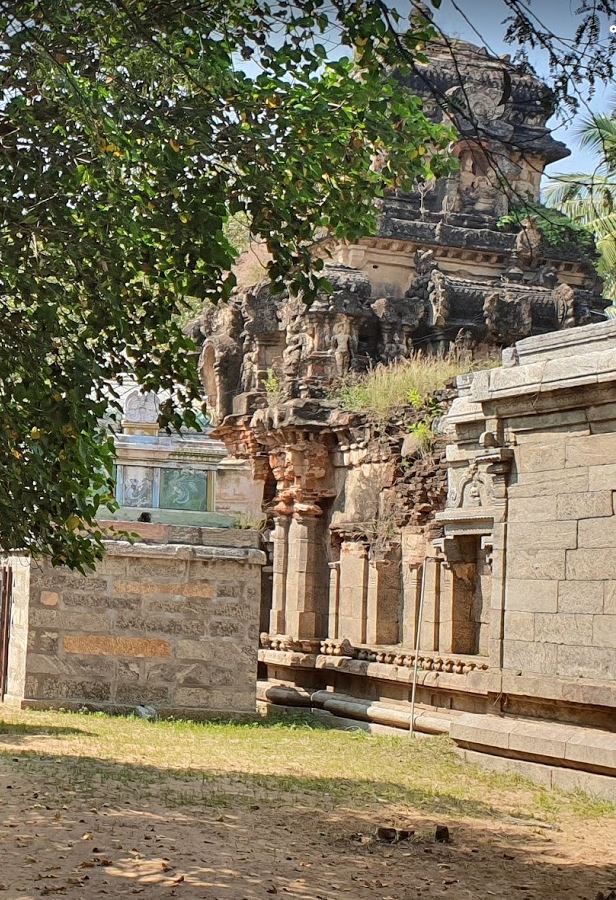
Agatheeswarar Temple in Thirumukkudalur, Karur district, is an ancient Hindu shrine dedicated to Shiva, situated at the sacred confluence of three rivers and believed to be over 1000 years old.
Kalyanji Temple
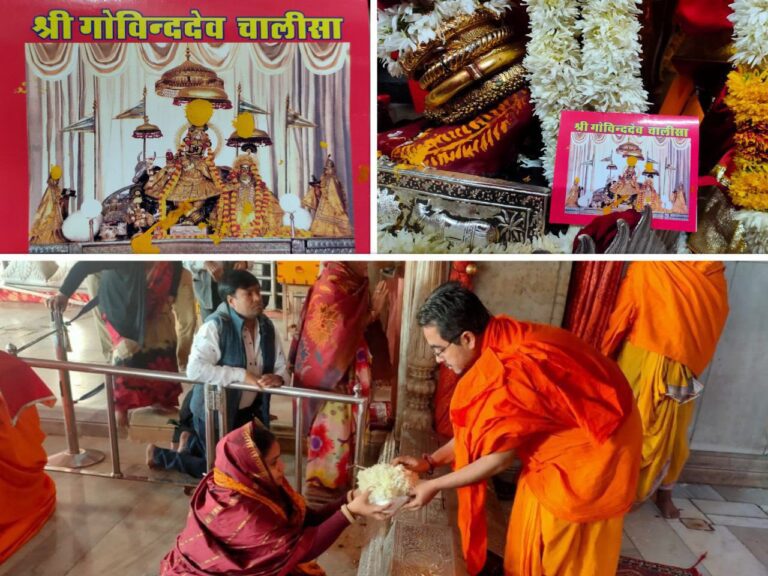
Kalyanji Temple in Jaipur's Chandpol Bazaar is an ancient Krishna shrine established in the 1820s, renowned for its seven daily aartis and special avatar darshan ceremonies during Akha Teej and Patottsav festivals.
Rani Sati Mandir Mahuda
Rani Sati Mandir in Mahuda, Dhanbad District, is a Hindu temple established in 1992 that serves as a spiritual center for the local community and attracts devotees seeking blessings.