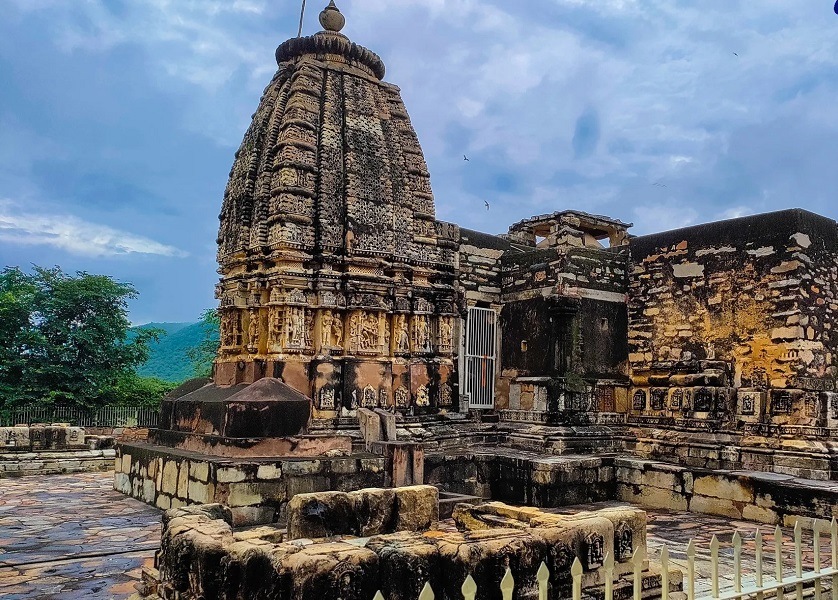
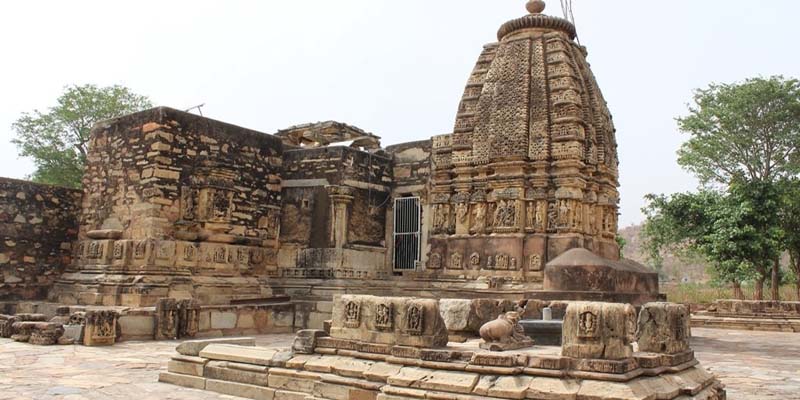
Neelkanth temple, Alwar district
About Neelkanth temple, Alwar district
The Neelkanth Temple follows the trikuta design, featuring three sanctums arranged with the central chamber oriented westward and housing the linga. The main shikhara, constructed in the nagara style, remains largely intact, though the side sanctums have lost their towers. The outer walls employ a pancharatha plan—a five-part projection system—with a pitha base and vedibandha (decorative band) containing small sculptured niches.
The temple's sculptural program reflects the sophisticated artistic vocabulary of the Gurjar Pratihara tradition. The bhadra niches on the main sanctum's outer walls display carved figures including Harihara (Vishnu-Shiva combined form), Narasimha, and Tripurantaka. Additional wall projections feature surasundaris (celestial maidens), mithuna (amorous couples), yalis (mythical beasts), and dikpalas (directional guardians). A particularly notable carving depicts a jeweled Shiva and Gauri with Nandi positioned behind them. Despite deterioration affecting much of the structure, these remaining sculptures demonstrate the craftsmanship that once characterized the site.
The Broader Sacred Landscape
The temple does not stand alone. Approximately 200 temple ruins scatter across the surrounding area, indicating this was once a major religious center. Among these remnants lies the Naugaja Temple, which preserves a tall statue of the Jain tirthankara Shantinatha carved from light orangish-red sandstone. An inscription dates this statue to the 13th day of the dark half of Baisakha in the year VS 979 (AD 922–23), during the reign of Mahipala I Deva of the Gurjara-Pratihara dynasty. This coexistence of Hindu and Jain sacred spaces reflects the religious pluralism of the medieval period.
Visiting the Temple
The temple opens daily from 05:00 to 21:00, with no entry fee required. Visitors should allow between 30 minutes and two hours for their visit, depending on how thoroughly they wish to explore the site and surrounding ruins. The steep track to the temple demands reasonable physical fitness; sturdy footwear is essential. The isolated hilltop location means there are no facilities on-site, so visitors should carry water and any supplies they may need.
As a Shiva temple, standard Hindu temple etiquette applies: remove footwear before entering the sanctum, and approach the linga with respect. Women and men alike may participate in darshan (viewing the deity). The natural setting and early morning hours offer particularly peaceful conditions for worship.
Getting There
The temple lies approximately 72 kilometers from Alwar city, situated in Tehla village within Rajgarh tehsil. The coordinates are 27.2474°N, 76.352°E. Access requires private transportation—a cab or personal vehicle—as public transport does not serve this remote location. The journey from Alwar takes roughly two hours depending on road conditions. Visitors should plan for a half-day to full-day excursion when accounting for travel time and exploration of the site.
A Site of Quiet Significance
Neelkanth Mahadev Temple appeals primarily to those with interest in medieval Indian architecture and religious history. The site offers no crowds or commercial development, making it suitable for contemplative visits. The surrounding Sariska landscape adds natural beauty to the historical experience. However, the remote location and lack of facilities mean this is not a temple for casual visitors seeking convenience—it rewards those willing to make the effort to reach it.
How to reach
You may also visit
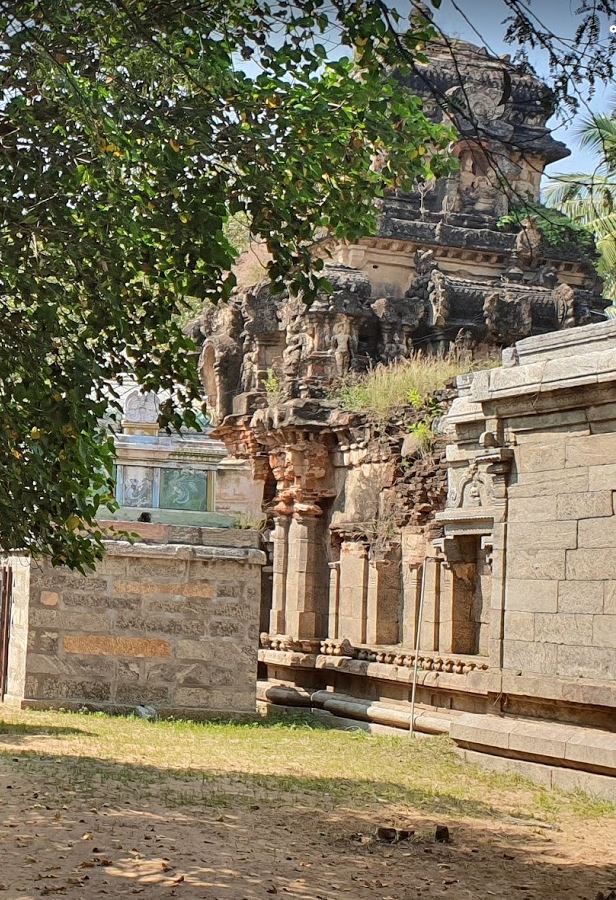
Agatheeswarar Temple, Karur
Agatheeswarar Temple in Thirumukkudalur, Karur district, is an ancient Hindu shrine dedicated to Shiva, situated at the sacred confluence of three rivers and believed to be over 1000 years old.
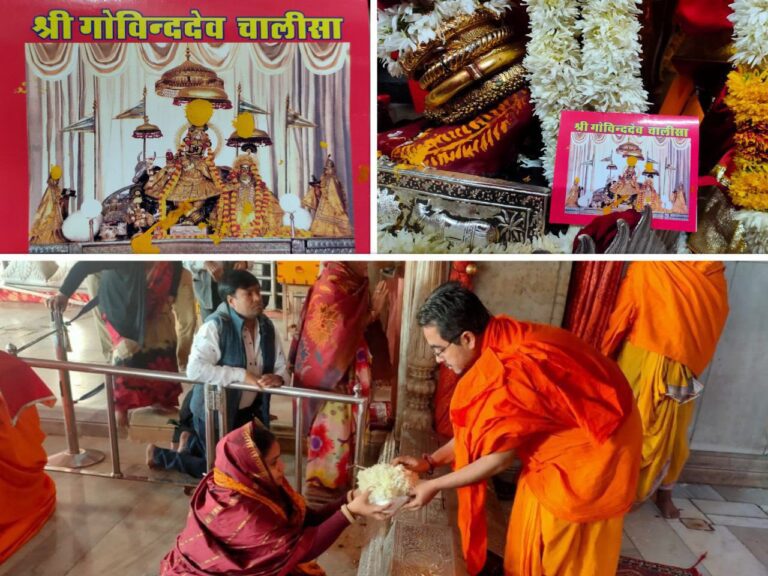
Kalyanji Temple
Kalyanji Temple in Jaipur's Chandpol Bazaar is an ancient Krishna shrine established in the 1820s, renowned for its seven daily aartis and special avatar darshan ceremonies during Akha Teej and Patottsav festivals.
Rani Sati Mandir Mahuda
Rani Sati Mandir in Mahuda, Dhanbad District, is a Hindu temple established in 1992 that serves as a spiritual center for the local community and attracts devotees seeking blessings.