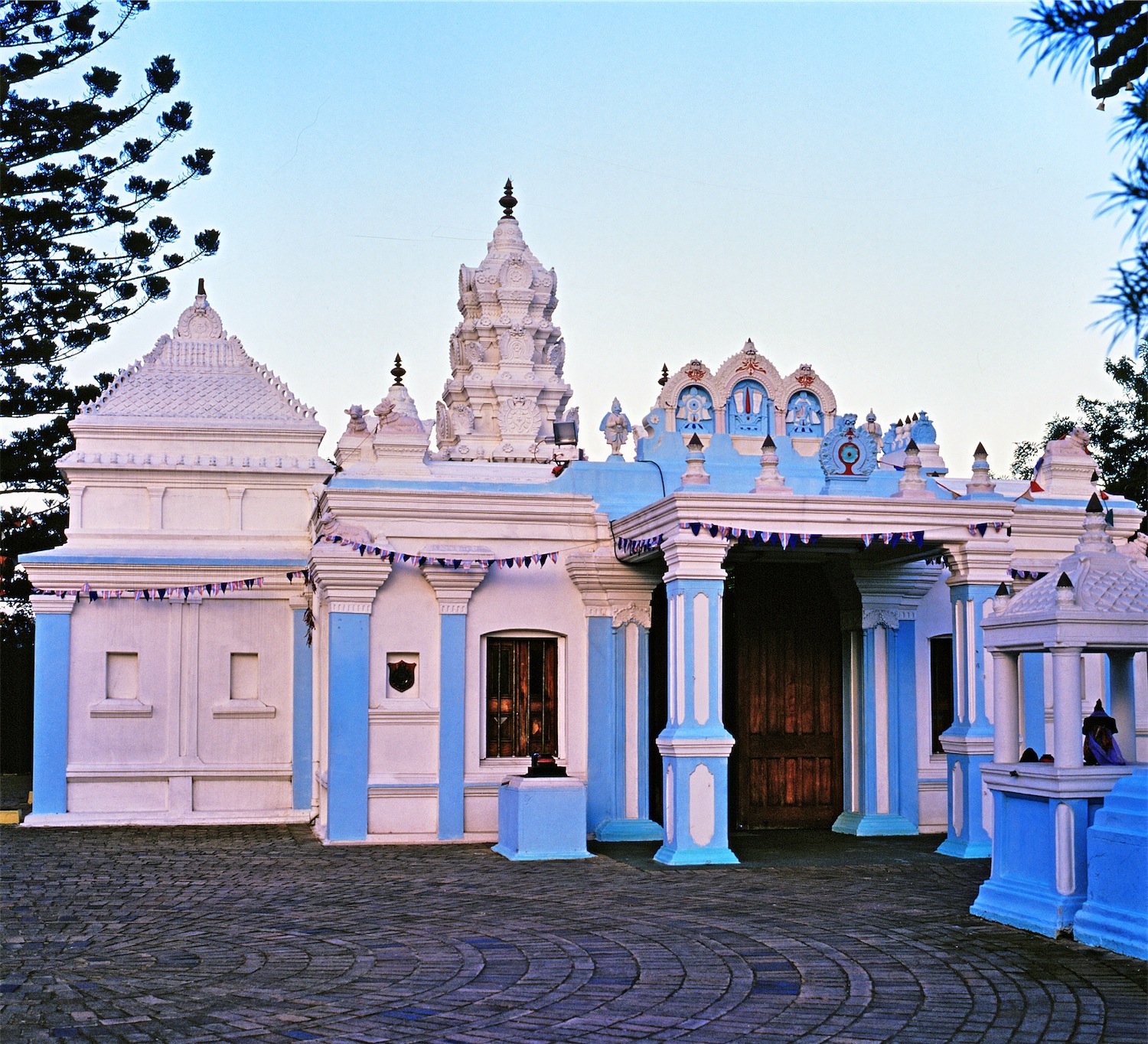
Narainsamy Temple
About Narainsamy Temple
Narainsamy Temple is located in Inanda, a township in the KwaZulu-Natal province of South Africa. The temple's coordinates are -29.7762, 30.9669, which may be useful for those using GPS navigation. Visitors planning to attend should note the temple's specific address in Inanda and allow adequate travel time to reach the location. Those unfamiliar with the area may wish to contact the temple in advance for detailed directions and information about parking or public transport options.
The Founder's Legacy
The temple was established by Narainsamy in 1896, a period when Tamil Hindu communities were establishing their religious institutions in South Africa. The founder's creation of a family trust to oversee the temple demonstrates a commitment to its long-term preservation and management. This trust structure has allowed the temple to maintain its operations and religious character across more than a century of change. The temple thus stands as a testament to the vision of its founder and the dedication of successive generations who have maintained it.
Visiting the Temple
Visitors to Narainsamy Temple should approach with respect for its role as an active place of worship. As a Hindu temple, standard etiquette applies: removing shoes before entering the inner sanctum, maintaining quiet and reverent behavior during prayers, and dressing modestly. The temple welcomes both devotees and visitors interested in Tamil Hindu culture and heritage.
Those planning a visit are advised to contact the temple directly to learn about current visiting hours, any special observances, or particular times when darshan (viewing of the deity) may be available. The temple's management through the family trust can provide information about facilities, accessibility, and any guidelines specific to the site. Given the temple's status as a heritage site, visitors may also find that local heritage organizations or tourism boards have additional information about visiting arrangements.
Religious Significance
As a Tamil Hindu temple, Narainsamy Temple serves as a center for worship, prayer, and the observance of Hindu religious practices. Tamil Hindu temples typically maintain daily rituals and observances that structure the spiritual life of the community. The specific deity worshipped and the particular rituals performed at this temple would be best learned directly from the temple's priests or management, ensuring accurate information about its unique religious character and practices.
Cultural Heritage
The temple's recognition as a provincial heritage site acknowledges its importance beyond its immediate religious function. It represents a significant aspect of South African history—the establishment and persistence of Hindu religious and cultural life in the country. For those interested in the history of Indian communities in South Africa, the Tamil heritage preserved at Narainsamy Temple offers tangible connection to these historical narratives. The temple's longevity and continued operation demonstrate the resilience and commitment of the Tamil Hindu community in maintaining their traditions and passing them to new generations.
How to reach
Temples near Narainsamy Temple
Umgeni road temple
The Umgeni Road Temple in Durban is one of South Africa's oldest and largest Hindu temples, established in 1883, featuring South Indian architectural style and a prominent eight…
Challen Temple
Challen Temple in Durban, established in 1898, is a historic Hindu temple serving the community for over 125 years with daily rituals centered on evening worship and major Hindu…
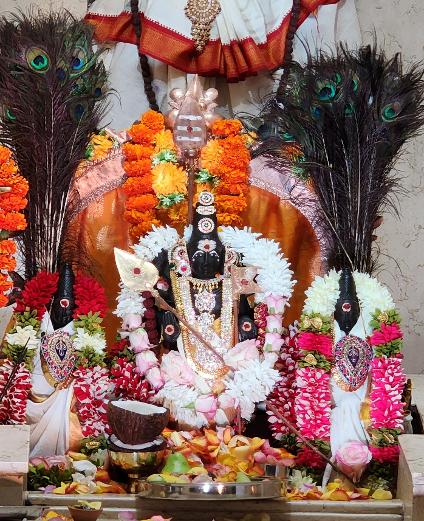
Clairwood Shree Siva Soobramoniar Temple
Clairwood Shree Siva Soobramoniar Temple in Durban, South Africa, is a Hindu shrine dedicated to Muruga (worshipped as Shiva-Subrahmanyar), established in 1889 and renowned for…