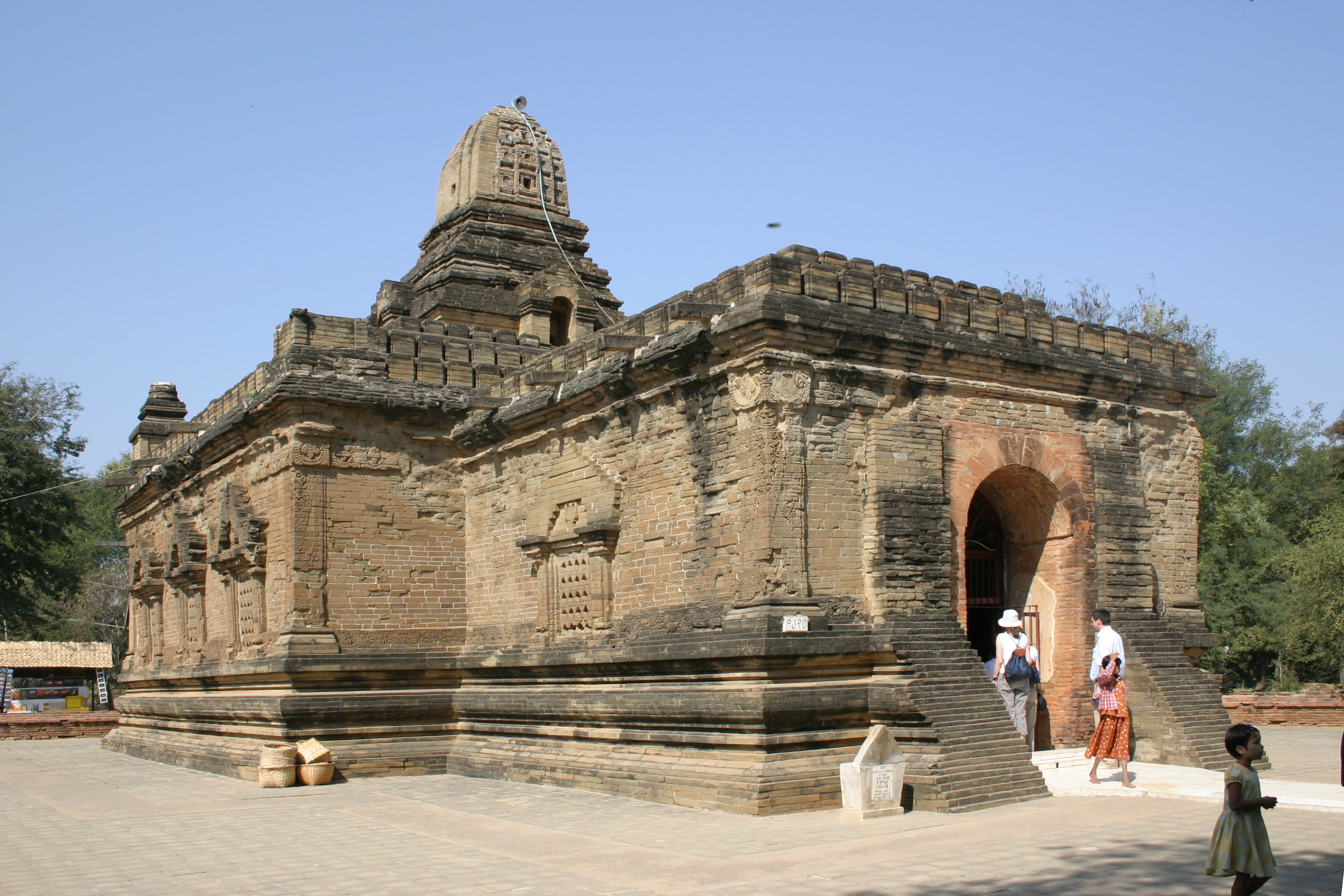
Nanpaya Temple
About Nanpaya Temple
Nanpaya Temple is believed to have been built by King Makuta, the captive monarch of the defeated Thaton Kingdom. This historical association connects the temple to a period of significant political change in the region. The structure represents a moment when Hindu religious practice found expression through monumental architecture in Bagan, distinguishing it from the predominantly Buddhist temples that characterize the broader landscape.
The temple's construction reflects the circumstances of its patron—a ruler whose kingdom had been conquered yet who retained sufficient resources and authority to commission a religious structure. This context shapes understanding of the temple as both a spiritual site and a historical artifact of medieval Southeast Asian politics and culture.
Architecture and Design
The temple's architectural character reflects its Hindu origins, visually distinguishing it from the Buddhist structures that dominate Bagan's surroundings. While detailed documentation of the temple's internal layout and sculptural program remains limited in readily available sources, the standing structure itself permits direct observation of how Hindu temple design manifested in this particular historical and geographical setting.
The temple's relationship to the adjacent Manuha Temple invites comparative study of how different religious communities expressed their faith through architecture within the same village context. Visitors observing both structures gain insight into the religious diversity that characterized medieval Bagan and the distinct aesthetic choices each tradition employed.
The Deity and Worship
The primary deity worshipped at Nanpaya Temple is not recorded in available sources. Visitors should approach the temple with openness to its Hindu character while recognizing that specific details about its ritual focus remain undocumented. The temple's existence as a functioning Hindu shrine within a predominantly Buddhist region speaks to the historical presence of Hindu communities and practice in medieval Bagan.
Visiting the Temple
Visitors should plan their approach to Nanpaya Temple with practical considerations in mind. Myanmar's climate varies significantly by season, affecting both comfort and accessibility. Current travel advisories should be consulted before departure, as conditions and regulations may change.
The temple's location within Myinkaba village means that visitors will encounter it as part of the broader archaeological and cultural landscape of the region. Appropriate dress for a Hindu temple—modest clothing that covers shoulders and knees—is customary. Visitors should be prepared to remove footwear before entering sacred spaces, as is standard practice in Hindu temples. Basic courtesies such as respectful behavior and photography restrictions in certain areas should be observed.
Comparative Context
Nanpaya Temple's significance lies partly in its rarity within Bagan's predominantly Buddhist architectural landscape. The temple demonstrates that Hindu religious communities maintained a presence in medieval Myanmar and possessed the means to commission substantial structures. Its survival to the present day allows visitors to encounter directly a form of Hindu devotional architecture shaped by its specific historical moment and geographical setting, offering perspective on the religious complexity of the region's past.
How to reach
You may also visit
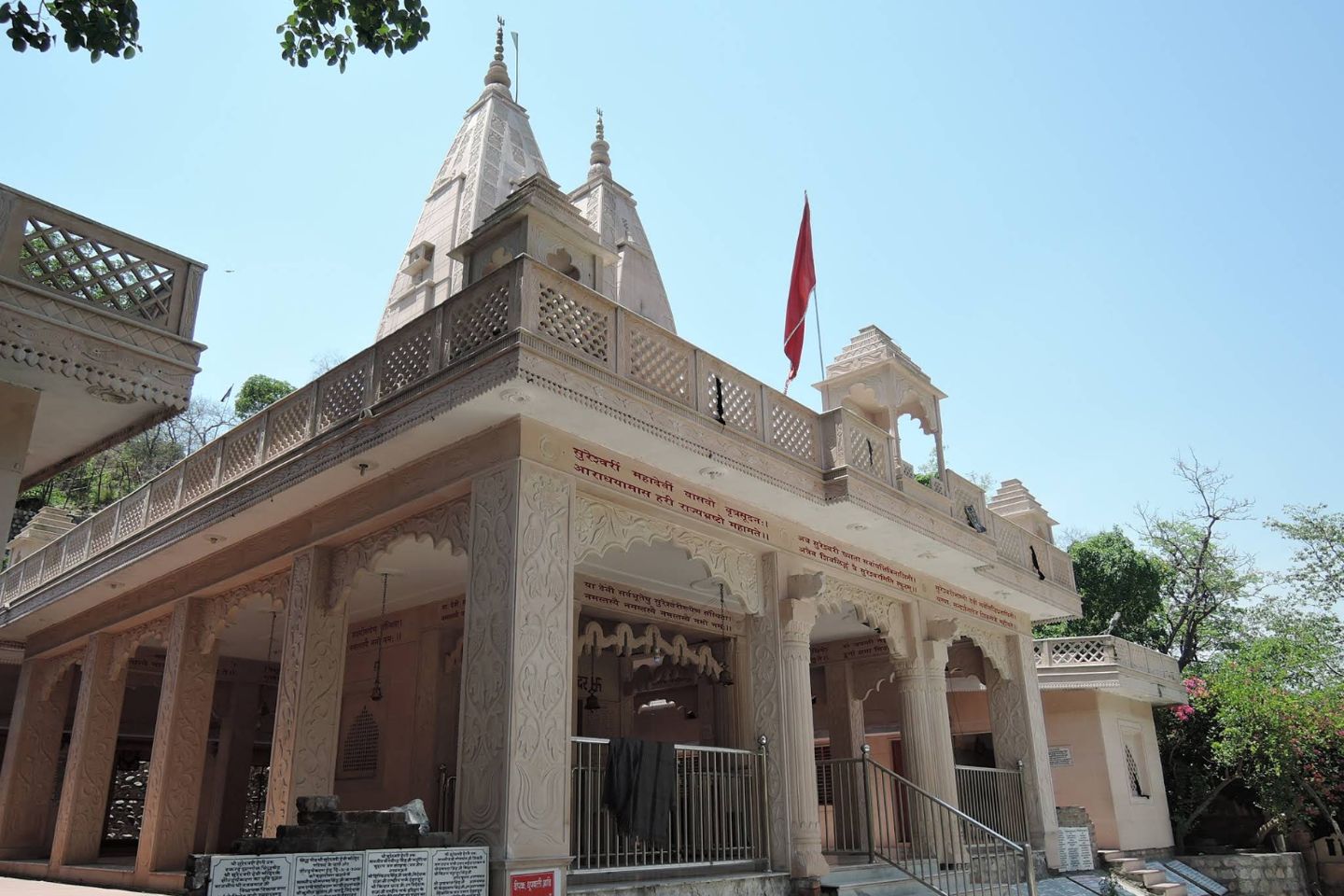
Sureshwari Devi Temple
Sureshwari Devi Temple in Haridwar is a forest shrine dedicated to the goddess, situated within the Ranipur Range area near Rajaji National Park, offering a secluded spiritual e…
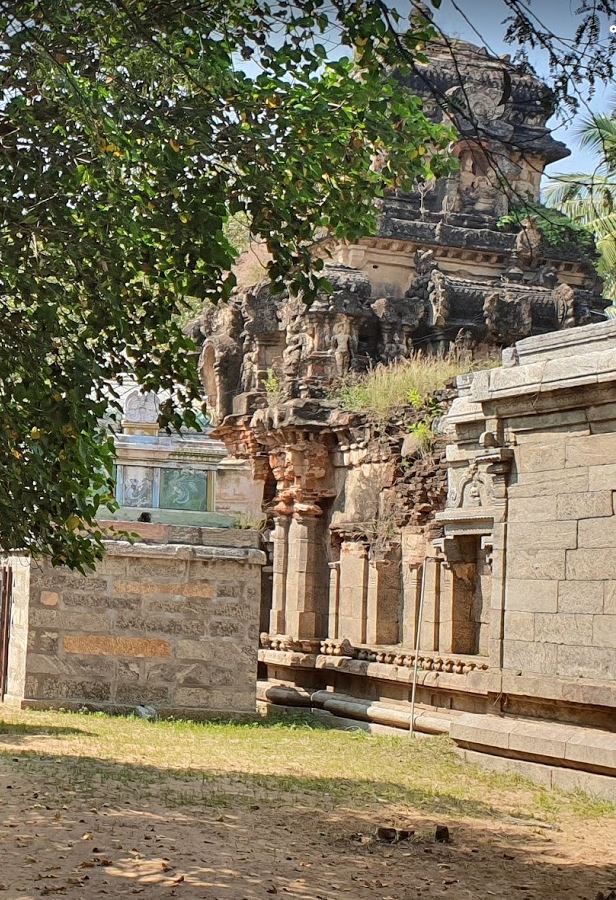
Agatheeswarar Temple, Karur
Agatheeswarar Temple in Thirumukkudalur, Karur district, is an ancient Hindu shrine dedicated to Shiva, situated at the sacred confluence of three rivers and believed to be over…

Shani Shingnapur
Shani Shingnapur is a renowned temple in Maharashtra dedicated to Lord Shani, featuring a self-emerged black stone idol worshipped under open sky. The temple is located in a uni…
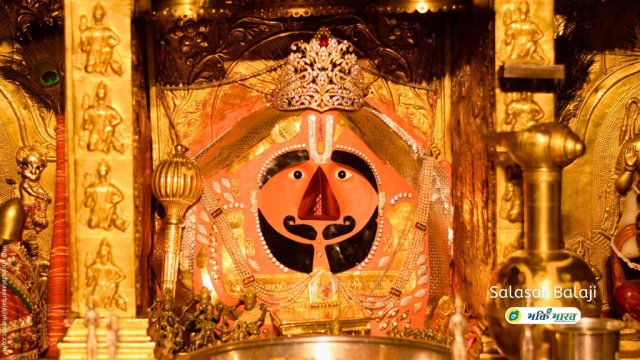
Salasar Balaji Temple
Salasar Balaji Temple in Churu district, Rajasthan, is a revered shrine dedicated to Lord Hanuman, distinguished by its unique depiction of the deity with a round face, beard, a…
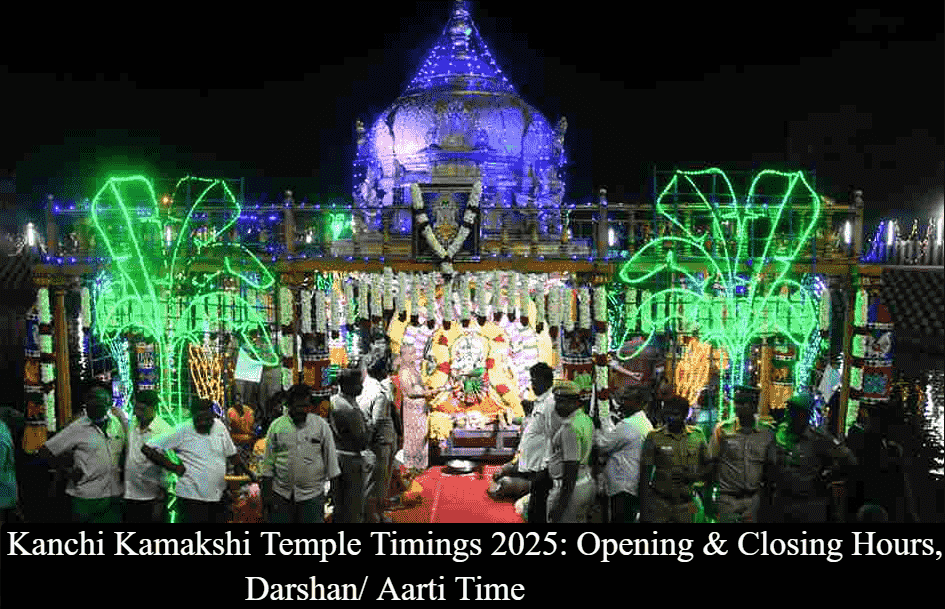
Kamaksha
Arulmigu Kamakshi Amman Temple in Mangadu, near Chennai, is dedicated to the goddess Kamakshi, an aspect of Adi Parashakti. According to legend, the goddess performed austeritie…
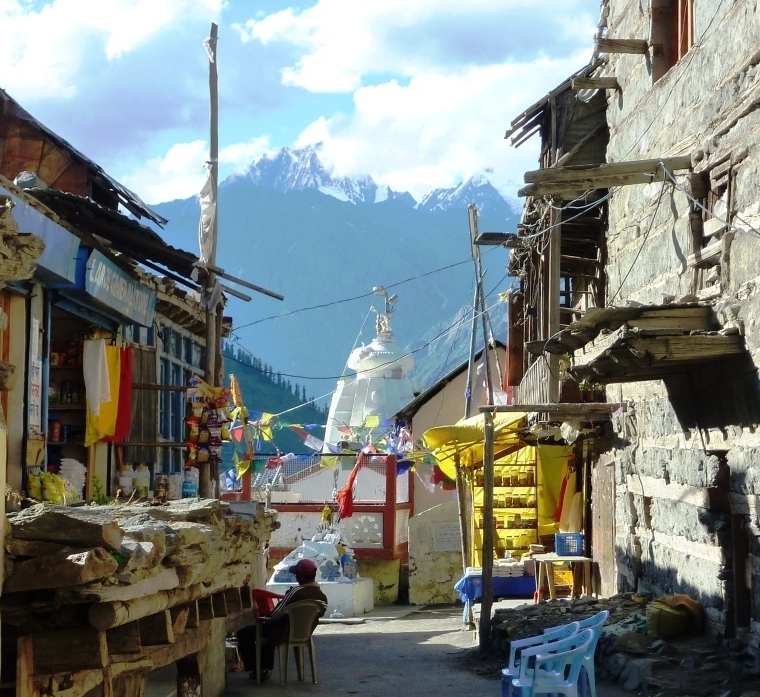
Trilokinath Temple at Tunde
The Trilokinath Temple in Tunde is an ancient shrine venerated by both Hindus and Buddhists, situated at 2,760 metres in the Lahul and Spiti District of Himachal Pradesh. Hindus…