Nandmahar Dham
About Nandmahar Dham
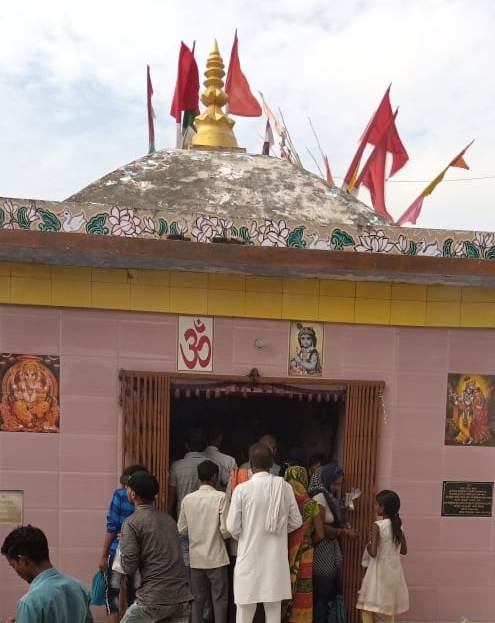
The temple is situated in a rural setting within Amethi District. Visitors should plan their journey with attention to local transport options, as the village location means that access may require travel by road from larger towns. The coordinates 26.32510194634042, 81.74953175325389 can assist those using GPS navigation.
As with most Hindu temples, visitors are expected to observe basic etiquette: removing shoes before entering the inner sanctum, maintaining respectful behaviour, and dressing modestly. Women and men may be subject to different customs depending on the temple's specific practices, which are best confirmed upon arrival. Temples dedicated to Krishna typically welcome devotees throughout the day, though specific darshan timings and any restrictions should be verified locally.
Worship and Daily Practice
Krishna temples in the Hindu tradition typically maintain daily worship cycles centred on the deity's morning and evening rituals. These often include offerings of flowers, incense, and food prepared as prasad—sanctified food distributed to devotees. The presence of Vasudeva (Krishna's biological father) and Balram (his brother) alongside Krishna and Nand Baba suggests that worship here may encompass the broader family narrative of Krishna's origins.
Devotees visiting the temple would participate in darshan—the act of viewing the deity—which forms the core of Hindu temple worship. The specific arrangements for darshan, including whether there are separate queues or designated times, would be determined by the temple's current practices.
Reaching Nandmahar Dham
The temple's location in Amethi District, roughly midway between Lucknow and the eastern Uttar Pradesh border, makes it accessible primarily by road. Lucknow, as the nearest major city, would be the logical starting point for those arriving by air or rail. From Lucknow, travellers would need to arrange road transport to Gauriganj and then to Musafirkhana village.
Those travelling from Delhi would cover approximately 630 kilometres, a journey typically undertaken by road or rail to Lucknow, followed by onward travel to the temple. Local inquiry in Gauriganj or nearby towns would help identify the most direct route to the temple's exact location.
The Nand Baba Connection
The inclusion of Nand Baba—Krishna's foster father—as a primary focus of worship distinguishes this temple within the broader landscape of Krishna devotion. In Hindu tradition, Nand Baba represents the parental love and protection that sheltered Krishna during his vulnerable early years. Temples emphasizing this figure often attract devotees seeking blessings related to family, protection, and nurturing care.
The pairing of Nand Baba with Vasudeva (Krishna's biological father) creates a theological space honouring both the earthly and divine dimensions of Krishna's parentage, reflecting the complexity of Krishna's dual nature in Hindu philosophy.
Planning Your Visit
Before travelling to Nandmahar Dham, it is advisable to confirm current visiting arrangements, as temple practices and accessibility can change. Local contact information or details about specific festivals or observances would be best obtained through inquiry in Gauriganj or nearby towns, or through local Hindu community networks familiar with the region.
Visitors should be prepared for a rural temple setting and plan accordingly for facilities. Bringing water and sun protection is sensible given the location in northern India's plains. The temple's significance to local devotees means that certain times—particularly during festivals or auspicious days in the Hindu calendar—may draw larger crowds.
How to reach

Temples near Nandmahar Dham

Mata Mawai Dham
Mata Mawai Dham is a Hindu temple dedicated to Goddess Durga located in Mawai Village near Gauriganj in Amethi district, Uttar Pradesh. Established four decades ago, it has beco…
Durgan Dham Temple
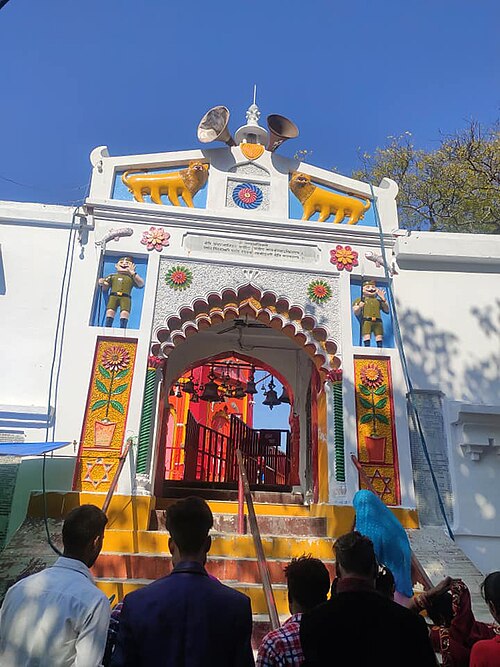
Durgan Dham Temple is a Goddess Durga shrine located in Amethi district, Uttar Pradesh, known for its sacred lake with lotus flowers and major celebrations during Navratri festi…
Ghuisarnath Temple
Ghuisarnath Temple, also known as Ghushmeshwarnath Temple, is a Hindu shrine dedicated to Lord Shiva situated on the banks of the Sai River in Pratapgarh, Uttar Pradesh. The tem…
Belha Devi Temple
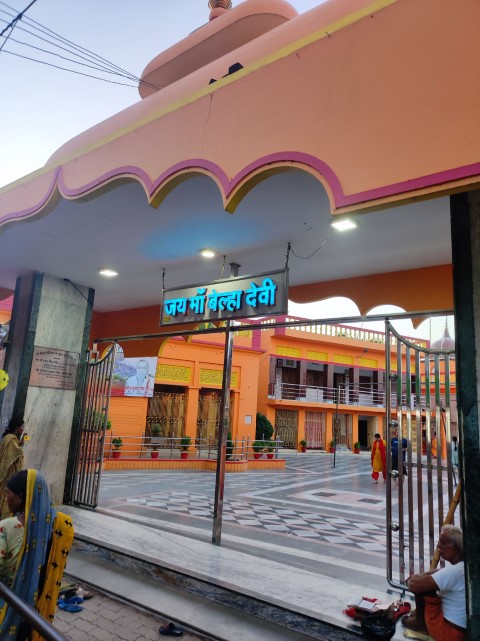
Belha Devi Temple is an ancient Hindu shrine in Bela Pratapgarh, Uttar Pradesh, dedicated to Goddess Belha, a local manifestation of Devi and the city's patron deity. The temple…
Chandikan Devi Temple
Chandikan Devi Temple is a Hindu shrine dedicated to Goddess Kali located in Sandwa village, Pratapgarh District, Uttar Pradesh, approximately 24 km from Pratapgarh town.
Sri Aastik Swami Mandir, Raebareli
Sri Aastik Swami Mandir in Lalupur, Raebareli is a Hindu temple dedicated to Sri Aastik Swami, the Lord of Snakes, situated on the banks of the River Sai. The temple is renowned…