


Mulavana Mahadevar Temple
About Mulavana Mahadevar Temple
The temple opens at 5:00 AM each morning and closes at 9:30 AM, operating on this schedule seven days a week without weekly closure. The early opening reflects the practice common to Shiva temples in Kerala, where daily rituals begin in the pre-dawn hours. Devotees traditionally visit during these dawn times, as early morning is considered an auspicious period for spiritual practice and worship in Hindu tradition.
The temple recommends visiting between 5:00 and 6:30 AM for the best experience of worship and darshan. During these hours, the temple's rituals are typically underway, and the atmosphere carries the focused energy of morning devotions. Specific details about the daily ceremonies performed—such as abhisheka (ritual bathing of the deity) or archana (worship with flowers and offerings)—are not documented in available sources. Visitors interested in participating in or observing particular rituals should contact the temple administration upon arrival or in advance to learn about current practices.
Visiting Information and Practical Details
The temple's address is Mulavana, Kerala 691503, India. Kundara East railway station is the nearest rail connection, situated approximately 0.95 kilometers away, making the temple accessible to those arriving by train. The limited daily operating window—closing by 9:30 AM—means visitors must plan accordingly, as there is no evening worship period.
Standard temple etiquette applies when visiting. Remove footwear before entering the sanctum, dress modestly and respectfully, and approach the deity with reverence. The temple's character as a community shrine emphasizes quiet worship, so visitors should maintain a respectful demeanor. Those with specific questions about offerings, rituals, or other practices are encouraged to seek guidance from temple staff or administration, as detailed information about ceremonies is not widely documented in public sources.
Community and Accessibility
The temple's openness to all visitors reflects a welcoming approach to worship without discrimination. It functions as a vital spiritual center for Mulavana village and neighboring communities, serving both regular devotees and occasional visitors. The devaswom system of management ensures the temple's maintenance and the continuation of its religious functions according to established practice, preserving the shrine's role in local religious life.
The temple's reputation among visitors emphasizes its role as a peaceful religious destination. Those who have visited describe it as a serene place of worship, suggesting that the temple's primary appeal lies in its quiet spiritual atmosphere rather than elaborate facilities or large-scale ceremonies.
Getting There
Mulavana is located in Kerala's southern region. The nearest railway station is Kundara East, less than one kilometer away, making rail travel a viable option for visitors. Those arriving by other means should plan their journey to reach the temple during its morning operating hours, keeping in mind the 9:30 AM closure time. It is advisable to confirm current timings and any special circumstances before traveling, particularly if visiting from a distance.
How to reach
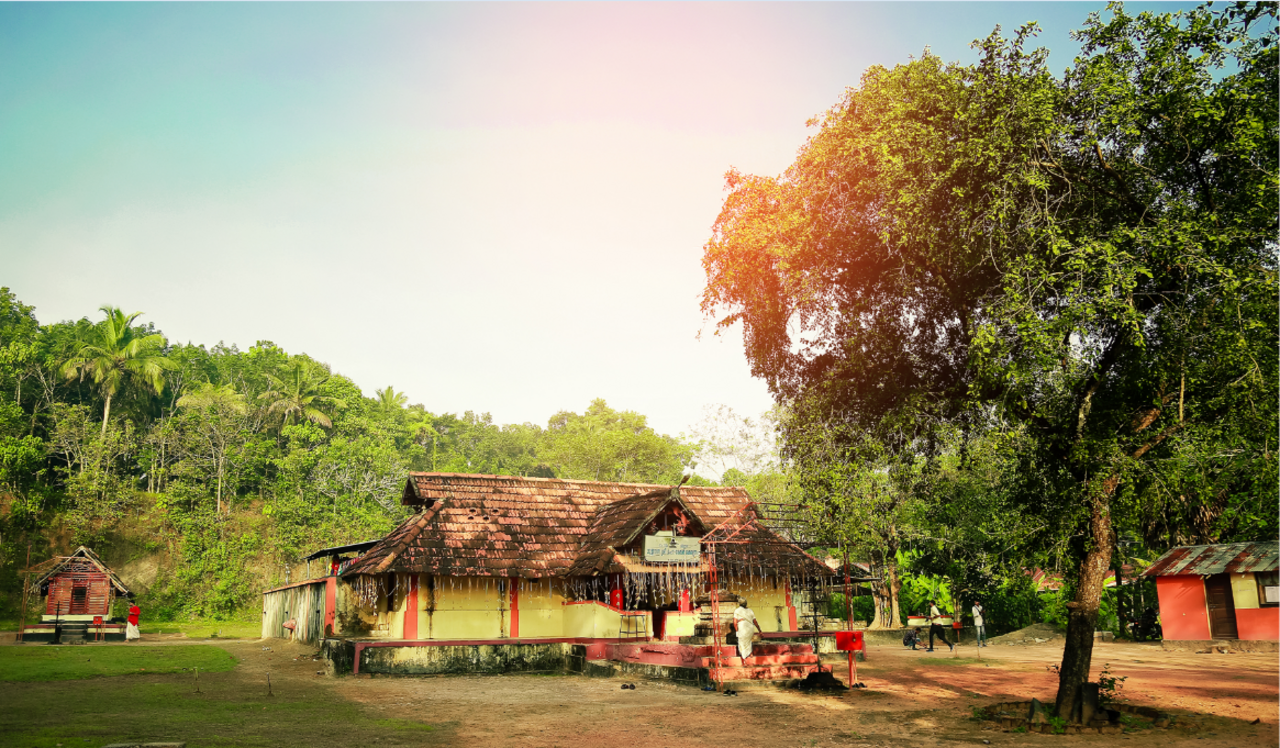
Temples near Mulavana Mahadevar Temple
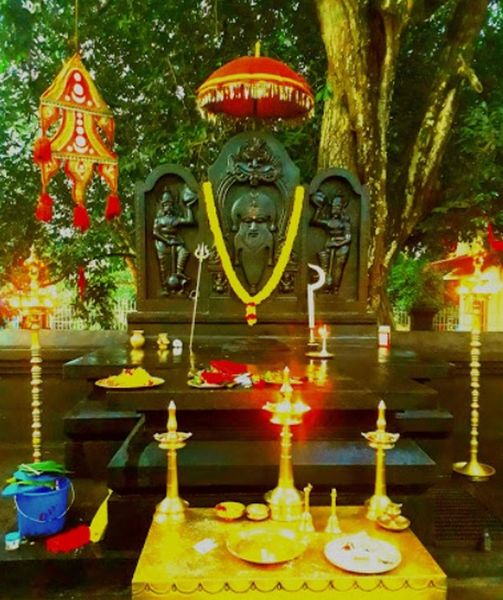
Pavithreshvaram Malanada Kshethram
Pavithreshvaram Malanada Kshethram is Kerala's only temple dedicated to Shakunideva, situated atop a hill seven kilometers from East Kallada in Kollam district.
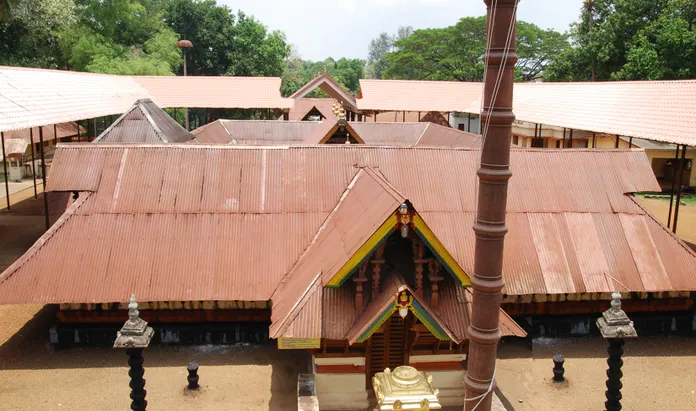
Sasthamcotta Sree Dharma Sastha Temple
Shri Dharma Sastha temple in Sasthamkotta, Kerala is a historic shrine surrounded by the state's largest freshwater lake, renowned for its divine monkey inhabitants and as one o…
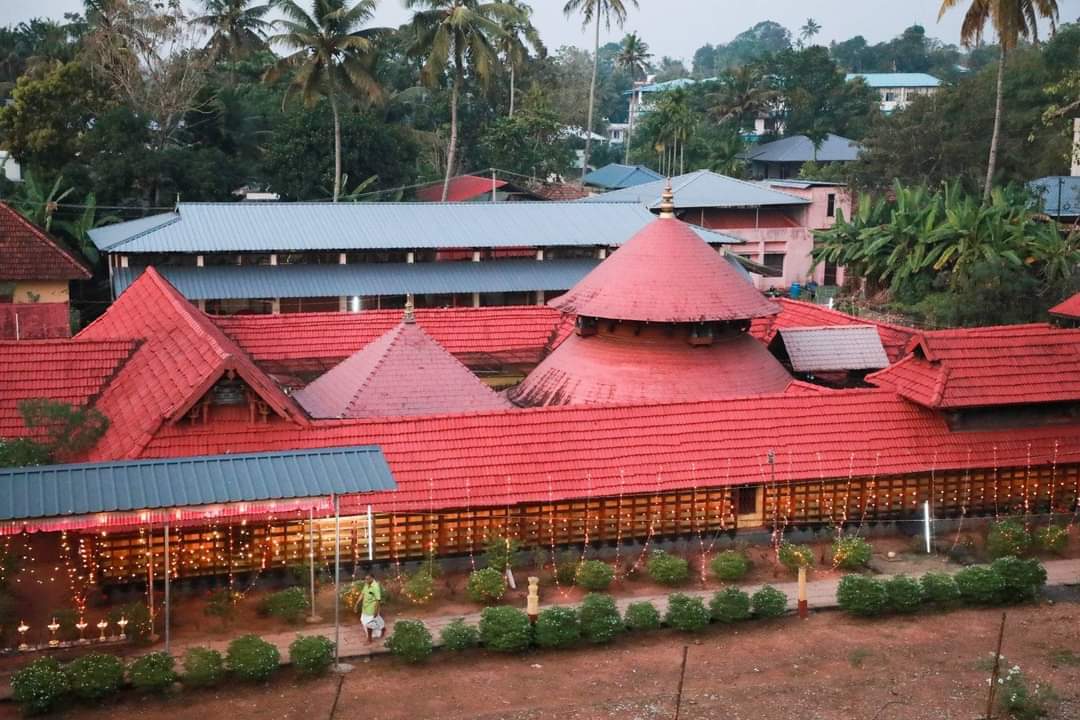
Padinjattinkara Sree Mahadeva Temple
Padinjattinkara Sree Mahadeva Temple is a significant Maha Kshetra in Kottarakkara where Lord Mahadeva and Sree Parvathy are enshrined together in a copper-covered circular sanc…
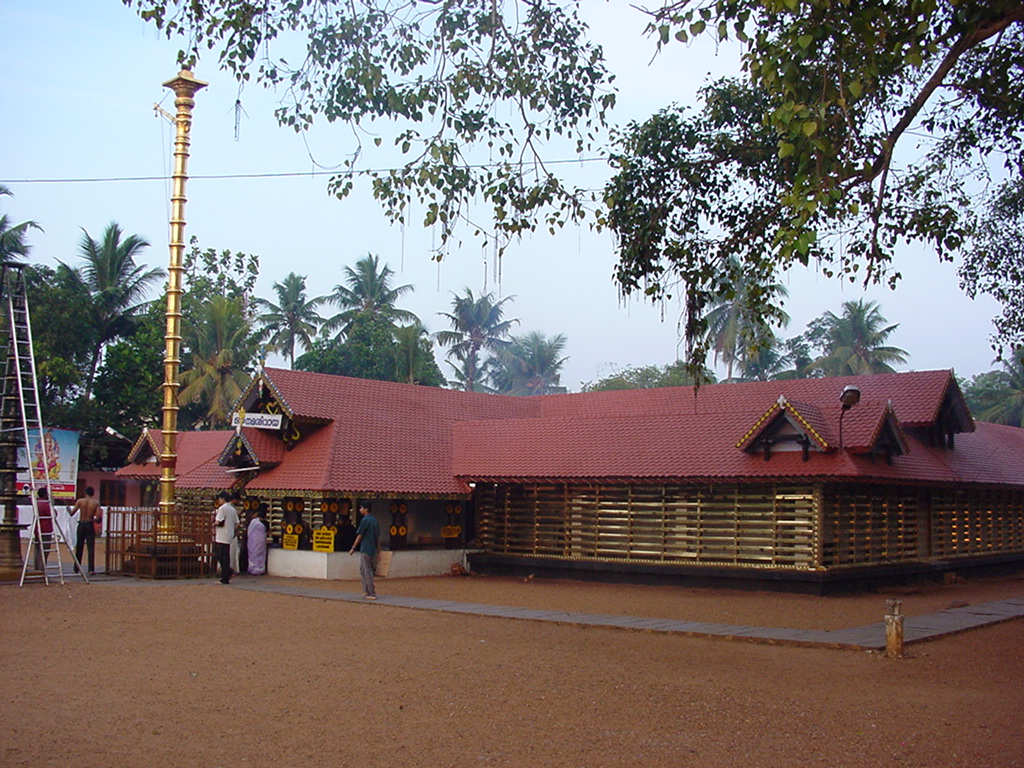
Kottarakkara Sree Mahaganapathi Kshethram
Kottarakara Sree Mahaganapathi Temple is one of South India's historically significant temples, where Lord Ganesha is the presiding deity though the original installation was Lo…
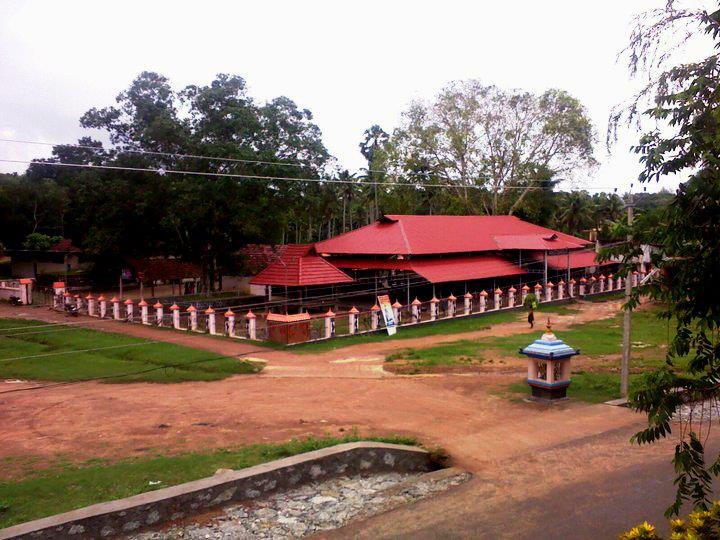
Poovattoor Bhagavathy Temple
Poovattoor Bhagavathy Temple in Kollam, Kerala is an ancient shrine dedicated to Goddess Bhagavathy, renowned for its elaborate annual Kumbha month festival featuring Kettukazch…

Thrikkadavoor Mahadeva Temple
Thrikkadavoor Sree Mahadeva Temple is a revered Shiva shrine in Kollam district, Kerala, recognized as one of the 108 sacred Shiva temples of the state and administered by the T…