
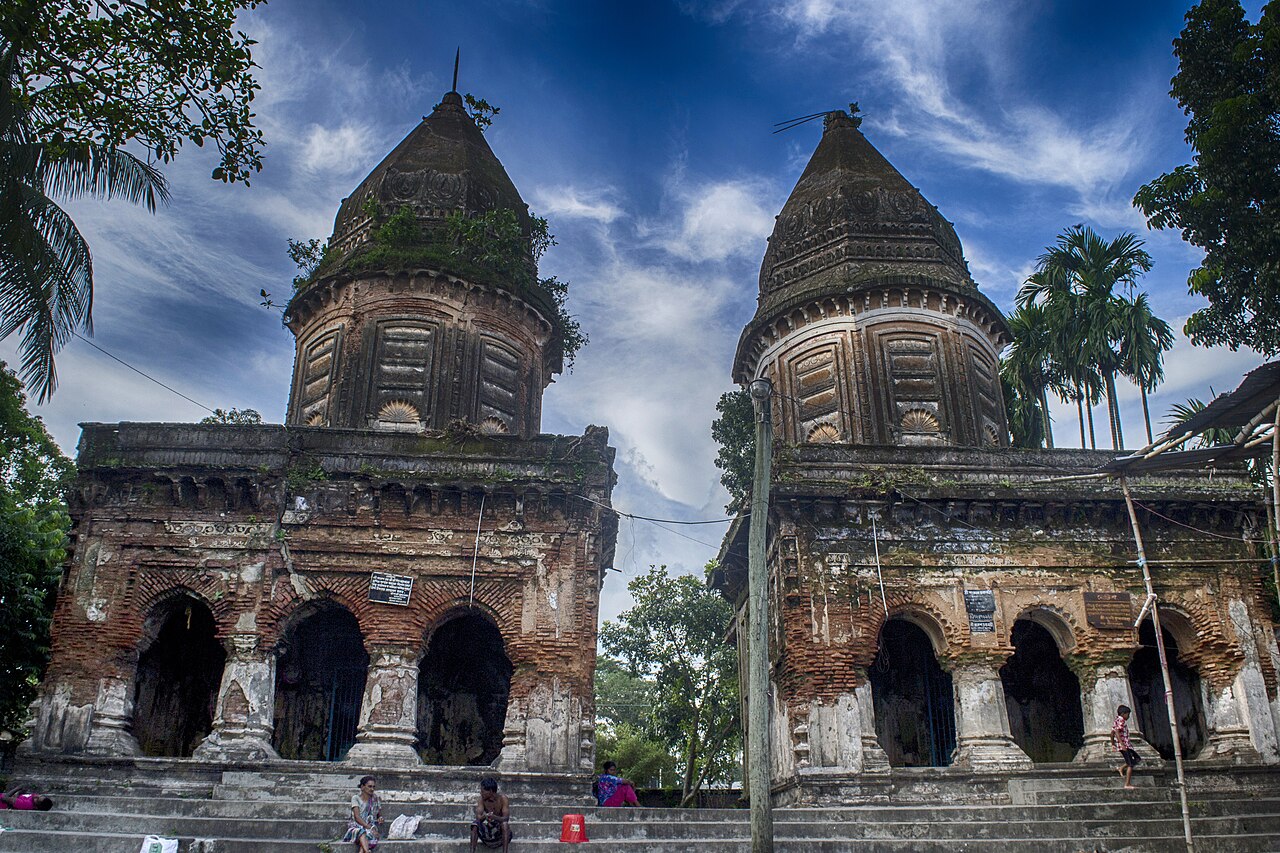

Muktagachha Shiva temple
About Muktagachha Shiva temple
The defining feature of this site is its paired temple design—two symmetrical structures built as mirror images of one another. Both temples follow the Nagara architectural style characteristic of Hindu temple construction in Bengal. One temple is dedicated to Shiva, known as Anandamoyi Shiva, while the other serves as the Kali Mata Mandir. This mirrored arrangement makes the complex a notable example of symmetrical temple design in the region. The architectural approach reflects both aesthetic principles and the theological significance of pairing complementary divine forms.
Deities and Worship
The temples house two principal deities: Shiva in one structure and Kali in the other. Shiva, the supreme ascetic and cosmic dancer, is worshipped in forms associated with meditation and transformation. Kali, the fierce manifestation of divine energy, represents both destruction and liberation. The pairing of these deities within mirror-image temples creates a unified sacred space that encompasses different aspects of Hindu devotional practice. Temples dedicated to Shiva typically observe rituals centered on abhisheka (ritual bathing of the deity) and meditation practices.
The Kattyani Puja Festival
The most significant annual observance at Muktagachha is the Kattyani Puja, locally known as the 'Shat' Puja, performed by the Hindu Rabidas community. This two-day celebration takes place during the Bengali month of Kartik, typically falling in October or November. The festival represents an important occasion for community worship and gathering at the temple. Devotees should plan visits during this period if they wish to experience the temple's primary religious observance, though specific dates vary annually according to the lunar calendar.
Current Condition and Visitor Considerations
The temple complex is currently in a dilapidated state due to insufficient maintenance and repairs over time. Visitors should be prepared for a site that reflects age and weathering rather than recent restoration. The temple lacks verified contact information and published visiting hours. Those planning a visit are advised to inquire locally in Muktagachha Upazila regarding current access and any community contact persons who may facilitate entry. The site's condition underscores the ongoing conservation challenges facing heritage temples in the region.
Location and Access
The temple is situated in Muktagachha Upazila within Mymensingh District, Bangladesh, at coordinates 24.7674°N, 90.2558°E. The site lies outside the Rajbari compound in the town of Muktagachha. Visitors traveling to the area should use these coordinates with mapping applications to locate the temple. Local transportation within Mymensingh District can be arranged through standard travel methods, though visitors are advised to confirm current road conditions and accessibility before undertaking the journey.
Visiting Etiquette and Preparation
As a functioning Hindu temple, visitors should observe standard practices of respect: removing shoes before entering the sanctum, maintaining quiet demeanor, and dressing modestly. Women typically wear salwar kameez or similar modest clothing; men should avoid shorts. Photography policies are not documented, so visitors should ask permission before photographing. Given the temple's current state of repair and lack of modern facilities, visitors should bring water and be prepared for basic conditions. The site is best visited during daylight hours and ideally with local guidance to navigate the grounds safely.
How to reach
You may also visit
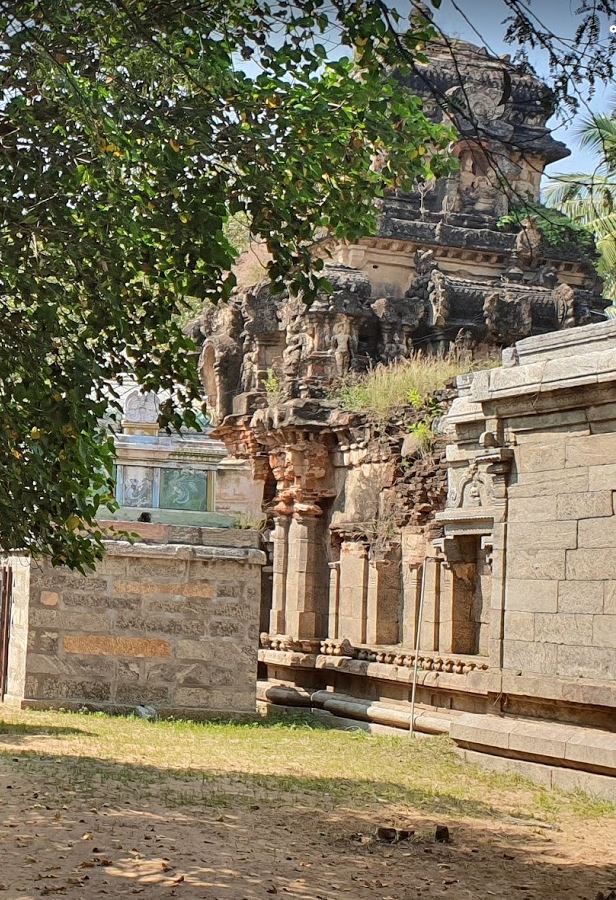
Agatheeswarar Temple, Karur
Agatheeswarar Temple in Thirumukkudalur, Karur district, is an ancient Hindu shrine dedicated to Shiva, situated at the sacred confluence of three rivers and believed to be over 1000 years old.
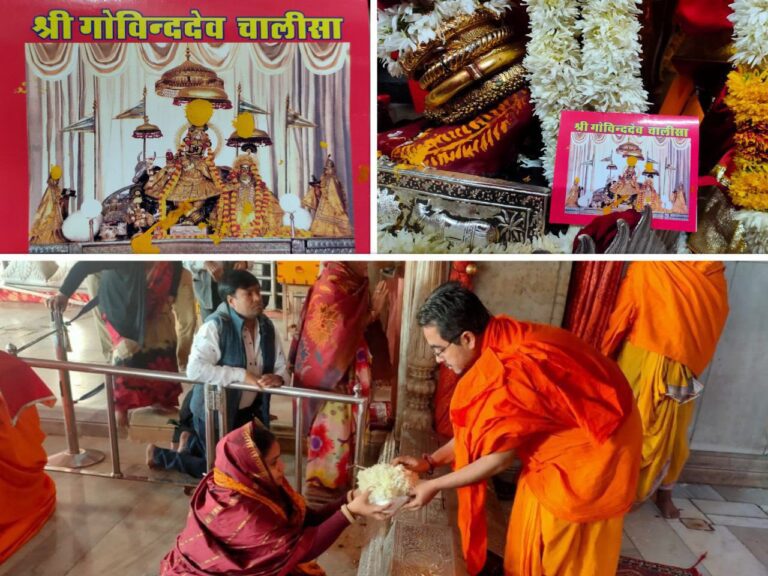
Kalyanji Temple
Kalyanji Temple in Jaipur's Chandpol Bazaar is an ancient Krishna shrine established in the 1820s, renowned for its seven daily aartis and special avatar darshan ceremonies during Akha Teej and Patottsav festivals.
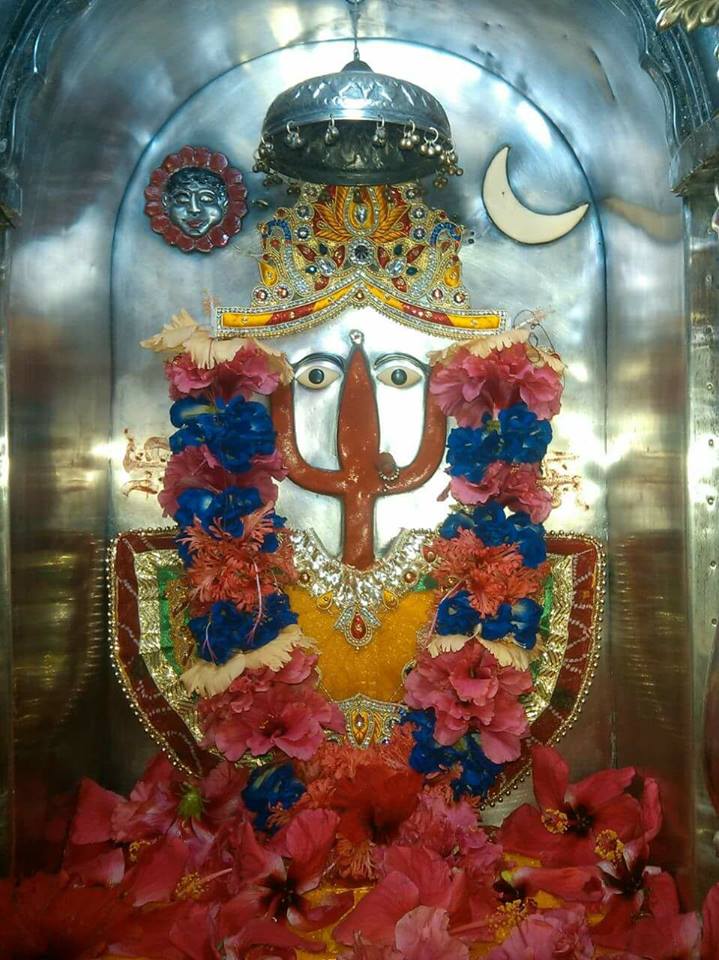
Rani Sati Mandir Mahuda
Rani Sati Mandir in Mahuda, Dhanbad District, is a Hindu temple established in 1992 that serves as a spiritual center for the local community and attracts devotees seeking blessings.