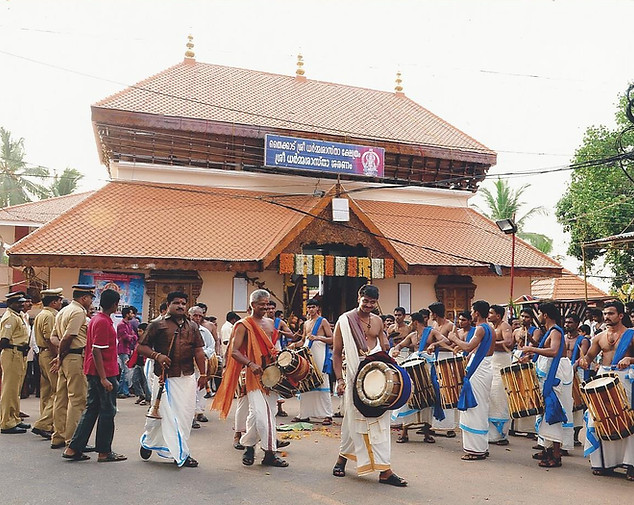
Mount Edgecombe Ganesha Temple
About Mount Edgecombe Ganesha Temple
The temple's architectural design draws directly from South Indian temple traditions, displaying distinctive Dravidian elements that connect it visually and spiritually to the sacred architecture of Tamil Nadu and neighbouring regions. The structure features a heavily modulated perimeter wall, an entrance portal crowned by a Sikhala tower, and an axial cella—the inner sanctum arranged along a central axis. These features embody classical Hindu temple design principles, adapted and realized within the South African context.
The architectural choices made by those who established the temple demonstrate how traditional forms were preserved and expressed even as communities built new lives in unfamiliar territories. The Dravidian style, with its emphasis on precise geometric proportions and symbolic tower structures, creates a visual and spiritual continuity with temples across South India, allowing devotees to experience familiar sacred geometry regardless of their geographical distance from the subcontinent.
Daily Worship and Darshan
Devotees visit the temple for darshan—the viewing and receiving of blessings from Ganesha. This practice of direct encounter with the deity forms the heart of Hindu temple worship. However, specific daily timings for worship and aarti (ritual worship with lamps) are not detailed in available sources. Visitors planning a trip should contact the temple directly to confirm current hours of worship before arrival, as timings may vary, particularly on festival days when the temple observes special schedules.
As is customary in Hindu temples, visitors should remove their shoes before entering the sanctum and approach the deity with respect and devotion. This practice reflects the sacred nature of the inner shrine and the reverence shown to the deity during darshan.
Festivals and Celebrations
The temple observes several significant festivals in the Hindu calendar, occasions when the shrine is elaborately decorated and draws larger gatherings of devotees. Diwali, celebrated on 8 November, is the festival of lights and includes worship of Lakshmi, the goddess of prosperity. Hanuman Jayanti, marked on 1 April, celebrates the birth of Hanuman, the devoted follower of Rama. Vasant Panchami, observed on 23 January, marks the arrival of spring and is traditionally associated with learning and the arts. These festival days offer visitors an opportunity to experience the temple in its most vibrant form, with elaborate decorations and heightened spiritual activity.
Visiting the Temple
Before planning a visit, contact the temple directly to confirm current opening hours and aarti timings, as these may differ from standard schedules on festival days. Visitors should dress modestly and respectfully, removing footwear before entering the sanctum. The temple's location in Inanda, within the eThekwini Metropolitan Municipality, places it within the greater Durban area of KwaZulu-Natal. Those travelling from outside the region should arrange transport in advance and allow time to locate the specific address within Inanda.
The temple's status as a provincial heritage site reflects its cultural and historical significance to South Africa. Visitors are encouraged to approach the space with awareness of its importance not only as a place of worship but as a landmark of Hindu heritage in the country.
How to reach
You may also visit
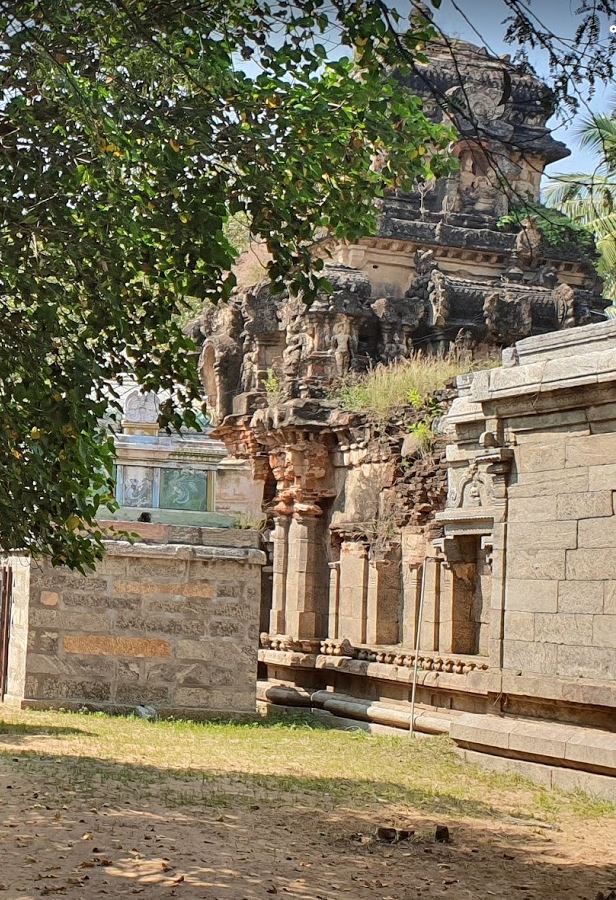
Agatheeswarar Temple, Karur
Agatheeswarar Temple in Thirumukkudalur, Karur district, is an ancient Hindu shrine dedicated to Shiva, situated at the sacred confluence of three rivers and believed to be over 1000 years old.
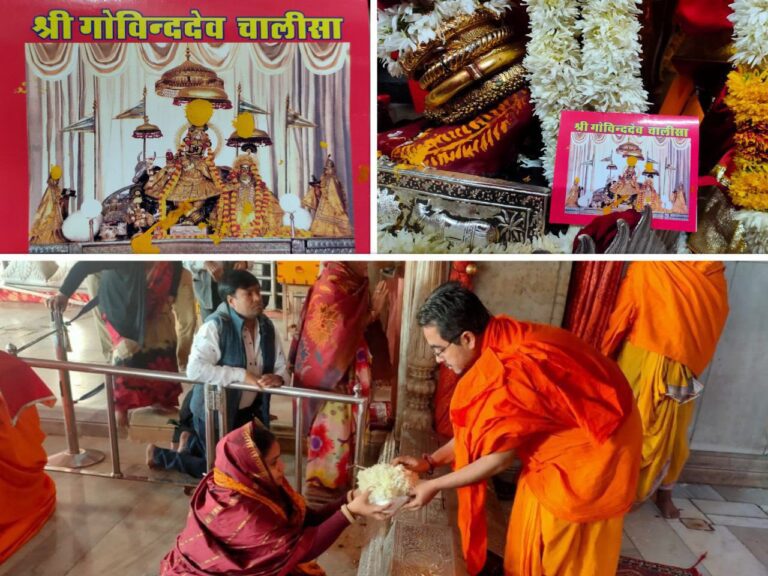
Kalyanji Temple
Kalyanji Temple in Jaipur's Chandpol Bazaar is an ancient Krishna shrine established in the 1820s, renowned for its seven daily aartis and special avatar darshan ceremonies during Akha Teej and Patottsav festivals.
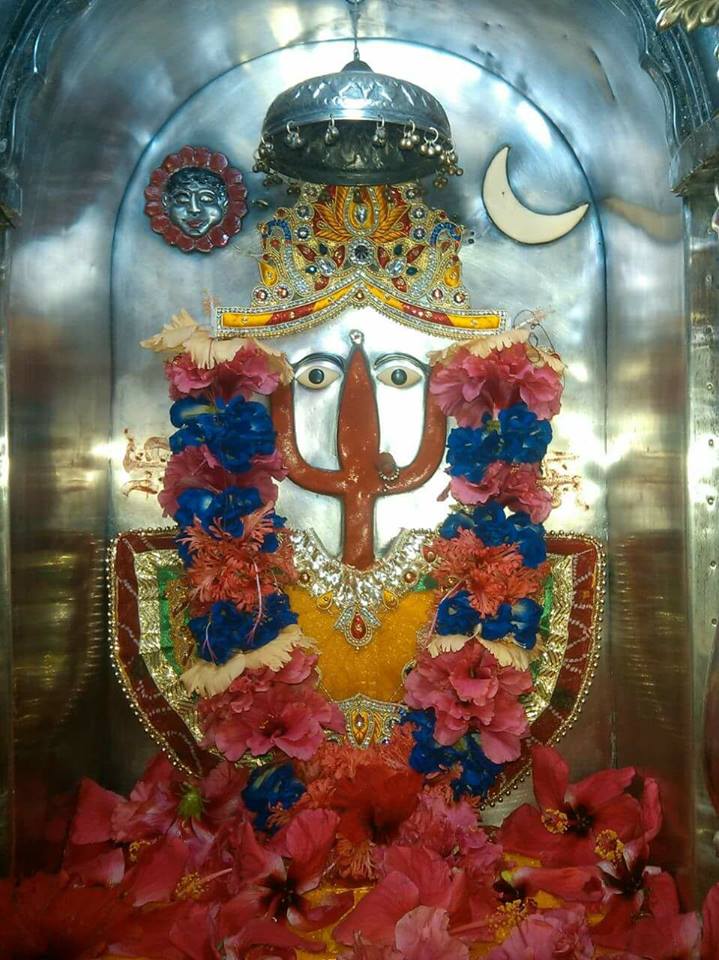
Rani Sati Mandir Mahuda
Rani Sati Mandir in Mahuda, Dhanbad District, is a Hindu temple established in 1992 that serves as a spiritual center for the local community and attracts devotees seeking blessings.