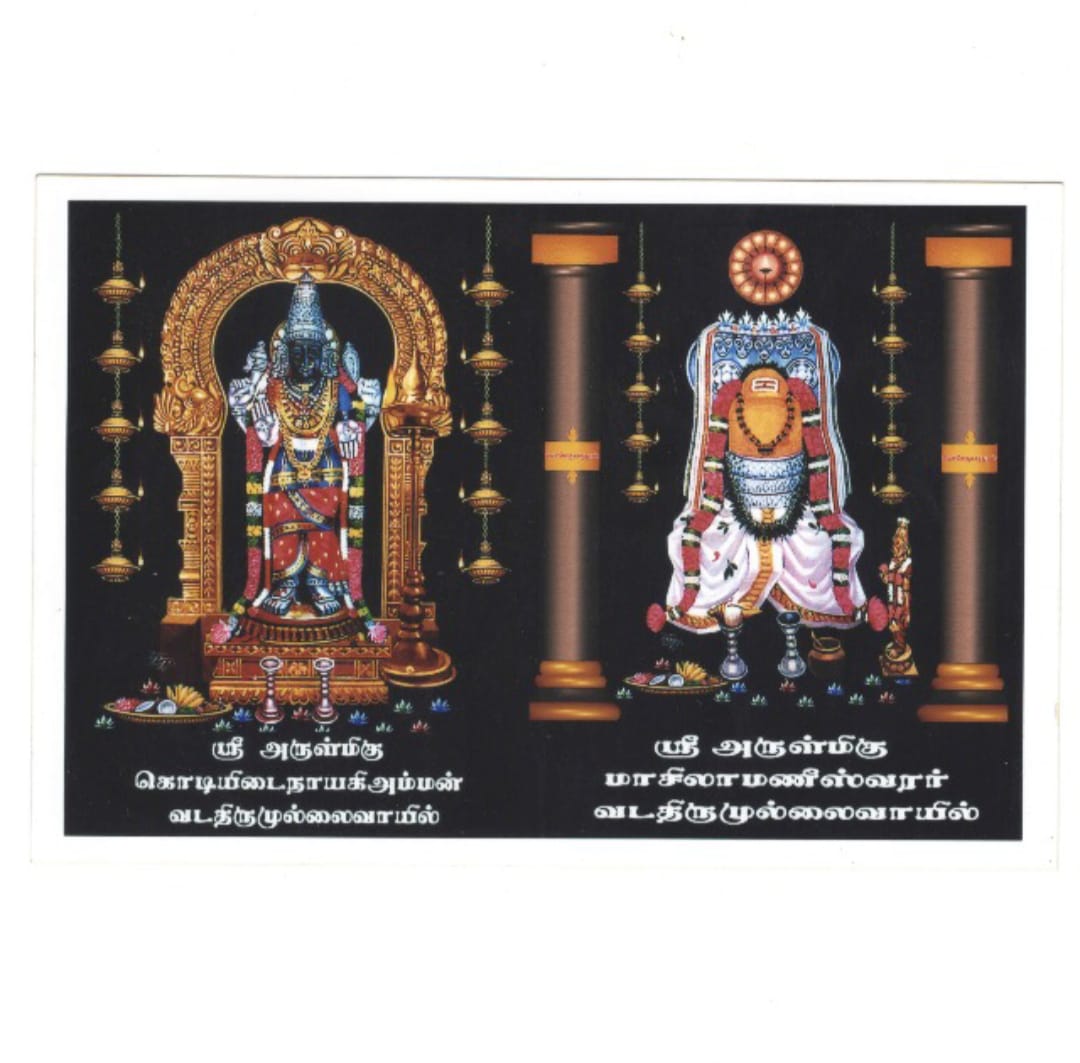
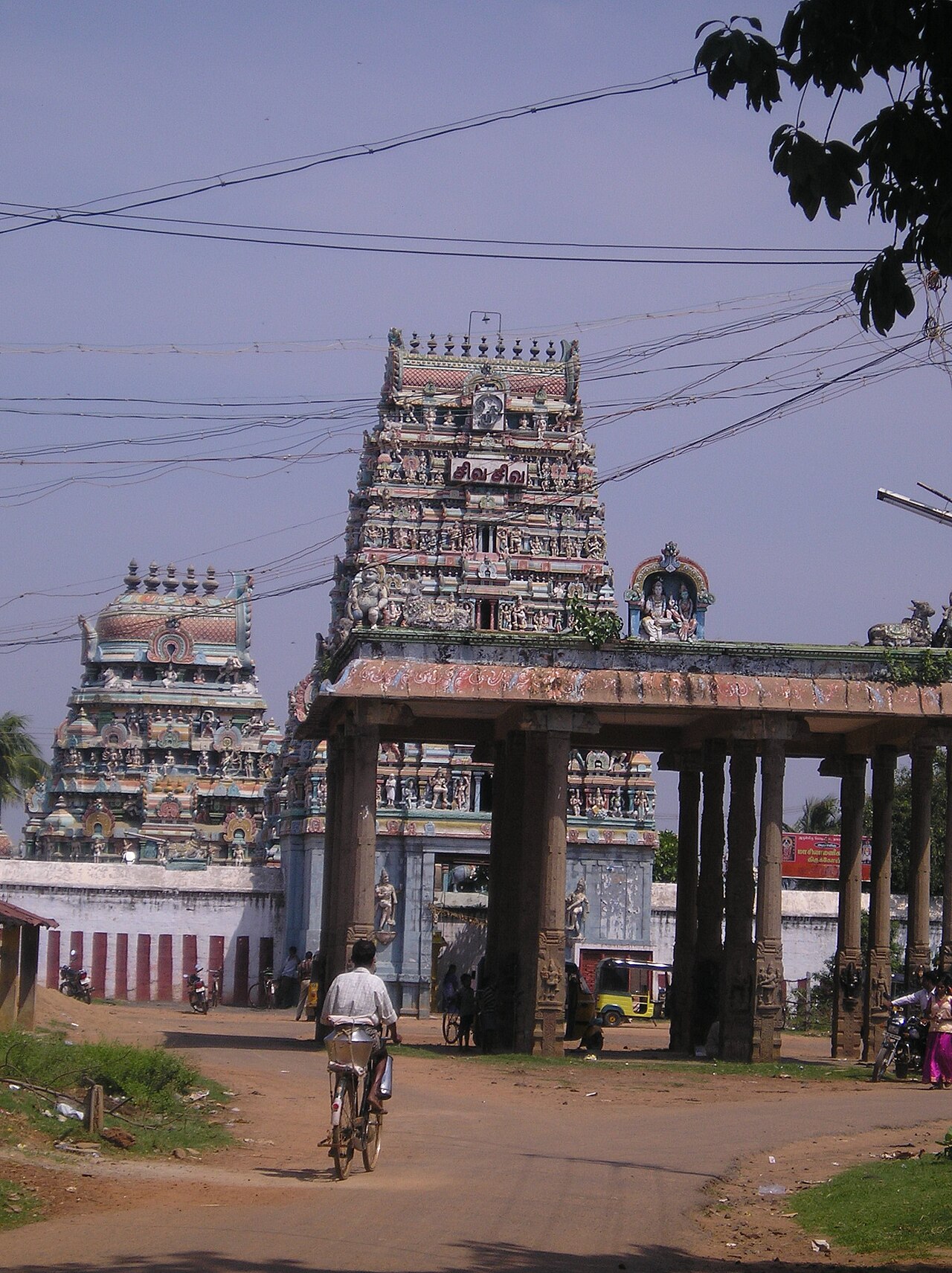
Masilamaniswara Temple, Thirumullaivoyal
About Masilamaniswara Temple, Thirumullaivoyal
The temple was established during the 9th century CE under the Chola dynasty, a period of considerable temple construction and patronage in South India. The structure reflects the Dravidian architectural style characteristic of Tamil Nadu temples from this era. Over subsequent centuries, later Chola rulers and other dynasties made significant additions to the temple, layering its history with contributions from multiple periods. Inscriptions found within the temple grounds document this long patronage: records from the reign of Uttama Chola mention a land gift by Sembiyan Mahadevi, while later inscriptions from Rajendra I, Kulothunga III, and Rajaraja III attest to further royal support. A notable feature is the large Nandi Bull statue, which commemorates King Thondaiman's victory over two demon brothers, adding a layer of local historical narrative to the temple's physical landscape.
Daily Worship and Darshan
The temple maintains a structured schedule of daily rituals that devotees can attend. Ushathkala Pooja takes place from 6:00 to 7:00 in the morning, marking the start of the day's worship. Kalasanthi Pooja follows at 9:00 to 10:00, a mid-morning ritual. In the evening, Sayaraksha Pooja is conducted from 6:00 to 7:00 PM, and Ardhajama Pooja concludes the day's formal worship from 8:30 to 9:30 PM. These timings allow devotees with varying schedules to participate in the temple's spiritual life. Visitors should note that festival days may have different schedules, so it is advisable to confirm timings before planning a visit, particularly if travelling during significant religious occasions.
Visiting Information
Masilamaniswara Temple is located on the Chennai-Avadi road in Thirumullaivoyal, Tamil Nadu, with the postal code 600054. The temple is accessible by road, with state transport buses and private taxis regularly serving the area. Those arriving by train can use Avadi Railway Station or Villivakkam Railway Station as entry points, from which local transport can be arranged to reach the temple. Visitors should dress modestly, as is customary in Hindu temples—removing footwear before entering the inner sanctum is standard practice. The temple functions as both a place of individual worship and a centre for community gatherings and traditional rituals, so visitors may encounter various activities depending on the time of their visit.
Spiritual Significance in Tamil Devotional Tradition
The inclusion of Masilamaniswara Temple among the Paadal Petra Sthalams places it within an important lineage of sacred geography in Tamil Shaivism. These are temples that have been sanctified through the devotional poetry of the nayanars, making them pilgrimage destinations for those following the Shaiva path. The temple's connection to classical Tamil religious literature means that for many devotees, visiting this shrine is an act of engaging with centuries of spiritual tradition and poetic devotion. The temple continues to serve as a focal point for the local community's religious observances and cultural identity, maintaining practices that link contemporary worship to the broader heritage of Tamil Hindu tradition.
How to reach


You may also visit
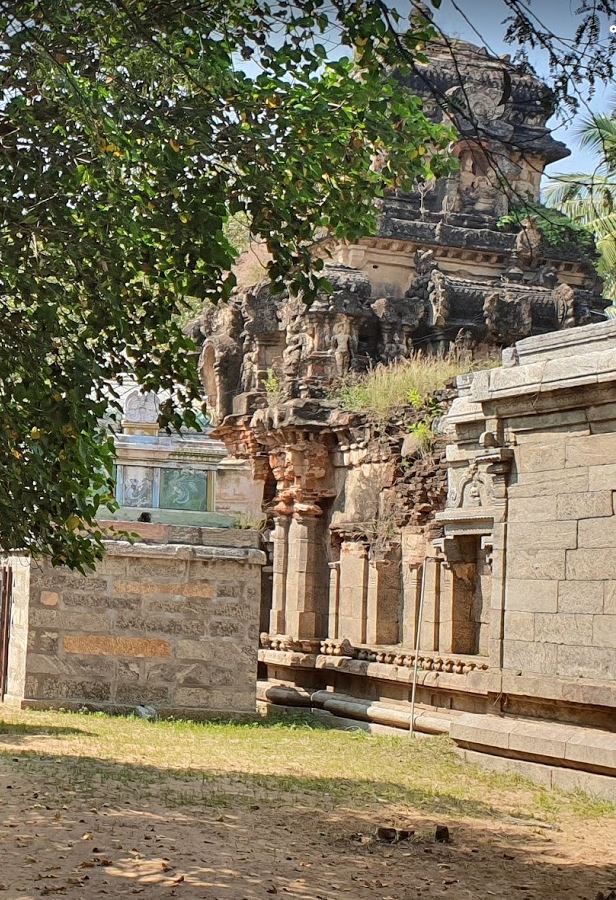
Agatheeswarar Temple, Karur
Agatheeswarar Temple in Thirumukkudalur, Karur district, is an ancient Hindu shrine dedicated to Shiva, situated at the sacred confluence of three rivers and believed to be over 1000 years old.
Kalyanji Temple
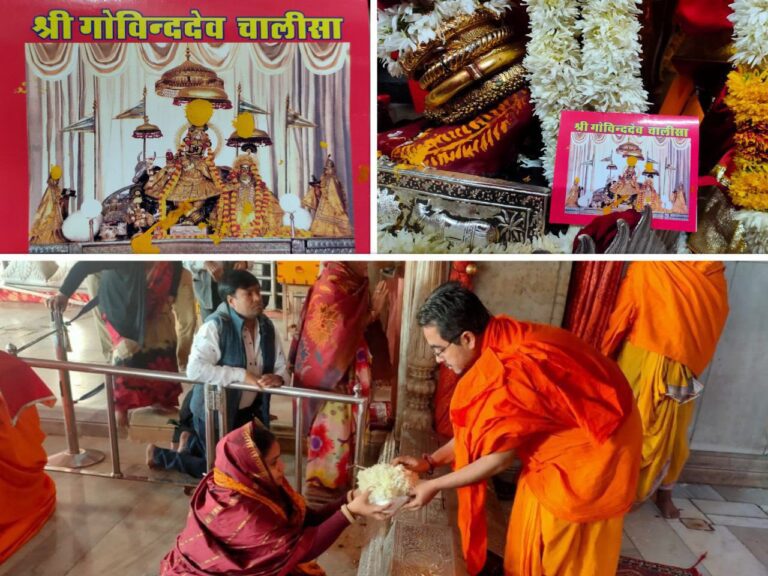
Kalyanji Temple in Jaipur's Chandpol Bazaar is an ancient Krishna shrine established in the 1820s, renowned for its seven daily aartis and special avatar darshan ceremonies during Akha Teej and Patottsav festivals.
Rani Sati Mandir Mahuda
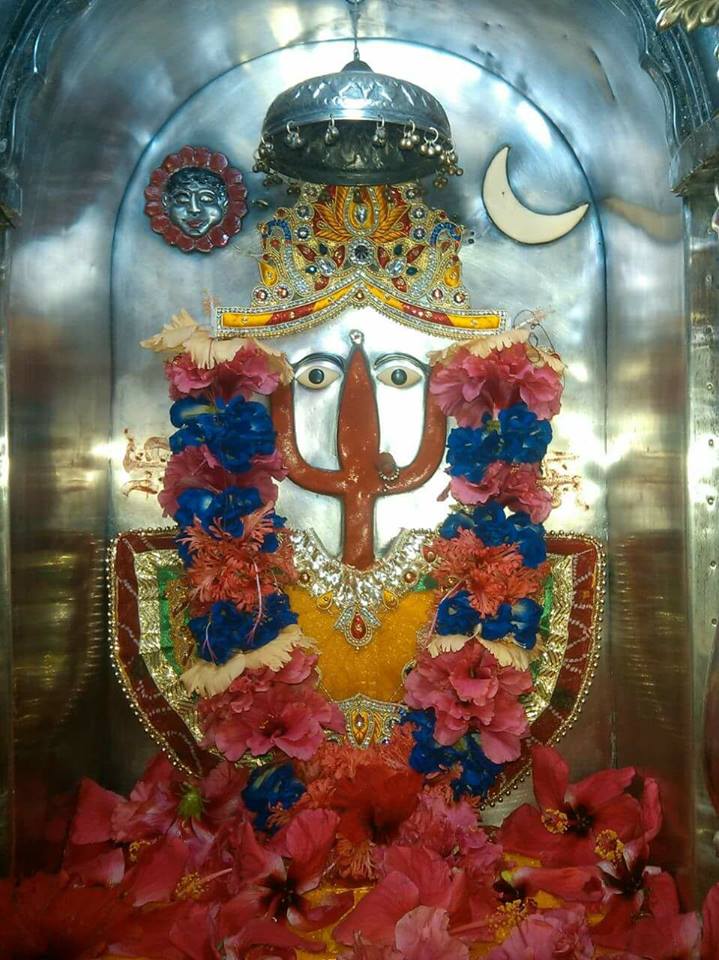
Rani Sati Mandir in Mahuda, Dhanbad District, is a Hindu temple established in 1992 that serves as a spiritual center for the local community and attracts devotees seeking blessings.