Malinithan
About Malinithan
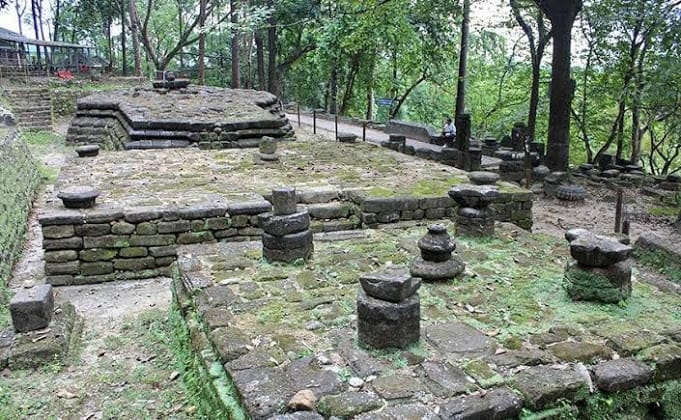
Malinithan was established in the 14th century, a period when the Chutiya and Khen dynasties held influence over the region. The temple's architectural style reflects what is known as Asmamayai or stone construction, with influences from Kalinga architectural traditions. This blend of styles speaks to the cultural exchanges that shaped the sacred landscape of medieval northeastern India.
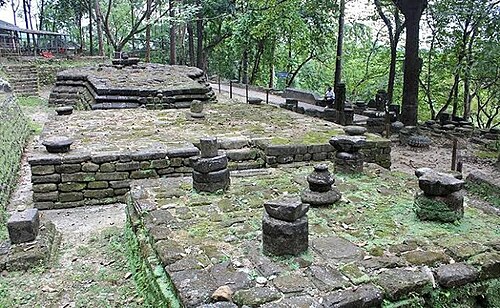
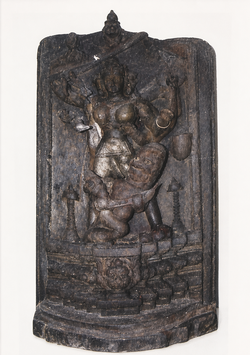
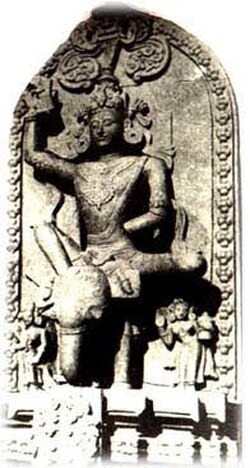
The site functions simultaneously as an active temple and an archaeological site. Visitors encounter not only the temple structure itself but also exquisite granite sculptures that have survived centuries. These carved works represent the artistic and spiritual aspirations of the communities who built and maintained the temple through generations. The presence of these ruins requires visitors to move carefully through the complex, particularly during or after heavy rainfall.
Daily Worship and Darshan
The temple complex and archaeological site are open daily from 6:00 AM to 6:00 PM, allowing devotees and visitors to approach the shrine throughout the day. Morning and evening aartis are performed, with the morning ritual offering an opportunity to witness the temple's daily worship practices. The on-site museum operates from 10:00 AM to 4:00 PM, providing context for the sculptures and artifacts found at the site.
Visiting during morning hours is advisable for those wishing to participate in the rituals and have sufficient daylight to explore both the temple complex and the archaeological remains without rushing. The museum visit can be combined with darshan to gain a fuller understanding of the site's historical and spiritual significance.
Makar Sankranti and Seasonal Observances
The temple observes Makar Sankranti, a festival celebrated across Hindu traditions, with mid-January marking the peak pilgrimage season at Malinithan. During this period, the site draws increased numbers of devotees, and the atmosphere reflects the broader significance of this solar festival in the Hindu calendar.
The festival season coincides with the most favorable weather conditions for visiting the site, making it an ideal time for those planning a pilgrimage. However, visitors should be prepared for larger crowds during this period and may wish to confirm specific timings and any special arrangements with the temple authorities in advance.
Best Time to Visit and Weather Considerations
The optimal season for visiting Malinithan extends from October through April, when the climate is cool and pleasant. The surrounding forests remain verdant during these months, creating a serene setting for exploration and worship. The weather during this period allows safe navigation of the stone steps and pathways throughout the complex.
The monsoon season, from June through September, brings heavy rainfall to the region. While the landscape becomes lush and mist-laden during these months, the wet conditions make the stone surfaces slippery and potentially hazardous. Visitors planning a trip during other seasons should exercise caution and check local conditions before arrival.
Practical Information for Visitors
Entry to the temple complex and archaeological site is free. The site is located at coordinates 27.65666667, 94.70583333 in Likabali, Arunachal Pradesh. Visitors should wear modest clothing appropriate for a sacred site and be prepared to remove footwear in certain areas, following the customs observed at Hindu temples. The terrain includes stone steps and uneven surfaces, so sturdy footwear suitable for walking is recommended.
For those seeking assistance with darshan arrangements, accommodation, or travel logistics, local coordinators can be contacted to help plan visits and confirm current temple schedules, as timings may vary with festivals and seasonal changes. Visitors are encouraged to confirm exact darshan and aarti times before arrival to ensure they can participate in the rituals they wish to witness.
How to reach
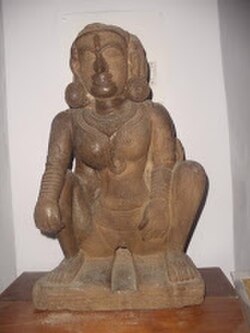
Temples near Malinithan

Radha Krishna Mandir, Dibrugarh
Radha Krishna Mandir in Dibrugarh is a Hindu temple dedicated to the divine couple Radha and Krishna, located near Assam Medical College in Jalan Nagar. The temple operates year…
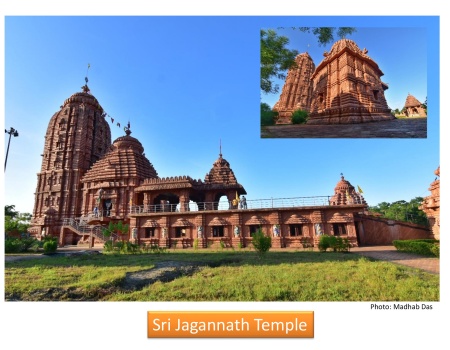
Jagannath Temple, Dibrugarh
Srikshetra Dham, Mahaprabhu Jagannath Temple in Dibrugarh is a 2014 replica of the sacred Jagannath Temple in Puri, standing 85 feet tall and housing the divine trinity of Jagan…
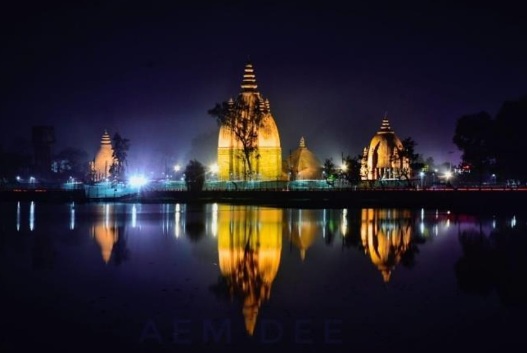
Sivasagar Vishnudol
Sivasagar Vishnudol is a historic temple located in Sivasagar district, Assam, dedicated to Lord Vishnu and situated near the sacred Sivasagar Tank complex.
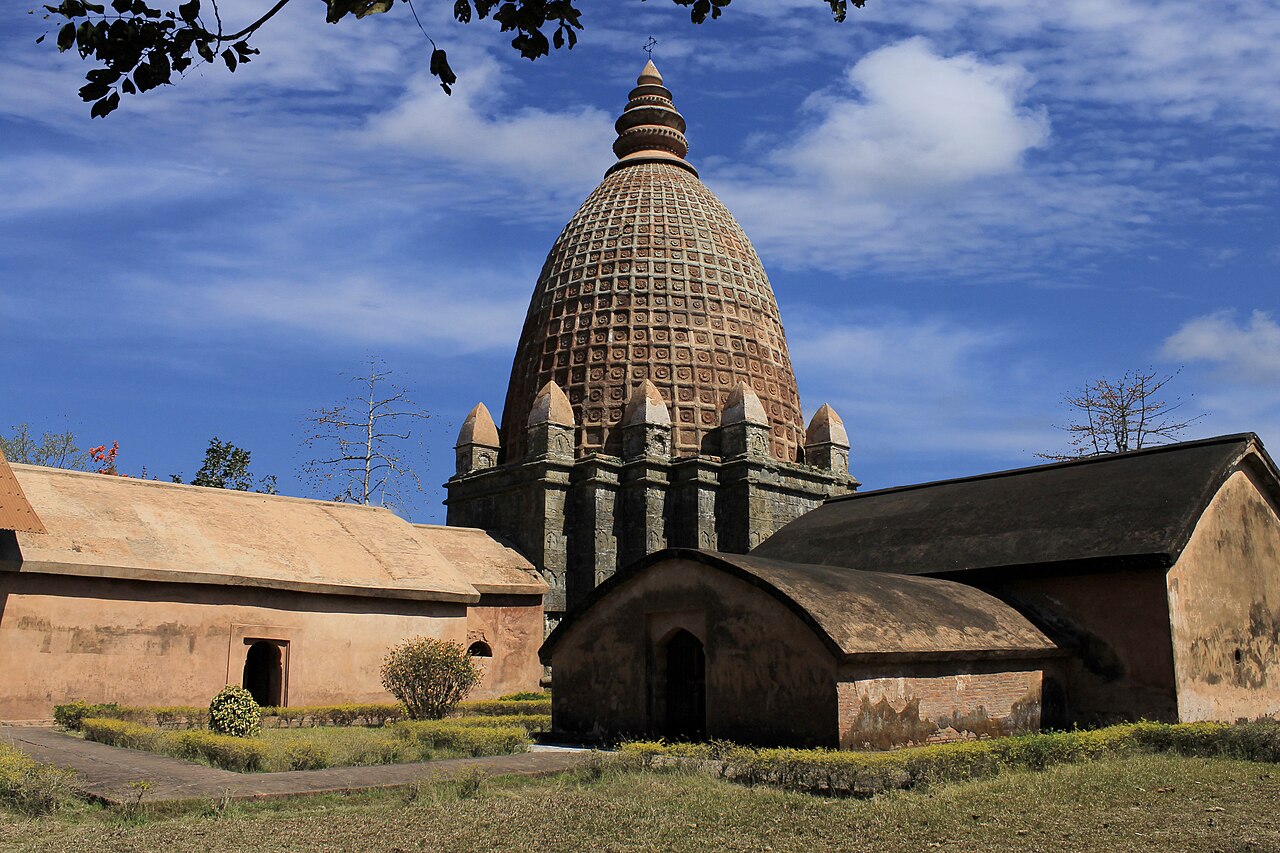
Joysagar Sivadol
Joysagar Sivadol is a historic brick and stone temple dedicated to Lord Shiva, part of the renowned Joysagar temple complex built by Ahom royalty in 17th-century Assam.
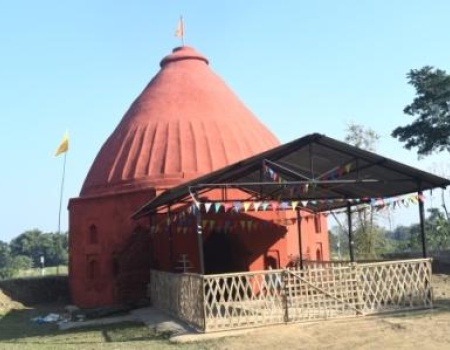
Gorokhiya Doul
Gorokhiya Doul is a 17th-century brick temple structure built during the Ahom kingdom era, located in Sunpora Gohain near Nazira in Sivasagar district, Assam. The monument faces…

Hatigarh Siva Dewalaya
Hatigarh Siva Dewalaya is a Hindu temple dedicated to Lord Shiva located in Podumoni, Jorhat district, Assam. The peaceful shrine features a historic pond and welcomes visitors…