
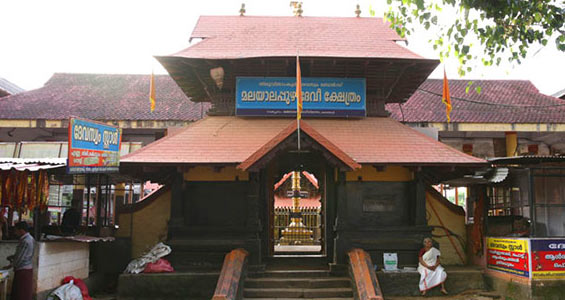
Malayalapuzha Devi Temple
About Malayalapuzha Devi Temple
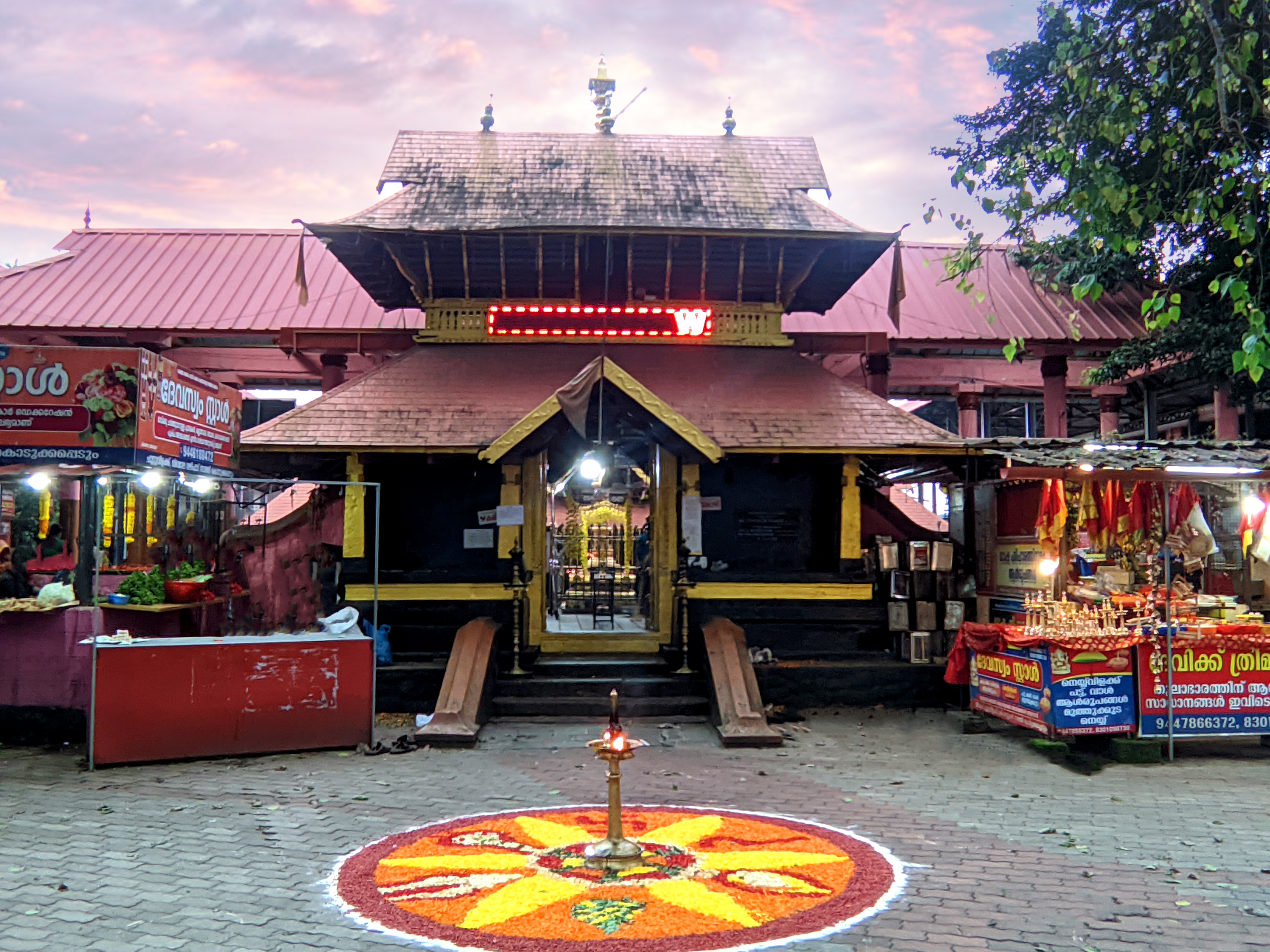
The temple maintains a structured daily rhythm of worship. Nirmalyam (removal of previous offerings) occurs between 4:00 and 4:30 in the morning, followed by Usha Pooja (morning worship) from 6:00 to 6:30, which includes the morning aarti. Ucha Pooja (midday worship) takes place from 12:00 to 12:30 with its accompanying aarti, and Athazha Pooja (evening worship) runs from 7:30 to 8:00 PM with the evening aarti. Devotees may view the deity during two windows: 6:00 AM to 12:00 PM and 4:00 PM to 9:00 PM. Tuesdays and Fridays hold particular significance in Devi temples and typically draw heavier crowds, which may extend waiting times for darshan. Plan your visit accordingly if you prefer a less crowded experience.
Annual Festival and Observances
The temple's annual festival begins on the day of the star Thiruvathira in the month of Kumbham, which falls in February or March. This is the optimal season to witness the temple's grandest celebrations. The festival culminates on the eleventh day with Aarattu, a ritual bathing of the deity in the temple tank. Throughout the festival period, major Hindu observances including Vinayaka Chathurthi, Navarathri, and Sivarathri are celebrated with special ceremonies. Devotional offerings during festivals include Thoniyari Payasam (a sweet rice preparation), Ney Vilakku (lighting of ghee lamps), and Nirapara (an offering of rice, paddy and sugar filled to the brim of a traditional measuring vessel). Ritual ablutions employ white ash, sandalwood, oil, milk, ghee and tender coconut water.
Planning Your Visit
The best months to visit are October through March, when Kerala's climate is cooler and more comfortable for travel. The annual festival period in February and March offers the richest experience of the temple's spiritual life, though crowds will be substantial. Dress modestly as is customary in Hindu temples—women typically wear sarees or salwar kameez, and men wear dhotis or simple trousers; remove footwear before entering the sanctum. The temple is located in Malayalappuzha village within Pathanamthitta district. The nearest railway station is Chengannur, from which local transport can bring you to the temple. Allow time for your visit; darshan queues can be lengthy, particularly on auspicious days. Carry cash for any offerings you wish to make, as facilities may be limited.
How to reach
You may also visit
Kalyanji Temple
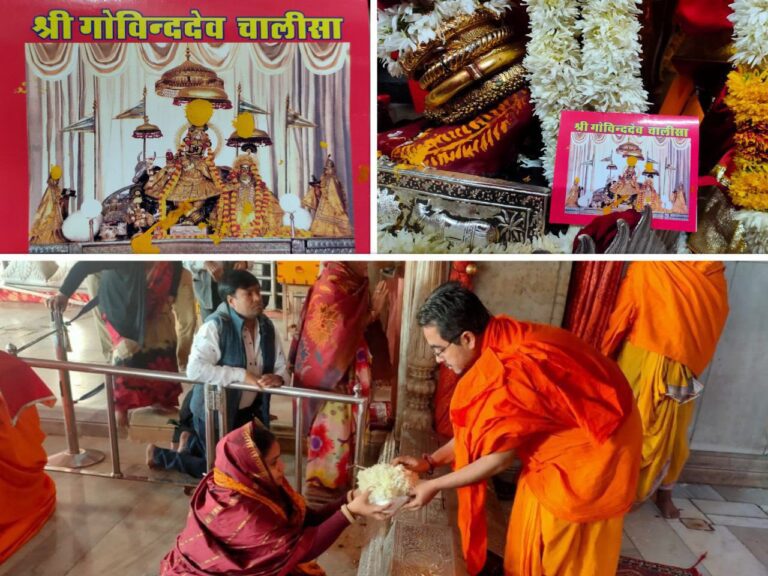
Kalyanji Temple in Jaipur's Chandpol Bazaar is approximately two centuries old and renowned for displaying the twenty-four avatars of Krishna, visible only twice yearly during Akha Teej and Patottsav festival.
Sastha (Ayyappan) Temple
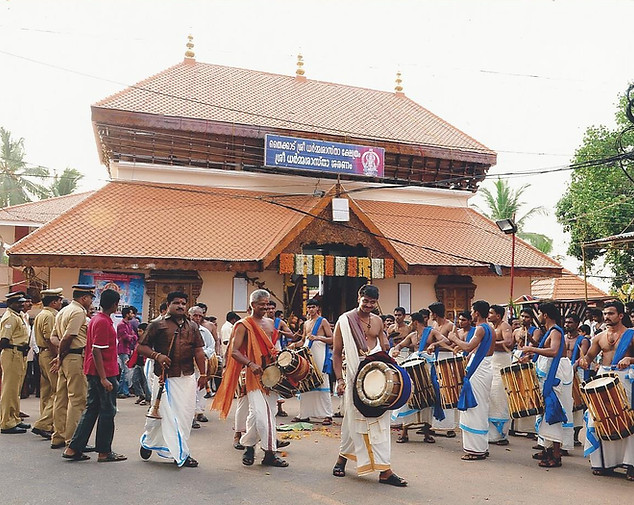
Sree Dharma Sastha Temple in Thycaud, Thiruvananthapuram, is a centuries-old shrine where the deity manifests as Dhanwanthari, the divine healer, holding the sacred blue lotus.
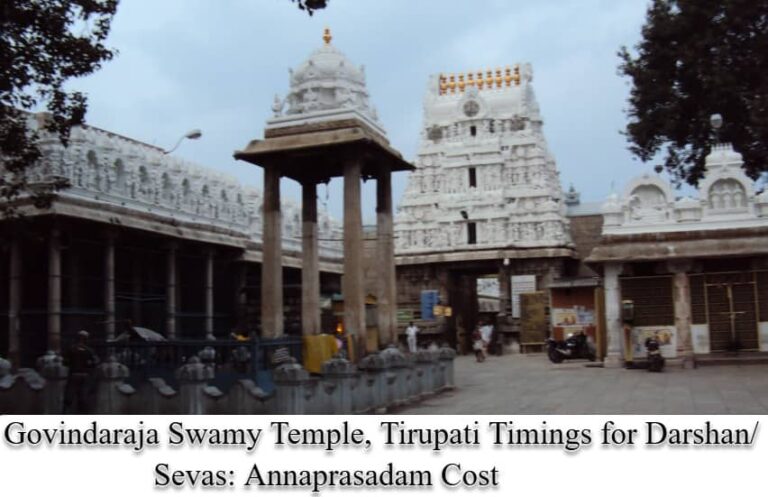
Govindarajaswamy Temple
Sri Govindarajaswamy Temple in Tirupati is an ancient Vaishnavaite shrine consecrated in 1130 AD by Saint Ramanuja, where the presiding deity rests in eternal Yoga Nidra on the serpent Adisesha.