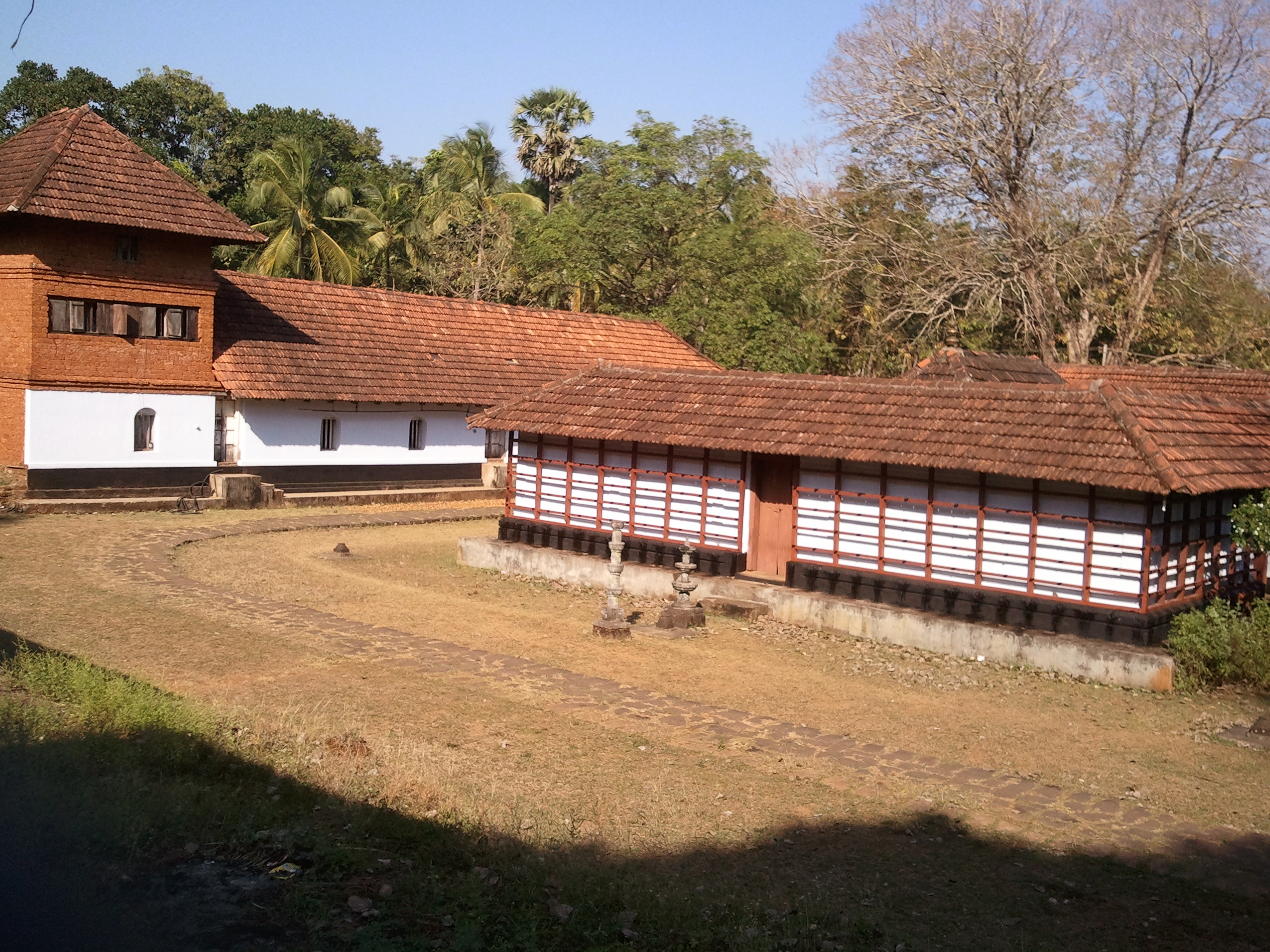
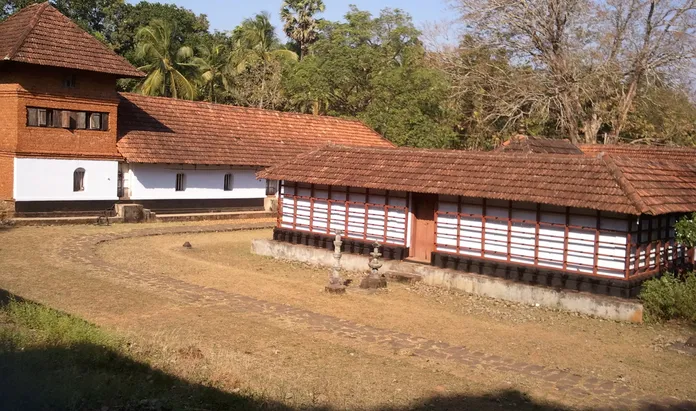
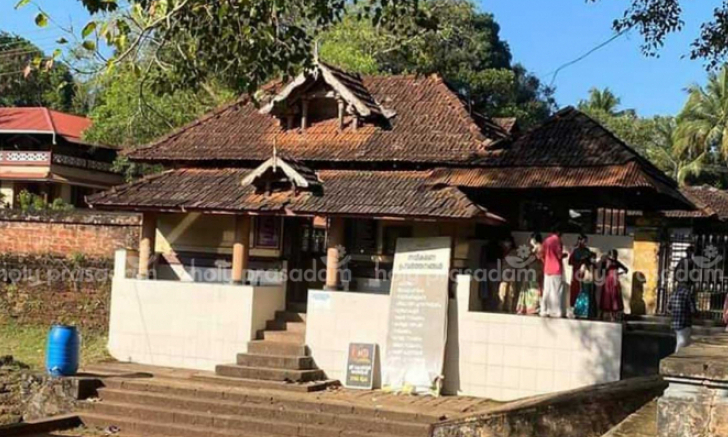
Malamakkavu Ayyappa Temple
About Malamakkavu Ayyappa Temple
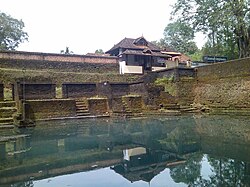
The temple pond holds distinctive spiritual and botanical importance. Within its waters grows the Chengazhinir Poovu, a flower used traditionally in offerings to the deity. This bloom is found and cultivated only within the temple pond—nowhere else—making it unique to Malamakkavu. This exclusive presence of the flower adds to the temple's character and distinguishes it among other shrines in the region. Visitors interested in the temple's botanical heritage may find the pond a point of particular interest during their visit.
Daily Rituals and Worship Schedule
The temple maintains a structured daily rhythm of worship. Nirmalyam, the removal of previous offerings, begins at 4:30 AM. Usha Pooja (morning worship) follows at 6:00 AM, accompanied by aarti. The midday Ucha Pooja takes place at 12:00 PM, also with aarti. Evening worship, Athazha Pooja, occurs at 7:30 PM and includes aarti as well. These four daily rituals form the foundation of the temple's spiritual practice. Visitors wishing to witness specific ceremonies should plan their arrival accordingly. Early morning hours typically offer a quieter atmosphere for darshan, while midday and evening attract larger congregations of worshippers.
Management and Historical Continuity
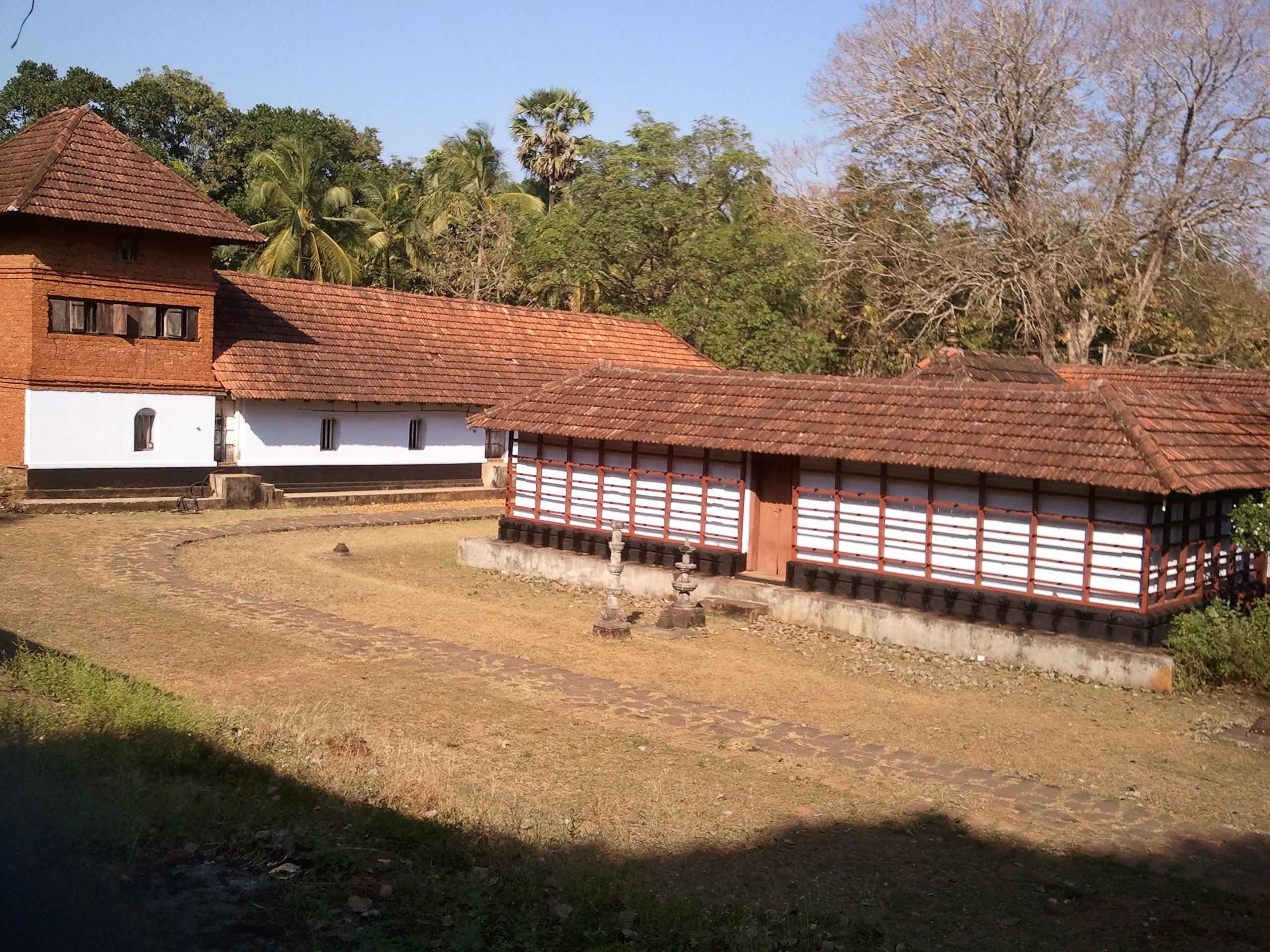
The temple is managed by the Zamindar family of the Padinjarepat Nambiar clan, a custodianship that has preserved the shrine across generations. This long-standing stewardship has maintained the temple's traditions and ensured continuity of worship over its more than three-hundred-year history. The temple's enduring presence in Anakkara reflects both the devotion of local communities and the administrative care of its managing family.
Reaching the Temple
Malamakkavu Ayyappa Temple is located in Anakkara Panchayath, Palakkad district, Kerala, at coordinates 10.8185, 76.079. The site is accessible by multiple routes. By road, Palakkad district maintains good connectivity to major towns across Kerala, with state transport buses and private taxis operating regularly to the area. The nearest railway stations are Palakkad Junction and Ottapalam Railway Station; from either, local transport can convey visitors to the temple. For those arriving by air, Calicut International Airport (Kozhikode) is the nearest option, from which onward travel to Palakkad can be arranged by taxi or bus.
Visiting Practicalities
Visitors should plan their visit around the daily pooja timings listed above to experience the temple's active worship. Temples dedicated to Ayyappan typically follow traditional dress codes; modest clothing that covers shoulders and knees is customary. The early morning hours, particularly around Usha Pooja at 6:00 AM, offer a serene environment for worship and reflection. Those interested in the temple's botanical uniqueness may wish to spend time observing the sacred pond. As with most Hindu temples, visitors should remove footwear before entering the sanctum and show respect to ongoing rituals and other worshippers. The temple grounds themselves create a calming atmosphere through the sounds of bells and the sight of oil lamps, contributing to the spiritual experience many seek during their visit.
How to reach
Temples near Malamakkavu Ayyappa Temple
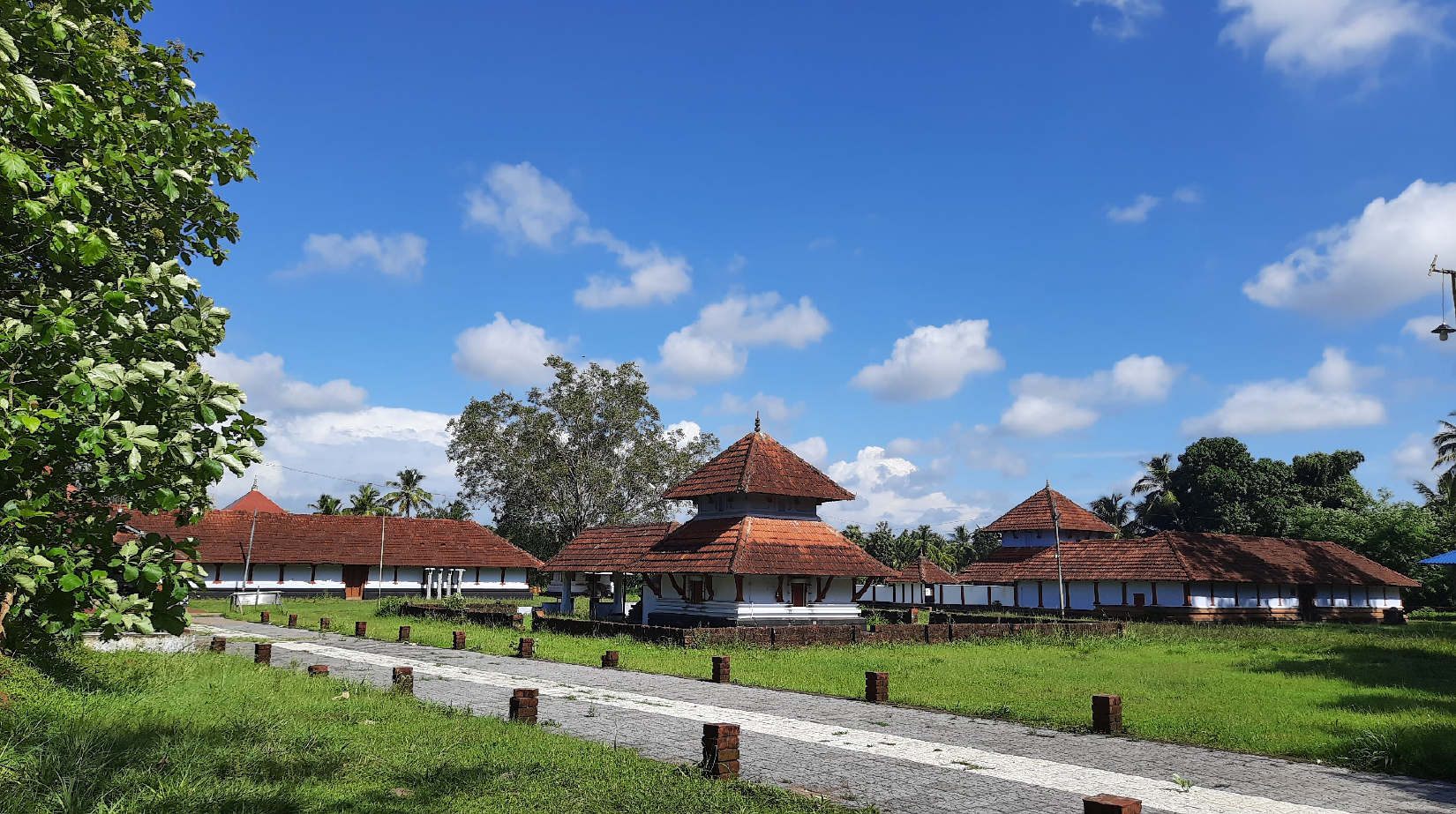
Panniyur Sri Varahamoorthy Temple
Panniyur Sri Varahamurthy Temple is an ancient Kerala shrine dedicated to Lord Varaha, the third avatar of Vishnu, alongside Goddess Bhoomidevi. Traditionally believed to be con…

Kodikkunnu Bhagavathy Temple
Kodikkunnu Bhagavathy Temple is an ancient Hindu shrine dedicated to Bhadrakali located in Pallippuram village near Pattambi in Palakkad district, Kerala. The temple is deeply e…

Trithala Maha Siva Temple
Trithala Maha Siva Temple is an ancient shrine dedicated to Lord Shiva situated on the banks of the Bharathappuzha river in Palakkad District, Kerala. Built during the 9th–10th…
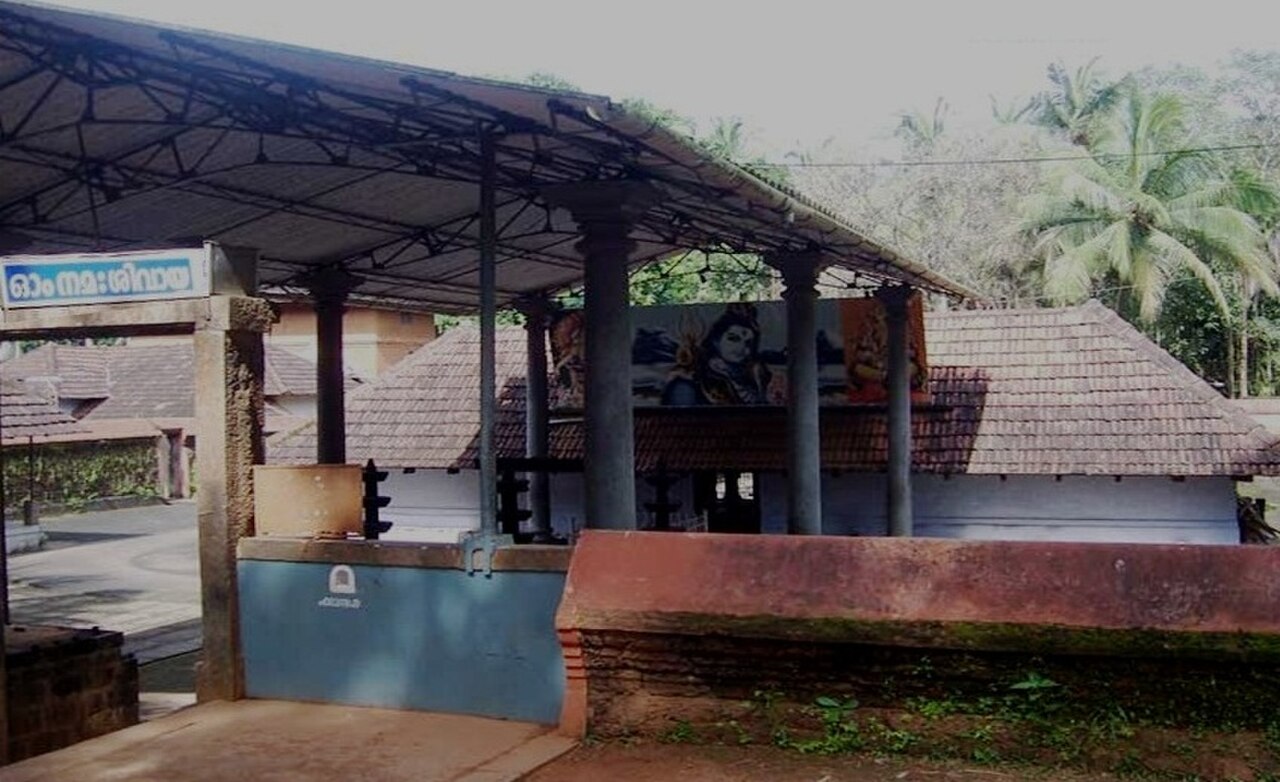
Puramundekkadu Shri Mahadeva Temple
Puramundekkadu Shri Mahadeva Temple is an ancient Hindu shrine dedicated to Shiva, situated in Edappal, Malappuram District, Kerala. According to tradition, the idol was install…
Chelloor shree anthimahakalan kavu
Chelloor Sree Anthimahakalan Kavu is a sacred Hindu temple in Malappuram district dedicated to Anthimahakalan, a form of Lord Shiva, and Kara Bhagavathy. Believed to be the root…
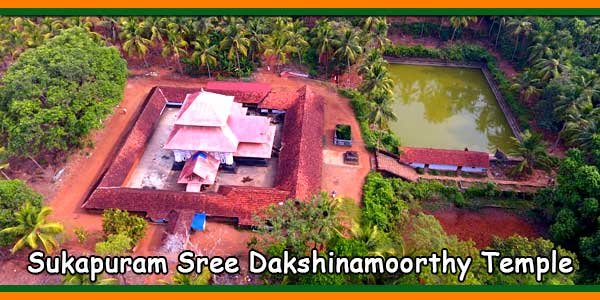
Sukapuram Dakshinamurthy temple, Edappal
Sukapuram Dakshinamurthy Temple in Edappal, Malappuram district, is an ancient Kerala shrine approximately 3000 years old dedicated to Lord Dakshinamurthy, featuring traditional…