Lakhubai Temple Dindiravan
About Lakhubai Temple Dindiravan
The name Dindiravan itself carries mythological weight. Local tradition associates the forest with a demon named Dindirasura, whom Lakhubai is said to have slain while residing or performing penance in the area. Other regional traditions attribute the demon's defeat to Vithoba, reflecting the layered religious geography of the Pandharpur region where multiple deities and narratives intersect.
According to local belief, Rukmini came to this forest after leaving Krishna and performed penance there. The forest setting itself becomes sacred through these narratives—not merely a location but a space where divine action unfolded and where the goddess's spiritual power remains present.
Worship and Darshan
The temple's primary focus is the sacred stone, which devotees approach as the embodiment of Lakhubai. The covered stone and the sculpted image behind it form the center of worship. Temples dedicated to goddesses in the Vaishnava tradition of Maharashtra typically observe daily rituals of offering and prayer, though specific details of this temple's daily schedule are not documented in available sources.
Visitors approaching the temple should be prepared for a forest setting rather than an urban temple complex. Appropriate dress—modest clothing that covers shoulders and knees—is customary when visiting Hindu temples. Devotees typically remove footwear before entering the inner sanctum and maintain respectful silence during worship.
Location and Access
Lakhubai Temple is situated in Dindiravan within Pandharpur, in the Solapur district of Maharashtra. Pandharpur itself is a major pilgrimage center in the region, accessible by road and rail. The temple's location in a traditionally forested area means visitors should plan their visit with attention to local conditions and accessibility. The nearest major town is Pandharpur, which has accommodation and transport connections to other parts of Maharashtra and neighboring states.
Those planning to visit should inquire locally about current access routes and any seasonal considerations affecting the forest area. The temple's position within Pandharpur's sacred geography makes it a natural addition to a broader pilgrimage to the region.
The Vaishnava Tradition of Pandharpur
This temple belongs to the Vaishnava religious tradition centered on Pandharpur, where Krishna and Vithoba are worshipped as supreme divine forms. The presence of Lakhubai as Rukmini reflects how this tradition honors the divine feminine alongside masculine forms of the divine. Rukmini's story—her devotion to Krishna, her anger, her penance—provides a model of spiritual intensity that resonates within this tradition.
The scholarly understanding of Lakhubai's significance, developed by religious historians studying Pandharpur's development, emphasizes how local goddesses and narratives became integrated into the broader Vithoba tradition. Lakhubai Temple thus represents both a distinct local devotion and a connection to the wider religious landscape of the region.
Visiting Considerations
Visitors should approach this temple with awareness that it occupies a forest setting traditionally associated with spiritual practice and divine narrative. The simplicity of the primary object of worship—the uncarved sacred stone—reflects a form of devotion that values the goddess's presence over elaborate sculptural representation.
Those interested in the Pandharpur tradition and its various sacred sites will find Lakhubai Temple a meaningful stop. The temple's connection to narratives of divine love, separation, and reunion, embodied in the figure of Rukmini, offers insight into how the Vaishnava tradition of Maharashtra understands the divine feminine. Respectful observation of local customs and awareness of the forest environment will enhance any visit.
How to reach
You may also visit
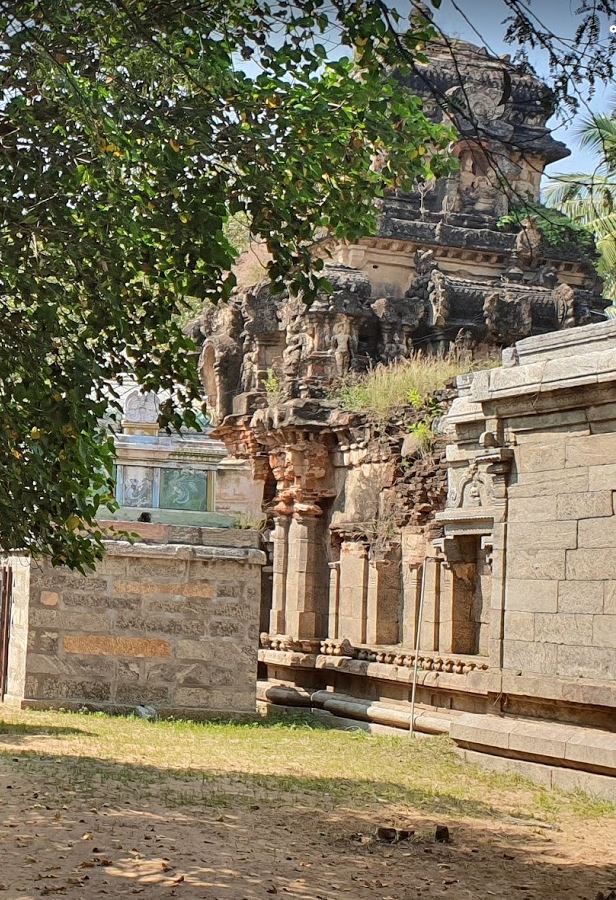
Agatheeswarar Temple, Karur
Agatheeswarar Temple in Thirumukkudalur, Karur district, is an ancient Hindu shrine dedicated to Shiva, situated at the sacred confluence of three rivers and believed to be over 1000 years old.
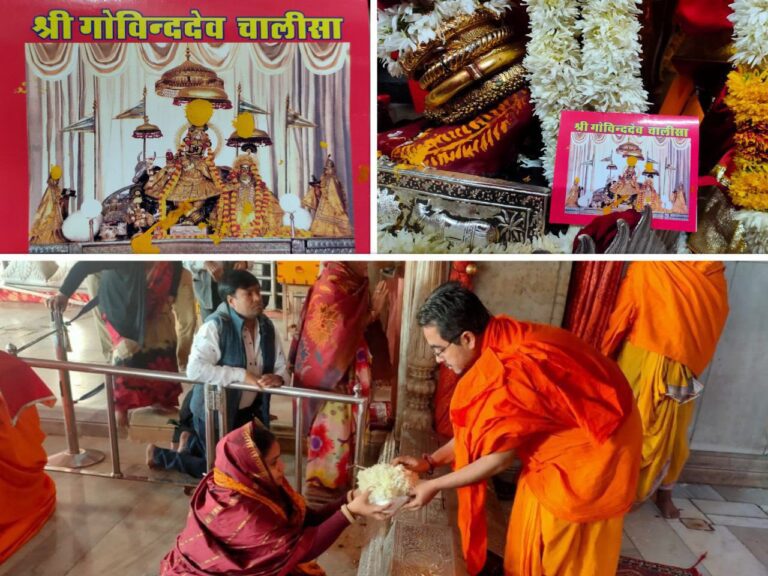
Kalyanji Temple
Kalyanji Temple in Jaipur's Chandpol Bazaar is an ancient Krishna shrine established in the 1820s, renowned for its seven daily aartis and special avatar darshan ceremonies during Akha Teej and Patottsav festivals.
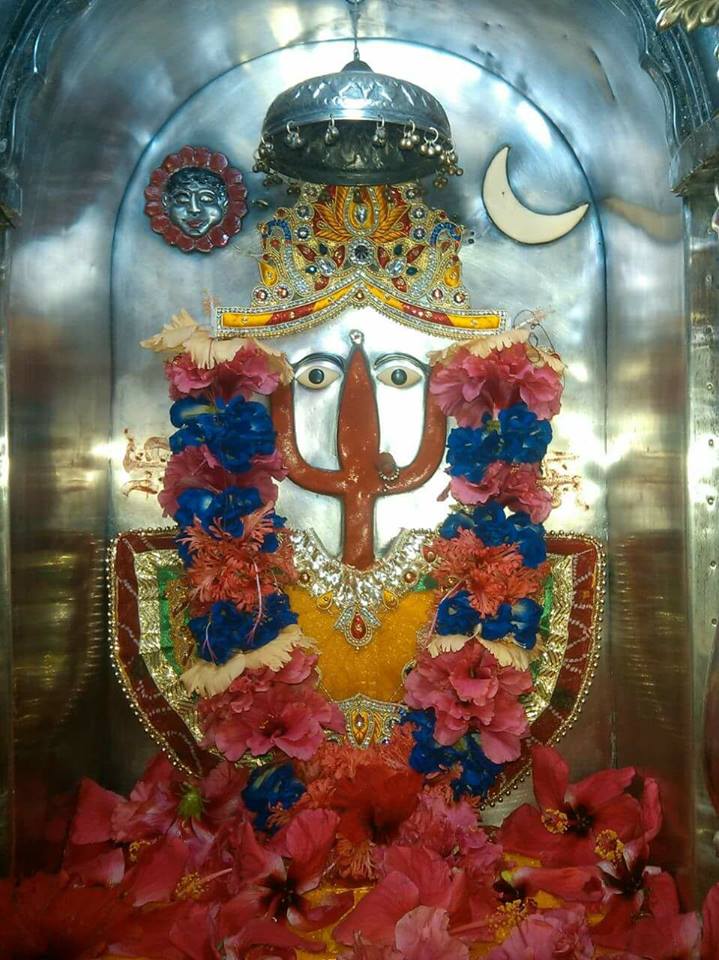
Rani Sati Mandir Mahuda
Rani Sati Mandir in Mahuda, Dhanbad District, is a Hindu temple established in 1992 that serves as a spiritual center for the local community and attracts devotees seeking blessings.