Lakhmi Varaha Temple
About Lakhmi Varaha Temple
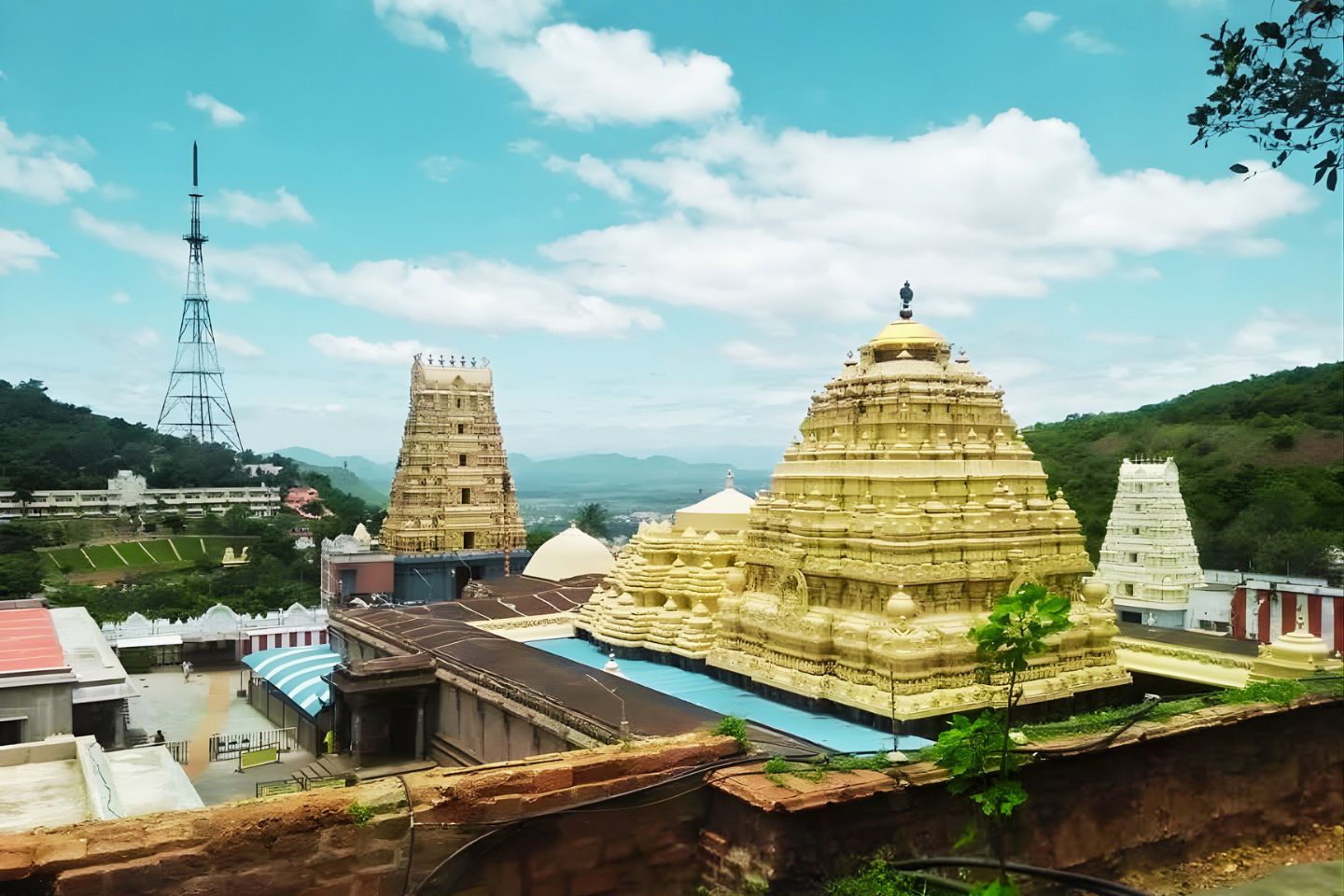
The temple stands on Simhachalam Hill near Visakhapatnam, positioned at approximately 300 metres above sea level. According to available records, the temple is around 500 years old, making it an established place of worship with considerable historical depth. The site's elevated location provides a calm spiritual environment removed from the bustle of the city below. The temple is administered by the Simhachalam Devasthanam Board under the Government of Andhra Pradesh, ensuring its maintenance and governance according to established protocols.
The Sandalwood Tradition
What distinguishes this temple from many others is its unique practice of covering the main deity with sandalwood paste throughout the year. This covering remains in place daily, obscuring the original form of the idol from regular view. Only during the Chandanotsavam festival is this sandalwood covering ceremonially removed, allowing devotees to witness the deity in its unveiled form. This annual revelation is considered a special and significant occasion, drawing those seeking darshan of the deity as it appears without the customary covering. The practice reflects a distinctive ritual tradition maintained at this temple.
Darshan Timings and Visiting
The temple opens at 7:00 AM for morning darshan, which continues until 4:00 PM. After a break, evening darshan resumes at 6:00 PM and concludes at 9:00 PM. Visitors should anticipate waiting times of one to two hours on average, though this can extend during festivals, special rituals, and weekends. To experience a smoother darshan with shorter queues, early morning visits or weekday visits are advisable. The temple offers tiered darshan options: standard general darshan, priority access darshan at ₹50, and fast-track entry at ₹100 per person, allowing visitors to choose according to their time and budget.
Festivals and Special Occasions
The Chandanotsavam festival represents the most significant observance at this temple, marking the occasion when the sandalwood paste covering the deity is ceremonially removed. This festival draws devotees specifically to witness the unveiled form of Varaha Narasimha. Beyond this major festival, the temple maintains regular daily rituals and poojas as part of its Vaishnava practice. Visitors planning their trip around festival dates should inquire directly with the temple for specific dates and any special darshan arrangements that may apply during these periods.
Practical Information for Visitors
The temple is located on Simhachalam Hill in Visakhapatnam, Andhra Pradesh, at coordinates 20.68419444, 86.64597222. Visitors should dress modestly as is customary at Hindu temples. The temple follows standard etiquette practices typical of Vaishnava shrines—maintaining respectful behaviour within the sanctum and following the guidance of temple staff regarding darshan procedures. Those planning to visit should note the afternoon break between 4:00 PM and 6:00 PM when darshan is not available. For the most current information regarding special sevas, specific festival dates, or any temporary changes to timings, contacting the temple directly through the Simhachalam Devasthanam Board is recommended.
How to reach
Temples near Lakhmi Varaha Temple
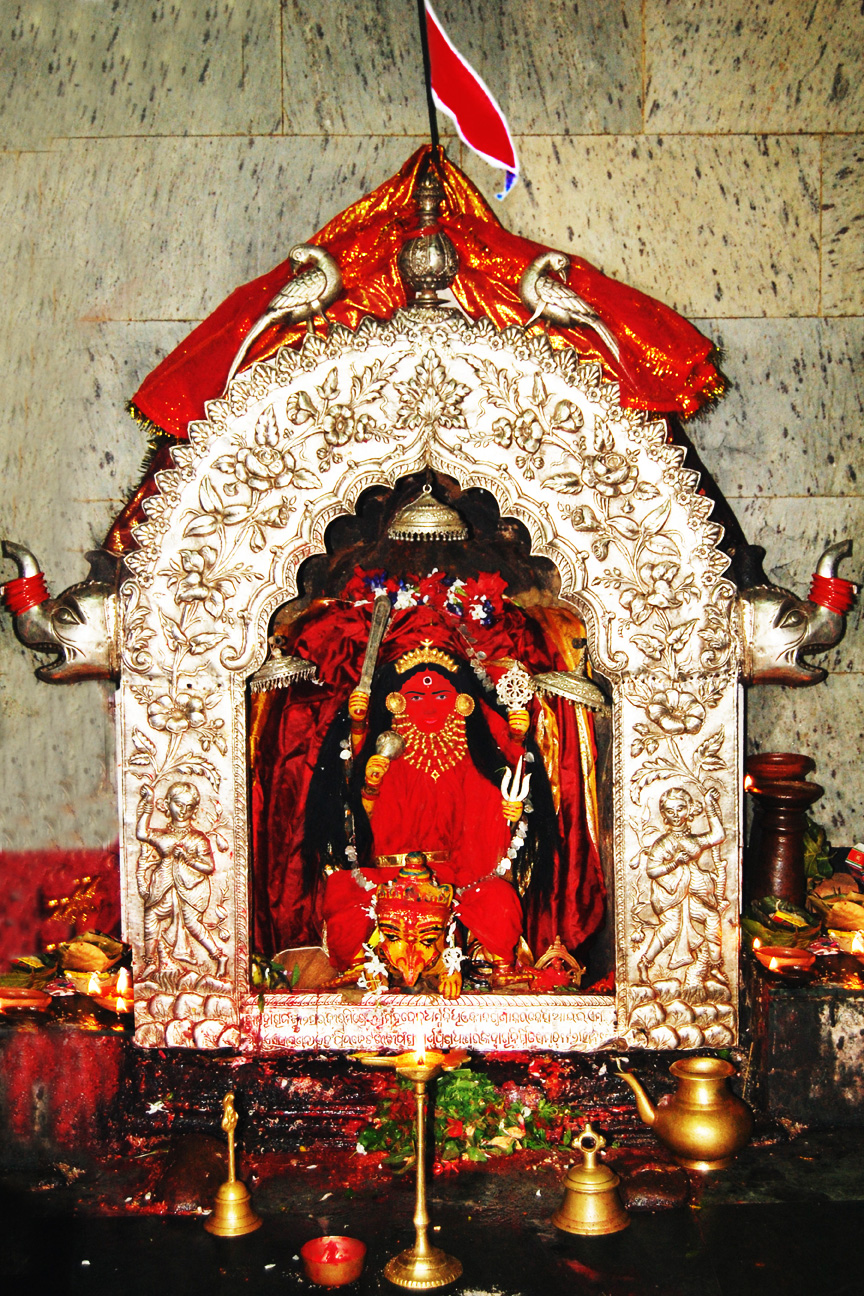
Sarala Temple
Maa Sarala Temple in Jagatsinghpur, Odisha is a Hindu shrine dedicated to Goddess Adishakti, established in the 16th century and representing a continuation of the region's sacr…
Maa Borei Temple
Maa Borei Temple is a Hindu shrine located in Jajpur block, Odisha, dedicated to the goddess Borei (a local manifestation of the divine feminine).
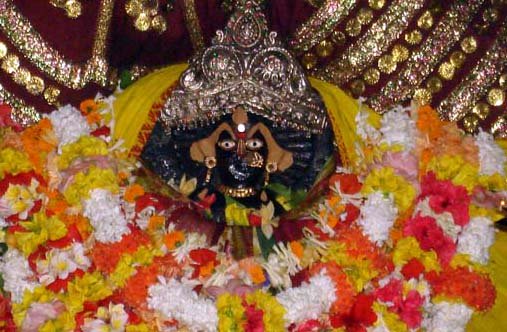
Biraja Temple
Biraja Temple in Jajpur, Odisha, is an 11th-century Hindu shrine dedicated to Goddess Durga, worshipped as Virajā. One of India's 18 Shakti Peethas, it draws pilgrims to its sac…
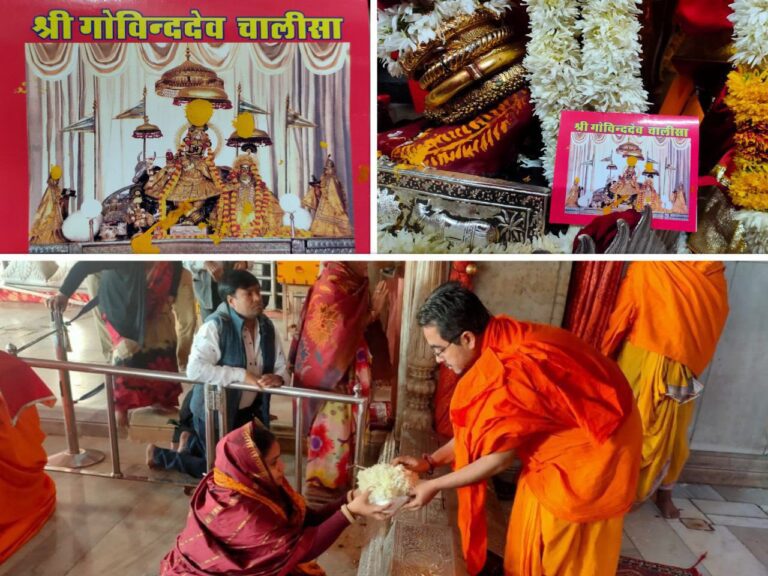
Saptamatruka Temple
The Saptamatruka Temple in Jajpur, Odisha is dedicated to the seven Tantric and Puranic goddesses known as the Saptamatrikas, representing a distinctive expression of goddess-ce…
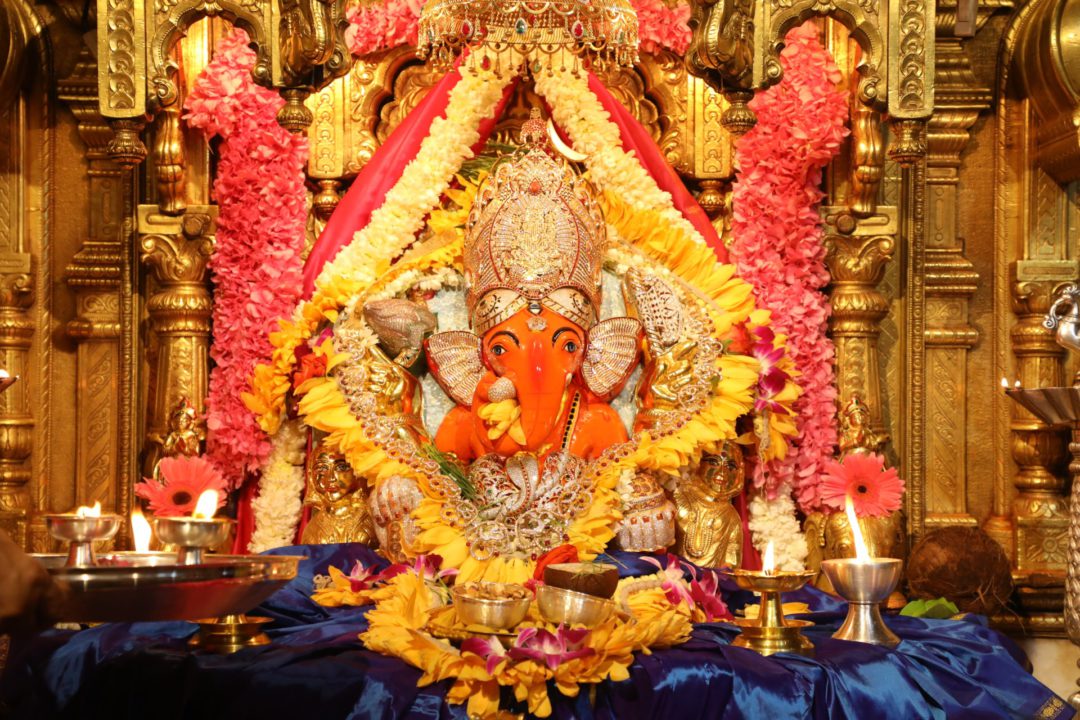
Mahavinayak Temple
Mahavinayak Temple in Chandikhole, Jajpur district, Odisha, is one of the state's oldest Ganesha temples, uniquely enshrining five deities—Shiva, Vishnu, Durga, Surya, and Ganes…
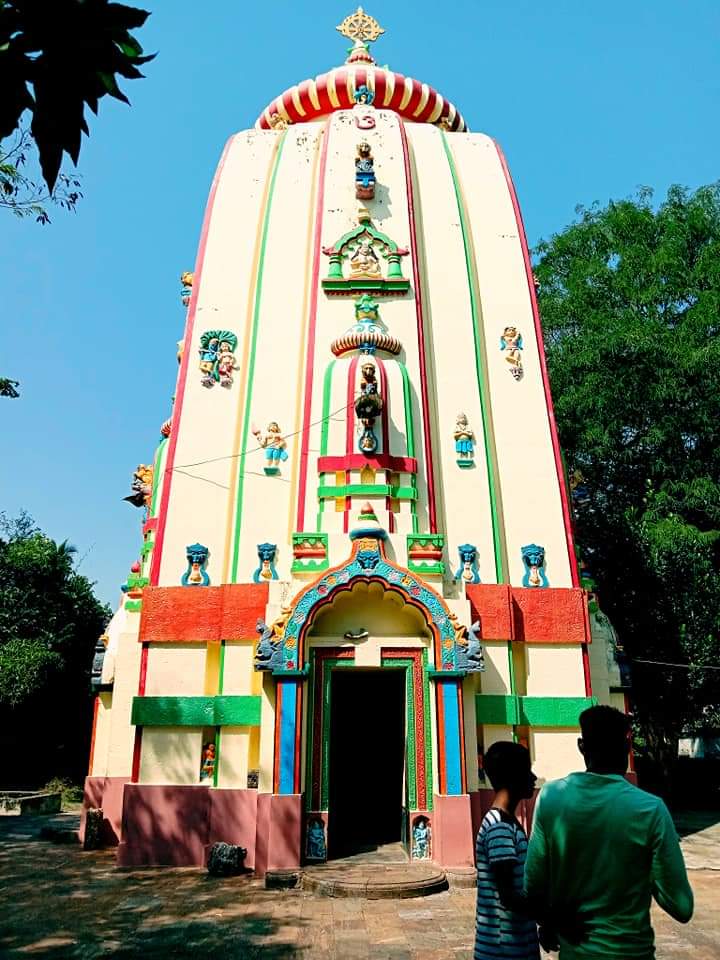
Biranchinarayan Temple, Palia
Sri Biranchinarayan Temple in Palia village, 15 km south of Bhadrak, Odisha, is a medieval shrine dedicated to Surya (the Sun God), featuring a distinctive four-faced stone imag…