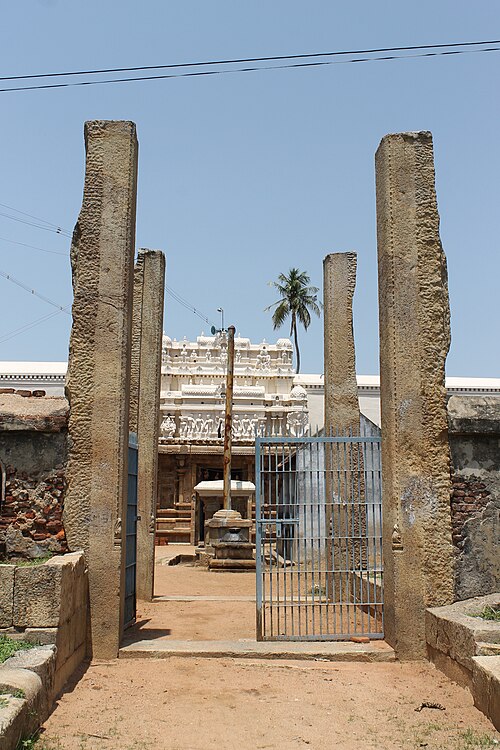
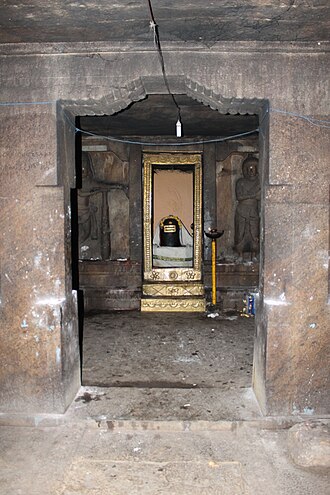
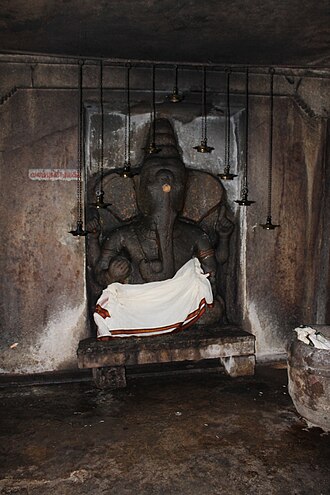
Kunnandarkoil Cave Temple
About Kunnandarkoil Cave Temple
The temple is dedicated to Shiva, the deity associated with asceticism, meditation, and cosmic transformation in Hindu tradition. Temples of this tradition typically maintain a sanctum housing the primary image or symbol of the deity, with ritual spaces for circumambulation and worship. The rock-cut nature of this temple means its sanctum and associated chambers were carved as integral parts of the stone itself, creating an architecture inseparable from the act of worship it was designed to serve.
Inscriptions and Historical Records
The temple preserves inscriptions from multiple dynasties spanning several centuries—Cholas, Chalukyas, Pandyas, and the Vijayanagar Empire. These carved records document grants, royal visits, and administrative decisions, making the temple itself a historical archive. Such inscriptions are invaluable to scholars studying the political and religious life of medieval South India, as they often record details of temple endowments, ritual practices, and the relationships between ruling powers and religious institutions.
Access and Practical Information
The temple is located in Kunnandarkoil village, approximately 40 kilometers from Pudukkottai town and 22 kilometers from Keeranur. Visitors traveling by rail can reach Keeranur Railway Station, from which the temple lies 23 kilometers away. Bus services connect Keeranur to the temple site, also at a distance of 22 kilometers. The site is maintained and protected by the Archaeological Survey of India, which oversees its preservation as a protected monument.
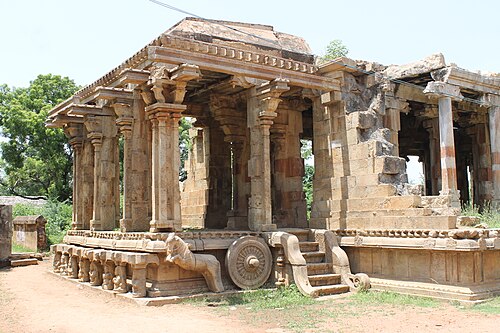
A separate shrine dedicated to Muruga (also known as Skanda or Kartikeya) stands on a nearby hilltop. The temple complex also features a mandapa—a pillared hall—constructed in the form of a chariot with horses, a design element that reflects the architectural vocabulary of South Indian temple traditions.
Visiting the Temple
As a protected archaeological monument under ASI administration, the temple operates under conservation guidelines. Visitors should dress modestly, covering shoulders and knees, as is customary when entering Hindu temples. The rock-cut nature of the structure means visitors should wear sturdy footwear suitable for uneven stone surfaces and be prepared for steps and passages carved into the rock. Photography policies may be in place; it is advisable to check with site authorities upon arrival.
The temple's age and historical significance make it a destination for those interested in medieval South Indian art, architecture, and religious history. The combination of the main Shiva temple, the Muruga shrine on the adjacent hill, and the chariot-shaped mandapa creates a complex worth exploring at a measured pace, allowing time to observe the carved details and inscriptions that document the temple's long history.
How to reach
You may also visit
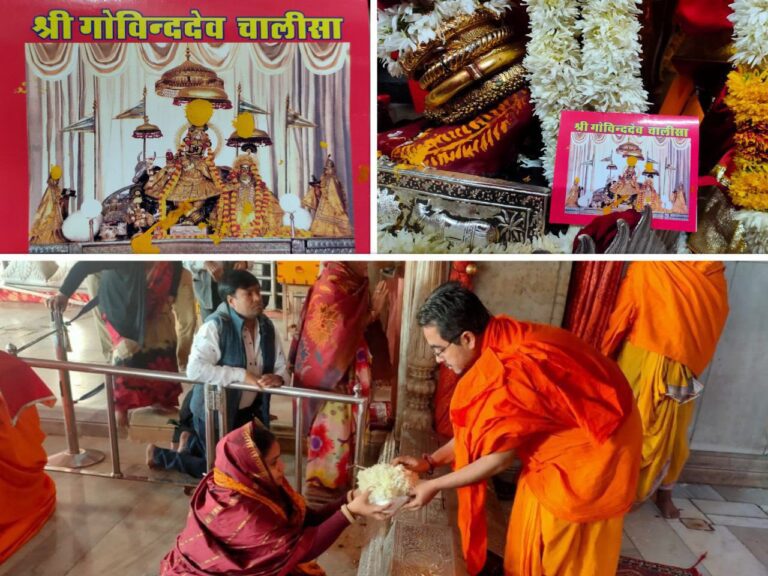
Kalyanji Temple
Kalyanji Temple in Jaipur's Chandpol Bazaar is approximately two centuries old and renowned for displaying the twenty-four avatars of Krishna, visible only twice yearly during Akha Teej and Patottsav festival.
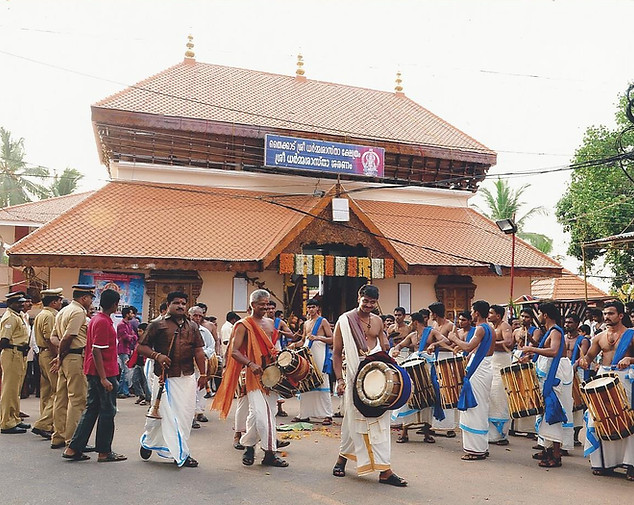
Sastha (Ayyappan) Temple
Sree Dharma Sastha Temple in Thycaud, Thiruvananthapuram, is a centuries-old shrine where the deity manifests as Dhanwanthari, the divine healer, holding the sacred blue lotus.
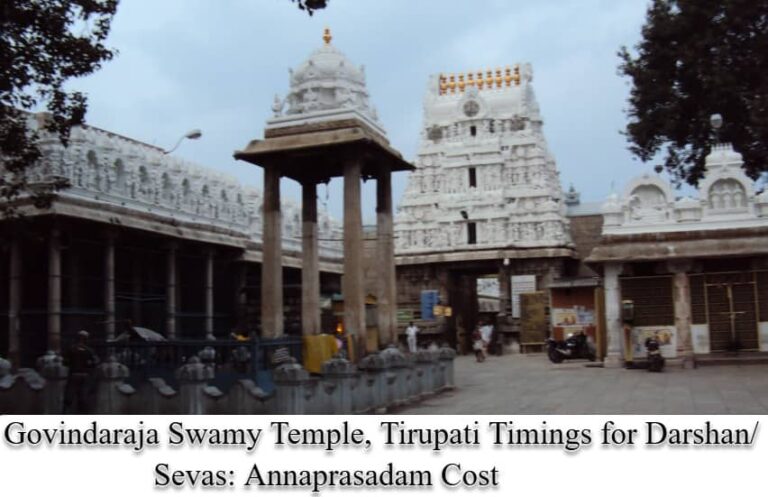
Govindarajaswamy Temple
Sri Govindarajaswamy Temple in Tirupati is an ancient Vaishnavaite shrine consecrated in 1130 AD by Saint Ramanuja, where the presiding deity rests in eternal Yoga Nidra on the serpent Adisesha.