


Kundrathur Murugan Temple
About Kundrathur Murugan Temple
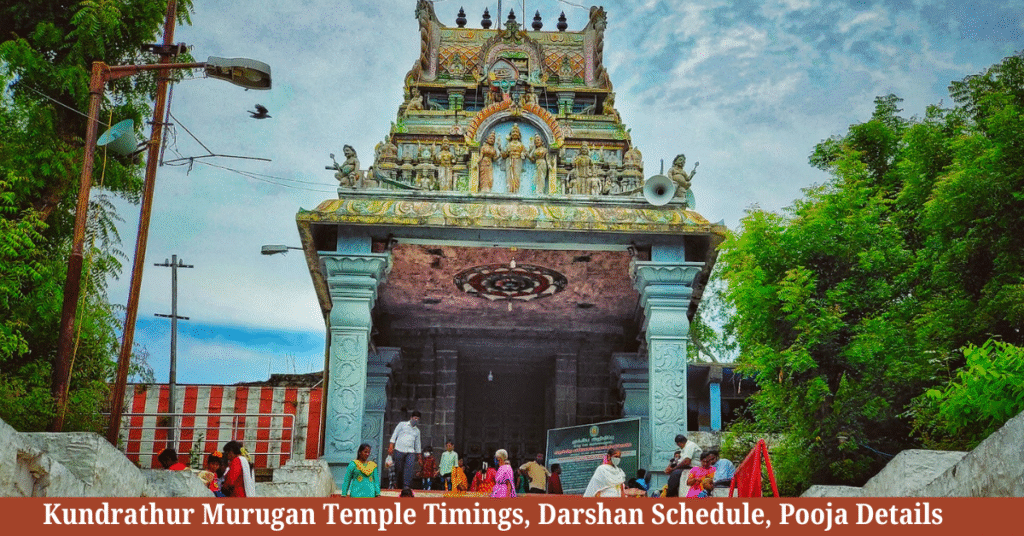
The temple exemplifies classical Dravidian architectural style, the architectural tradition that has shaped South Indian temples for centuries. Its defining features include the characteristic gopuram (temple tower) and traditional layout that reflect Tamil architectural practice. The hilltop setting is integral to the temple's character—the structure integrates with the natural landscape rather than standing apart from it. This elevated position contributes both to the temple's visual presence and to the sense of a sacred space set apart from ordinary surroundings, offering views across the surrounding area. The temple was established in the 12th century, making it a structure of considerable age and continuity within the region.
Daily Worship and Darshan Schedule
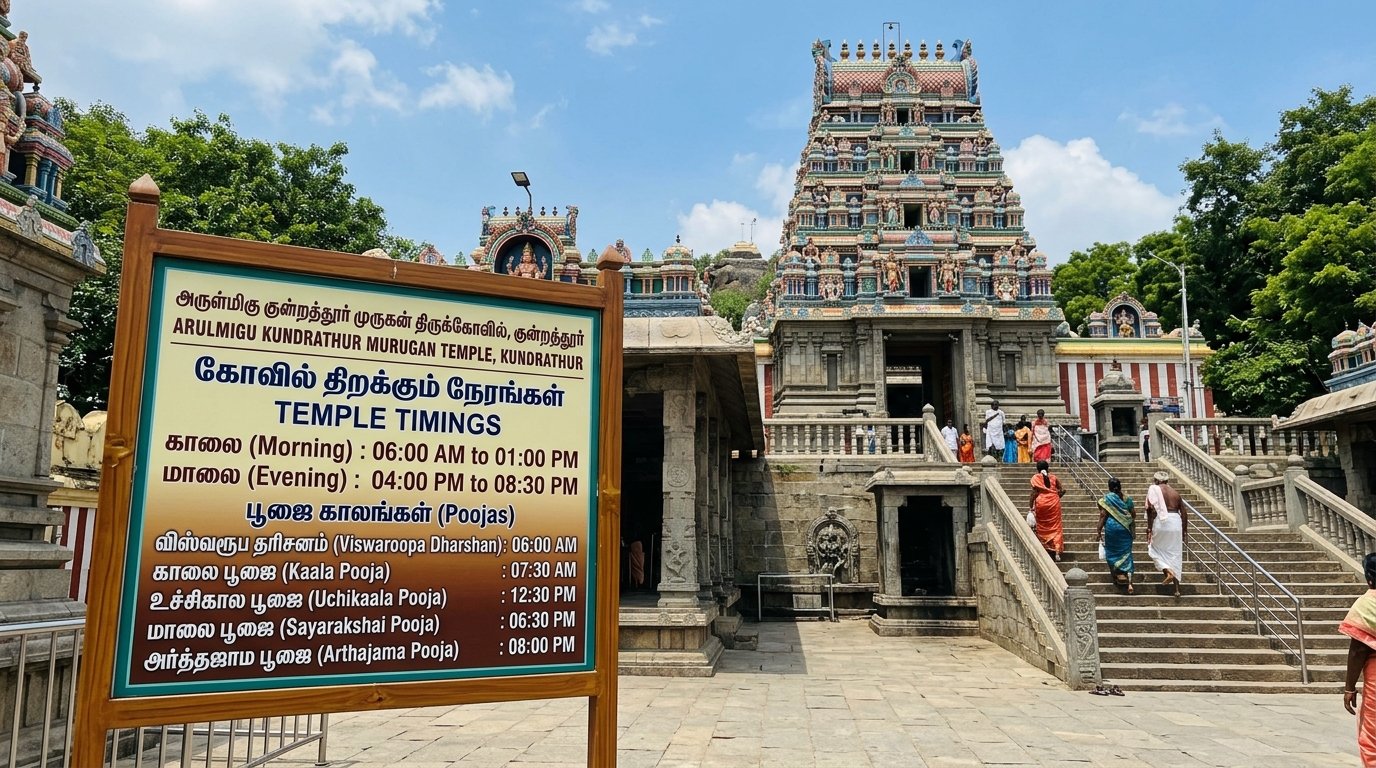
The temple operates on a split daily schedule that requires planning. Worship begins at 5:30 AM with Viswaroopa Darshanam, an early viewing of the deity. The Kala Santhi Pooja, a formal ritual, takes place from 8:00 to 8:30 AM. General darshan—the viewing and worship of the deity—is available from 8:30 AM until 1:00 PM. The temple then closes for the afternoon between 1:00 PM and 3:30 PM. Evening worship resumes with the Sandhya Aarti at 7:00 PM. Visitors seeking a peaceful darshan experience are advised to arrive during the early morning hours before 8:30 AM, when crowds are typically lighter. The afternoon closure is a common point of confusion for first-time visitors, so confirming timings before travelling is wise, particularly on festival days when schedules may shift.
Visiting Practicalities
The temple is located in Kundrathur village, approximately 18 kilometres southwest of Chennai in the Kancheepuram district of Tamil Nadu (coordinates 12.9974°N, 80.0966°E). Visitors should dress modestly, as is customary at Hindu temples—this typically means covering shoulders and knees. The hilltop location means there are steps to climb; while the exact number is not specified in available sources, the ascent is part of the temple experience and should be factored into your visit, particularly if mobility is a consideration. Bring water, especially if visiting during warmer months or in the early morning when fewer facilities may be open. As with all temples, remove footwear before entering the sanctum and follow the directions of temple staff regarding the flow of darshan. If you have specific ritual requirements or questions about deity orientation and worship practice, the temple priests are the most reliable source for guidance on the day of your visit.
Getting There
Kundrathur is a suburb of Chennai, making the temple accessible to visitors in the city. The village falls within Chennai district, though it lies on the outskirts near Kancheepuram district. Public transport options connect Chennai to Kundrathur, though confirming current routes and schedules before travel is advisable. If driving, the coordinates 12.9974°N, 80.0966°E can be used with navigation applications. Plan your journey to arrive either before 8:30 AM for the quieter morning darshan or after 3:30 PM when the temple reopens in the evening, keeping in mind the Sandhya Aarti at 7:00 PM.
How to reach



Temples near Kundrathur Murugan Temple

Kundrathur Nageswarar Temple
Kundrathur Nageswarar Temple, also known as Vada Thirunageswaram, is a 12th-century Shiva temple in Chennai built by the Shaivite saint Sekkizhar, modeled after the Thirunageswa…
Kandhazheeswarar Temple, Kundrathur
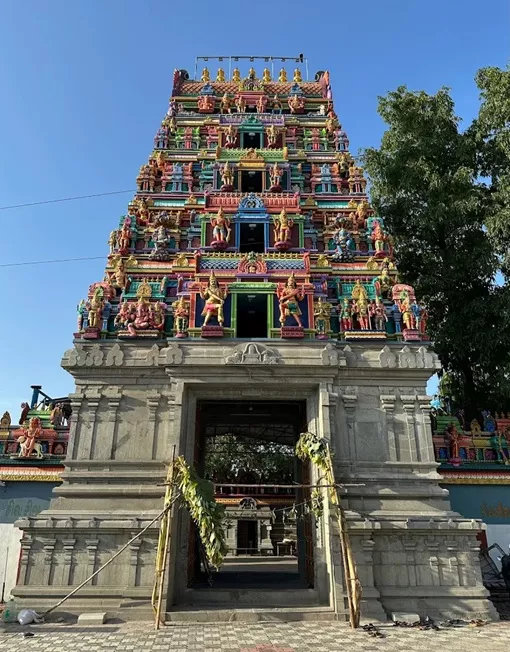
Kandhazheeswarar Temple in Kundrathur honors Lord Shiva in the form of a massive Lingam installed by Lord Muruga after his victory over Tarakasura. The temple gained spiritual s…

Kovur Sundareswarar Temple
Kovur Sundareswarar Temple is a Hindu shrine dedicated to Shiva, constructed around 965 CE in a Chennai suburb. The temple gained cultural prominence through the devotional comp…
Kamakshi Amman Temple, Mangadu
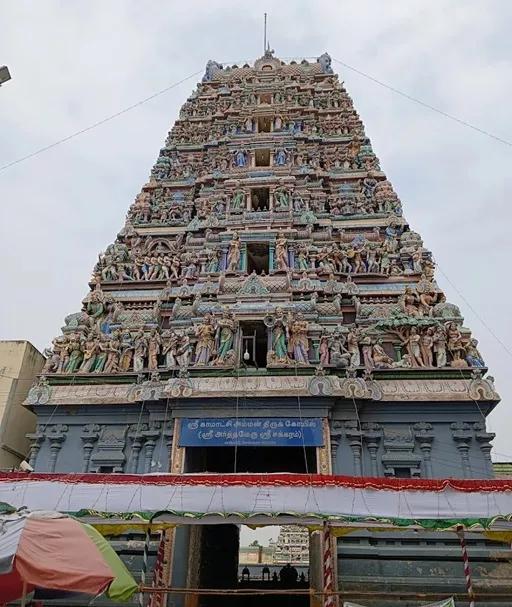
The Kamakshi Amman Temple in Mangadu is a revered Shakti shrine dedicated to Goddess Parvati, located in a western suburb of Chennai. According to tradition, the goddess perform…
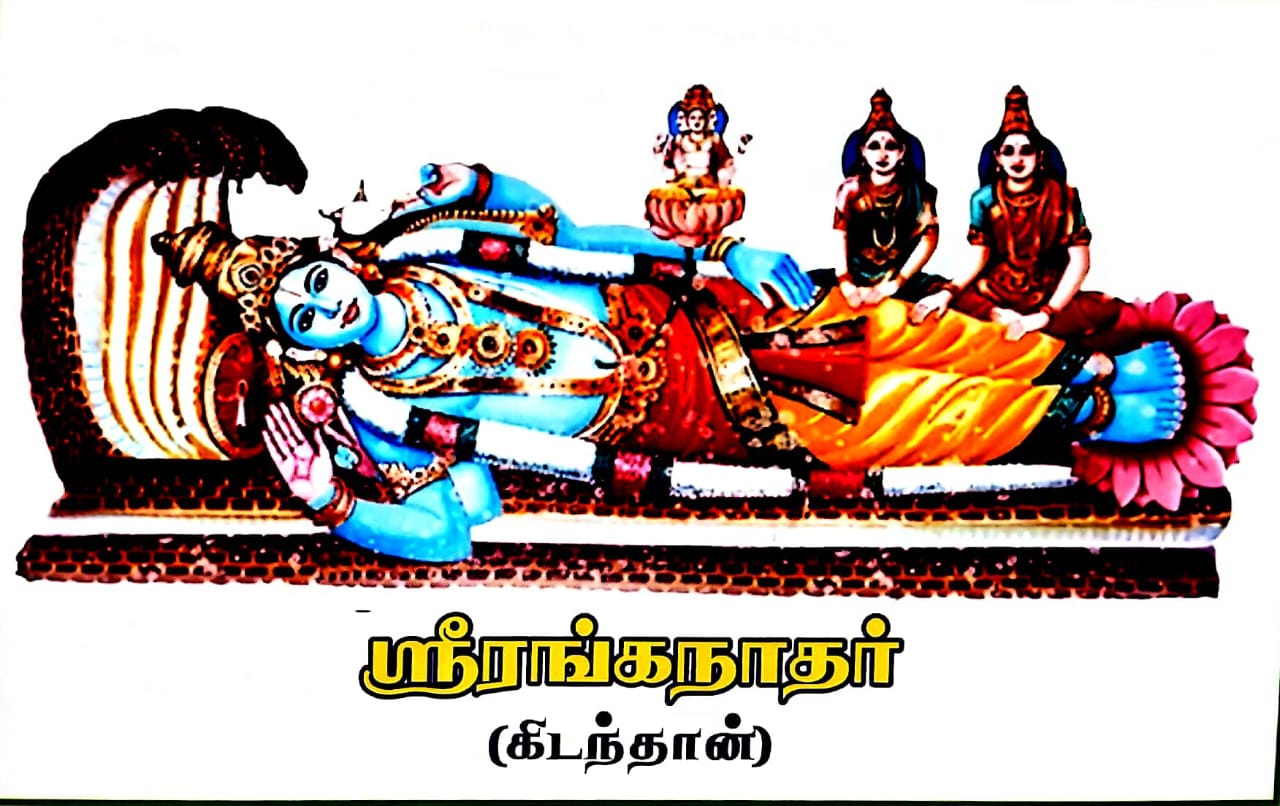
Ranganatha Temple, Thiruneermalai
Ranganatha Temple in Thiruneermalai is a Vaishnavite shrine and one of the 108 Divya Desams, featuring the deity in a reclining posture surrounded by water near Chennai.
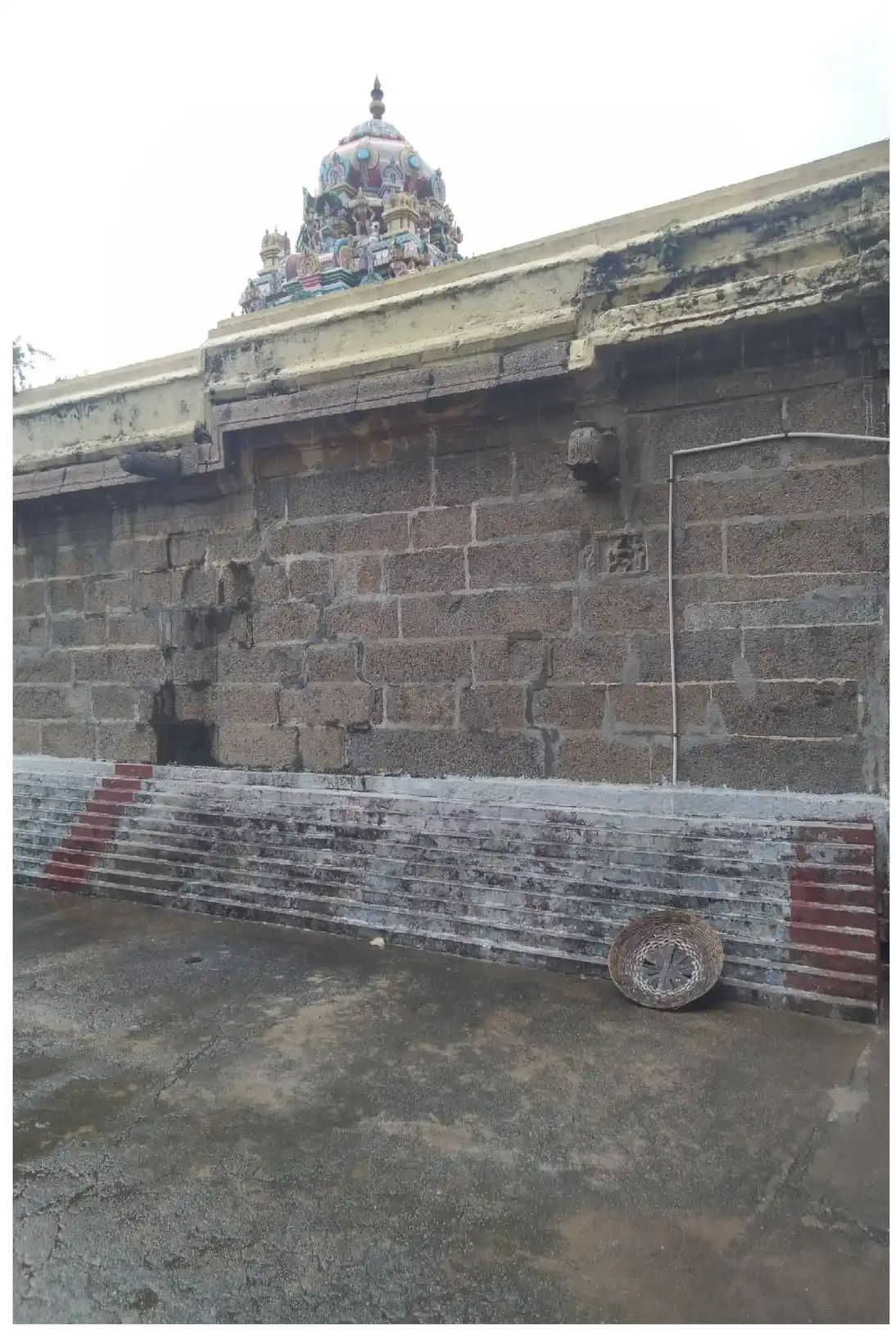
Poontamalli Vaitheeswaran Temple
Arulmigu Vaitheeswaran Temple in Poonamallee is a historic seventh-century shrine dedicated to Lord Shiva as the divine healer, revered as Chennai's Mars (Chevvai) Navagraha tem…