Kondazhy Tritham Tali Siva Temple
About Kondazhy Tritham Tali Siva Temple
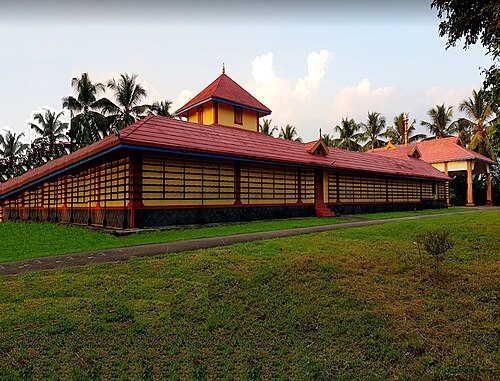
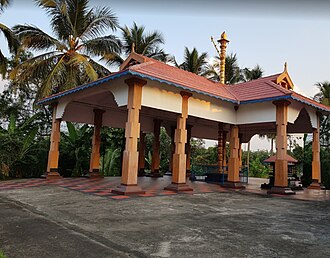
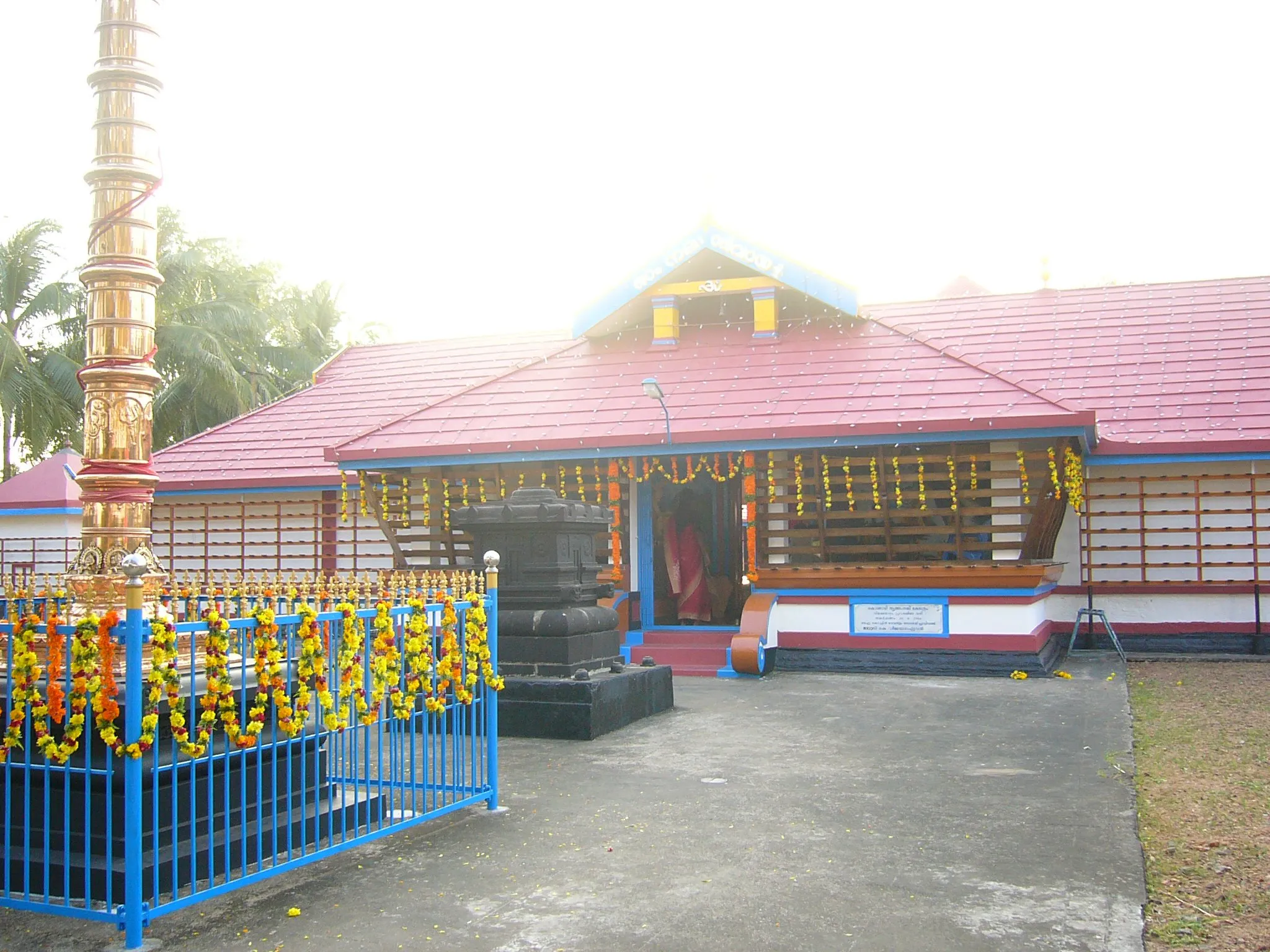
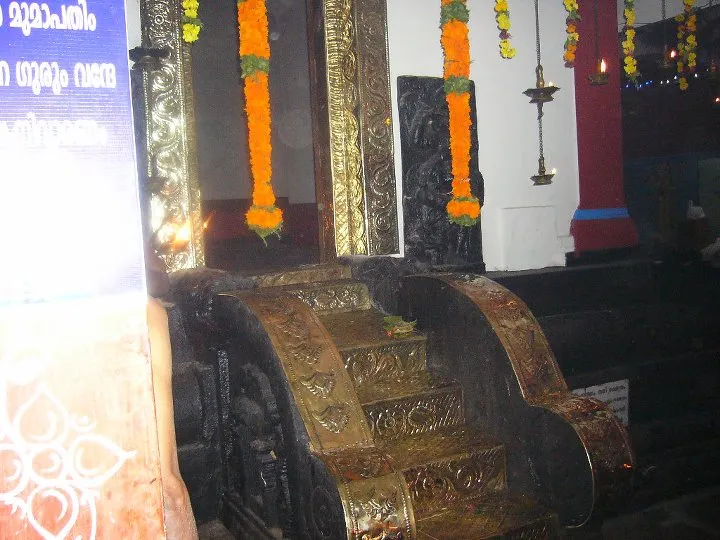
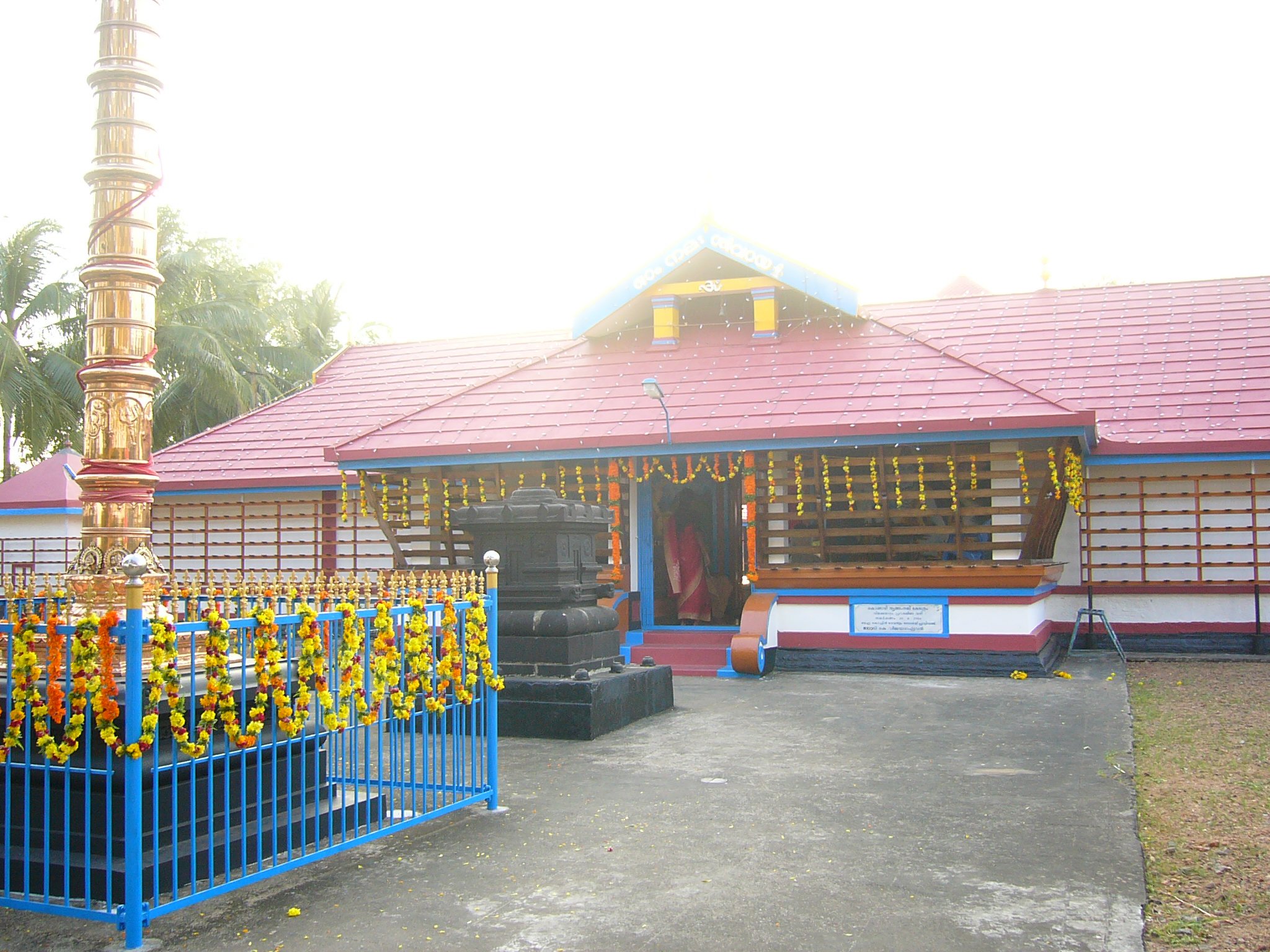
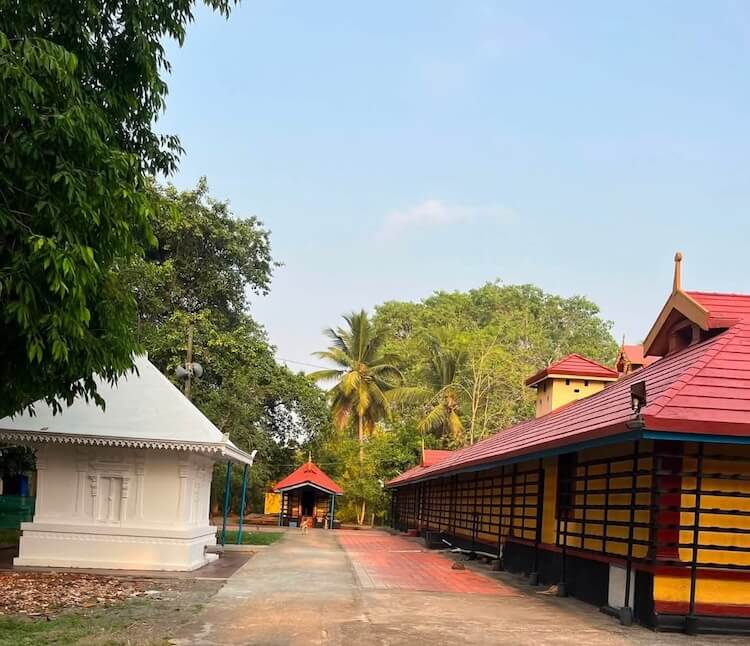
The temple follows Kerala's classical architectural tradition, featuring a sanctum (Sreekovil) as its central sacred chamber and a nalambalam, the pillared hall typical of Kerala temples. These structural elements reflect the region's distinctive approach to temple design, where specific spatial arrangements support both ritual function and spiritual atmosphere. The temple's layout and construction embody centuries of Kerala's architectural heritage, though detailed records of specific renovations or modifications are not available from the sources consulted.
The temple grounds maintain the sacred surroundings characteristic of established Shiva shrines, creating an environment oriented toward worship and contemplation.
Daily Worship and Darshan
The temple opens for darshan in two sessions: 5:00 AM to 12:00 PM in the morning, and 5:00 PM to 8:00 PM in the evening. These timings align with traditional Shiva worship practices, where the early hours before sunrise hold particular significance for spiritual practice. The dawn session typically attracts devotees following traditional worship customs, when the temple atmosphere is considered most conducive to meditation and prayer. The evening session accommodates those whose schedules require later visits.
Visitors planning their trips should arrive within these designated windows and confirm current timings before traveling, as ritual schedules may occasionally affect public access to the sanctum. Early morning hours between 5:00 and 7:00 AM offer the most traditional worship atmosphere for those seeking to experience the temple as devotees have for generations.
Festivals and Ritual Observances
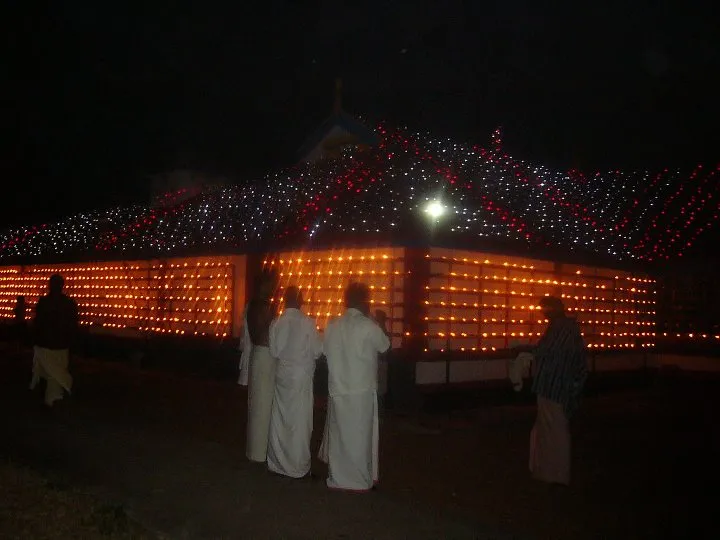
Maha Shivaratri, the night dedicated to Lord Shiva, stands as the temple's principal festival, drawing devotees from the surrounding region for intensified worship and special rituals. Navaratri, the nine-night festival honoring the divine feminine, is also observed with significance at the temple. During these major occasions, the temple conducts Maha Rudrabhishekam, an elaborate ritual offering to Shiva performed with traditional ingredients including milk, curd, ghee, and honey, accompanied by chanting of the Sri Rudram. These festivals represent times when the temple experiences heightened spiritual activity and larger gatherings of worshippers.
Visitors wishing to experience the temple during its most significant observances should plan around these occasions. Festival dates follow the Hindu lunar calendar and vary annually, so advance confirmation of specific dates is recommended before making travel arrangements.
Visiting Practicalities
Modest dress is customary when entering the temple. Visitors should wear clothing that covers shoulders and knees as a mark of respect for the sacred space. This practice is standard across Hindu temples and reflects the devotional atmosphere maintained within the sanctuary. Footwear is typically removed before entering the inner temple areas, following the practice observed at most Hindu shrines.
The best time to visit is during the early morning hours when the temple's traditional worship atmosphere is most pronounced, or during the major festivals of Maha Shivaratri and Navaratri if you wish to experience the temple's most significant observances and larger community gatherings.
Reaching the Temple
The temple is located at coordinates 10.7151981, 76.4035008 in Kondazhy village, Thrissur District, Kerala. These coordinates can be used with mapping applications to locate the temple precisely. Thrissur District is well-connected by road and rail to other parts of Kerala and neighboring states. From Thrissur town, local transportation options including buses and auto-rickshaws serve the Kondazhy area. The riverside location places the temple within Kerala's central region, accessible to visitors traveling through the state.
How to reach


You may also visit
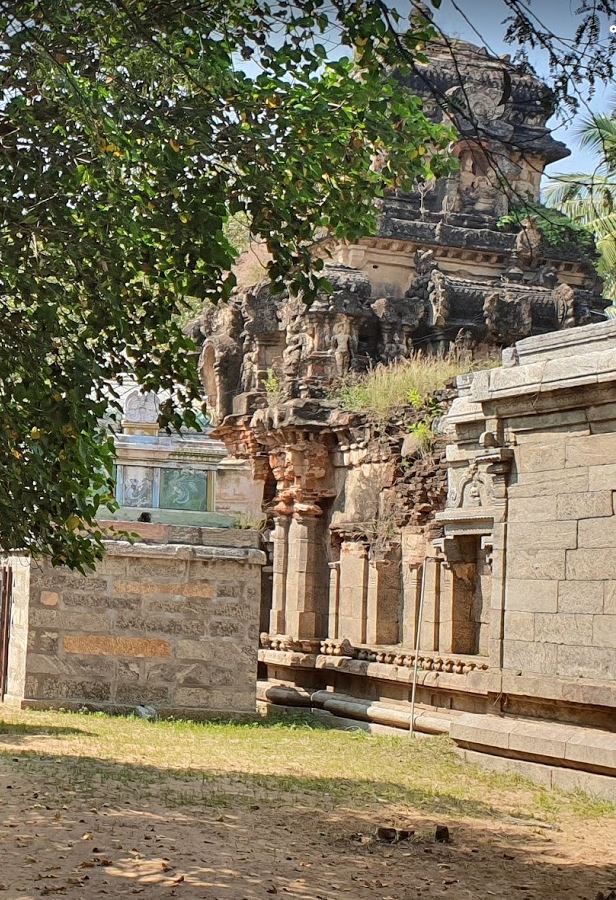
Agatheeswarar Temple, Karur
Agatheeswarar Temple in Thirumukkudalur, Karur district, is an ancient Hindu shrine dedicated to Shiva, situated at the sacred confluence of three rivers and believed to be over 1000 years old.
Kalyanji Temple
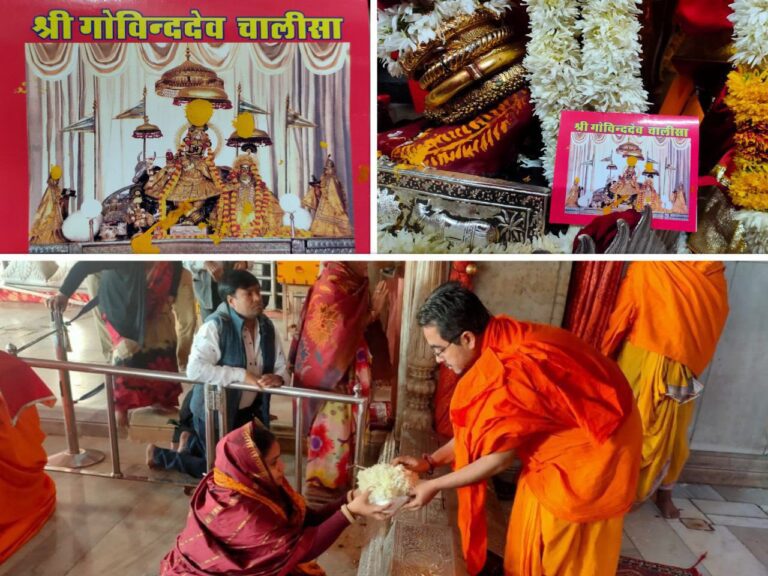
Kalyanji Temple in Jaipur's Chandpol Bazaar is an ancient Krishna shrine established in the 1820s, renowned for its seven daily aartis and special avatar darshan ceremonies during Akha Teej and Patottsav festivals.
Rani Sati Mandir Mahuda
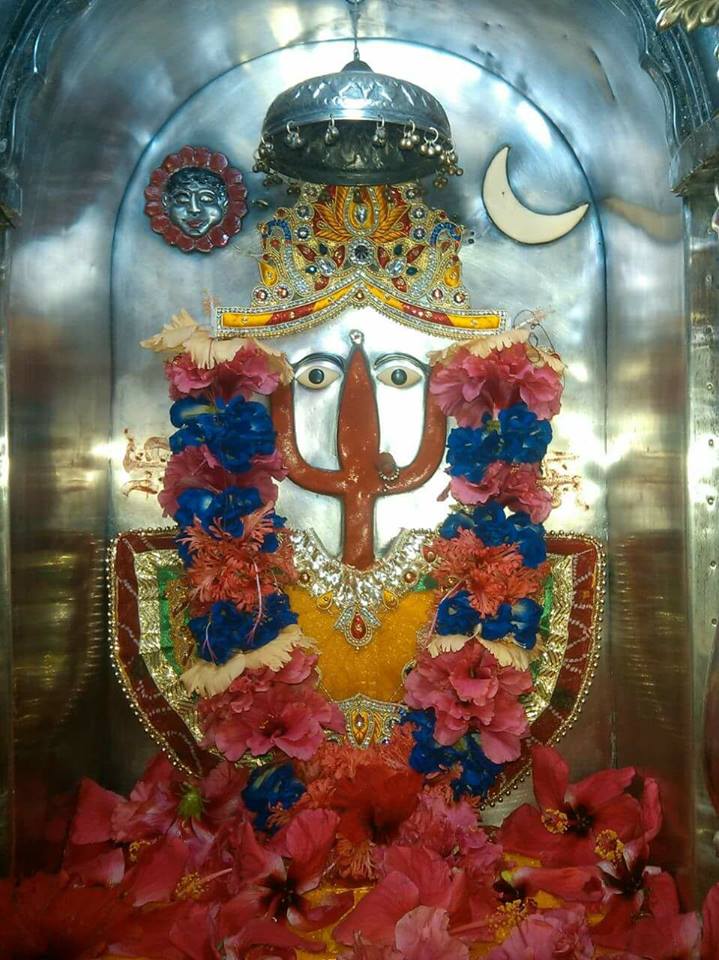
Rani Sati Mandir in Mahuda, Dhanbad District, is a Hindu temple established in 1992 that serves as a spiritual center for the local community and attracts devotees seeking blessings.