

Karapuranathar Temple
About Karapuranathar Temple
The temple is estimated to be between one thousand and two thousand years old, placing it within the period of the Chola dynasty, a major South Indian power known for extensive temple construction and patronage. While specific historical details about the temple's founding or major renovations are not documented in available sources, its antiquity suggests it has served as a center of Shiva worship across many centuries of Tamil Nadu's religious life.
Daily Worship and Darshan
The temple maintains regular daily timings for devotees to visit and worship. Morning hours run from 6:00 to 11:00 a.m., while evening hours extend from 4:00 to 8:00 p.m. The morning period typically offers a quieter atmosphere for those seeking a more contemplative visit. Temples of this tradition generally conduct ritual worship (puja) at set times throughout the day, though specific aarti timings at this shrine are not detailed in available sources—visitors should inquire locally upon arrival.
Darshan, the practice of viewing the deity, is the primary form of worship for most visitors. Approaching the sanctum with respect and following any guidance from temple staff ensures a meaningful experience.
Festivals and Auspicious Days
The temple maintains a year-round festival calendar, with observances spread across all twelve months. This continuous cycle means visitors may encounter special ceremonies and gatherings depending on when they arrive. Beyond these monthly celebrations, the shrine observes Pradosham days—twilight periods that occur twice each lunar month and hold particular significance in Shiva worship. These are considered especially auspicious times for devotional practice.
The temple also conducts Sukra (Venus) worship and Chandi Homam, a fire ritual dedicated to the goddess Chandi. Vasant Panchami, typically observed in late January, is noted as a particularly significant occasion at this shrine. Since these observances follow the lunar calendar rather than fixed dates, visitors interested in experiencing the temple during important festivals should inquire locally about current Pradosham dates and monthly festival schedules before planning their visit.
Visiting Information
The temple is located at Uthamacholapuram in Salem District, Tamil Nadu, at coordinates 11.6123°N, 78.1034°E. Salem District lies in the interior of Tamil Nadu, and visitors should plan their journey accordingly. Those traveling by road will need to navigate to Uthamacholapuram; those using public transport should inquire about bus services to the village from nearby towns.
Visitors should dress modestly and respectfully, as is customary at Hindu temples. Shoes are typically removed before entering the sanctum. The temple's position near the Thirumanimutharu river means the surrounding landscape is rural; visitors should bring water and plan for limited commercial facilities in the immediate area. It is advisable to check current road conditions and transport availability before traveling, as infrastructure in village areas can vary seasonally.
Best Times to Visit
Morning hours from 6:00 to 11:00 a.m. generally offer a quieter, more peaceful atmosphere for those seeking an unhurried darshan. Pradosham days and the monthly festival dates are particularly significant for devotees wishing to experience the temple during spiritually important occasions. Vasant Panchami in late January is noted as an especially auspicious time. Since festival dates follow the lunar calendar and vary year to year, visitors should confirm specific dates locally or through temple contacts before planning a visit around these observances.
How to reach
Temples near Karapuranathar Temple
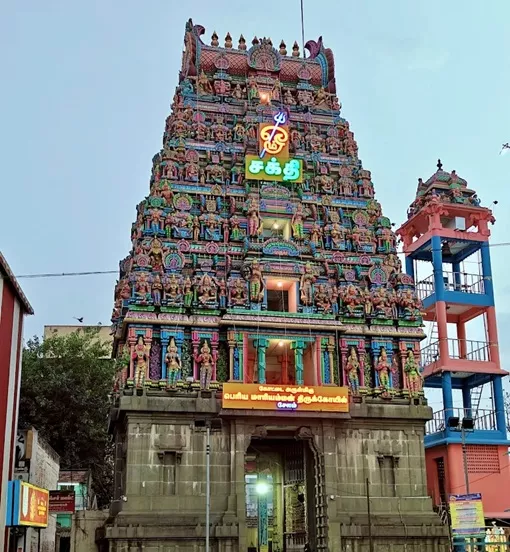
Salem Koṭṭai Mariamman Temple
Arulmigu Kottai Mariamman Temple in Salem is a centuries-old shrine dedicated to Goddess Mariamman, revered as the protective guardian deity of the historic Kottai fort and wors…
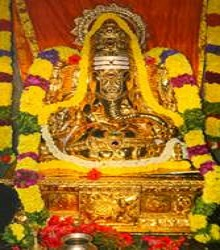
Salem Rajaganapati Temple
Arulmigu Rajaganapathi Temple in Salem is a traditional Vinayagar shrine dedicated to Sri Rajaganapathi, revered for obstacle removal, wisdom, and auspicious beginnings.
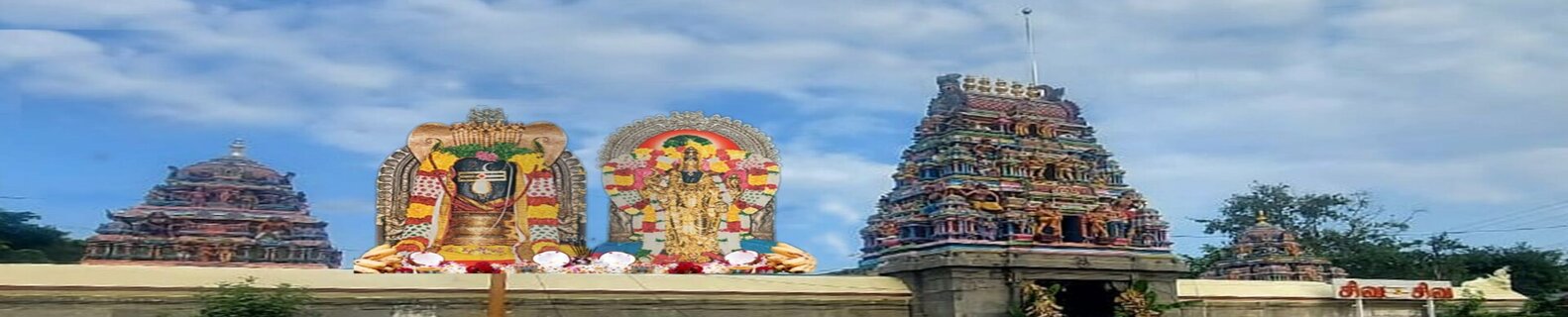
Salem Sugawaneswar Temple
Arulmigu Sugavanesuwarar Temple in Salem is a thousand-year-old Shaivite shrine dedicated to Lord Sugavanesuwarar with Goddess Swarnambigai as the divine consort, situated on th…
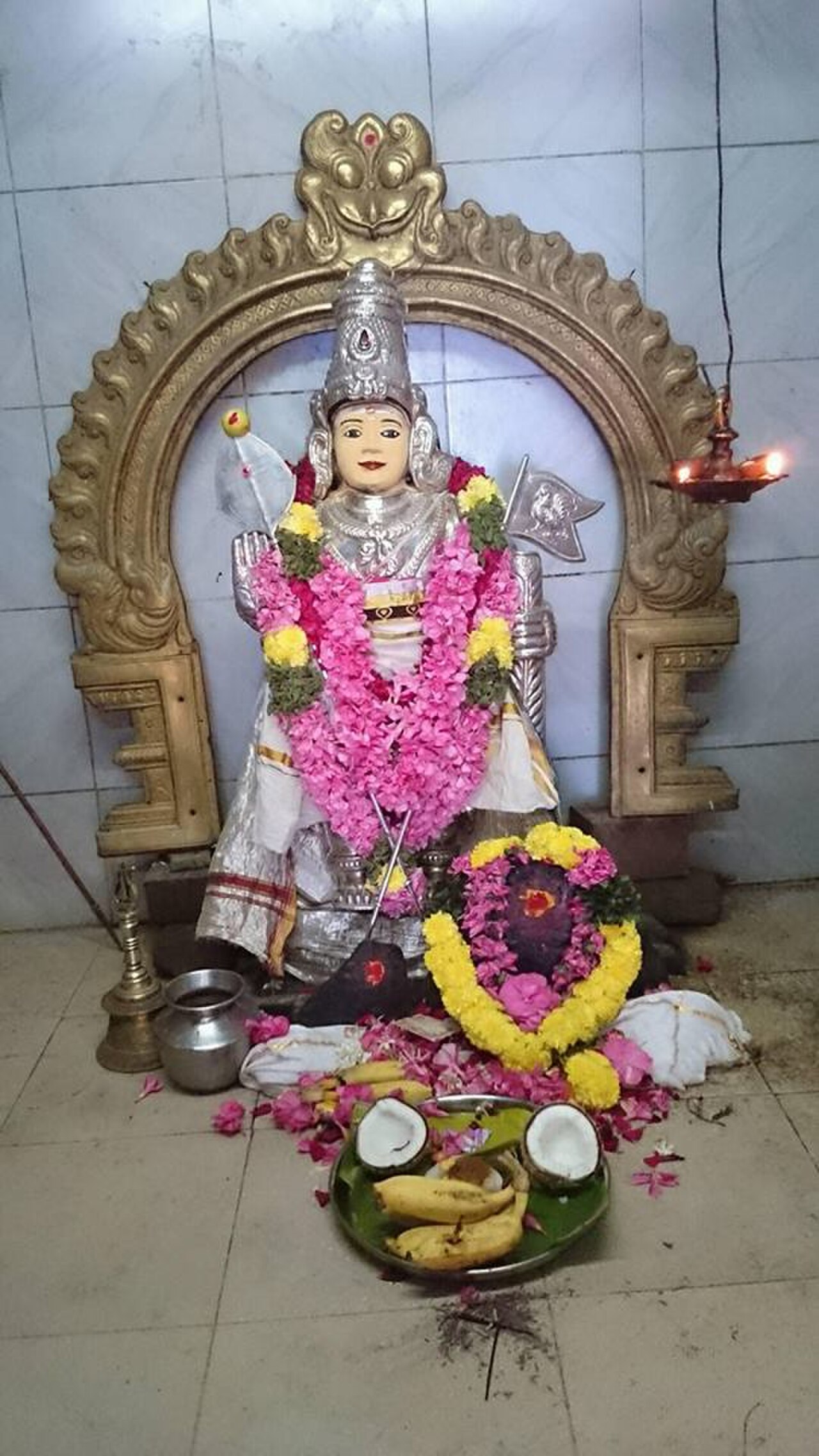
Sri Muthukumara Samy Temple, Vennandur
Sri Muthukumara Samy Temple in Vennandur is a Hindu shrine dedicated to Lord Muthukumara (Krishna) located in Vadugampalayam, Namakkal district, Tamil Nadu.
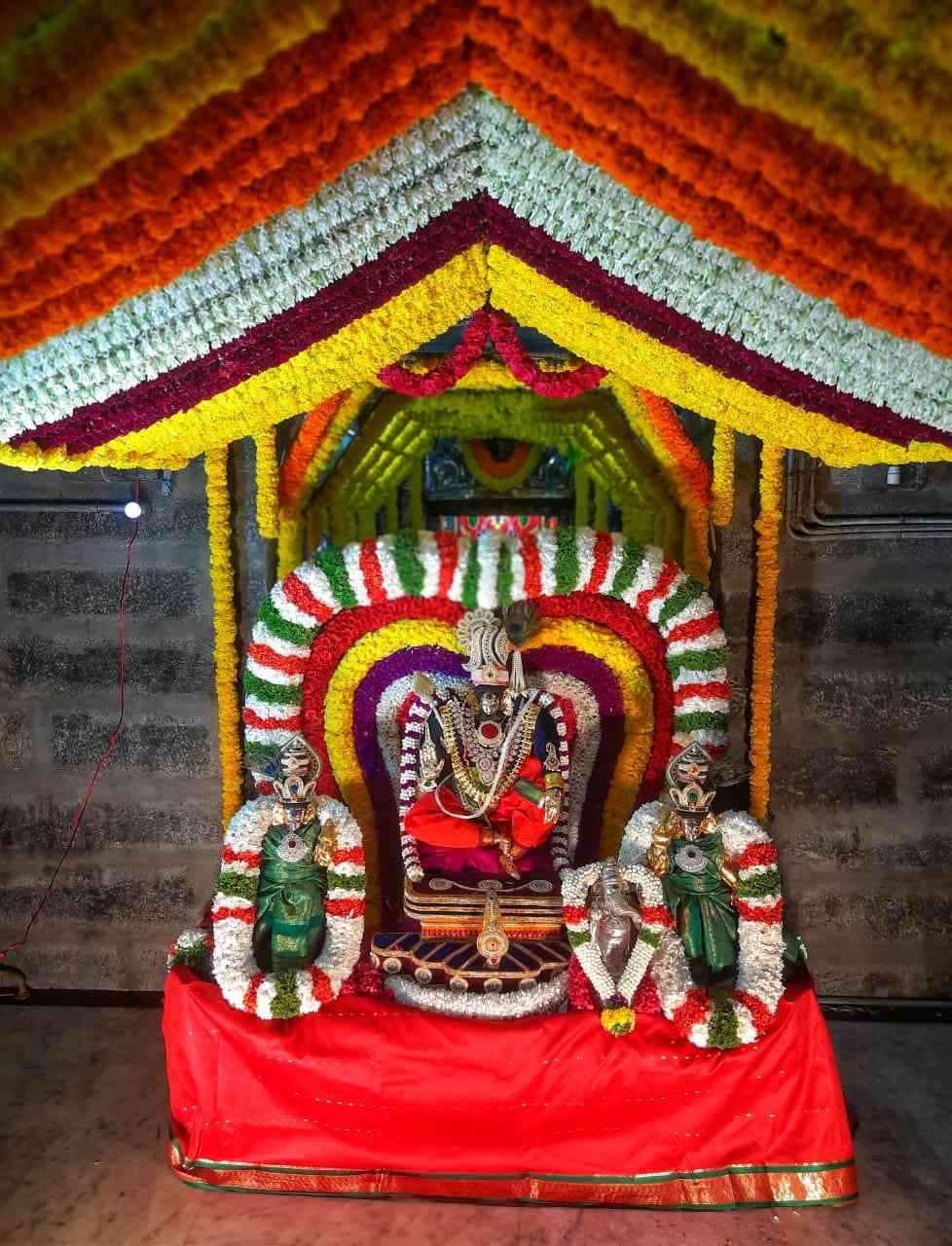
Kaalipatti Kanthasamy temple
Arulmigu Kandhasamy Temple in Kalipatti, Namakkal district, is a traditional shrine dedicated to Lord Murugan (Kandhasamy), revered for bestowing courage, wisdom, and spiritual…
Alavaimalai Subrayar Murugan Temple
Sri Alavaimalai Subrayar Murugan Temple is a state temple dedicated to Lord Murugan, situated midway up Alavaimalai hill in Namakkal District, Tamil Nadu, accessible via approxi…