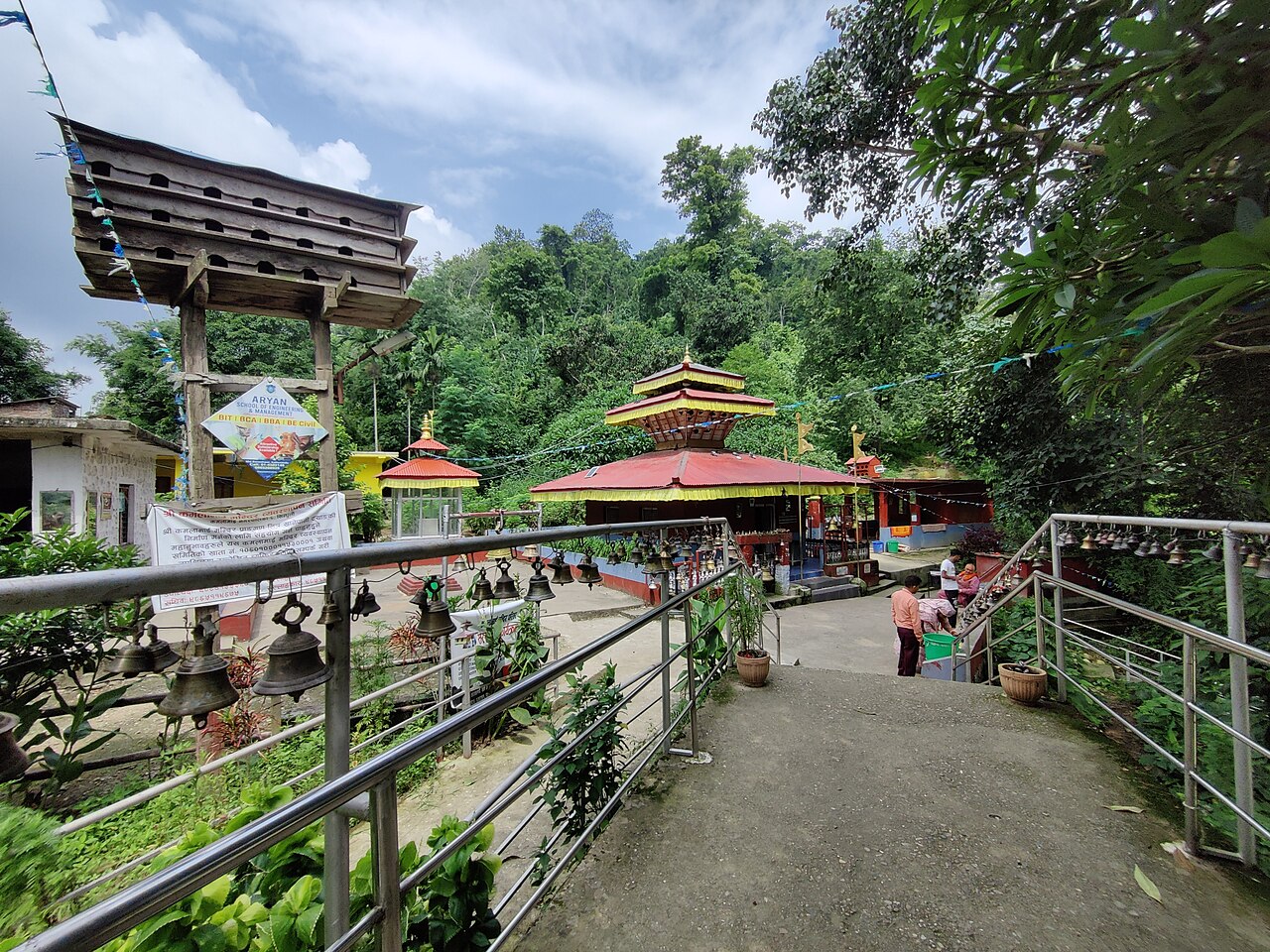
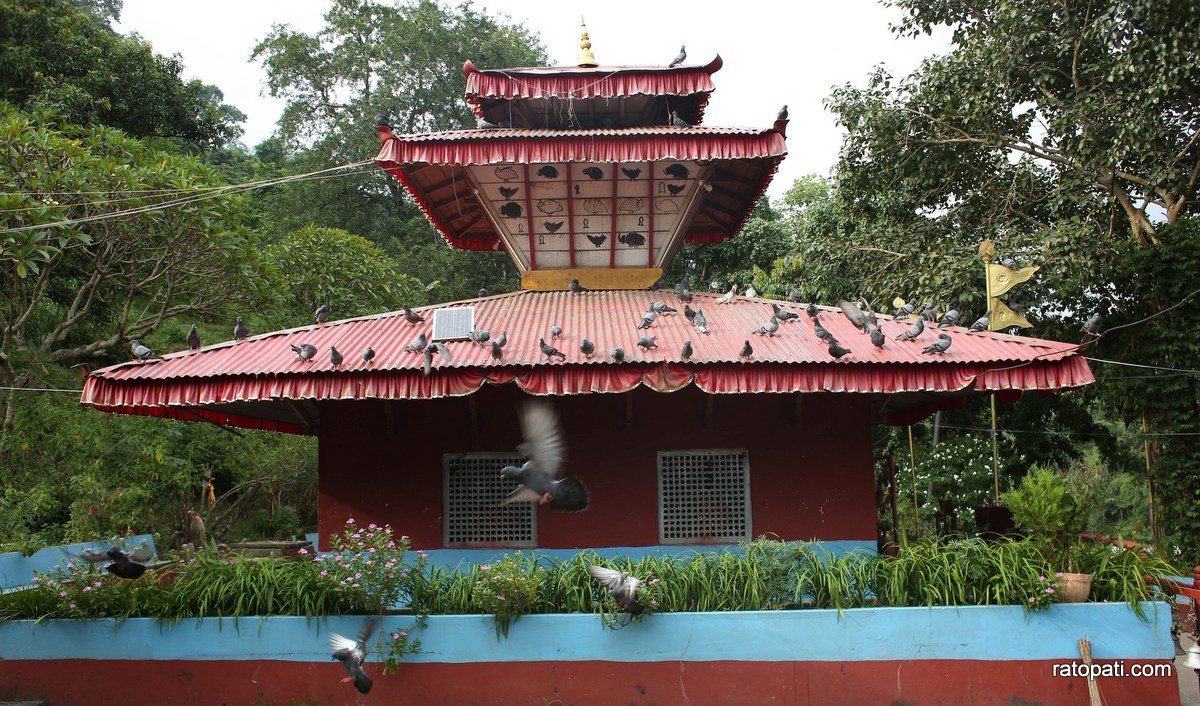
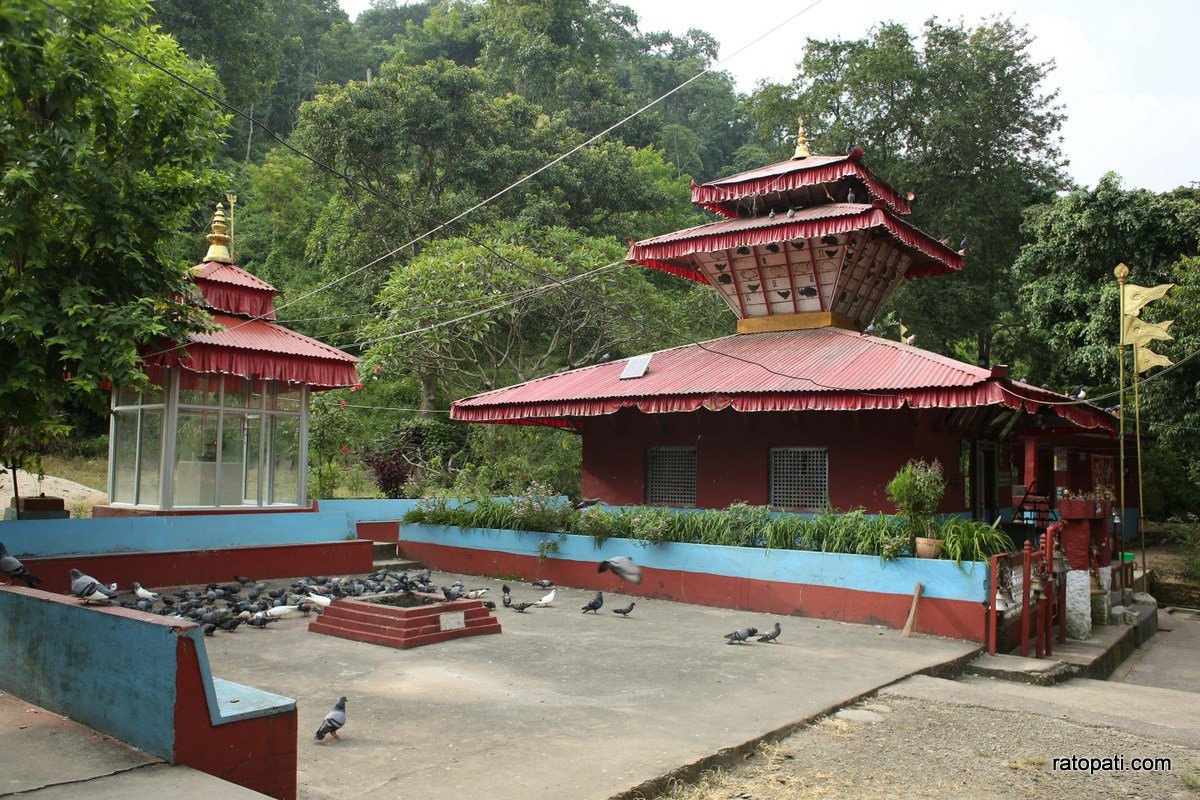
Kamalamai Temple (Sindhuli)
About Kamalamai Temple (Sindhuli)
Kamalamai Temple is distinguished by a practice found nowhere else in Nepal: the ritual sacrifice of fish as offerings to the goddess. This custom, grounded in the temple's specific mythology and tradition, represents a singular aspect of worship at this site. Devotees who visit during major observances participate in these offerings as an expression of devotion and petition.
The prohibition on sesame seeds, paired with the acceptance of fish offerings, creates a ritual framework quite unlike other temples in the region. Visitors should be aware of these distinctive practices when planning their worship and offerings.
Makar Sankranti: The Principal Festival
The temple's most significant observance occurs annually on Makar Sankranti, typically in January. During this festival, the temple becomes a focal point for devotional activity, with devotees gathering to present offerings to Kamala in hopes of having their wishes fulfilled. The festival draws worshippers who travel to participate in this established tradition.
The temple is notably decorated during festival periods, creating a visually enhanced environment for darshan. Those planning a visit specifically for spiritual observance should aim for this season, though they should confirm exact dates and any variations in timing before travelling.
Location and Access
Kamalamai Temple is situated in Kamalamai Municipality within Sindhuli District, in Bagmati Province. The temple lies approximately 200 metres from the BP Highway, positioned along the Kamala River from which it takes its name. The coordinates are 27.166103°N, 85.900402°E, which can be entered into mapping applications for navigation.
The proximity to the BP Highway makes the temple reasonably accessible by road, though visitors should plan their journey with attention to local road conditions and transport options available in the region. The exact route and best transport methods depend on your starting point within Nepal.
Visiting the Temple
While specific darshan timings are not detailed in available sources, visitors should expect that timings may vary on festival days and should confirm current hours with the temple before travelling. This is particularly important for those planning visits around Makar Sankranti or other observed festivals.
Dress modestly when visiting, as is customary at Hindu temples. Shoes are typically removed before entering the sanctum. Visitors should approach the deity and rituals with respect, and be mindful of ongoing worship by other devotees. Photography policies may vary; it is courteous to ask before photographing the sanctum or active worship.
Best Time to Visit
Makar Sankranti in January represents the optimal time to experience the temple in its most active and decorated state. The festival atmosphere, combined with the gathering of devotees, creates an immersive experience of the temple's living tradition. However, those seeking a quieter visit for personal reflection may prefer other times of year.
Visitors should be prepared for the climate of Sindhuli district and plan accordingly. The temple's location on the Kamala River means the surrounding landscape is shaped by this waterway, which may be relevant to travel planning depending on the season.
How to reach
You may also visit
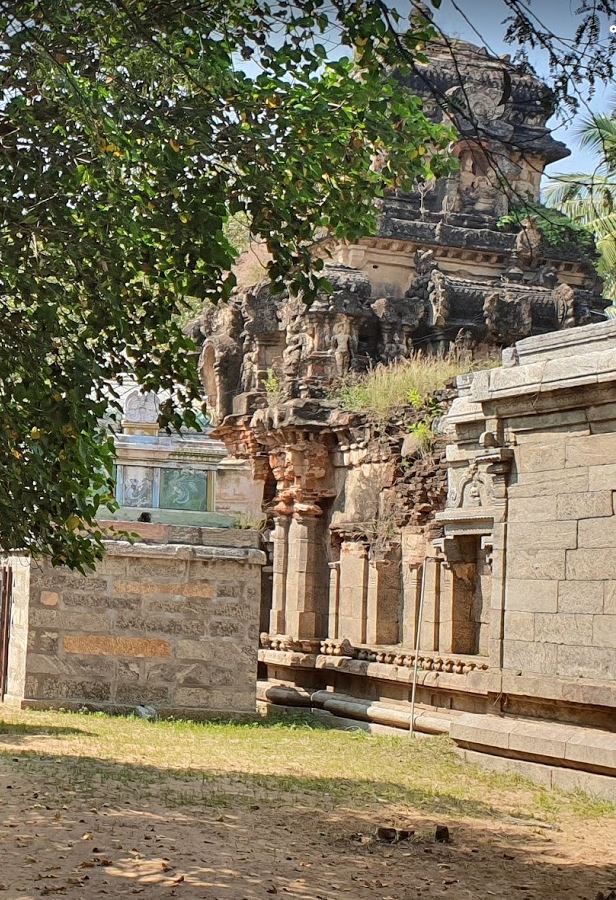
Agatheeswarar Temple, Karur
Agatheeswarar Temple in Thirumukkudalur, Karur district, is an ancient Hindu shrine dedicated to Shiva, situated at the sacred confluence of three rivers and believed to be over 1000 years old.
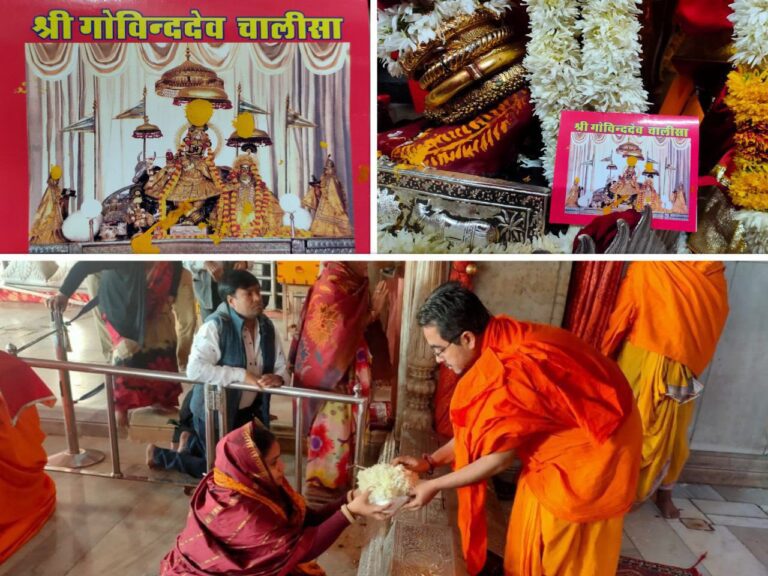
Kalyanji Temple
Kalyanji Temple in Jaipur's Chandpol Bazaar is an ancient Krishna shrine established in the 1820s, renowned for its seven daily aartis and special avatar darshan ceremonies during Akha Teej and Patottsav festivals.
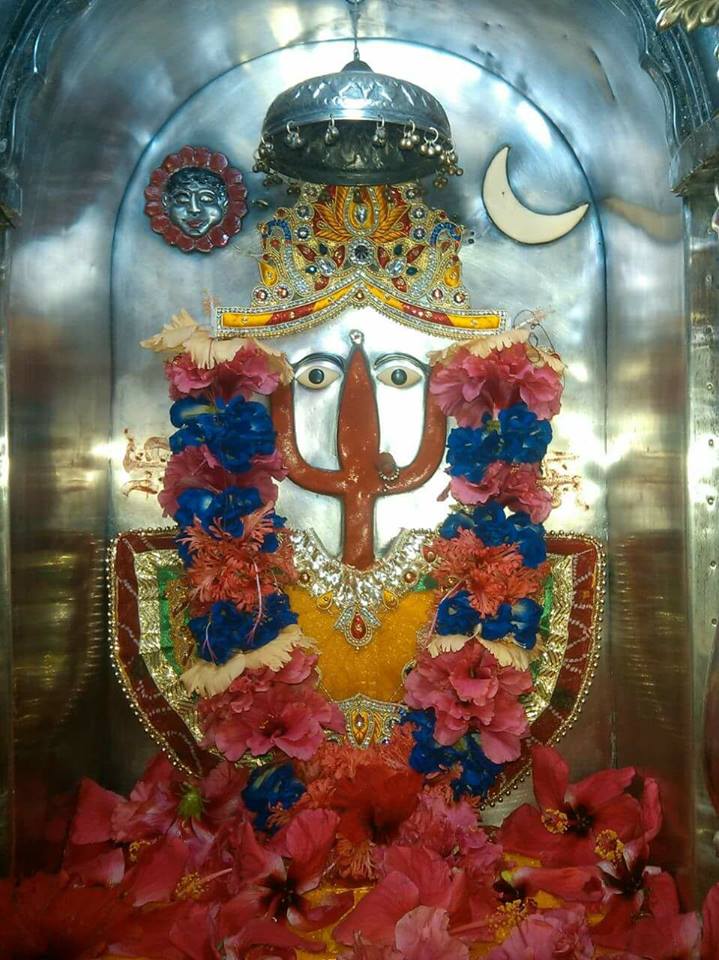
Rani Sati Mandir Mahuda
Rani Sati Mandir in Mahuda, Dhanbad District, is a Hindu temple established in 1992 that serves as a spiritual center for the local community and attracts devotees seeking blessings.