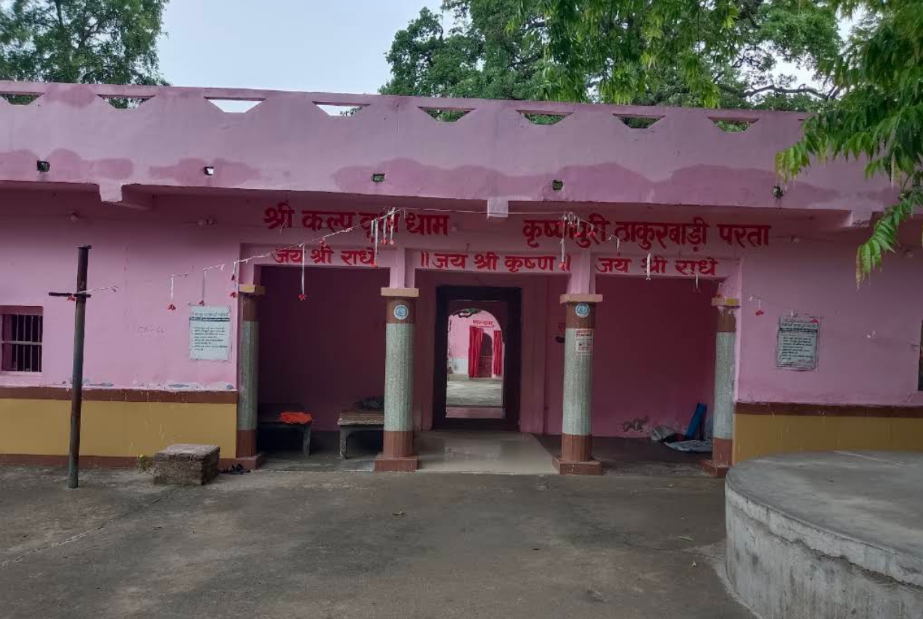
Kalpavriksha Dham
About Kalpavriksha Dham
Kalpavriksha Dham, also known as Krishnpuri Kalpavriksha Dham or Krishnpuri Thakurbadi, is an ancient Hindu monastery. The name carries spiritual significance: *kalpavriksha* refers to the wish-fulfilling tree of Hindu mythology, suggesting the monastery's role as a place where spiritual aspirations may be nurtured. The site is situated in Krishnpuri and functions as a centre for Hindu devotional practice and monastic life.
The monastery represents a living tradition of Hindu spiritual community, where the rhythms of worship and contemplation structure daily life. As an ancient establishment, it carries the continuity of practices that have evolved over generations, though the specific details of its founding and early history are not widely documented in accessible sources.
Visiting the Monastery
Kalpavriksha Dham welcomes visitors seeking spiritual experience and darshan. Before planning your visit, contact the monastery directly to confirm current visiting hours, as these may vary seasonally or according to the monastic schedule. Many Hindu monasteries observe specific times for public darshan and may restrict access during certain periods of prayer or ritual.
Dress modestly when visiting—this is standard practice at Hindu sacred sites. Visitors should remove footwear before entering the inner sanctum and be prepared to sit on the floor during worship. Photography may be restricted in certain areas; always ask permission before taking images. Maintain silence during aarti (ritual worship) and other ceremonies, and avoid interrupting monks or residents engaged in spiritual practice.
Practical Information for Visitors
The monastery is located in Krishnpuri, India. If you are unfamiliar with the exact location or current access routes, it is advisable to contact local tourism offices or the monastery itself for directions and any recent updates regarding visitor facilities. Transportation options will depend on your starting point and the nearest major town.
Accommodation and meal arrangements may be available at or near the monastery, though these should be confirmed in advance. Many Hindu monasteries offer simple lodging and vegetarian meals to pilgrims and visitors, but availability and policies vary. It is respectful to inquire about any guidelines regarding length of stay, contributions, or participation in daily routines.
The Spiritual Tradition
As a Hindu monastery, Kalpavriksha Dham is rooted in the devotional and philosophical traditions of Hinduism. The specific deity worshipped and the particular lineage or guru tradition followed at this site are not detailed in available sources, so visitors are encouraged to learn about these directly from the monastery's residents. Understanding the spiritual focus of the community will enrich your visit and help you engage respectfully with the space.
Hindu monasteries typically maintain daily schedules of worship, meditation, and service. Visitors may be invited to participate in aarti or other communal practices, though this depends on the monastery's openness and your own comfort level. Observing these rituals—even silently—offers insight into the living practice of Hindu spirituality.
Approaching Your Visit
Come with an open mind and genuine spiritual curiosity rather than as a tourist attraction. Monasteries are places of serious practice, and visitors are guests in a working spiritual community. Speak quietly, move mindfully, and be aware that your presence affects the atmosphere others are seeking.
If you have specific questions about the monastery's teachings, history, or practices, ask the monks or residents directly—they are usually willing to share. Bring an offering if you wish (flowers, fruit, or a donation), though this is not required. Most importantly, approach the space with respect for the tradition and the people who dedicate their lives to it.
You may also visit
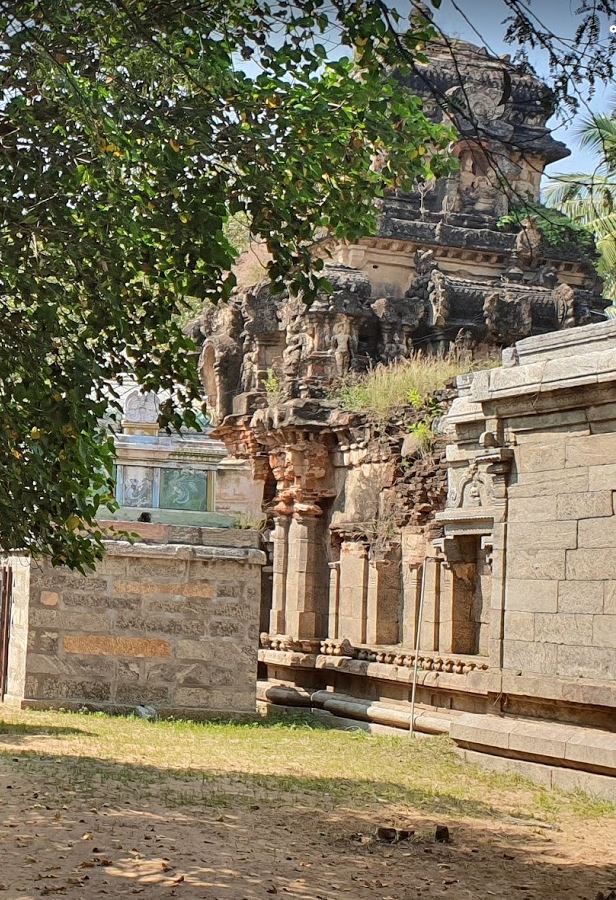
Agatheeswarar Temple, Karur
Agatheeswarar Temple in Thirumukkudalur, Karur district, is an ancient Hindu shrine dedicated to Shiva, situated at the sacred confluence of three rivers and believed to be over 1000 years old.
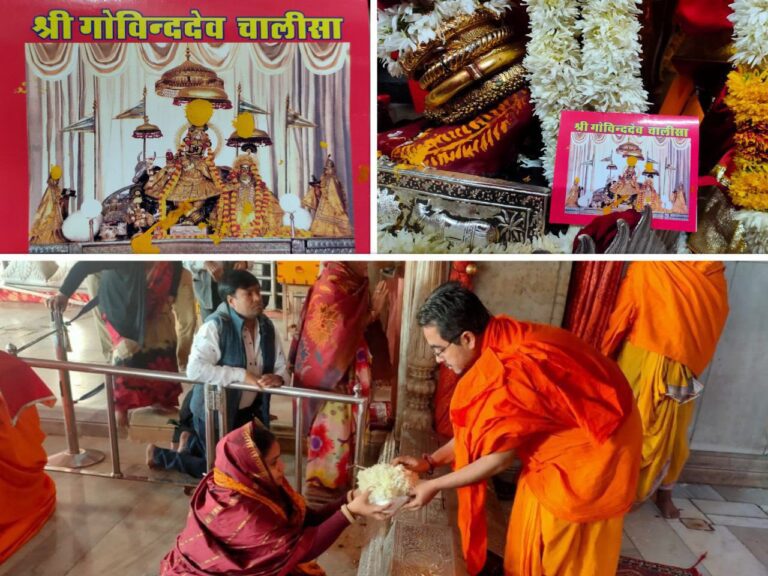
Kalyanji Temple
Kalyanji Temple in Jaipur's Chandpol Bazaar is an ancient Krishna shrine established in the 1820s, renowned for its seven daily aartis and special avatar darshan ceremonies during Akha Teej and Patottsav festivals.
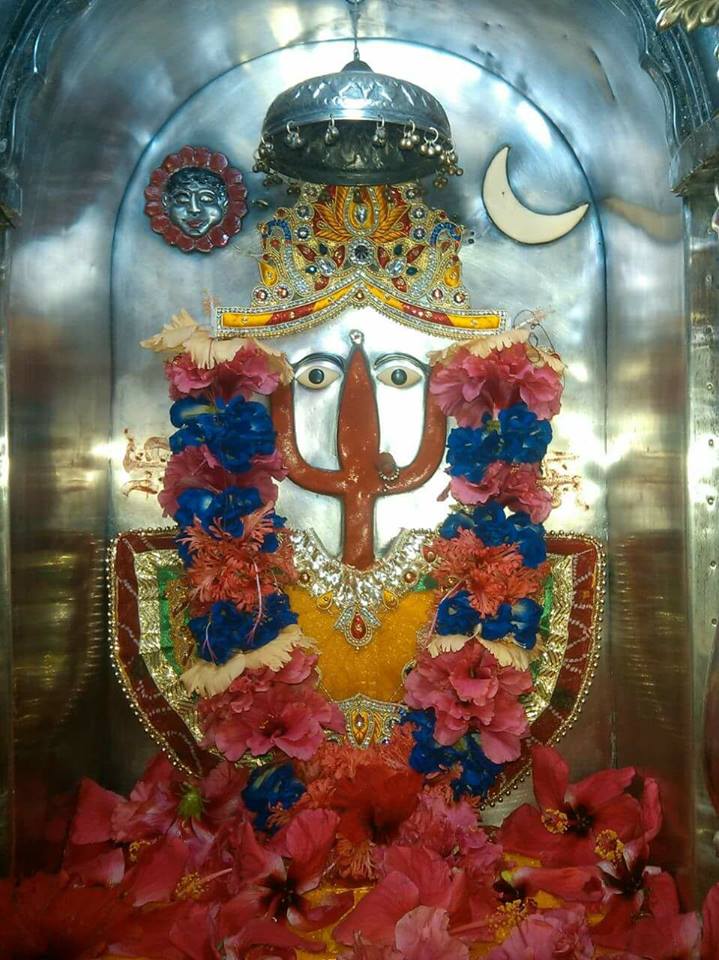
Rani Sati Mandir Mahuda
Rani Sati Mandir in Mahuda, Dhanbad District, is a Hindu temple established in 1992 that serves as a spiritual center for the local community and attracts devotees seeking blessings.